I was standing in my kitchen on a rainy Thursday, the kind of day when you stare at the pantry and wonder why the universe refuses to give you a good fish‑and‑chips fix. My neighbor had just bragged about a new “secret” batter from Long John Silver’s that made his taste buds do the cha‑cha, and I thought, “Challenge accepted.” I grabbed the last frozen fillet I could find, tossed it in a pan, and ended up with a soggy, sad excuse for a crust that could barely hold a drizzle of ketchup. The kitchen was filled with that unmistakable “fried‑food‑gone‑wrong” smell—like a wet cardboard box that had been left in the sun too long. I was frustrated, but also oddly inspired, because I knew the perfect crunch existed somewhere in the chemistry of flour and oil, just waiting for the right balance.
Fast forward three sleepless nights, a handful of failed batches, and a few daring taste‑tests that involved me eating half the batter before anyone else could even sniff it. I’ve learned that the magic isn’t just in the ingredients; it’s in the temperature of the water, the timing of the dip, and the way you treat the oil like a temperamental lover. Imagine a batter that hugs the fish like a warm blanket, then cracks open into a golden shell that shatters like thin ice under a gentle footfall. The flavor? A subtle sweet‑savory dance with a whisper of onion and garlic that makes your palate sing the anthem of the sea. This version is hands down the best you’ll ever make at home, and I’m about to hand you the exact formula.
Most home‑cooked batter recipes get this completely wrong—they either drown the fish in a doughy swamp or leave it naked and soggy. The secret lies in a delicate partnership between all‑purpose flour and corn starch, a duo that creates a light, airy crunch while keeping the interior moist. Add a pinch of baking soda and a dash of baking powder, and you’ll watch the batter puff up just enough to create those coveted air pockets that make every bite feel like a cloud‑kissed fry. The result? A crust that sings “crispy” louder than any fast‑food chain could ever hope to achieve. If you’ve ever struggled with a batter that sticks to the pan or falls apart mid‑fry, you’re not alone—and I’ve got the fix.
Okay, ready for the game‑changer? I dare you to taste this and not go back for seconds. Picture yourself pulling a tray of golden‑brown fillets from the fryer, the whole kitchen smelling like a seaside carnival, the steam rising like a curtain of applause. The next part? Pure magic. Stay with me here — this is worth it. Let me walk you through every single step — by the end, you’ll wonder how you ever made it any other way.
What Makes This Version Stand Out
- Crunch Factor: The combination of flour and corn starch creates a lattice that fries up airy yet sturdy, giving you that unmistakable “first‑bite snap” that most home batters lack.
- Flavor Depth: Onion powder, garlic powder, and white pepper are balanced perfectly with a touch of sugar, so every bite carries a savory‑sweet harmony without being cloying.
- Temperature Control: Using ice‑cold water and a quick rest period ensures the batter stays light, preventing gluten over‑development that would make it gummy.
- Simplicity: Only twelve ingredients, most of which you already have in your pantry, mean you won’t need a trip to the specialty store to achieve restaurant‑grade results.
- Versatility: Works equally well with fish, chicken, or even veggie sticks, making it a crowd‑pleaser for any occasion.
- Make‑Ahead Potential: The batter can sit refrigerated for up to two hours, giving you flexibility when you’re juggling a dinner party schedule.
- Visual Appeal: The golden hue is achieved without artificial coloring, just the right amount of sugar caramelizing in the hot oil.
- Economy: You’ll spend less than a dollar per serving, yet the taste feels like a splurge at a seaside shack.
Inside the Ingredient List
The Flavor Base
All‑purpose flour is the backbone of any good batter. It provides the structure that holds the coating together while allowing the other flavors to shine. Skipping it would be like trying to build a house without walls—nothing stands up. If you’re gluten‑sensitive, you can swap it for a 1‑to‑1 gluten‑free blend, but expect a slightly different texture.
Corn starch is the secret weapon that adds feather‑light crispiness. It interferes with gluten formation, creating pockets of air that expand during frying. Without it, your crust would be dense and heavy, more like a fried dough than a delicate shell. For a gluten‑free version, you can replace the flour portion with rice flour, but keep the corn starch for that signature crunch.
The Texture Crew
Baking soda and baking powder are the dynamic duo that give the batter its lift. The soda reacts with the acidic components in the batter (yes, even a pinch of sugar counts) to create tiny bubbles that puff the coating. Baking powder adds an extra boost, ensuring a consistent rise even if your water isn’t perfectly cold. If you forget one, the batter will still fry, but you’ll lose that airy bite that makes each piece feel like a cloud.
Sugar might sound odd in a savory batter, but a tablespoon balances the salt and spices, and more importantly, it caramelizes in the oil, giving you that beautiful golden‑brown finish. Too much sugar, however, can lead to premature burning, so stick to the measured amount. If you prefer a less sweet profile, you can halve the sugar without sacrificing the crispness.
The Unexpected Star
White pepper brings a subtle heat that doesn’t speck the batter with black flecks, preserving that pristine ivory‑to‑gold gradient. It also adds a depth that plain salt can’t achieve. If you’re a pepper purist, a dash of cayenne can replace it for a bolder kick, but remember that a little goes a long way.
Cold water is the unsung hero. The chilled temperature slows gluten development, keeping the batter tender. It also helps the leavening agents work more predictably. If you use room‑temperature water, you’ll notice the batter becoming gummy after a few minutes—nothing good about that.
The Final Flourish
Eggs are optional but highly recommended. They act as an emulsifier, binding the flour mixture to the protein and ensuring the coating adheres during the high‑heat shock of frying. If you’re vegan, a tablespoon of aquafaba (the liquid from canned chickpeas) works almost identically. Skip the egg, and you’ll notice the batter sliding off the fish like a bad first date.
Oil for deep frying should be neutral—vegetable, canola, or peanut oil are all solid choices. The oil must stay between 350°F and 375°F; too low and the batter soaks up grease, too high and it burns before the interior cooks. A simple thermometer is worth its weight in gold here. And finally, the star of the show: fish fillets or chicken tenders. Pat them dry with paper towels; moisture is the enemy of a crisp crust.
Everything's prepped? Good. Let's get into the real action...
The Method — Step by Step
Start by measuring out 2 cups of all‑purpose flour and ½ cup of corn starch into a large mixing bowl. Whisk them together until the mixture looks like fine sand; this ensures even distribution of the starch. Add 1 tsp each of baking soda and baking powder, 1 tbsp of sugar, and 1 tsp of salt, then give the dry mix another quick whisk. This is the moment of truth for the leavening agents—if you miss a spot, you’ll notice uneven puffing later.
Kitchen Hack: Sift the dry ingredients through a fine mesh sieve; this removes clumps and aerates the flour, giving you a lighter batter.In a separate small bowl, combine 1 tsp of onion powder, 1 tsp of garlic powder, and ½ tsp of white pepper. Sprinkle this spice blend over the dry ingredients and stir gently. The aroma should already be making your mouth water—imagine a subtle perfume of the sea mixed with a backyard grill.
Create a well in the center of the dry mixture and crack in one large egg (optional but highly recommended). Begin whisking slowly, gradually pulling the flour into the egg to avoid lumps. If you’re vegan, replace the egg with 1 tbsp of aquafaba; the texture will be nearly identical.
Now, slowly drizzle in 1 cup of ice‑cold water while whisking continuously. The batter should be the consistency of a thick pancake batter—smooth, glossy, and a little runny. If it feels too thick, add an extra tablespoon of water; if too thin, sprinkle in a tablespoon of flour.
Let the batter rest for 5–7 minutes. This short pause allows the gluten to relax and the leavening agents to start their gentle fizz. During this time, you’ll hear a faint “sizzle” in your mind as the batter anticipates the hot oil.
Watch Out: Do not let the batter sit longer than 15 minutes; the leavening agents will lose potency, resulting in a flat, soggy crust.While the batter rests, heat your oil in a deep‑fat fryer or a heavy‑bottomed pot to 350°F (175°C). Use a thermometer—guesswork leads to greasy disappointment. The oil should shimmer like a calm lake at sunrise; if it’s smoking, it’s too hot.
Pat the fish fillets or chicken tenders dry with paper towels, then lightly dust each piece with a tablespoon of flour. This thin dust layer creates a “dry wall” that helps the batter cling without sliding off. Dip each piece into the batter, letting excess drip back into the bowl—don’t shake it like a maraca; you want a uniform coating.
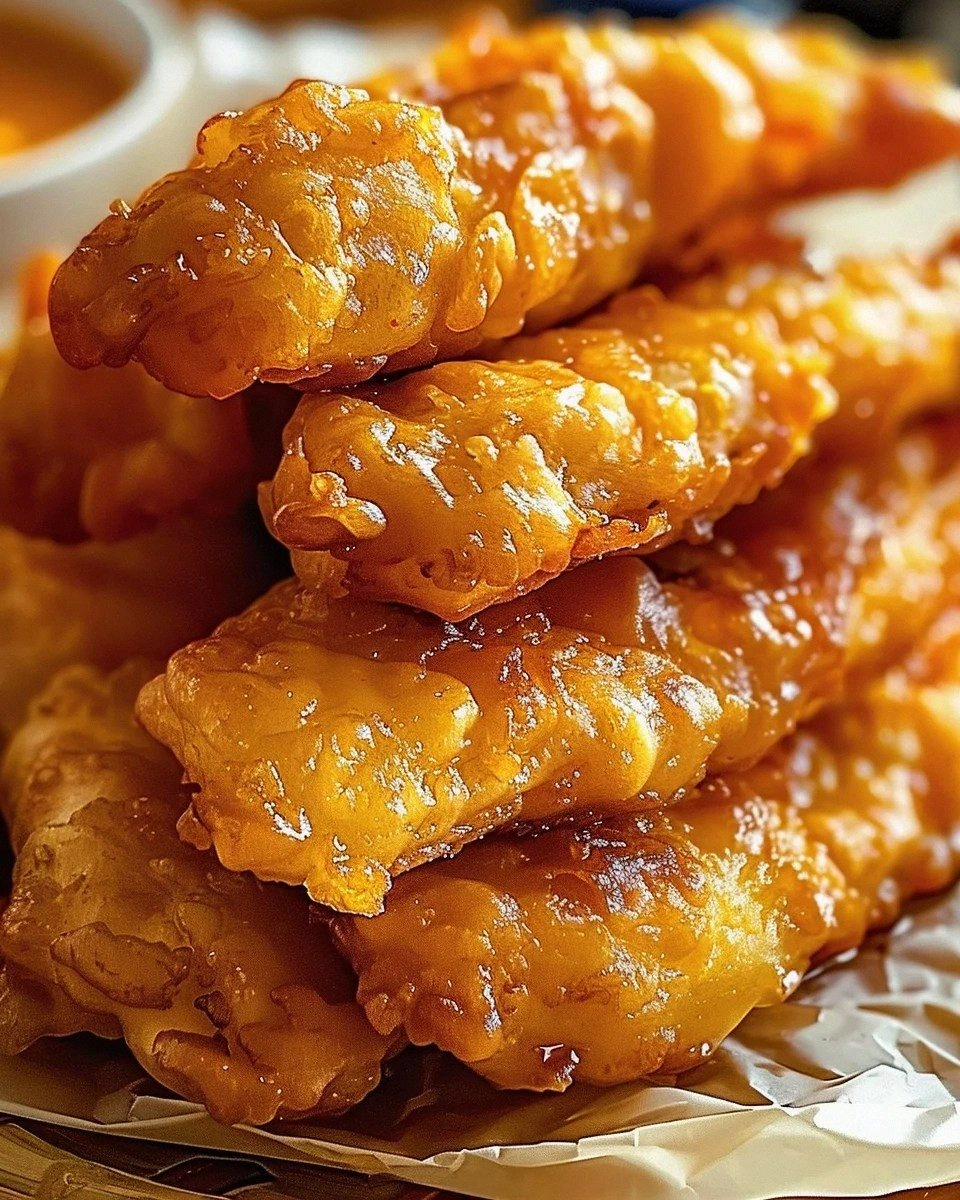
Gently lower the battered pieces into the hot oil, working in batches to avoid crowding. The moment the batter hits the oil, you’ll hear a satisfying sizzle that signals the formation of that coveted crust. Fry for 3–4 minutes per side, or until the coating turns a deep golden‑amber and the interior reaches 145°F for fish or 165°F for chicken.
Kitchen Hack: Use a slotted spider or a wire basket to lift the pieces out; this lets excess oil drain away while preserving the crust’s integrity.Transfer the cooked pieces onto a wire rack set over a baking sheet; this prevents the bottom from steaming and getting soggy. Let them rest for a minute—this short pause lets the steam escape and the crust firm up, delivering that perfect snap when you bite.
Serve immediately with your favorite dipping sauce—tartar, honey mustard, or a simple squeeze of lemon. That first bite should feel like a crunchy hug that gives way to tender, flaky fish inside. That sizzle when it hits the pan? Absolute perfection. And now the fun part: sprinkle a pinch of flaky sea salt on top for an extra pop of flavor, and watch your guests go wild.
That's it — you did it. But hold on, I've got a few more tricks that'll take this to another level...
Insider Tricks for Flawless Results
The Temperature Rule Nobody Follows
Never, ever fry at a static temperature. Oil cools the moment you add batter, so you need to adjust the heat by 10–15°F after each batch. Keep a thermometer handy and watch the needle dance; this ensures each piece gets that uniform golden crust. I once tried to “set and forget” the heat, and the result was a soggy, oil‑laden mess that could have doubled as a greased coaster.
Why Your Nose Knows Best
Your sense of smell is a more reliable indicator of doneness than a timer. When the batter begins to smell nutty and slightly caramelized, you’re within seconds of the perfect finish. If you detect a faint burnt scent, pull the piece out immediately—overcooking ruins the delicate texture.
The 5‑Minute Rest That Changes Everything
After frying, let the battered pieces rest on a wire rack for exactly five minutes. This short cooling period allows the steam trapped inside to escape, preventing the crust from becoming soggy as it sits. A friend once skipped this step and ended up with a limp coating that fell apart on the plate—lesson learned.
Oil Refresh Ritual
Every 30 minutes, skim off any floating bits of batter and let the oil come back to temperature before the next batch. Those tiny fragments can burn and give the whole pot a bitter aftertaste. A quick filter through a cheesecloth does wonders and extends the life of your oil.
Seasoning the Oil
Add a sprig of rosemary or a few garlic cloves to the oil after the first batch. As they infuse, they impart a subtle background flavor that lifts the entire dish without overpowering the batter’s own seasoning. Remove the aromatics before the next batch to avoid burning.
Creative Twists and Variations
This recipe is a playground. Here are some of my favorite ways to switch things up:
Spicy Cajun Kick
Add 1 tsp of Cajun seasoning and a pinch of cayenne to the spice blend. The result is a Southern‑style heat that pairs beautifully with a cool ranch dip. Perfect for game‑day gatherings where you want a little extra zing.
Herb‑Infused Green
Stir in a tablespoon of finely chopped fresh parsley and a teaspoon of dried thyme into the batter. The herbs not only add a fresh aroma but also lend a subtle green hue that makes the dish pop on the plate.
Beer‑Batter Upgrade
Replace half of the cold water with a light lager. The carbonation adds extra lift, creating an even lighter, almost airy crust. Serve with a pint of the same beer for a truly harmonious pairing.
Sweet‑Savory Fusion
Mix 1 tablespoon of honey and a pinch of smoked paprika into the batter. The honey caramelizes during frying, giving a subtle sweetness that balances the smoky paprika. Great with a drizzle of maple‑mustard sauce.
Veggie‑Friendly Nuggets
Swap the fish or chicken for bite‑size cauliflower florets or zucchini sticks. The same batter works wonders, turning humble vegetables into restaurant‑style bites. Pair with a tangy yogurt dip for a wholesome snack.
Storing and Bringing It Back to Life
Fridge Storage
Place cooled, fried pieces in an airtight container lined with paper towels to absorb excess oil. They’ll stay crisp for up to 2 days. Reheat in a preheated oven at 375°F for 8‑10 minutes, and they’ll regain most of their original crunch.
Freezer Friendly
Arrange the fried pieces on a parchment‑lined tray and freeze until solid, then transfer to a zip‑top bag. This flash‑freeze method prevents them from sticking together. When ready to eat, bake straight from frozen at 400°F for 12‑15 minutes; the result is nearly as good as fresh.
Best Reheating Method
For ultimate crispness, use a convection oven or an air fryer. Add a tiny splash of water (about a teaspoon) to the basket before reheating; the steam helps revive the outer shell without making it soggy. Avoid microwaving—nothing ruins a crunchy crust faster than a microwave.