I'm about to confess something that might get my foodie card revoked: I used to think chicken and broccoli pasta was the most boring dinner on the planet. You know the kind — dry chicken, mushy broccoli, and that sad, grainy cheese sauce that tastes like someone waved a slice of American cheese over noodles and called it a day. Then one rainy Tuesday, my best friend challenged me to a cook-off. Her request? "Make chicken broccoli pasta that doesn't suck." Game on.
Three hours, two grocery runs, and one mildly singed spatula later, I stumbled upon something magical. This isn't your sad cafeteria tray dinner. This is creamy, dreamy, cheese-pull-for-days comfort food that'll make you want to lick the pot clean. The secret? It's all in the timing and a few sneaky techniques that turn ordinary ingredients into pure gold. I'm talking tender chicken that actually tastes like something, broccoli that stays vibrantly green and crisp-tender, and a cheese sauce so silky it could make a grown adult weep.
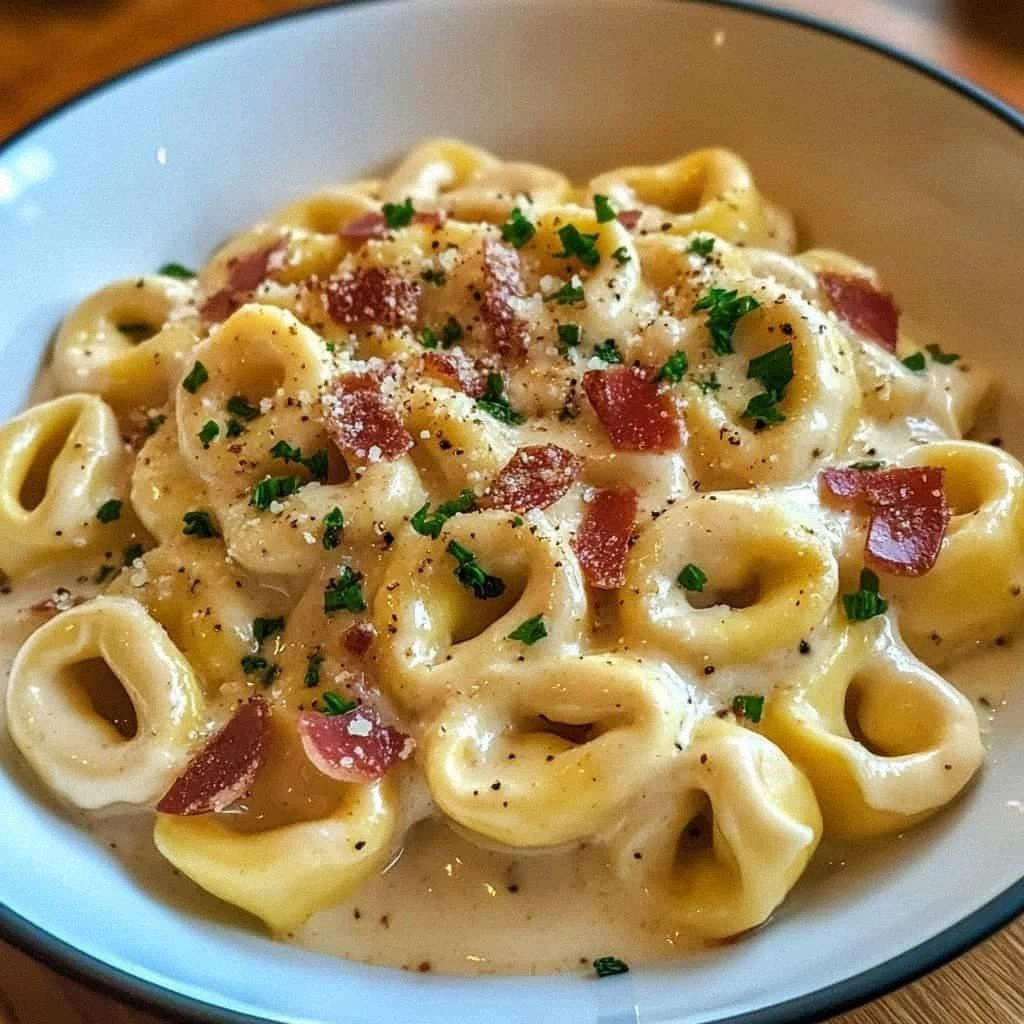
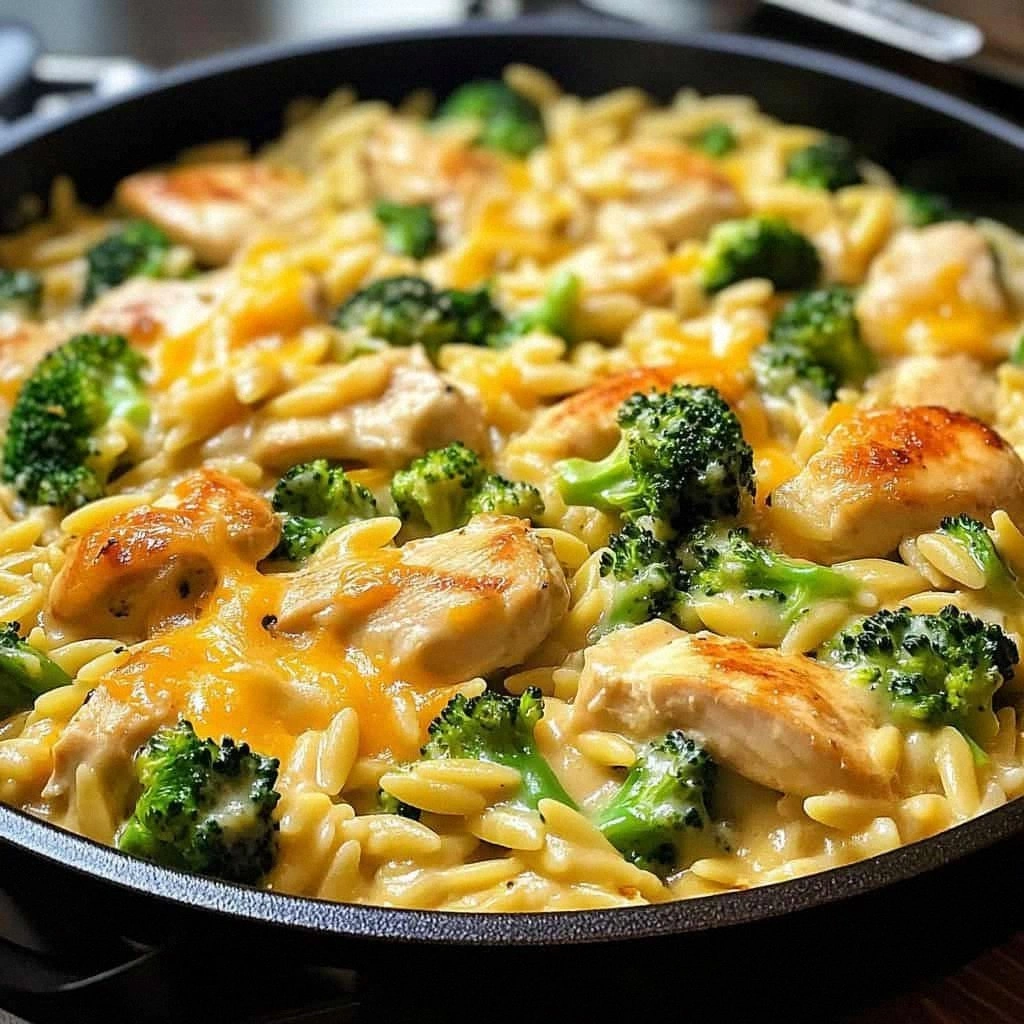
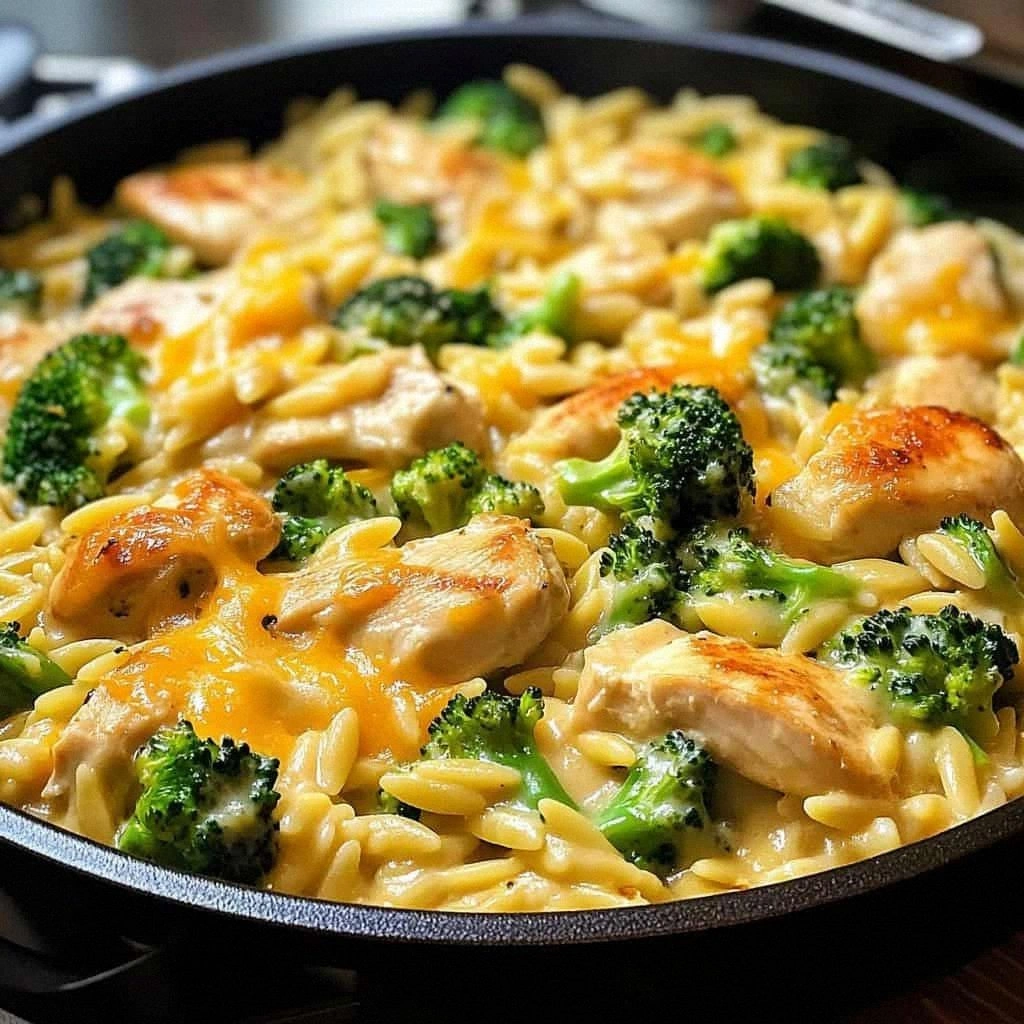
Picture this: tiny rice-shaped orzo pasta swimming in a lake of three-cheese sauce, studded with juicy chicken cubes and emerald broccoli florets that still have a satisfying bite. The aroma hits you first — that nutty, buttery smell of caramelized cheese mingling with garlic and herbs. Then you taste it, and suddenly you're transported to that perfect place where childhood comfort meets grown-up cooking skills. It's like mac and cheese decided to put on a tuxedo but still knows how to party.
Here's the kicker — this dish looks and tastes like you spent all day in the kitchen, but it comes together in under 45 minutes. I've fed this to picky toddlers, skeptical teenagers, and food snobs who claim they "don't do casseroles." Every single one of them went back for seconds. Some even snuck thirds when they thought nobody was looking. Let me walk you through every single step — by the end, you'll wonder how you ever made it any other way.
What Makes This Version Stand Out
Flavor Bomb: Most recipes treat chicken like a boring protein vehicle. Not here. We season aggressively with garlic powder, onion powder, and paprika, creating a flavor base that tastes like you've been marinating for hours. The chicken gets seared until golden, developing those crispy, caramelized edges that'll make you want to eat it straight from the pan.
Texture Paradise: Forget mushy vegetables and gummy pasta. We cook the orzo like risotto, letting it absorb chicken broth gradually while releasing starch that naturally thickens our sauce. The broccoli gets added at the perfect moment so it stays bright green and slightly crisp, providing a fresh counterpoint to all that creamy richness.
Three-Cheese Magic: One cheese is lazy, two is basic, but three? That's when things get interesting. Sharp cheddar brings the classic comfort, mozzarella gives us those Instagram-worthy cheese pulls, and Parmesan adds that umami depth that makes people ask "what's your secret ingredient?"
One-Pot Wonder: Despite tasting like restaurant-quality food, this entire masterpiece happens in a single pot. That means fewer dishes and more time for important things like eating and bragging about your cooking skills on social media.
Make-Ahead Champion: This dish reheats like a dream. The sauce stays creamy instead of breaking into that greasy mess you get with most cheese sauces. Pack it for lunch and watch your coworkers drool with envy.
Kid-Approved Sophistication: Children think they're getting fancy mac and cheese while adults appreciate the complex flavors and perfect textures. It's like culinary diplomacy on a plate.
Weeknight Warrior: From fridge to table in 45 minutes, this recipe respects your busy schedule. No overnight marinating, no specialty equipment, no culinary degree required.
Inside the Ingredient List
The Flavor Foundation
The chicken is your canvas here, and we're painting it with layers of flavor that most recipes completely miss. Boneless, skinless chicken breasts get a bad rap for being dry and tasteless, but that's because most people treat them like an afterthought. We season them generously with garlic powder, onion powder, and smoked paprika — the holy trinity of quick flavor enhancement. The paprika isn't just for color; it adds a subtle sweetness and depth that makes people wonder if you've been cooking all day. Salt and pepper are non-negotiable, but we're adding them at the right time to avoid drawing moisture out of the chicken before it hits the pan.
Olive oil gets two appearances in this recipe, and each one matters. The first round is for searing our chicken, and we want it screaming hot. Not "I think this is ready" hot, but "I can see tiny wisps of smoke" hot. This creates that golden crust that locks in juices and adds caramelized flavor notes that'll make you want to eat the chicken straight from the pan. The second round is for sautéing our aromatics, and we'll drop the temperature to avoid burning the garlic.
The Texture Crew
Orzo might look like oversized rice, but it's actually pasta, and it's about to become your new best friend. Its tiny shape means it cooks quickly and releases starch that naturally thickens our sauce. We're using it like risotto, adding broth gradually while stirring frequently. This technique transforms ordinary pasta into something luxurious and creamy without any heavy cream. The key is to not overcook it — you want it al dente, with just a tiny firmness in the center.
Broccoli gets treated like royalty here instead of being an afterthought. We're using fresh florets cut into small, bite-sized pieces that cook quickly and evenly. Frozen broccoli will turn into mush and release too much water, ruining our sauce texture. The trick is adding it at the very end so it stays vibrant green and maintains that satisfying crunch that makes each bite interesting.
The Unexpected Star
Butter and flour might seem basic, but together they create a roux that forms the backbone of our sauce. We're cooking it just long enough to eliminate that raw flour taste without letting it brown. This creates a neutral base that lets our cheese shine while providing body and silkiness that coats every piece of orzo like a warm blanket. The ratio matters here — equal parts butter and flour give us the perfect thickness without pastiness.
Milk is where most recipes go wrong. They grab whatever's in the fridge and wonder why their sauce tastes flat. We're using whole or 2% milk because we need the fat to carry flavor and create richness. Skim milk will give you a watery, sad sauce that separates and looks curdled. The milk gets warmed before adding to our roux, preventing lumps and ensuring a smooth, velvety texture that hugs every ingredient.
The Final Flourish
Three cheeses might seem excessive, but each one plays a crucial role in creating the ultimate comfort food experience. Sharp cheddar provides that familiar, nostalgic flavor that tastes like home. Mozzarella gives us that incredible stretch and mild creaminess that balances the sharper cheddar. Parmesan adds umami depth and a nutty complexity that makes people ask for your secret. We're grating the mozzarella and cheddar ourselves because pre-shredded cheese contains cellulose that prevents smooth melting.
Nutmeg might seem like an odd addition to a savory dish, but trust me on this one. Just a pinch adds warmth and complexity that makes people wonder why your cheese sauce tastes better than everyone else's. It's the same secret that makes French béchamel so addictive. Don't skip it unless you want to serve ordinary cheese sauce.
The Method — Step by Step
- Season and Sear the Chicken: Pat your chicken cubes dry with paper towels — moisture is the enemy of browning. In a bowl, toss the chicken with garlic powder, onion powder, paprika, salt, and pepper until every piece is evenly coated. Heat olive oil in a large, heavy-bottomed pot or Dutch oven over medium-high heat until it shimmers and you see tiny wisps of smoke. Add the chicken in a single layer, resisting the urge to move it around. Let it develop a golden crust for about 3-4 minutes before flipping. The chicken should release easily from the pan when it's ready. Cook for another 2-3 minutes until just cooked through. Transfer to a plate but don't you dare wash that pot — those brown bits are liquid gold.
- Build the Flavor Base: Reduce the heat to medium and add another tablespoon of olive oil to the same pot. Add the chopped onion and cook until it turns translucent and starts to brown at the edges, about 4-5 minutes. This is where patience pays off — properly caramelized onions add incredible sweetness and depth. Add the minced garlic and cook for just 30 seconds until fragrant. Garlic burns faster than your ex's new relationship, so keep it moving.
- Toast the Orzo: Add the dry orzo pasta to the pot and stir to coat it in all those beautiful flavors. Toast it for 2-3 minutes, stirring frequently, until some grains turn golden brown. This step adds nuttiness and prevents the pasta from becoming mushy. The orzo should smell like warm bread and make tiny popping sounds. This is the moment your kitchen starts smelling like an Italian grandmother's house.
- Create the Liquid Gold: Pour in 2 cups of chicken broth and bring to a boil, scraping up all those gorgeous brown bits from the bottom. Reduce heat to a gentle simmer and stir frequently as the orzo absorbs the liquid. This should take about 8-10 minutes. When most of the broth is absorbed but the orzo still has a firm center, add another cup of broth. Continue this process until you've used all 4 cups and the orzo is creamy and tender but not mushy.
- Make the Roux: While the orzo is doing its thing, melt butter in a separate small saucepan over medium heat. Once it's foamy and starting to smell nutty, whisk in the flour. Cook for 2-3 minutes, whisking constantly, until it smells like cooked pie crust but hasn't turned brown. This eliminates the raw flour taste that can ruin your sauce.
- Create the Cheese Sauce: Slowly whisk the warm milk into your roux, about 1/2 cup at a time, whisking vigorously to prevent lumps. Once all the milk is incorporated, bring to a gentle simmer and cook until thickened enough to coat the back of a spoon. This should take about 5-7 minutes. Remove from heat and stir in salt, pepper, and nutmeg. Add the cheeses one handful at a time, stirring until melted before adding the next. The sauce should be smooth, glossy, and thick enough to leave trails when you drag a spoon through it.
- Bring It All Together: Add the broccoli florets to the orzo pot and cook for 2-3 minutes until bright green and tender-crisp. Return the seared chicken to the pot and pour your cheese sauce over everything. Stir gently to combine, making sure every piece of orzo gets coated in that luxurious sauce. The sauce should be creamy but not soupy — it'll thicken slightly as it stands. Taste and adjust seasoning as needed.
- The Grand Finale: Let everything bubble together for 2-3 minutes so the flavors can meld. The sauce should coat the back of a spoon and leave a clear trail when you run your finger through it. If it's too thick, add a splash of milk. Too thin? Let it simmer for another minute or two. Serve immediately in shallow bowls with extra cheese on top if you're feeling indulgent.
That's it — you did it. But hold on, I've got a few more tricks that'll take this to another level...
Insider Tricks for Flawless Results
The Temperature Rule Nobody Follows
Here's where most home cooks sabotage their own success: they cook everything at the same temperature. Big mistake. Your chicken needs high heat to develop that gorgeous crust, but your garlic and cheese sauce need gentle heat to prevent burning and separation. Think of it like a symphony — each ingredient has its moment to shine at the perfect temperature. When you're searing chicken, the pan should be hot enough that you see tiny wisps of smoke. When you're making the roux, medium heat prevents the butter from browning too quickly. And when you're melting cheese, low and slow is the name of the game. I learned this the hard way after serving grainy, broken cheese sauce to my in-laws. Never again.
Why Your Nose Knows Best
Professional chefs don't rely on timers alone — we use all our senses, especially smell. When your onions are perfectly caramelized, they'll smell sweet and slightly nutty, never sharp or acrid. Your garlic is ready when it fills the kitchen with that unmistakable aroma, but if you smell even a hint of bitterness, you've gone too far. The orzo is toasted when it smells like warm bread and makes tiny popping sounds. And here's the real secret: when your cheese sauce is perfectly balanced, it'll smell rich and inviting, never sharp or sour. Trust your nose — it knows when something's ready before your eyes do.
The 5-Minute Rest That Changes Everything
I know you're tempted to dive right in — that cheese pull is calling your name. But here's what separates good cooks from great ones: patience. Let your finished dish rest for exactly 5 minutes before serving. During this time, the sauce thickens slightly, the flavors meld together, and the temperature drops to that perfect "I can actually taste this" level instead of "I just burned my tongue and can't taste anything for a week." Plus, those extra few minutes give you time to set the table, pour some wine, and pretend you didn't taste-test half the pot already. Your future self will thank you when you're not frantically blowing on each bite like a toddler with hot pizza.
The Cheese Grating Game-Changer
Listen closely because this tip will revolutionize your cheese sauce game: grate your own cheese. I know, pre-shredded seems convenient, but that stuff is coated with cellulose to prevent clumping, which also prevents smooth melting. Buy blocks of cheese and grate them yourself — it takes two extra minutes but makes the difference between silky smooth sauce and grainy disappointment. A box grater works fine, but a microplane for the Parmesan creates those light, fluffy shavings that melt instantly. Store leftover cheese in the freezer for 15 minutes before grating — it firms up and grates more cleanly. Your sauce will be so smooth, people will think you went to culinary school.
Creative Twists and Variations
This recipe is a playground. Here are some of my favorite ways to switch things up:
Buffalo Chicken Broccoli Orzo
For those who like to live dangerously, swap half the cheddar for pepper jack and add 1/4 cup buffalo sauce to your cheese sauce. The spicy kick pairs perfectly with the cooling effect of the broccoli, and the creamy base tames the heat so you can actually taste the other flavors. Top with crumbled blue cheese and chopped celery for that full wings experience without the messy fingers. This version is perfect for game day or when you need to wake up your taste buds from their winter hibernation.
Mediterranean Sunshine Version
Transport yourself to a Greek island by swapping the cheddar for feta, adding sun-dried tomatoes, and throwing in some chopped olives with the broccoli. Replace half the chicken broth with white wine for extra complexity, and finish with fresh dill and a squeeze of lemon. The briny olives and tangy feta create a completely different flavor profile that makes this dish feel like a vacation in a bowl. I dare you to taste this and not go back for seconds.
Loaded Baked Potato Style
Channel your favorite steakhouse side dish by using sharp white cheddar, adding crispy bacon bits, and topping with sour cream and chives. The bacon fat adds incredible depth when you use it instead of olive oil for the roux. Cube some potatoes and cook them with the orzo for that authentic loaded potato experience. This version is pure comfort food that tastes like Sunday dinner at grandma's house, assuming your grandma was a culinary genius who understood the power of bacon.
Green Goddess Edition
For the herb lovers, add a handful of fresh basil, parsley, and chives to your cheese sauce right before serving. The fresh herbs brighten the whole dish and make it taste like springtime. Add some zucchini along with the broccoli for extra vegetables, and finish with lemon zest for brightness. This version tastes like you're being healthy while still indulging in creamy, cheesy goodness.
Smoky Mountain Style
Add smoked gouda to your cheese blend and use smoked paprika instead of regular. The smoky flavors pair beautifully with the broccoli and create a dish that tastes like it was cooked over a campfire. Add some crispy shallots on top for texture, and you've got a sophisticated take on comfort food that would make any barbecue pit master proud.
Seafood Lover's Dream
Replace the chicken with shrimp and add some lump crab meat at the very end. The seafood cooks quickly and adds a touch of elegance that makes this perfect for date night. Use Old Bay seasoning instead of the spice blend, and finish with fresh parsley. The natural sweetness of the seafood plays beautifully with the sharp cheese, creating a dish that tastes like it costs $30 at a restaurant but costs way less to make at home.
Storing and Bringing It Back to Life
Fridge Storage
This dish keeps beautifully in the refrigerator for up to 4 days, making it perfect for meal prep. Store it in an airtight container — I prefer glass because it doesn't absorb odors and reheats more evenly. Press plastic wrap directly against the surface to prevent a skin from forming on your sauce. The key is cooling it quickly, so spread it in a shallow container rather than a deep one. When stored properly, the sauce stays creamy and the broccoli maintains its color better than you'd expect. I've eaten this for lunch four days straight and it tasted just as good on Thursday as it did on Monday.
Freezer Friendly
Most people think creamy pasta dishes can't be frozen, but they're wrong — if you know the trick. Freeze individual portions in freezer bags, pressing out all the air to prevent freezer burn. The secret is to undercook the orzo slightly if you plan to freeze, since it will continue to soften during reheating. Thaw overnight in the refrigerator, not on the counter, to prevent bacterial growth. When reheating, add a splash of milk and warm it slowly over low heat, stirring frequently. It won't be quite as perfect as fresh, but it's 90% there, which is infinitely better than a sad sandwich for lunch.
Best Reheating Method
Forget the microwave — it's the enemy of creamy sauces. Instead, reheat in a saucepan over low heat with a splash of milk or chicken broth. Stir constantly and be patient; low and slow is the key to preventing separation. If you must use the microwave, do it in 30-second intervals, stirring between each burst and adding a tiny bit of liquid. Cover with a damp paper towel to create steam that helps reheat evenly. Whatever you do, don't reheat it more than once — each reheating breaks down the sauce a little more, turning your silky masterpiece into grainy disappointment.