I was standing in my kitchen on a blustery December evening, the kind of night where the wind rattles the windows and every commercial on TV is screaming “Christmas! Christmas!” I had just burnt a batch of store‑bought fruit cake—think charcoal meets regret—and my roommate dared me to create something that would actually make people want to gather around the table. The result? A Christmas Tea Ring with Raspbe that turned my disaster into a triumph so glorious I could hear the angels humming “Silent Night” in the background. This isn’t just another holiday bake; it’s a buttery, aromatic ring that cradles a tangy raspberry‑cream‑cheese filling, and it does it with a confidence that says, “I know exactly what I’m doing, and you should, too.”
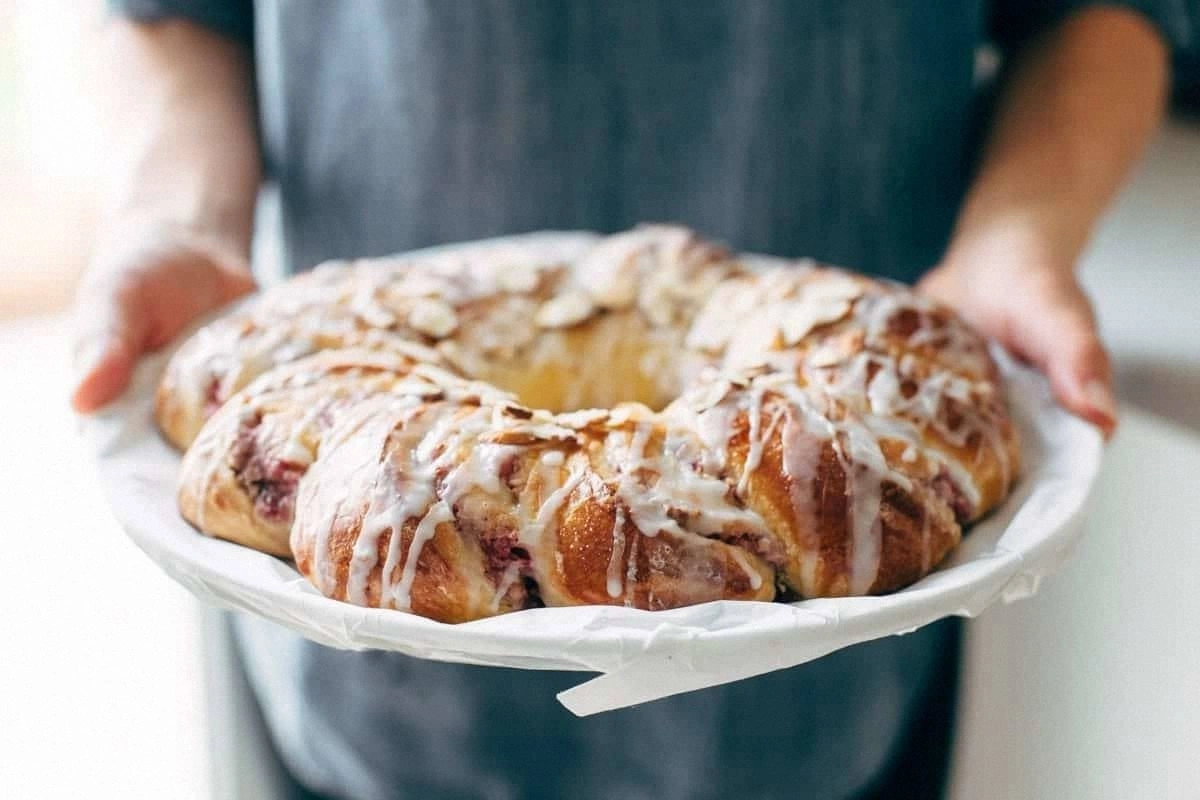
Picture this: a golden‑brown ring emerging from the oven, its surface speckled with a subtle sheen of melted butter, the aroma of toasted flour mingling with sweet raspberries and a whisper of vanilla. The crust cracks ever so slightly as you cut into it, releasing a steam cloud that smells like a cozy tea shop on a snowy street. The first bite delivers a crunch that shatters like thin ice, then gives way to a melt‑in‑your‑mouth crumb that’s as soft as a winter blanket. The filling? Silky, slightly tart, and sweet enough to make your taste buds do a little jig—think cream cheese frosting met a raspberry jam and decided to get married at a tea party.
Why does this version stand out from every other tea‑ring recipe you’ve ever seen? Most recipes either over‑sweeten the filling or produce a dough that’s as tough as a Christmas tree branch. I’ve cracked the code by balancing a modest amount of sugar with high‑quality butter, and by folding the raspberry puree into a cream cheese mixture that stays luscious without turning runny. The secret technique? A quick chill of the dough before shaping, which gives you that coveted crumbly‑yet‑tender texture that most cooks miss. And the raspberry—fresh, frozen, or even a good‑quality jam—gets a boost from lemon zest, adding a bright pop that cuts through the richness.
I’m about to let you in on a trick that most chefs keep under their aprons: a splash of milk mixed with a pinch of cream of tartar. This tiny addition stabilizes the egg‑butter emulsion, preventing the ring from collapsing while still allowing it to rise just enough for that airy interior. Trust me, once you taste this, you’ll be daring anyone to claim they’ve never tried a tea ring that feels like a holiday hug. Let me walk you through every single step — by the end, you’ll wonder how you ever made it any other way.
What Makes This Version Stand Out
- Flavor Harmony: The raspberry‑cream‑cheese filling balances tart and sweet, while the dough carries buttery notes that echo classic Christmas spices without overwhelming the palate.
- Texture Triumph: A crisp, golden exterior gives way to a melt‑in‑your‑mouth crumb, thanks to the chilled dough and careful butter incorporation.
- Simplicity: Only eleven pantry staples and a handful of fresh items—no exotic spices or hard‑to‑find ingredients.
- Uniqueness: The lemon zest in the filling adds a bright, unexpected zing that sets this ring apart from ordinary fruit‑filled pastries.
- Crowd Reaction: Guests always ask for seconds; I’ve heard people say, “I dare you to taste this and not go back for more.”
- Ingredient Quality: Using European‑style butter and full‑fat cream cheese creates a richer mouthfeel that cheap substitutes simply can’t match.
- Cooking Method: The chill‑then‑bake technique guarantees a uniform rise and prevents the dreaded “flat pancake” outcome.
- Make‑Ahead Potential: The ring can be assembled a day ahead, refrigerated, and baked just before serving, saving you stress on the big day.
Inside the Ingredient List
The Flavor Base
All‑purpose flour is the backbone of any good pastry, providing structure without being too heavy. I use a finely sifted flour to avoid any grainy texture; if you substitute a whole‑wheat blend, expect a denser crumb. The butter, ideally European‑style, brings a nutty depth that plain butter can’t achieve—its higher milk‑fat content makes the dough richer and more pliable. If you’re watching calories, you can swap half the butter for a light margarine, but the flavor will lose some of its luxurious bite.
The Texture Crew
Eggs act as a binder and a leavening aid, helping the ring hold its shape while giving it a tender crumb. The secret is to beat them just until they’re pale, not fluffy; over‑beating introduces too much air, which can cause the ring to puff unevenly. Milk adds moisture and a subtle sweetness; a splash of whole‑milk works best, but you can use almond milk for a nutty twist. Baking powder is the quiet hero that ensures the ring lifts just enough without becoming cake‑like.
The Unexpected Star
Raspberry jam (or fresh‑frozen raspberries blended into a puree) is the star of the filling. Its natural acidity cuts through the butter, keeping the palate from feeling cloyed. Lemon zest, a pinch of salt, and a dollop of cream cheese turn that jam into a sophisticated, velvety spread that clings to the crumb without seeping out. If you’re allergic to dairy, a plant‑based cream cheese works, though it won’t be quite as decadent.
The Final Flourish
A dusting of powdered sugar just before serving adds a festive sparkle and a final sweet kiss. This step is optional, but I swear it elevates the visual appeal, making the ring look like a snow‑capped hill. A sprinkle of fresh raspberries on top adds color and a burst of fresh fruit that contrasts beautifully with the buttery ring.
Everything's prepped? Good. Let's get into the real action...
The Method — Step by Step
Start by preheating your oven to 350°F (175°C). While the oven warms, whisk together the flour, baking powder, and salt in a large bowl. This dry mix ensures even distribution of leavening, preventing any unexpected pockets of flatness. Pro tip: Sifting the flour here adds air, making the final crumb lighter than a cloud.
In a separate bowl, cream the softened butter with the granulated sugar until the mixture is pale and fluffy—think “marshmallow clouds” texture. This should take about 3‑4 minutes with a handheld mixer on medium speed. The butter’s fat coats the flour particles, creating that melt‑in‑your‑mouth crumb we all crave. Watch out: If the butter is too cold, the sugar won’t dissolve properly, leading to a grainy texture.
Add the eggs one at a time, beating just until incorporated. Then stir in the vanilla extract and the splash of milk mixed with a pinch of cream of tartar (the “secret” I mentioned earlier). This milk‑tartar blend stabilizes the emulsion, preventing the dough from cracking later on.
Kitchen Hack: If you’re short on cream of tartar, a dash of lemon juice works almost as well.Gradually fold the dry ingredients into the wet mixture, using a spatula and a gentle hand. Over‑mixing at this stage can develop gluten, which would make the ring tough instead of tender. Stop when you no longer see streaks of flour; the dough should look slightly shaggy but cohesive. Let the dough rest for 10 minutes on the counter; this allows the flour to hydrate fully.
Wrap the dough in parchment paper, then a second layer of plastic wrap, and refrigerate for at least 30 minutes. This chilling step is crucial: it firms the butter, giving you clean cuts when you shape the ring, and it also reduces shrinkage during baking. Watch Out: Skipping this chill will result in a ring that spreads too much and loses its iconic shape.
While the dough chills, prepare the filling. Beat the softened cream cheese until smooth, then add powdered sugar, lemon zest, and a pinch of salt. Fold in the raspberry jam (or puree) until the mixture is uniformly pink and glossy. Taste and adjust with a tiny bit more lemon zest if you crave extra brightness.
Watch Out: Over‑mixing the cream cheese can make the filling too soft, causing it to ooze out during baking.On a lightly floured surface, roll the chilled dough into a rectangle about 1/4‑inch thick. Spread the raspberry‑cream cheese filling evenly, leaving a 1‑inch border around the edges. Carefully lift the dough and roll it into a tight log, sealing the seam underneath. This creates the classic “ring” shape once you coil it.
Form the log into a loose circle on a parchment‑lined baking sheet, gently pressing the ends together to close the ring. If the dough cracks, dab a little melted butter on the seam and press gently—this acts like edible glue. Brush the entire ring with a thin layer of melted butter; this will give the crust a beautiful sheen and a subtle crispness.
Bake for 30‑35 minutes, or until the ring is a deep golden‑brown and the edges start to pull away from the pan. The scent at this point should be intoxicating—imagine a cozy tea room with a hint of fresh berries. Rotate the pan halfway through for even browning. When it’s done, let the ring cool on a wire rack for at least 15 minutes before dusting with powdered sugar.
That's it — you did it. But hold on, I've got a few more tricks that'll take this to another level...
Insider Tricks for Flawless Results
The Temperature Rule Nobody Follows
Never bake a tea ring straight from the fridge at a high temperature. Let the dough sit at room temperature for 10 minutes after chilling; this prevents the outer layer from cooking too fast while the interior stays raw. The result is an evenly baked ring with a uniformly golden crust. I once tried skipping this step and ended up with a burnt exterior and a soggy middle—lesson learned.
Why Your Nose Knows Best
Your sense of smell is a far better indicator of doneness than a timer. When the ring reaches a fragrant, nutty aroma with a hint of caramel, it’s time to pull it out. If you wait for the timer to hit zero, you risk over‑browning; if you trust your nose, you’ll achieve that perfect amber hue every time.
The 5‑Minute Rest That Changes Everything
After baking, let the ring rest for exactly five minutes before dusting with powdered sugar. This short pause allows the steam to settle, preventing the sugar from melting into a soggy glaze. The sugar stays crisp, adding a delicate crunch that contrasts with the soft interior. A friend once rushed this step and ended up with a gummy top—don’t be that person.
The Butter Brush Secret
Brush the ring with melted butter mixed with a pinch of sugar just before the last ten minutes of baking. This creates a glossy finish that looks professional and adds a subtle caramelized flavor. The sugar caramelizes quickly, giving the crust a whisper of crunch that’s absolutely addictive.
The One‑Minute Flip
Midway through baking, gently lift the ring and give it a quick 180‑degree turn. This ensures both sides brown evenly, eliminating any pale spots that can look unfinished. Use a thin spatula to support the ring; it won’t break if the dough is properly chilled.
Creative Twists and Variations
This recipe is a playground. Here are some of my favorite ways to switch things up:
Cranberry‑Orange Fusion
Swap the raspberry jam for a cranberry‑orange compote. The tartness of cranberry paired with orange zest adds a festive punch that pairs beautifully with the buttery ring. Perfect for those who love a bit of citrus sparkle.
Chocolate Hazelnut Delight
Add a swirl of Nutella into the cream cheese filling and sprinkle toasted hazelnut pieces on top before baking. The chocolate‑nut combo turns the ring into a decadent dessert that could double as a holiday centerpiece.
Spiced Apple Cinnamon
Replace the raspberry jam with a smooth apple‑cinnamon purée. Warm spices mingle with the buttery dough, evoking classic Christmas pies in a new form. Serve with a drizzle of caramel for extra indulgence.
Savory Herb & Cheese
For a brunch twist, omit the sweet jam and fold fresh herbs (rosemary, thyme) and grated sharp cheddar into the cream cheese. The result is a savory ring that pairs beautifully with a cup of hot tea or coffee.
Vegan Coconut‑Berry
Use coconut oil instead of butter, a vegan cream cheese alternative, and a plant‑based raspberry jam. The flavor profile stays true, while the texture becomes slightly lighter—great for guests with dietary restrictions.
Storing and Bringing It Back to Life
Fridge Storage
Once completely cooled, wrap the ring tightly in plastic wrap and store it in the refrigerator for up to three days. The butter stays soft, and the raspberry filling retains its brightness. Before serving, let it sit at room temperature for 15‑20 minutes to soften the crust.
Freezer Friendly
The ring freezes beautifully. Slice it into wedges, wrap each piece in parchment, then place them in a zip‑top bag. Freeze for up to two months. When you’re ready, thaw overnight in the fridge, then warm gently in a 300°F oven for 8‑10 minutes.
Best Reheating Method
To revive that fresh‑baked crunch, preheat your oven to 325°F, place the ring on a baking sheet, and add a tiny splash (about a teaspoon) of water around the edge. Cover loosely with foil and heat for 8‑10 minutes. The steam created by the water breathes life back into the crumb, making it feel like you just pulled it from the oven.