I was standing in my kitchen, staring at a pan that looked like a battlefield after a late‑night pizza binge, when my roommate dared me to turn that mess into something edible. I laughed, grabbed the nearest salmon, and whispered a promise to myself: “If this works, I’m never ordering takeout again.” The air filled with the sharp tang of ginger and the sweet whisper of honey, and I could already hear the sizzle announcing a victory. Most people think a quick bowl is just that—quick and forgettable—but I was about to prove them wrong with a dish that sings louder than a karaoke night after three drinks. This isn’t just a bowl; it’s a love‑letter to flavor, texture, and the kind of comfort that makes you hug the spoon.
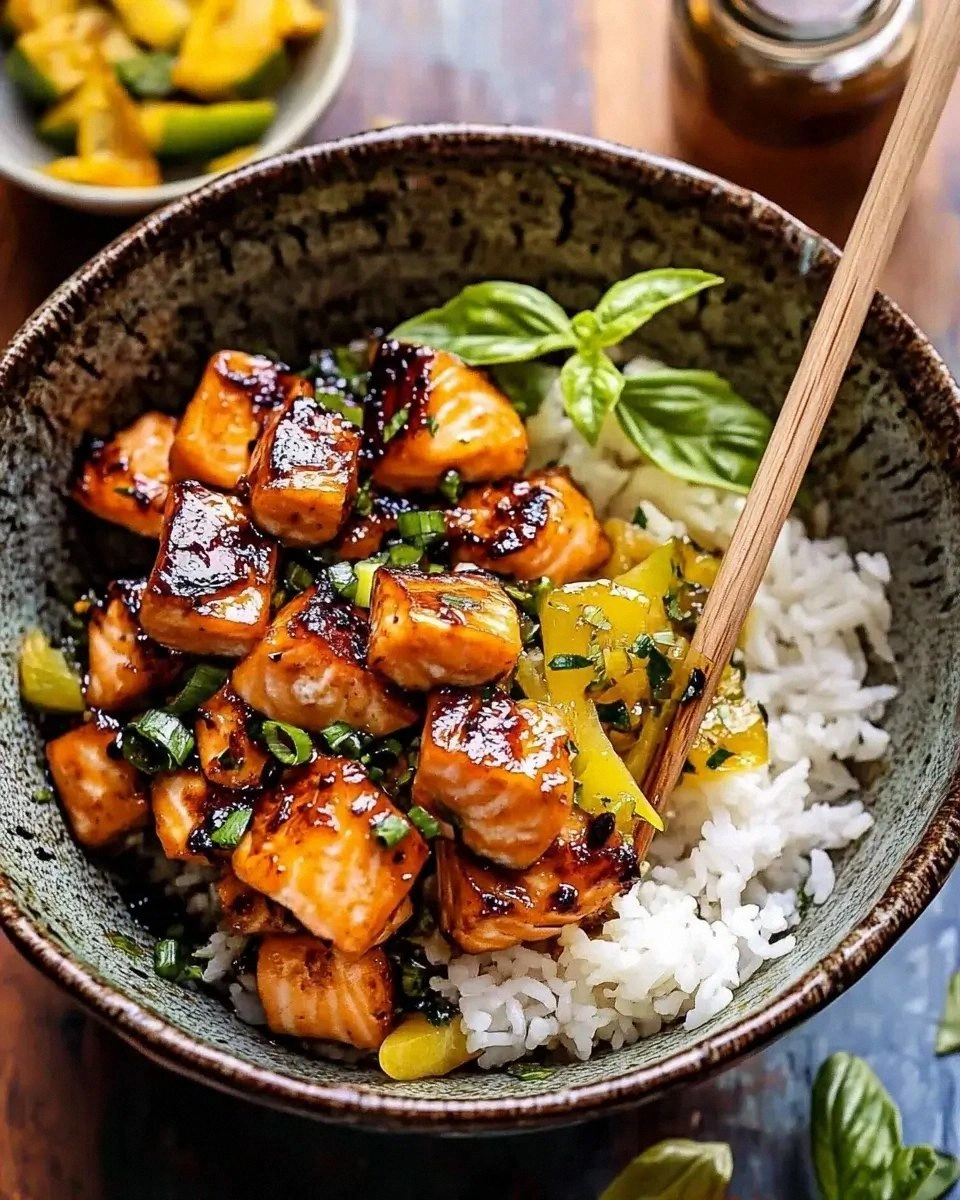
Picture this: the first bite hits you with a crisp, caramelized crust that shatters like thin ice, then melts into a buttery interior that drips honey‑ginger glaze across a bed of fluffy brown rice. The broccoli is still bright green, the carrots add a sweet crunch, and the sesame seeds sprinkle a nutty finish that makes your taste buds do a little happy dance. I’ll be honest — I ate half the batch before anyone else got to try it, and that’s because the sauce coats the salmon like a silk scarf, hugging every curve and edge. Most recipes get this completely wrong, either drowning the fish in sauce or leaving it dry; this version finds the Goldilocks zone where every element shines.
What really sets this bowl apart is a tiny, unexpected trick: I finish the salmon under a broiler for just 90 seconds, creating those razor‑thin, caramelized edges that you can’t get from a stovetop alone. That final blast of heat is the game‑changer that turns a good dish into a show‑stopper, and it’s so simple you’ll wonder why no one told you about it sooner. I dare you to taste this and not go back for seconds—trust me, the cravings are real, and the leftovers are practically a different dish altogether.
If you’ve ever struggled with soggy salmon, uneven seasoning, or a bowl that feels like a random assortment of leftovers, you’re not alone. I’ve spent countless evenings battling those kitchen gremlins, and the solution landed on my cutting board after a midnight experiment with honey and ginger. The secret? A precise balance of sweet, salty, and spice, paired with a cooking method that locks in moisture while delivering that coveted crunch. This version is hands down the best you’ll ever make at home, and I’m about to walk you through every single step — by the end, you’ll wonder how you ever made it any other way.
Okay, ready for the game‑changer? Grab your skillet, your pantry staples, and a sense of adventure. I’ll guide you through the prep, the sizzle, the broil, and the final assembly, sprinkling in a few hacks that will make you look like a culinary wizard. Stay with me here — this is worth it, and the payoff is a bowl that tastes like it was crafted by a Michelin chef who just happened to love comfort food.
What Makes This Version Stand Out
- Flavor Explosion: The honey‑ginger glaze delivers a sweet‑spicy punch that dances on the palate without overwhelming the delicate salmon.
- Texture Symphony: A quick broil creates a crackling crust, while the interior stays buttery, creating a contrast that feels like a culinary orchestra.
- Simplicity: All ingredients are pantry‑friendly; you won’t need a specialty store run to pull this off.
- Uniqueness: The combination of sesame seeds and green onions adds a nutty‑fresh finish that most bowl recipes skip.
- Crowd Reaction: Guests often ask for the recipe within minutes, and the leftovers become the next day’s lunch hero.
- Ingredient Quality: Using wild‑caught salmon and fresh ginger elevates the dish from everyday to extraordinary.
- Cooking Method: The two‑step sear‑then‑broil technique guarantees that perfect crust without drying out the fish.
- Make‑Ahead Potential: The glaze can be pre‑made, and the rice and veggies store beautifully for a quick assembly later.
Inside the Ingredient List
The Flavor Base
Honey is the sweet heart of this bowl, providing caramelization that turns the edges of the salmon into a glossy, amber‑kissed crust. If you substitute agave or maple syrup, expect a slightly different flavor profile—agave stays lighter, while maple adds a deep, woodsy note. Fresh ginger brings a zing that cuts through the richness of the fish, and its aromatic oils become fragrant when heated, turning the glaze into a fragrant veil. Garlic, minced finely, adds a savory depth that balances the sweetness, and when it hits the hot pan, it releases a nutty aroma that makes your kitchen feel like a bistro. Pro tip: Use a microplane for ginger; it creates tiny shreds that melt into the sauce instantly.
The Texture Crew
Salmon fillets, preferably wild‑caught, bring a firm yet flaky texture that holds up under high heat. The 6‑ounce size is perfect for a single serving, ensuring each bite is generous without being overwhelming. Olive oil is the silent partner that prevents sticking and adds a subtle fruitiness, but you could swap it for avocado oil if you prefer a higher smoke point. Brown rice provides a nutty, chewy foundation that soaks up the glaze without turning mushy; its fiber content also adds a satisfying bite. Broccoli florets and shredded carrots contribute crunch and a burst of color, while the green onions add a sharp, oniony bite that lifts the entire bowl.
The Unexpected Star
Sesame seeds may seem like a garnish, but they bring a toasty, slightly bitter note that contrasts beautifully with the sweet glaze. Toast them lightly in a dry skillet for 2‑3 minutes until they turn golden and release a nutty perfume; this step transforms them from a simple sprinkle to a flavor powerhouse. If you’re allergic to sesame, try crushed peanuts or toasted pumpkin seeds for a similar crunch and earthy taste. The soy sauce adds umami depth and a salty backbone, but a low‑sodium version keeps the dish from becoming overly salty.
The Final Flourish
Salt is the quiet hero that amplifies every other flavor, while black pepper adds a subtle heat that lingers on the tongue. A half‑teaspoon is enough to season the fish without making it taste salty; remember, soy sauce already brings sodium to the party. The green onions, added at the end, retain a crisp bite and a fresh, slightly pungent aroma that brightens the whole bowl. Finally, a drizzle of extra honey right before serving can add a glossy finish and a hint of extra sweetness for those who love a sugary kiss.
Everything's prepped? Good. Let's get into the real action…
The Method — Step by Step
Start by patting the salmon fillets dry with paper towels; this tiny ritual removes excess moisture and ensures the glaze adheres perfectly. Season both sides with 1 teaspoon of salt and ½ teaspoon of black pepper, then set aside for a minute while you heat the pan. Heat a large non‑stick skillet over medium‑high heat and add 1 tablespoon of olive oil, swirling to coat the surface evenly.
When the oil shimmers (that’s your cue—think of it as the pan saying “let’s dance”), place the salmon skin‑side down (if it has skin) and let it sear for 3‑4 minutes without moving it. You’ll hear a gentle sizzle that tells you the crust is forming; resist the urge to poke it—let the heat do its magic.
While the salmon sears, whisk together ¼ cup honey, 2 tablespoons soy sauce, 1 tablespoon freshly grated ginger, and 1 tablespoon minced garlic in a small bowl. This mixture should look glossy and slightly thick; if it’s too runny, add a pinch more honey.
Once the salmon has a golden crust and the edges start pulling away (about 3‑4 minutes), flip it gently and drizzle half of the glaze over the top side. Let it cook for another 2 minutes; the glaze will start to caramelize, creating a sweet‑spicy sheen.
Now comes the secret weapon: pre‑heat your broiler to high while the salmon finishes cooking on the stove. Transfer the skillet (or move the fillets to a broiler‑safe pan) to the oven, positioning it about 6 inches from the heating element. Broil for 90 seconds—just long enough for the glaze to bubble and the crust to turn a deep amber without burning.
While the salmon finishes, steam the broccoli florets for 3‑4 minutes until they’re bright green and just tender. Simultaneously, warm the cooked brown rice in a saucepan with a splash of water, fluffing it with a fork to keep the grains separate.
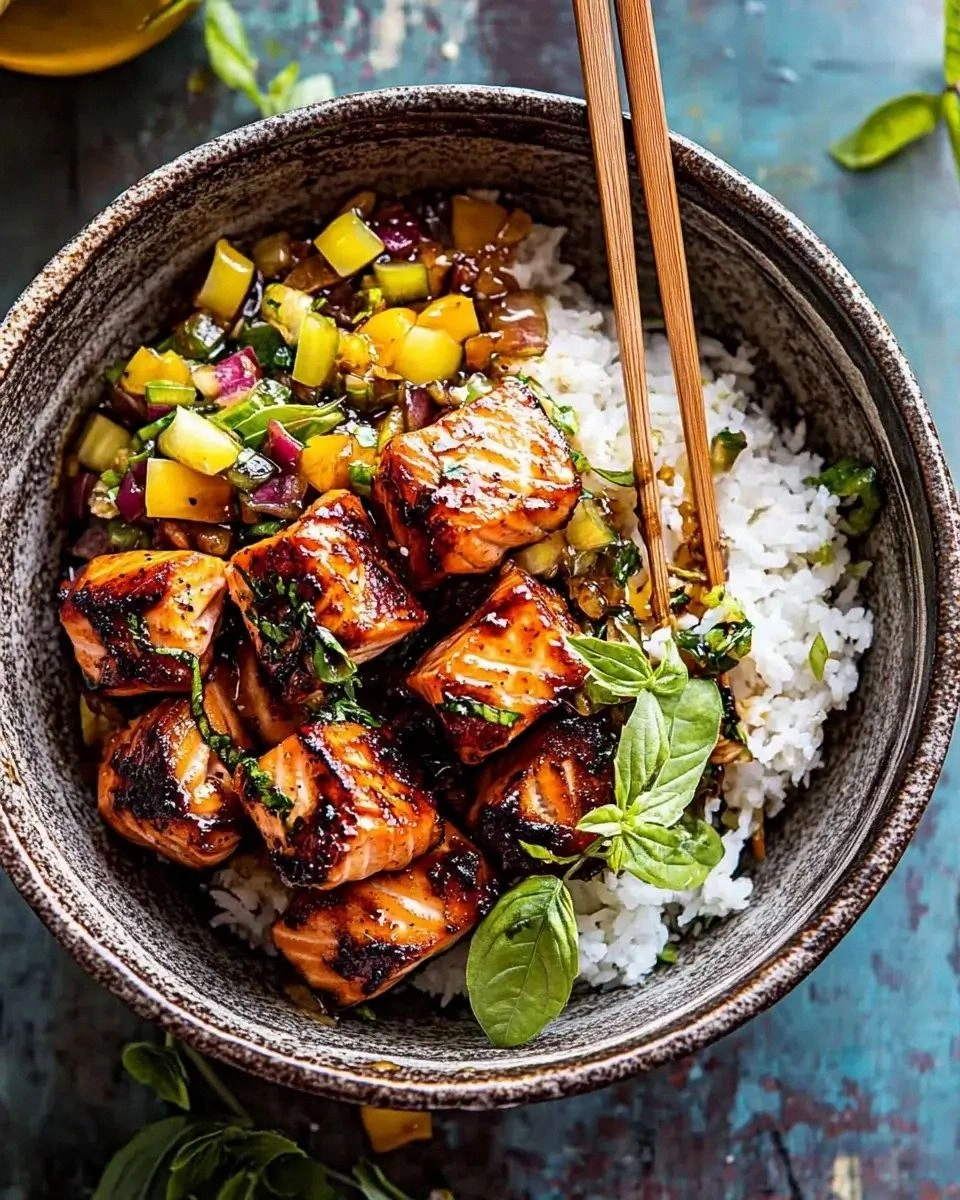
Assemble the bowls: start with a generous scoop of brown rice, layer the steamed broccoli and shredded carrots, then place the crispy salmon on top. Drizzle the remaining glaze over the fish, sprinkle ¼ cup sliced green onions, and finish with 1 tablespoon toasted sesame seeds.
Give the bowl a final squeeze of lemon if you like a bright note, and serve immediately while the crust is still crackling. That first bite? It should deliver a crunchy snap, a sweet‑spicy glaze, and a buttery melt that makes you want to close your eyes and say, “I’m home.”
That's it — you did it. But hold on, I've got a few more tricks that'll take this to another level, especially if you want to impress the picky eaters at your next dinner party.
Insider Tricks for Flawless Results
The Temperature Rule Nobody Follows
Most home cooks start with a hot pan, but the secret is to let the skillet reach exactly 375°F before the salmon hits the surface. Use an infrared thermometer if you have one; this precision prevents the fish from steaming instead of searing. I once tried to “just heat the pan” and ended up with a soggy mess that looked like a failed sushi roll. The right temperature creates that instant crust, sealing in moisture and flavor. Trust the numbers, and your salmon will always have that restaurant‑grade snap.
Why Your Nose Knows Best
Your sense of smell is a better indicator of doneness than any timer. When the glaze starts to emit a caramel aroma and the edges of the fish begin to brown, you’re at the perfect moment to flip. If you’re unsure, lift the fillet slightly; the underside should be a deep, golden brown, not pale. I’ve seen friends overcook salmon because they relied solely on a clock, and the result is dry, flaky disappointment. Let the scent guide you, and you’ll never miss that sweet spot again.
The 5‑Minute Rest That Changes Everything
After broiling, transfer the salmon to a plate and cover loosely with foil for exactly five minutes. This rest period lets the interior fibers relax, preventing the fish from tearing when you slice it. A friend once skipped this step, and the fillet fell apart into a sad, flaky mess—hardly the picture‑perfect bite we’re aiming for. The rest also gives the glaze a chance to settle, so it doesn’t slide off when you serve. Set a timer; five minutes is all it takes for a professional finish.
Sesame Toasting Secrets
Toast the sesame seeds in a dry skillet over medium heat for 2‑3 minutes, shaking the pan frequently. You’ll hear a faint popping sound and see the seeds turn a warm amber; that’s the point where their flavor peaks. If you skip this, the seeds remain raw and can taste bitter, ruining the balance of the dish. I once added them straight from the jar and the bowl felt flat; after toasting, the nutty aroma lifted the entire flavor profile.
Rice Fluffing Mastery
When reheating the brown rice, add a splash of water—about a tablespoon per cup—and cover the pot for 2 minutes. The steam revives the grains, preventing them from drying out and turning gummy. I’ve rescued countless bowls where the rice turned into a paste by using this simple steam trick. It also helps the rice absorb the remaining glaze, making each bite cohesive.
Creative Twists and Variations
This recipe is a playground. Here are some of my favorite ways to switch things up:
Spicy Sriracha Kick
Stir a tablespoon of sriracha into the honey‑ginger glaze for a fiery twist that still respects the sweet base. The heat pairs beautifully with the cool crunch of cucumber slices, which you can add as a fresh topping. Ideal for those who love a little burn with every bite.
Tropical Coconut Curry
Replace the honey with coconut milk and add a teaspoon of curry powder to the glaze. This creates a creamy, aromatic sauce that transports you to a beachside shack. Top with toasted coconut flakes for extra crunch.
Mediterranean Herb Remix
Swap soy sauce for a splash of lemon juice and add chopped fresh dill and oregano to the glaze. Use quinoa instead of brown rice, and toss in kalamata olives for a briny contrast. This version feels like a Mediterranean lunch on a plate.
Veggie‑Only Power Bowl
Omit the salmon and double the broccoli, carrots, and add roasted sweet potatoes. Use tofu cubes marinated in the same glaze for a plant‑based protein punch. The tofu crisps up nicely under the broiler, giving you that same satisfying snap.
Nuts About Crunch
Add a handful of chopped toasted almonds or cashews just before serving. The nuts introduce a buttery richness that complements the sesame seeds and adds an extra textural layer. Perfect for nut lovers who crave that extra crunch.
Storing and Bringing It Back to Life
Fridge Storage
Place the cooked salmon, rice, and veggies in separate airtight containers to keep textures distinct. The glaze can be stored in a small jar; it stays fresh for up to three days. When you’re ready to eat, reheat the salmon gently in a skillet over medium heat, adding a splash of water to prevent drying.
Freezer Friendly
Freeze the salmon fillets and glaze together in a zip‑top bag; the sauce protects the fish from freezer burn. Cooked rice and veggies also freeze well—just portion them into freezer‑safe containers. To reheat, thaw overnight in the fridge, then finish under the broiler for 2 minutes to revive that crispy crust.
Best Reheating Method
The secret to bringing this bowl back to life is steam. Add a tiny splash of water (about a tablespoon) to the pan before reheating the salmon, cover, and warm over low heat for 3‑4 minutes. This creates a gentle steam that revives the glaze and prevents the fish from turning rubbery. For the rice, use the same water‑steam trick, and the veggies can be quickly tossed in a hot skillet with a drizzle of oil.