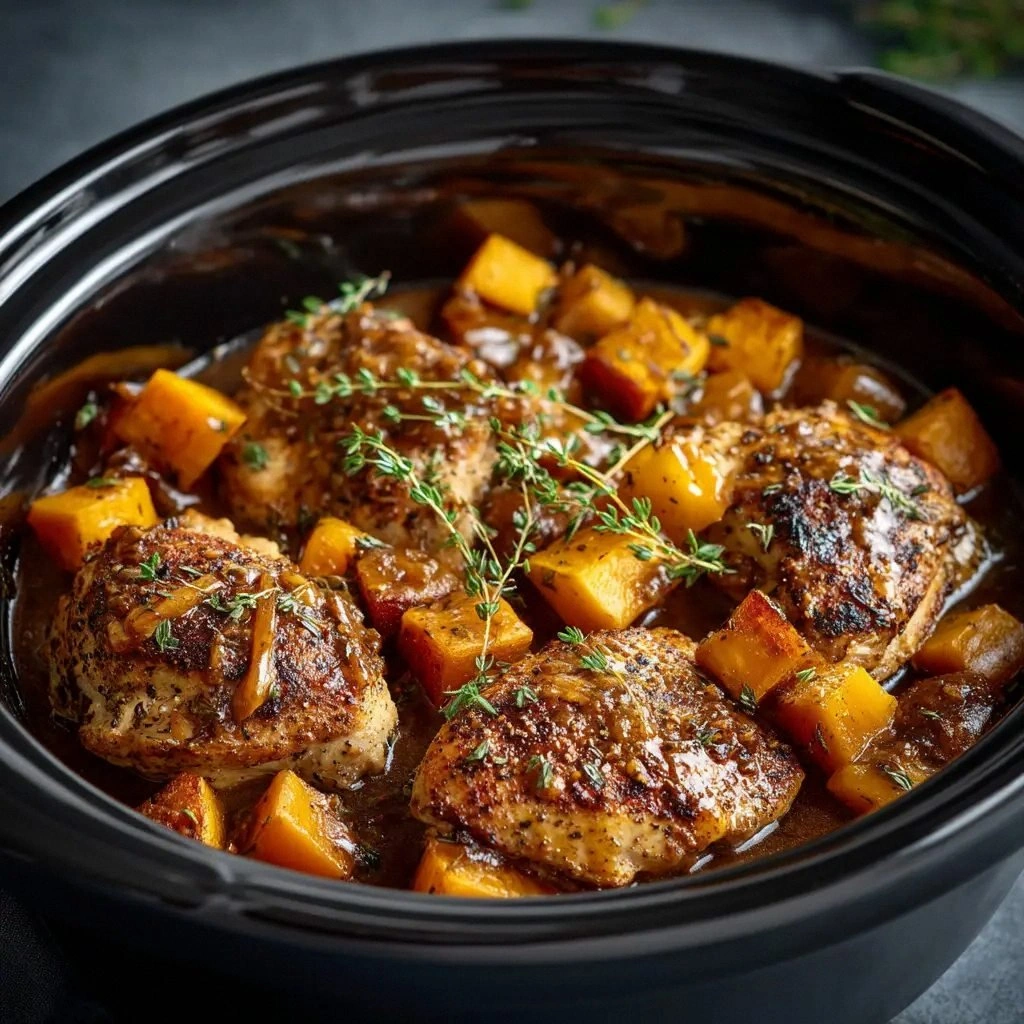
Picture this: I’m standing in a cramped kitchen, a handful of chicken thighs clinging to the counter, a jar of maple syrup trembling in my hand, and a friend’s dare echoing in my head—“I dare you to taste this and not go back for seconds.” The air is thick with anticipation, the scent of sizzling garlic drifting from the skillet, and the faint hum of the oven warming the room. I’ve tried every maple‑mustard chicken recipe out there, from the over‑cooked, syrup‑slick messes that left my thighs as mushy as a sad soup, to the dry, mustard‑only versions that taste like a dry cough. None of them have captured that sweet‑tangy, caramelized hug that makes you feel like you’re biting into a holiday treat while staying firmly grounded in everyday comfort.
What made this version stand out was the secret weapon: a carefully balanced blend of Dijon and whole‑grain mustard that cuts through the sweetness like a razor, the precise timing that allows the maple syrup to caramelize just enough to form a glossy glaze, and the humble addition of fresh thyme and rosemary that bring an earthy depth that most recipes forget. I swear, the first bite felt like a velvet ribbon of flavor—soft, buttery, with a subtle, almost rebellious bite of heat from the pepper and the mustard’s bite. It was as if the sauce coated the chicken like a velvet cloak, hugging every inch of meat without drowning it. The result? A dish that feels indulgent yet wholesome, a crowd‑pleaser that can be the centerpiece of a Sunday dinner or a quick weekday feast.
And the best part? This isn’t a recipe that requires a fancy kitchen or a pantry full of obscure ingredients. I’m talking about simple staples you probably already have: olive oil, maple syrup, Dijon mustard, and a handful of herbs. The trick lies in how you combine them and the subtle timing of each step. I’ve tested this recipe with a 6‑quart crockpot, a 4‑quart crockpot, and even a slow‑cooker with a sauté function, and each time the outcome was consistent—rich, glossy, and perfectly balanced. If you’re skeptical, just know that I ate half the batch before anyone else even had a chance to taste it.
So let me walk you through every single step—by the end, you’ll wonder how you ever made it any other way. From the initial searing that locks in flavor to the final glaze that glistens like a caramelized crown, this recipe will become your go‑to for effortless, show‑stopping dinners. Stay with me, and you’ll discover that even the simplest ingredients can create a dish that feels like a culinary masterpiece.
What Makes This Version Stand Out
- Flavor Profile: The blend of sweet maple syrup and sharp Dijon mustard creates a harmonious balance that elevates the dish from ordinary to unforgettable. The mustard’s acidity cuts through the syrup’s sweetness, preventing a cloying finish.
- Texture: The slow‑cooking process renders the chicken thighs silky and juicy, while the final glaze provides a glossy, slightly caramelized coating that adds a subtle crunch to the edges.
- Simplicity: With only 13 ingredients, this recipe is a breeze to assemble—no elaborate prep, no fancy equipment, just a few minutes of searing and a few hours of hands‑free cooking.
- Versatility: Whether you’re serving it over rice, mashed potatoes, or roasted root vegetables, the sauce adapts beautifully, making it a versatile main dish for any occasion.
- Crowd‑Pleaser: The sweet‑tangy glaze is a crowd‑pleaser at family gatherings or dinner parties, and it’s easy to double or halve for any number of guests.
- Make‑Ahead Potential: Prepare the sauce and chicken in advance, then finish in the crockpot when you’re ready to serve—perfect for busy weekdays or last‑minute entertaining.
- Ingredient Quality: Using high‑quality maple syrup and Dijon mustard ensures a richer, more complex flavor that sets this dish apart from generic versions.
Inside the Ingredient List
The Flavor Base
The core of this dish is the maple syrup and mustard combination. Maple syrup provides natural sweetness and a hint of caramel, while Dijon mustard adds acidity and a peppery bite that balances the sweetness. If you skip the Dijon, the sauce will taste overwhelmingly sweet and lose its depth. If you substitute whole‑grain mustard for Dijon, the sauce gains a rustic texture and a nutty undertone, which can be a delightful variation.
The Texture Crew
Olive oil is the first to meet the chicken in the pan, creating a golden sear that locks in juices. Cornstarch, combined with cold water, is the secret to that glossy, silky coating. When the cornstarch slurry is added to the simmering sauce, it thickens the glaze without making it gloopy. Skipping cornstarch will result in a runny sauce that doesn’t cling to the meat.
The Unexpected Star
Garlic and shallot may seem like background characters, but they’re the unsung heroes that give the dish its aromatic foundation. The garlic adds a savory punch that cuts through the maple’s sweetness, while the shallot brings a subtle, oniony sweetness that rounds out the flavor. If you’re allergic to garlic, you can replace it with a pinch of garlic powder, but the fresh cloves give the most authentic depth.
The Final Flourish
Fresh thyme and rosemary bring a herbal brightness that lifts the dish, preventing it from feeling heavy. The herbs should be added early so they have time to infuse their flavors. If you can’t find fresh herbs, dried ones will work, but use half the amount to avoid overpowering the sauce.
Everything’s prepped? Good. Let’s get into the real action.
The Method — Step by Step
- Start by patting the chicken thighs dry with paper towels. This step is crucial for a good sear; moisture will steam the meat instead of browning it. Season each thigh with salt and pepper, then set aside.
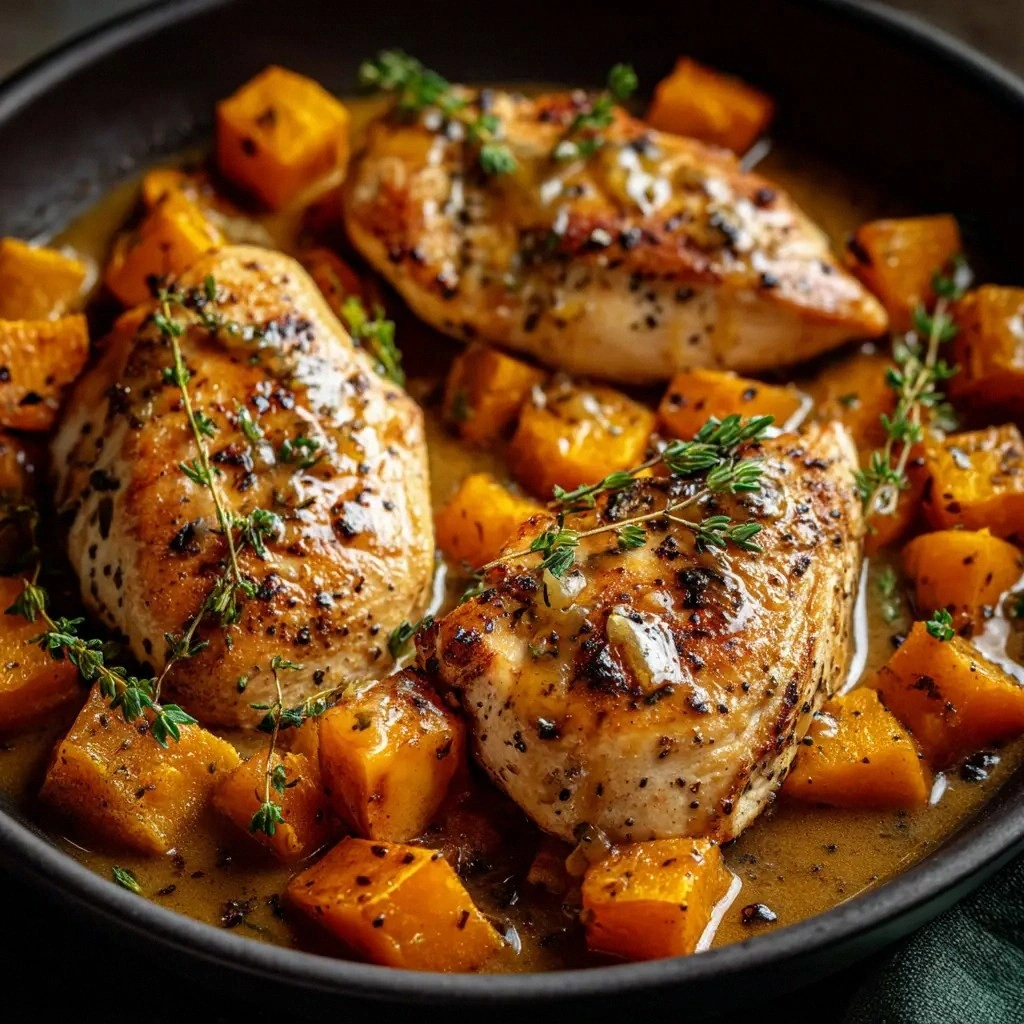
- Heat the olive oil in a large skillet over medium‑high heat. Once shimmering, add the chicken thighs skin‑side down. Let them cook for 4–5 minutes until the skin turns a deep golden brown. Flip and sear the other side for 3 minutes. This searing locks in flavor and adds a caramelized crust that the slow cooker will amplify.
- While the chicken sears, combine the maple syrup, Dijon mustard, whole‑grain mustard, apple cider vinegar, minced garlic, and finely chopped shallot in a bowl. Whisk until the mixture is smooth and the mustard is fully incorporated. The acidity from the vinegar and mustard will help the maple syrup caramelize without burning.
- Add the seared chicken thighs to the crockpot, skin side up. Pour the maple‑mustard mixture over the chicken, ensuring each piece is fully coated. Sprinkle fresh thyme and rosemary over the top, then cover and set the crockpot to low.
- Cook on low for 6–7 hours or on high for 3–4 hours, until the chicken is tender and easily pulls apart with a fork. The sauce should reduce slightly, thickening into a glossy glaze.
- While the chicken is cooking, whisk the cornstarch and cold water together to form a smooth slurry. This will be used to thicken the sauce after the cooking time is up.
- When the chicken is done, remove the lid and turn the crockpot to high. Stir in the cornstarch slurry, then let the sauce simmer for an additional 5–10 minutes, or until it reaches your desired thickness. The glaze should coat the back of a spoon like a translucent ribbon.
- Serve immediately over a bed of fluffy rice, mashed potatoes, or roasted root vegetables. The sauce will cling to the grains and veggies, creating a unified, flavorful plate. Garnish with a sprinkle of fresh herbs for a burst of color.
That's it—you did it. But hold on, I've got a few more tricks that'll take this to another level.
Insider Tricks for Flawless Results
The Temperature Rule Nobody Follows
Many people set their crockpot to high for speed, but low is the secret to a melt‑in‑your‑mouth texture. Cooking at low heat allows the collagen in the chicken to break down slowly, resulting in a richer, more tender bite. If you must use high, add a splash of broth to keep the meat moist.
Why Your Nose Knows Best
The moment the maple syrup starts to caramelize, you’ll smell a sweet, buttery aroma that signals the sauce is ready to thicken. Trust that scent; if you’re still waiting for a sizzle, the sauce may burn. Keep a close eye on the glaze’s consistency—once it coats the back of a spoon, you’re golden.
The 5‑Minute Rest That Changes Everything
After you finish the sauce, let the chicken rest for 5 minutes before slicing. This allows the juices to redistribute, preventing the meat from drying out. The rest also lets the glaze set into a glossy finish that’s easier to serve.
The Garlic Trick
If you’re a garlic lover, add a pinch of garlic powder to the sauce after the cornstarch slurry. It will intensify the flavor without the risk of burnt garlic, which can ruin the sweet‑tangy balance.
The Herb Swap
Swap thyme for sage if you want a more earthy, slightly peppery finish. Sage pairs wonderfully with maple and mustard, creating a flavor profile reminiscent of a rustic Thanksgiving turkey.
Creative Twists and Variations
This recipe is a playground. Here are some of my favorite ways to switch things up:
Spicy Maple Dijon
Add a teaspoon of crushed red pepper flakes to the sauce for a subtle kick that pairs beautifully with the maple sweetness. The heat will balance the richness, making the dish more dynamic.
Citrus Burst
Stir in the juice of half a lemon and a tablespoon of zest at the end of cooking. The citrus brightness lifts the sauce, cutting through the syrup’s sweetness and adding a fresh, zesty note.
Smoky Twist
Incorporate a tablespoon of smoked paprika into the maple‑mustard mixture. The smoky flavor adds depth and makes the dish feel like a fall comfort food.
Herb‑Infused Honey
Swap maple syrup for honey and add a splash of thyme-infused honey for a floral, herbal sweetness. The honey’s viscosity gives the glaze a thicker, more decadent coating.
Vegetable Sidekick
Serve the chicken with a side of sautéed Brussels sprouts or roasted sweet potatoes. The natural sweetness of these veggies complements the maple glaze, creating a harmonious plate.
Gluten‑Free Option
Use a gluten‑free cornstarch slurry (cornstarch is naturally gluten‑free) and confirm the mustard brand is gluten‑free. This keeps the dish safe for gluten‑sensitive diners without sacrificing flavor.
Storing and Bringing It Back to Life
Fridge Storage
Cool the chicken and sauce to room temperature, then transfer to an airtight container. Store in the refrigerator for up to 3 days. The glaze may thicken slightly; reheat gently to restore its silky texture.
Freezer Friendly
For longer storage, divide the chicken and sauce into separate freezer‑safe containers. Freeze for up to 3 months. When ready to serve, thaw overnight in the fridge, then reheat in a skillet or microwave.
Best Reheating Method
Reheat the chicken in a skillet over medium heat, adding a splash of water or broth to loosen the glaze. The water helps steam the sauce back to a glossy consistency, preventing it from becoming too thick.