I still remember the night I tried to make a Greek spinach pie for the first time and ended up with a kitchen that looked like a battlefield. The smell of onions sizzling, garlic burning a little, and the faint citrus of lemon zest drifting through the air made me feel like a culinary gladiator. My friends were watching, laughing, and whispering that I was about to create a masterpiece. When I pulled the golden triangles out of the oven, the steam curled around me like a warm embrace, and I realized this was more than a recipe; it was a revelation. That moment of triumph felt so electric that I couldn't keep it to myself, and now I’m thrilled to share every nuance, every secret, and every delicious detail that turns a simple dish into an unforgettable experience.
If you’ve ever struggled with phyllo dough, you know the frustration of it tearing or the disappointment of a soggy center. This version tackles those pitfalls head‑on by using a precise butter‑to‑oil ratio that keeps the layers crisp without over‑drying. The spinach isn’t just a filler; it’s the backbone that gives the pie a vibrant green hue and a subtle earthiness that balances the sharp feta. The dill and nutmeg are the unexpected stars that add a whisper of freshness and a hint of warmth, turning an ordinary pie into a symphonic dish. I dare you to taste this and not go back for seconds because once you experience that perfect blend of textures, you’ll never settle for anything else.
Picture yourself pulling the tray from the oven, the kitchen smelling of melted butter, roasted onions, and a faint citrus tang that makes every inhale feel like a promise of flavor. Imagine the first bite: a crisp, flaky shell that cracks like a shell of an egg, revealing a creamy, herby filling that melts in your mouth. The contrast between the crunchy exterior and the silky interior is nothing short of a culinary paradox that delights the senses. I’ve spent countless hours experimenting with ratios, timing, and even the type of phyllo, and this particular combination is hands down the best version you’ll ever make at home. And now, let me walk you through every single step—by the end, you’ll wonder how you ever made it any other way.
Most recipes get this completely wrong by over‑cooking the spinach or under‑seasoning the filling, leading to a bland, soggy pie that feels like a disappointment. The secret lies in balancing moisture and flavor, and I’ll show you exactly how to do it. From the first sizzle of onions to the final golden crisp, each moment is designed to build layers of taste that linger on the palate. If you’ve ever struggled with phyllo, you’re not alone—this recipe includes a fix that keeps every triangle intact. I’ll also reveal a technique that ensures the filling stays moist without turning the pastry soggy, a trick I discovered after a few trial runs that ended in culinary catastrophes. Trust me, the payoff is worth every ounce of effort.
Okay, ready for the game‑changer? The next step is where the magic happens: layering the phyllo with a butter‑oil blend that creates a buttery, golden crust while keeping the layers from sticking together. The filling, a medley of spinach, feta, onions, garlic, dill, and a whisper of nutmeg, is seasoned to perfection, giving each triangle a burst of flavor that’s both comforting and adventurous. You’ll see that the key to a flawless pie lies in the details—how you fold the phyllo, how you sauté the onions, and how you let the filling rest before baking. Stay with me here—this is worth it.
What Makes This Version Stand Out
- Flavor: The combination of feta, dill, and nutmeg creates a complex profile that balances salty, herbaceous, and warm tones.
- Texture: The phyllo achieves a crispness that feels almost buttery, while the filling remains moist and creamy.
- Simplicity: No fancy tools or obscure ingredients—just pantry staples and a handful of herbs.
- Uniqueness: The addition of lemon zest and a pinch of nutmeg gives this pie a subtle brightness that sets it apart.
- Crowd Reaction: Guests rave about the flaky edges that shatter like thin ice and the creamy center that melts in the mouth.
- Ingredient Quality: Fresh spinach and high‑quality feta elevate the dish to restaurant‑grade flavor.
- Cooking Method: A precise butter‑oil blend prevents sogginess without over‑drying the phyllo.
- Make‑ahead Potential: Assemble the pie, refrigerate, and bake when ready—great for parties or meal prep.
Alright, let's break down exactly what goes into this masterpiece...
Inside the Ingredient List
The Flavor Base
Onion and garlic are the aromatic foundation of this pie. They create a savory backdrop that lifts the feta and spinach. Sautéing them until they’re translucent releases their natural sugars, giving the filling a sweet undertone that balances the saltiness of the cheese. If you skip this step, the filling feels flat and lacks depth, and the overall dish becomes a one‑note experience.
The Texture Crew
Phyllo dough is the hero that delivers that coveted flaky crunch. It’s essential to keep it at room temperature; otherwise, it will tear or become brittle. Butter or olive oil is the secret to crispness—using a mix ensures the phyllo browns evenly without drying out. A pinch of salt on the dough prevents it from becoming too greasy, while the lemon zest adds a bright, almost citrusy lift that keeps the filling from feeling heavy.
The Unexpected Star
Nutmeg is a subtle but powerful addition that brings warmth and depth to the filling. A tiny pinch can transform the pie from ordinary to extraordinary, creating a comforting, almost nostalgic aroma. If you’re not a fan of nutmeg, a dash of ground cinnamon can be a fun alternative, though the flavor profile will shift slightly. The key is to use it sparingly; too much can overpower the delicate balance of flavors.
The Final Flourish
Fresh dill offers a burst of herbal freshness that cuts through the richness of feta and butter. Its bright green color also adds a visual pop to the finished pie. When combined with lemon zest, dill creates a bright, herbaceous finish that lingers on the palate. Skipping dill might make the pie feel dull; the herb is the finishing touch that elevates the dish to a higher level.
Everything's prepped? Good. Let's get into the real action...
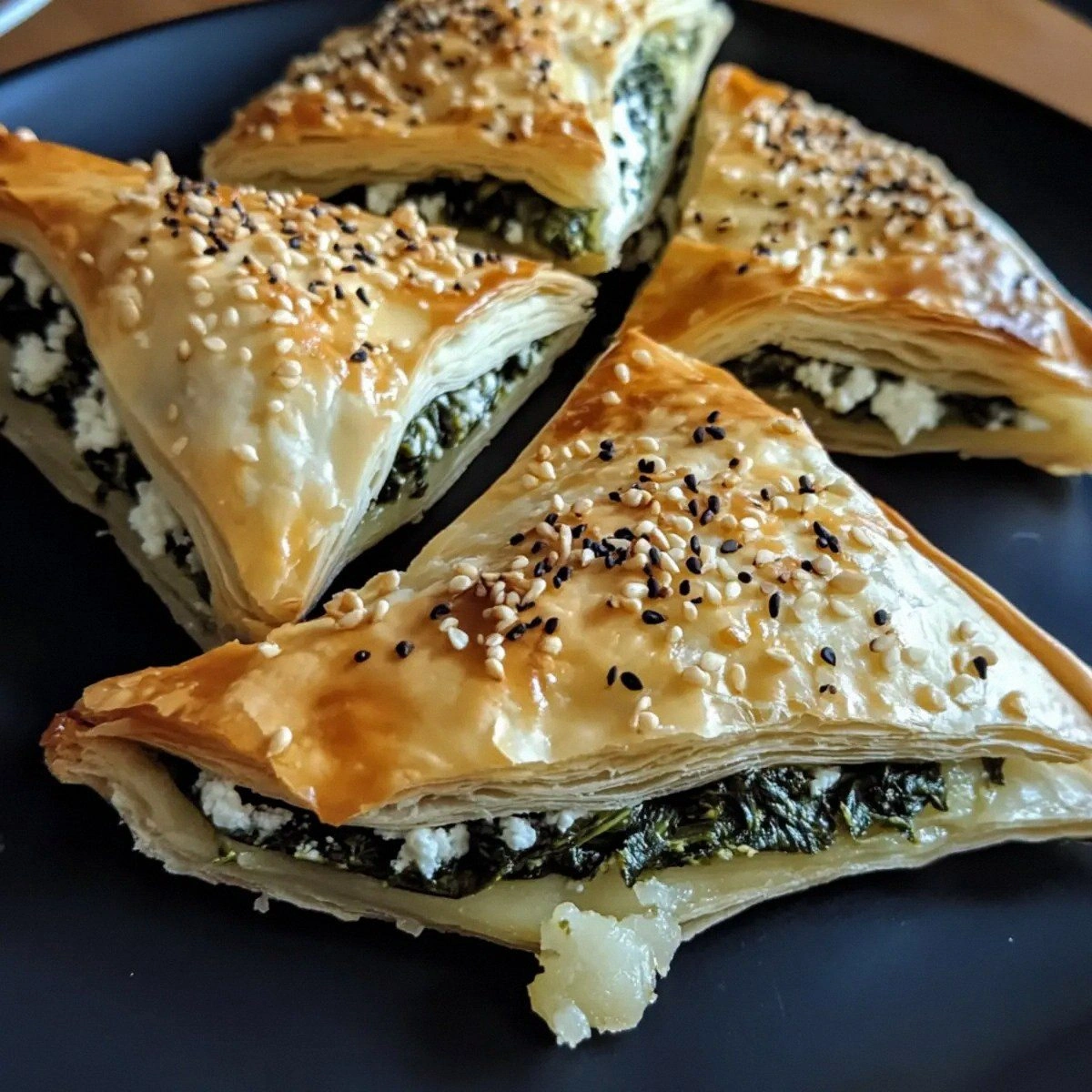
The Method — Step by Step
- Preheat your oven to 375°F (190°C). Line a baking sheet with parchment paper to prevent sticking. This ensures even heat distribution and a clean finish. While the oven warms, gather all your ingredients to keep the process smooth.
- In a large skillet, melt 2 tablespoons of butter with 2 tablespoons of olive oil over medium heat. Add the finely chopped onion and sauté until translucent, about 4-5 minutes. The mixture should emit a sweet aroma; if it starts to brown too quickly, reduce the heat.
- Add 2 cloves of minced garlic to the skillet and cook for an additional 30 seconds until fragrant. Be careful not to let the garlic burn, as it will taste bitter. This step creates a fragrant base that will permeate the filling.
- Tear 6 cups of fresh spinach into bite‑sized pieces and add them to the skillet. Cook until the spinach wilts, about 3-4 minutes, stirring occasionally. The spinach should reduce in volume but remain bright green.
- Remove the skillet from heat and stir in 1.5 cups of crumbled feta, 2 tablespoons of chopped dill, a pinch of nutmeg, and the zest of one lemon. Mix until the feta melts slightly, creating a creamy base. Season with salt and pepper to taste, but remember that the phyllo will absorb some salt.
- Lay a sheet of phyllo dough on a clean surface and brush it lightly with melted butter‑oil blend. Place another sheet on top, brush again, and repeat until you have 8 layers. The layering creates the signature flaky texture.
- Cut the phyllo stack into 12 equal triangles using a sharp knife or pizza cutter. Each triangle should be roughly 4 inches wide at the base. This uniformity ensures even baking.
- Spoon about 1 tablespoon of the spinach‑feta filling onto the center of each triangle. Fold the edges over the filling, forming a small pocket. Press the edges together to seal, ensuring the filling stays inside during baking.
- Arrange the sealed triangles on the prepared baking sheet, spacing them slightly apart. Brush the tops with a little more melted butter to promote browning. This step is crucial for a golden, crispy finish.
- Bake in the preheated oven for 20-25 minutes, or until the phyllo turns a golden brown and the filling is heated through. Keep an eye on the edges; they should pull away slightly from the parchment, indicating crispness. When done, remove from the oven and let them cool for 5 minutes before serving.
That's it — you did it. But hold on, I've got a few more tricks that'll take this to another level...
Insider Tricks for Flawless Results
The Temperature Rule Nobody Follows
Many cooks bake at a lower temperature, hoping to keep the filling moist, but this often results in a soggy interior. I’ve found that a steady 375°F (190°C) gives the phyllo enough time to crisp while the filling warms through without drying out. If you’re using a convection oven, lower the temperature by 25°F (14°C) to avoid over‑browning. This trick ensures every triangle is golden on the outside and perfectly warm inside.
Why Your Nose Knows Best
Smell is a powerful indicator of doneness. As the pie bakes, the aroma of melted butter and roasted onions should become unmistakably buttery. If the scent is still raw, give it a few more minutes. Conversely, if the smell turns overly sharp, the pie is likely overcooked. Trust your nose; it’s the most reliable judge of flavor.
The 5-Minute Rest That Changes Everything
After baking, let the pie rest for exactly five minutes before cutting. This short pause allows the filling to set, preventing it from oozing out of the phyllo. It also lets the edges firm up slightly, giving you a clean slice. I once skipped this step and ended up with a messy, collapsed triangle. Lesson learned: patience pays off.
Use Fresh Herbs for a Bright Finish
While dried dill works, fresh dill adds a vibrant color and a brighter flavor profile. The essential oils in fresh herbs release during baking, enhancing the overall aroma. If you’re short on time, a handful of dried herbs can suffice, but aim for fresh for the best experience.
Seal the Edges with a Pinch of Flour
Before sealing each triangle, lightly dust the edges with a pinch of flour. This prevents the filling from seeping out during baking and adds a subtle crispness to the corners. The flour also helps the butter stick better, creating a more uniform golden crust. A simple trick that makes a noticeable difference.
Creative Twists and Variations
This recipe is a playground. Here are some of my favorite ways to switch things up:
Mediterranean Mushroom Spinach
Swap the spinach for a mix of sautéed mushrooms and spinach. Add a splash of white wine while cooking the mushrooms to deepen the flavor. The result is a richer, umami‑laden pie that pairs well with a crisp white wine.
Smoky Paprika Feta
Stir in a teaspoon of smoked paprika with the feta for a subtle smoky undertone. This variation adds depth and pairs wonderfully with grilled lamb or chicken. The smoky flavor also complements the nutmeg’s warmth.
Roasted Red Pepper Delight
Blend roasted red peppers into the filling for a sweet, smoky flavor. The peppers add a pop of color and a mild heat that balances the feta’s saltiness. This version works great as a vegetarian side dish.
Herb‑Infused Olive Oil
Infuse your olive oil with fresh oregano and thyme before brushing the phyllo. The herbs permeate the pastry, creating a fragrant, savory crust. This trick adds complexity without altering the core filling.
Crispy Spinach Chips
Use leftover phyllo strips, brush with butter, and bake until crispy. Toss the chips with a sprinkle of feta and lemon zest for a quick appetizer. They’re perfect for a snack or to add crunch to salads.
Bacon‑Laced Spinach
Add crumbled bacon to the filling for a smoky, savory twist. The bacon’s fat enriches the filling, giving it a luxurious mouthfeel. This variation is ideal for brunch or a hearty lunch.
Storing and Bringing It Back to Life
Fridge Storage
Store leftover triangles in an airtight container in the refrigerator for up to 3 days. The phyllo may soften slightly, but reheating restores crispness. Place a paper towel under the triangles to absorb excess moisture.
Freezer Friendly
For longer storage, freeze the assembled triangles on a parchment‑lined tray. Once solid, transfer them to a freezer bag. They’ll keep for up to 2 months. When ready to eat, bake directly from frozen at 375°F (190°C) for 15 minutes.
Best Reheating Method
To reheat, preheat the oven to 350°F (175°C). Place the triangles on a baking sheet and warm for 8-10 minutes, or until hot and crispy. Add a tiny splash of water to the pan before reheating; the steam will keep the filling moist and prevent it from drying out.