I still remember the night I tried to impress a group of friends with a quick bite that would have to look fancy, taste fresh, and be a conversation starter. I pulled out a bag of rice paper, some pre‑cooked noodles, and a handful of herbs I had just bought from the market. I thought, “Sure, I can roll these up and serve them with a sauce.” I was wrong. The first roll I tried had a soggy wrapper, a bland filling, and the sauce was so thick it clung to the rolls like a bad idea. The room fell silent, then erupted into laughter. That disaster turned into a quest, a culinary detective story that led me to the ultimate version of Vietnamese spring rolls, the kind that makes your taste buds do a happy dance.
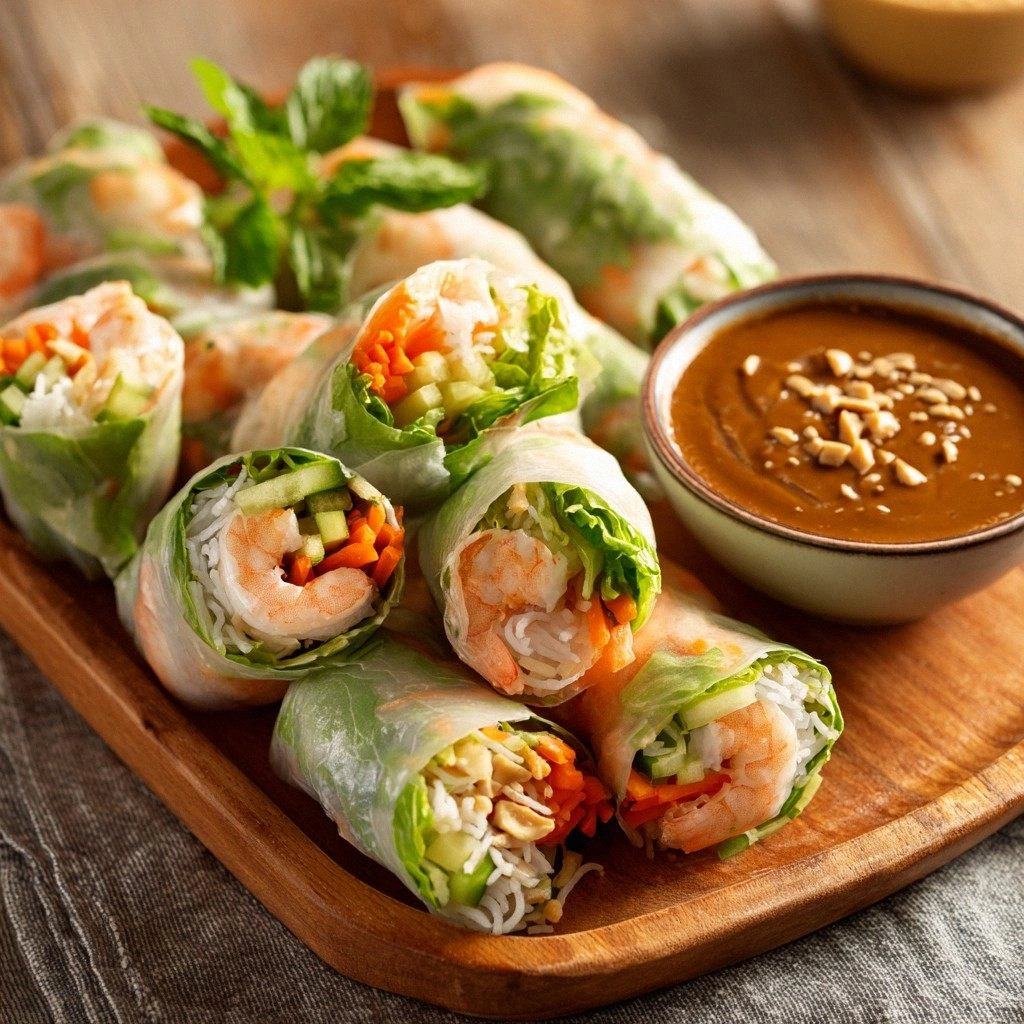
Picture this: a bright, airy kitchen, the scent of fresh mint and cilantro cutting through the air, the sound of a skillet sizzling as you stir the sauce, and the feel of warm, pliable wrappers in your hands. The moment you dip a roll into that silky peanut sauce, the flavor explodes—sweet, salty, a hint of citrus, and a whisper of heat that lingers on the tongue. The crunch of cucumber and carrot, the softness of rice noodles, the juicy shrimp—every bite is a bite of sunshine. You can almost hear the applause from your friends when they taste it. That’s the experience I want to share with you.
What makes this version stand out is not just the ingredients, but the way they come together. I’ve refined the technique, added a twist to the sauce, and discovered that the right amount of herbs is the secret sauce. I dare you to taste this and not go back for seconds. I’m talking about a roll that’s light, crisp, and bursting with flavor, and I’ll walk you through every single step—by the end, you’ll wonder how you ever made it any other way.
If you’ve ever struggled with getting the wrappers just right, or if you’re tired of the same old dipping sauce that feels like a generic salad dressing, you’re in the right place. I’ve spent countless hours experimenting, and I’ve distilled the process into a recipe that’s simple yet spectacular. The best part? It’s entirely fresh—no pre‑made sauces or frozen wrappers. I’ll show you how to make each component from scratch, how to layer the flavors, and how to roll like a pro. Let’s dive in.
What Makes This Version Stand Out
- Taste: The sauce is a balanced symphony of sweet, salty, umami, and citrus. It coats the roll like velvet, leaving a lingering finish that keeps you coming back for more.
- Texture: Every bite delivers a crisp snap from the cucumber, a silky chew from the noodles, and a juicy burst from the shrimp—all without the wrapper turning soggy.
- Simplicity: The recipe requires no fancy tools—just a clean cutting board, a shallow dish, and a steady hand. You’ll be able to whip these up in under an hour.
- Uniqueness: A subtle twist of toasted sesame seeds in the sauce adds nutty depth, and the use of fresh basil brings an unexpected aromatic layer.
- Crowd Reaction: Friends who taste these rolls often say they’ve never had spring rolls that taste so fresh and vibrant. The feedback is consistently rave.
- Ingredient Quality: Using only the freshest herbs and shrimp guarantees a flavor that’s bright and clean, no artificial additives needed.
- Cooking Method: The technique of soaking wrappers just enough to make them pliable without over‑softening is the key to that perfect bite.
- Make‑Ahead Potential: You can assemble the rolls a few hours ahead and keep them wrapped in a damp cloth; they’ll stay fresh until you’re ready to serve.
Inside the Ingredient List
The Flavor Base
The sauce is the heart of this roll. It starts with a generous scoop of creamy peanut butter, which provides a rich, nutty foundation. Adding hoisin sauce gives a subtle sweetness that balances the savory notes, while soy sauce injects umami. The bright zing from fresh lime juice cuts through the richness, and a dash of minced garlic adds depth. Finally, a pinch of chili flakes introduces a gentle heat that lingers without overpowering. If you prefer a lighter sauce, replace half the peanut butter with coconut milk for a tropical twist.
The Texture Crew
Rice vermicelli noodles bring a chewy, silky texture that contrasts beautifully with the crisp veggies. Cook them according to package instructions, rinse under cold water, and drain well. Shrimp, pre‑cooked and peeled, offers a juicy burst of protein. If you’re vegetarian, swap shrimp for sliced grilled tofu or thinly sliced pork for a richer flavor. Fresh lettuce leaves act as the first layer, providing a subtle crunch and a neutral canvas for the fillings.
The Unexpected Star
Fresh herbs are the unsung heroes of Vietnamese cuisine. Mint adds a cooling sweetness that pairs well with the heat from chili flakes. Cilantro offers a sharp, citrusy bite, while basil brings a sweet, slightly spicy aroma. If you’re a fan of spicy, add a few slices of fresh red pepper. These herbs are not just garnish; they elevate the entire roll, turning each bite into a layered experience.
The Final Flourish
Cucumber and carrot add crunch and color, while bean sprouts provide a fresh, earthy note. These vegetables should be thinly sliced or julienned so they fit neatly inside the wrapper without bulking up. A splash of lime juice tossed with the veggies just before rolling brightens the overall flavor. If you’re feeling adventurous, add thinly sliced radishes for an extra pop of heat and a beautiful pink hue.
Everything’s prepped? Good. Let’s get into the real action.
The Method — Step by Step
- Soak the rice paper wrappers. Fill a shallow dish with warm water. Dip each wrapper for 5–10 seconds until pliable but not fully softened. Lay them flat on a damp towel to keep them from drying out. This step is crucial; if they’re too stiff, you’ll tear them, and if they’re too soft, they’ll collapse. Keep them moist until you’re ready to roll.
- Prepare the filling. Arrange the lettuce leaf at the center of each wrapper. Lay a few slices of shrimp, a spoonful of noodles, and a handful of fresh herbs. Add a few slices of cucumber, carrot, and a sprinkle of bean sprouts. Finish with a drizzle of lime‑infused dressing to brighten the flavors.
- Roll with confidence. Fold the bottom edge of the wrapper over the filling, then fold in the sides. Pull the top edge up, tucking the filling inside. Roll tightly until the wrapper seals at the top. The roll should be snug but not compressed; you want the flavors to mingle without crushing the ingredients.
- Seal the edge. Dip the top edge in a little water to create a seal. This prevents the roll from unraveling and keeps the fillings inside.
- Arrange the rolls. Place the finished rolls on a plate lined with parchment paper. If you’re serving immediately, serve with a side of the peanut dipping sauce. If you’re prepping ahead, cover the plate with plastic wrap and refrigerate.
- Make the sauce. In a bowl, whisk together peanut butter, hoisin sauce, soy sauce, lime juice, minced garlic, chili flakes, and water until smooth. Add toasted sesame seeds for extra nuttiness. Taste and adjust—more lime for brightness, more soy for saltiness, or more peanut butter for richness.
- Serve. Present the rolls with the sauce in a small bowl or a separate dish for dipping. The contrast of the cool rolls and the warm, silky sauce is a flavor explosion.
- Enjoy. Take a bite and let the flavors dance. The crispness of the veggies, the chewiness of the noodles, and the savory shrimp all come together with the sauce’s silky texture. It’s a bite that’s light enough to be an appetizer and satisfying enough to be a main.
That’s it—you did it. But hold on, I’ve got a few more tricks that will take this to another level. These insider tips will help you avoid common pitfalls and elevate the flavor profile even further.
Insider Tricks for Flawless Results
The Temperature Rule Nobody Follows
Many people think room temperature ingredients are fine, but the key to a crisp roll is that the rice paper stays cool. Keep the wrappers and fillings chilled until you’re ready to roll. If the wrappers are warm, they’ll soften too quickly and tear. A quick chill in the fridge for 15 minutes before rolling can make a noticeable difference.
Why Your Nose Knows Best
Before you start rolling, sniff the sauce. A good sauce should smell nutty, slightly sweet, and bright with citrus. If it’s too oily or bland, it’s time to adjust. Adding a splash of rice vinegar can brighten the flavor, while a pinch more chili can give it that kick you crave.
The 5‑Minute Rest That Changes Everything
After you assemble the rolls, let them rest for 5 minutes on a damp cloth. This brief rest allows the wrapper to settle, ensuring the fillings stay in place. It also gives the flavors a chance to meld, so every bite is harmonious.
Use Fresh Herbs, Not Dried
Dry herbs lose their potency and flavor. Fresh mint, cilantro, and basil bring a vibrant, aromatic quality that dried herbs can’t match. If you’re short on time, pre‑wash and dry the herbs, then store them in a sealed container in the fridge to keep them fresh.
The Secret to a Perfect Sauce
The sauce’s consistency is critical. If it’s too thick, it will cling to the wrapper and make it soggy. If it’s too thin, it won’t coat the roll. Aim for a consistency that’s thick enough to cling but still pourable. A quick test: drop a spoonful on a plate; it should hold its shape but not be runny.
Creative Twists and Variations
This recipe is a playground. Here are some of my favorite ways to switch things up:
Spicy Mango Roll
Swap the cucumber for diced ripe mango and add a pinch of cayenne pepper to the sauce. The sweetness of mango pairs perfectly with the heat, creating a tropical sensation.
Mediterranean Roll
Replace shrimp with sliced grilled chicken and add feta cheese, olives, and a drizzle of olive oil. The Mediterranean flavors give a hearty, savory twist.
Veggie‑Only Roll
Omit shrimp entirely and add sliced avocado, bell pepper, and a handful of spinach. The avocado adds creaminess, while the spinach offers a subtle earthiness.
Herb‑Infused Roll
Add a handful of fresh dill or tarragon to the herb mix. These herbs bring a unique flavor profile that’s unexpected and delightful.
Cheese‑Loaded Roll
Sprinkle shredded mozzarella or provolone between the fillings. The cheese melts slightly, adding a gooey, comforting texture.
Smoked Salmon Roll
Swap shrimp for thinly sliced smoked salmon, and add capers. The smokiness adds depth, while the capers provide a briny punch.
Storing and Bringing It Back to Life
Fridge Storage
Wrap the rolls tightly in plastic wrap and store them in an airtight container. Keep them in the fridge for up to 24 hours. The rolls will stay fresh, and the flavors will meld even more.
Freezer Friendly
For longer storage, place the rolls on a parchment-lined tray and freeze for up to 2 weeks. Once frozen, transfer them to a zip‑lock bag. When ready to serve, thaw in the fridge overnight and finish with a fresh batch of sauce.
Best Reheating Method
Do not microwave the rolls; this will make the wrappers soggy. Instead, heat a skillet over medium heat and lightly toast each side for 30 seconds. Add a splash of water to create steam, then cover for a minute. This method restores the crispness without compromising the freshness.