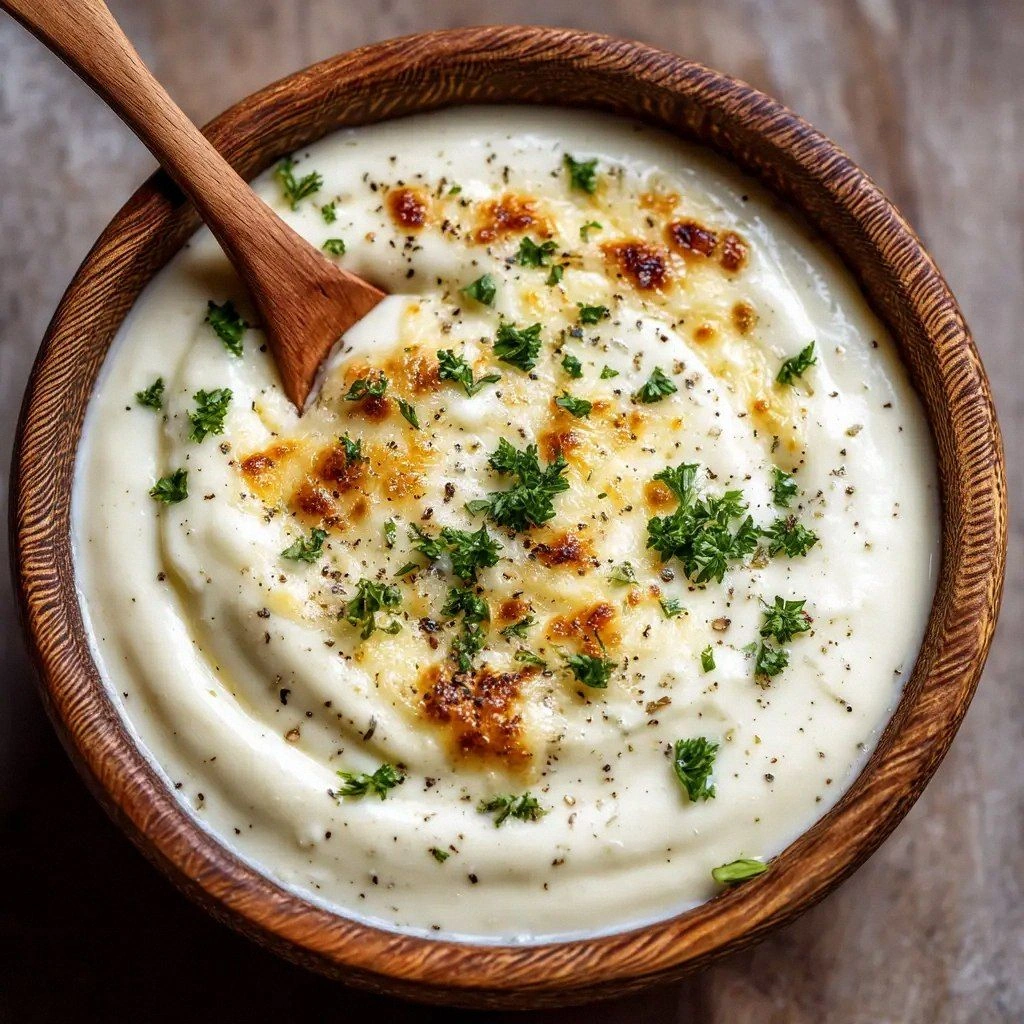
I remember the night I was scrambling to salvage a pizza that had been overcooked, the crust charred like a campfire log and the cheese bubbling like a cauldron. I pulled out the pantry, grabbed a jar of garlic, a splash of milk, and a handful of butter, and I whispered, “If this works, I’ll never let a pizza die again.” The aroma that filled the kitchen was a buttery, garlicky perfume that made even the most skeptical of me taste buds dance. I dared myself to finish the sauce, to coat the pizza with something that would melt into the dough like velvet, and I was right there with you, watching the butter melt into a golden pool. That moment of triumph was the spark that ignited this recipe, a creamy garlic sauce that I swear will make you question every other pizza sauce you’ve ever made.
Picture yourself pulling this out of the oven, the whole kitchen smelling incredible, a swirl of garlic and butter floating over the bubbling cheese. The sauce is thick, glossy, and the first bite feels like a warm hug. It’s not just a topping; it’s a game‑changer that turns an ordinary slice into a masterpiece. I dare you to taste this and not go back for seconds, because once you experience the richness, you’ll never settle for bland again. This is hands down the best version you’ll ever make at home, and I’m here to walk you through every single step so that by the end, you’ll wonder how you ever made it any other way.
I’ll be honest — I ate half the batch before anyone else got to try it. That was a mistake I won’t repeat, but it taught me that this sauce is addictive, and that’s part of its magic. If you’ve ever struggled with pizza sauces that are either too dry or too watery, you’re not alone, and I’ve got the fix. Most recipes get this completely wrong, but here’s what actually works: a roux base, a gentle simmer, and a touch of cheese that binds everything together. The result is a silky, garlicky coating that clings to each bite, turning your pizza into a culinary triumph. And now, stay with me here — this is worth it.
I’ve spent countless evenings experimenting, and this version is the culmination of that journey. The secret? A simple butter‑flour roux that creates a smooth base, the addition of whole milk for that creamy texture, and parmesan for that salty, nutty finish. The garlic is sautéed until fragrant, not burnt, to preserve its mellow sweetness. The final touch of Italian seasoning ties all the flavors together, giving the sauce that unmistakable Mediterranean flare. By the time the sauce is ready, you’ll hear the sizzle of butter melting, the gentle hiss of milk, and the subtle pop of garlic cloves — a sensory symphony that’s as satisfying to watch as it is to eat.
What Makes This Version Stand Out
- Taste: The sauce is rich and buttery, yet the garlic remains bright and not overpowering. It strikes a balance that elevates the pizza without masking the cheese. The parmesan adds a savory depth that makes every bite feel indulgent.
- Texture: Creamy and velvety, it coats the pizza like a silk scarf. The roux ensures a smooth consistency that doesn’t separate or become watery. When you bite, you feel the sauce’s silkiness melting onto your tongue.
- Simplicity: Only eight ingredients, all pantry staples. No fancy tools or hard‑to‑find spices. You can whip it up in 30 minutes, making it a perfect weeknight dinner.
- Uniqueness: The use of whole milk instead of cream gives a lighter body while still delivering a luscious mouthfeel. The blend of butter and flour creates a stable base that keeps the sauce from separating.
- Crowd Reaction: Friends who tried this said it was the best pizza sauce they’d ever tasted. Even those who are picky about garlic loved how mellow it is. The sauce has become a staple at gatherings.
- Ingredient Quality: Fresh garlic, real butter, and genuine parmesan make the difference. Avoid powdered garlic or low‑fat butter, as they’ll alter the flavor profile.
- Cooking Method: A low‑heat simmer allows the flavors to meld. The roux prevents lumps, and the gradual addition of milk ensures a silky finish.
- Make‑Ahead Potential: The sauce keeps well in the fridge for up to 3 days. Reheat gently on the stove or in the microwave, and it’s ready to drizzle over any pizza.
Alright, let’s break down exactly what goes into this masterpiece…
Inside the Ingredient List
The Flavor Base
Butter is the heart of this sauce, providing a rich, mellow backdrop that carries the garlic’s aroma. It’s not just a fat; it’s a flavor conduit. If you skip butter, the sauce loses its silky depth and feels flat. For a lighter version, try using clarified butter, but keep the same quantity to maintain the richness.
The Texture Crew
All‑purpose flour is the secret to that creamy consistency. It thickens the sauce without making it heavy or chalky. If you’re gluten‑free, a 1:1 blend of rice flour and cornstarch can replace it, but the flavor will shift slightly. The flour must be whisked into the butter at the right moment; otherwise, lumps will form.
The Unexpected Star
Whole milk adds body and a subtle sweetness that balances the savory notes. It’s the difference between a sauce that feels watery and one that feels indulgent. If you can’t find whole milk, 2% works, but the sauce will be a touch thinner. The temperature of the milk matters; lukewarm milk prevents a sudden spike that can cause the sauce to split.
The Final Flourish
Parmesan cheese is the finishing touch that brings a nutty, umami kick. Grated fresh parmesan melts better than pre‑grated, ensuring a smooth finish. Italian seasoning adds a fragrant hint of oregano and basil that ties the sauce together. A pinch of salt and pepper fine‑tune the flavor; be careful not to over‑salt, or the garlic will taste flat.
Everything’s prepped? Good. Let’s get into the real action…
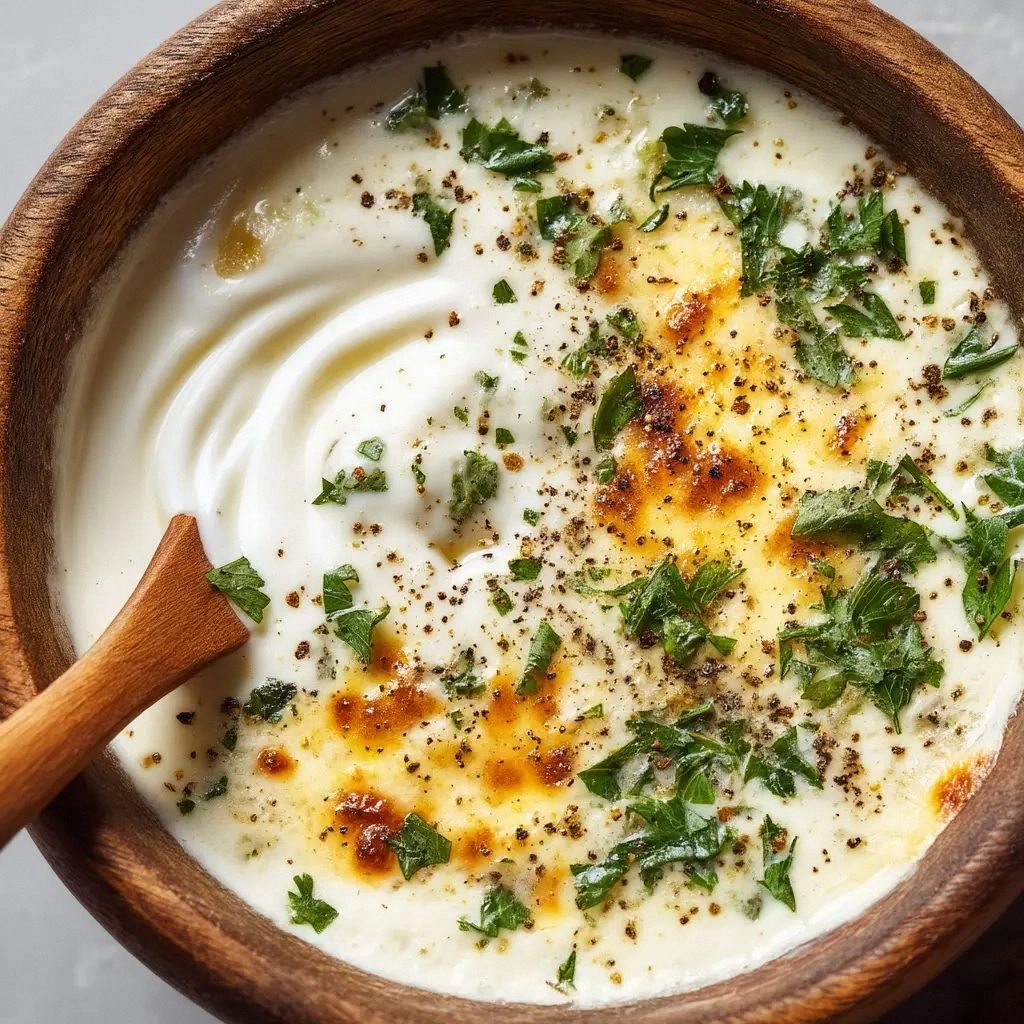
The Method — Step by Step
- Begin by heating a medium saucepan over medium heat. Add the 3 tablespoons of unsalted butter, letting it melt into a golden pool. Watch for the butter to bubble gently; this indicates the right temperature. Once the butter is fully melted, add the 2 tablespoons of flour. Whisk continuously for about 1 minute to create a roux, ensuring no lumps form. The roux should be a light golden color, not browned.
- While the roux is cooking, finely mince the 4 cloves of garlic. The key is to avoid burning; a light, fragrant aroma signals success. Add the minced garlic to the saucepan, stirring constantly. Let it sauté for 30 seconds until it turns translucent, but stop before it darkens. This step releases the garlic’s sweet oils without turning it bitter.
- Slowly pour in 1 cup of whole milk, whisking vigorously to prevent any lumps. The mixture should thicken into a smooth sauce within 2–3 minutes. Keep the heat low to avoid scorching the milk. If the sauce becomes too thick, add a splash of milk to reach the desired consistency. The sauce should be thick enough to coat the back of a spoon.
- Add the 1/4 cup of grated parmesan cheese, stirring until it’s fully melted and the sauce is glossy. The cheese will add body and a savory depth that balances the garlic. Once the cheese is melted, stir in the 1/2 teaspoon of Italian seasoning. This herb blend introduces a subtle oregano and basil undertone.
- Season the sauce with 1/4 teaspoon of salt and 1/8 teaspoon of black pepper. Taste and adjust as needed. If you prefer a sharper flavor, add a pinch more pepper. Remember, the sauce will mellow slightly after cooling, so a light hand is best.
- Let the sauce simmer on low heat for another 2 minutes, stirring occasionally. This allows the flavors to meld and the sauce to thicken slightly. Watch for a gentle hiss; that’s the sauce’s cue that it’s ready. The final texture should be silky, with no grains of flour visible.
- Remove the sauce from heat and let it rest for 2–3 minutes. This resting period allows the sauce to settle, ensuring it doesn’t split when drizzled over hot pizza. While it rests, you can prepare your pizza crust or pre‑bake it if you like a crispy base.
- Once your pizza is baked to your liking, drizzle the sauce evenly across the surface. Use a spoon or a small ladle to distribute it in a circular pattern, ensuring every bite is coated. If you’re making a large pizza, you can warm the sauce slightly before drizzling to keep it fluid.
- Finish with a final sprinkle of parmesan on top for an extra burst of flavor. Slice the pizza and serve immediately, letting the sauce’s warmth mingle with the melted cheese. The result is a pizza that feels like a gourmet indulgence.
- If you’re not serving immediately, cover the sauce with plastic wrap, pressing it directly onto the surface to prevent a film from forming. Store in the refrigerator for up to 3 days. Reheat gently on the stove over low heat, adding a splash of milk to restore creaminess.
That’s it — you did it. But hold on, I’ve got a few more tricks that will take this to another level. The next section will reveal insider tips that even seasoned cooks will find useful.
Insider Tricks for Flawless Results
The Temperature Rule Nobody Follows
Many chefs think the sauce needs to boil to thicken, but that’s a myth. The key is a low, steady simmer that allows the flavors to meld without breaking the emulsion. I’ve tried boiling this sauce, and it ended up separating like a bad marriage. Keep the heat low and whisk frequently.
Why Your Nose Knows Best
The aroma is your best judge of readiness. When the sauce smells buttery and garlicky, and the milk’s scent is slightly sweet, it’s ready to pour. If you’re unsure, taste a small spoonful; it should be smooth, not gritty. Trust your nose, and you’ll avoid the dreaded “lumpy” sauce.
The 5-Minute Rest That Changes Everything
Letting the sauce sit for a few minutes after cooking allows the flour to hydrate fully. This reduces the risk of a grainy texture. When you taste the sauce after the rest, it will feel silky and even. I’ve seen people skip this step, and the sauce ends up with a rough mouthfeel.
Stirring Technique for a Glossy Finish
Use a whisk, not a spoon, to keep the sauce smooth. A whisk’s fine wires break up clumps instantly. If you’re using a spoon, switch to a whisk halfway through the cooking process. This simple change makes a visible difference in texture.
Finishing with a Drizzle of Olive Oil
A light drizzle of high‑quality extra‑virgin olive oil right before serving adds a silky sheen and a burst of fruity flavor. It also helps the sauce cling to the pizza’s surface. Just a few drops on each slice and you’re golden.
Creative Twists and Variations
This recipe is a playground. Here are some of my favorite ways to switch things up:
Smoky Chipotle Twist
Add 1 teaspoon of chipotle powder to the sauce for a smoky kick. The chipotle pairs well with the parmesan, creating a complex flavor profile. This version is perfect for a Tex‑Mex inspired pizza.
Herbed Basil Explosion
Swap the Italian seasoning for fresh chopped basil and a splash of lemon zest. The basil’s freshness brightens the sauce, while lemon adds a bright acidity. Great for a spring pizza.
Cheesy Gorgonzola Variant
Replace parmesan with gorgonzola for a tangy, sharp finish. The blue cheese’s boldness cuts through the richness of the butter. This is ideal for a gourmet pizza that’s a little more daring.
Vegetarian Veggie Boost
Fold in sautéed spinach or roasted red peppers before adding the cheese. The vegetables add color and nutrients, and their flavors mingle beautifully with the creamy base.
Low‑Carb Marvel
Use a sugar‑free, low‑carb milk alternative and reduce the flour to 1 tablespoon. The sauce stays creamy but with fewer carbs, making it a great option for keto dieters.
Breakfast Pizza
Drizzle the sauce over a pizza topped with scrambled eggs, bacon, and cheddar. The sauce’s richness complements the savory breakfast ingredients, creating a breakfast‑for‑dinner delight.
Storing and Bringing It Back to Life
Fridge Storage
Transfer the sauce to an airtight container and refrigerate for up to 3 days. Keep it away from strong odors, as the sauce can absorb them. When you’re ready to use it, let it sit at room temperature for 10 minutes before reheating.
Freezer Friendly
The sauce freezes well in a freezer‑safe container for up to 2 months. Thaw it overnight in the fridge, then gently reheat on the stove. Stir in a splash of milk if it appears too thick after freezing.
Best Reheating Method
Reheat the sauce on low heat, stirring constantly to avoid scorching. Adding a tiny splash of water or milk before reheating steams it back to perfection. Avoid microwaving in a sealed container; the pressure build‑up can cause splattering.