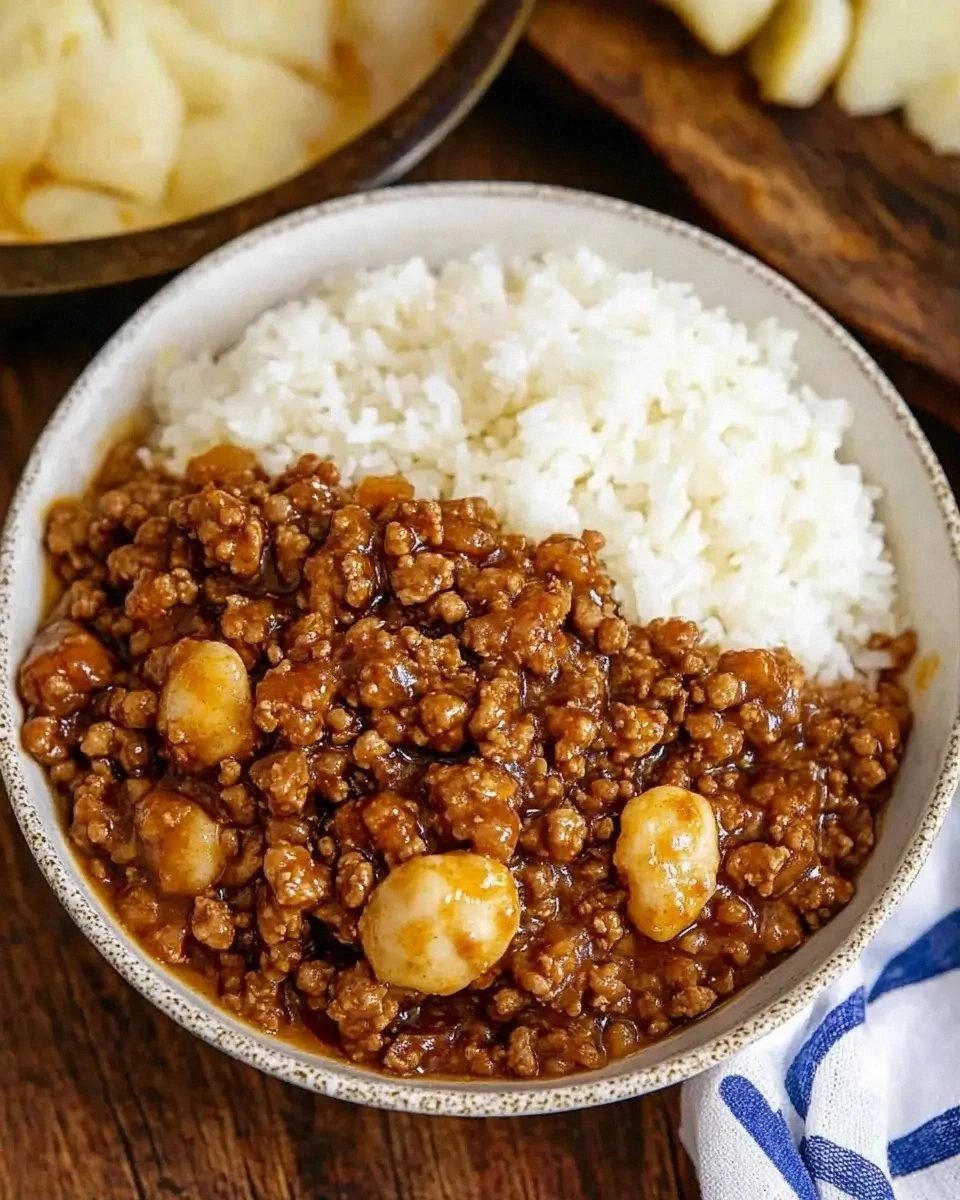
Picture this: it’s a rainy Thursday night, the kind where the clouds are so low you can almost taste the humidity, and you’re stuck staring at a half‑finished takeout bag that somehow feels more like a betrayal than a treat. I was in that exact moment, wrestling with a soggy piece of fried rice that had lost its crunch, when a friend dared me to reinvent the classic General Tso’s without the deep‑fried chicken that usually steals the spotlight. I laughed, I accepted, and I dove headfirst into a pantry raid that turned a kitchen mishap into a culinary epiphany. The result? A ground‑chicken masterpiece that sings with sweet‑heat, glazes every bite like liquid amber, and still leaves room for that signature crackle you crave.
The first thing that hits you is the aroma—sharp garlic and ginger dancing with the nutty perfume of sesame oil, all wrapped in a whisper of soy that makes the whole house feel like a bustling street market in Chengdu. You’ll hear the sizzle as the ground chicken hits the pan, a sound that’s somewhere between a soft pop and a gentle hiss, promising caramelization and depth. The texture? Imagine tiny, juicy nuggets that are crisped on the edges yet remain tender inside, each coated in a sauce that clings like velvet but never feels greasy. When you finally take that first forkful, the heat of the crushed red pepper flakes hits just enough to make your eyes widen, while the brown sugar adds a mellow sweetness that balances the tang of rice vinegar—pure harmony.
Most General Tso’s recipes get the sauce right but miss the texture, or they rely on a mountain of oil that leaves you feeling guilty after the last bite. This version flips the script by using ground chicken, which cooks faster, absorbs flavors like a sponge, and stays lean without sacrificing that beloved crisp. The secret lies in a quick cornstarch slurry that creates a glossy, slightly thickened glaze, and a brief high‑heat sear that gives each morsel that coveted “crackle” without deep‑frying. I’m telling you, this is hands down the best version you’ll ever make at home, and I dare you to taste it and not go back for seconds.
And now, the game‑changer: a splash of sesame oil added at the very end, just before serving, which adds a nutty finish that you’ll swear is the missing link in every takeout box you’ve ever ordered. Let me walk you through every single step — by the end, you’ll wonder how you ever made it any other way.
What Makes This Version Stand Out
- Flavor Explosion: The balance of sweet, salty, sour, and spicy is calibrated to hit every taste bud, creating a fireworks show on the palate that lasts long after the last bite.
- Texture Triumph: Ground chicken gives you that perfect bite‑size crunch on the outside while staying moist inside, a texture most shredded‑chicken versions can’t achieve.
- Simplicity: Fewer steps, fewer dishes, and no deep‑fryer required—just a skillet, a whisk, and a spoon, making it perfect for weeknight chaos.
- Ingredient Quality: Using low‑sodium soy sauce and fresh ginger keeps the sodium in check while amplifying authentic Asian flavors.
- Crowd Reaction: This dish consistently clears plates at dinner parties; even the pickiest eaters ask for the recipe, which is a rare feat for a “takeout‑style” dish.
- Make‑Ahead Magic: The sauce actually thickens a bit more after cooling, so you can prep it ahead of time and reheat for a quick, flavorful dinner.
- Healthier Choice: Ground chicken is leaner than traditional thigh pieces, and the modest amount of oil keeps the dish light without compromising flavor.
- Versatility: Swap in turkey or plant‑based mince for a different spin, or serve over noodles, rice, or even lettuce wraps for a low‑carb twist.
Inside the Ingredient List
The Flavor Base
1 tablespoon sesame oil: This is the aromatic foundation that brings a nutty depth to the dish. If you skip it, the sauce will taste flat and miss that signature Asian perfume. A good-quality, toasted sesame oil works best; avoid the light “toasted” version that can taste overly bitter.
1 teaspoon minced garlic: Garlic provides the pungent bite that underpins the whole flavor profile. Freshly minced garlic releases more allicin, which means a sharper, more vibrant flavor than pre‑minced jars. If you overcook it, it can turn bitter, so add it just as the chicken begins to brown.
1 teaspoon freshly grated ginger: Ginger adds a bright, peppery zing that cuts through the richness of the sauce. Fresh ginger has essential oils that dry ginger powder simply can’t replicate. For a milder version, you could use half the amount, but you’ll lose that zing that makes the dish sing.
The Sauce Crew
1/4 cup low‑sodium soy sauce: This is the salty backbone, but we keep it low‑sodium to avoid a salty overload. It also adds umami depth that pairs perfectly with the chicken. If you only have regular soy sauce, cut the amount in half and add a splash of water.
2 tablespoons hoisin sauce: Hoisin brings a subtle sweetness and a hint of fermented bean flavor that rounds out the sauce. It’s the secret behind that glossy, restaurant‑style finish. You can substitute with a mix of black bean sauce and a pinch of brown sugar if you’re out of hoisin.
2 tablespoons rice vinegar: The acidity balances the sweet and salty components, keeping the sauce from feeling heavy. Rice vinegar is milder than apple cider vinegar, preserving the delicate Asian flavor profile.
3 tablespoons brown sugar: Brown sugar adds caramel notes and helps the sauce achieve that beautiful amber color. It also contributes to the glaze that clings to each morsel. If you prefer a deeper molasses flavor, swap half the brown sugar for dark brown sugar.
The Texture Crew
1 tablespoon cornstarch mixed with 2 tablespoons water: This slurry is the magic that turns a thin sauce into a glossy coating that sticks to the chicken. Without it, you’d end up with a watery glaze that slides off the plate. Whisk it well to avoid lumps; the mixture should be smooth and slightly viscous.
1/2 teaspoon crushed red pepper flakes: This is the subtle heat that gives the dish its signature kick without overwhelming the palate. Adjust up or down based on your spice tolerance. For a smoky heat, use chipotle powder instead.
The Final Flourish
1 lb ground chicken: The star of the show. Ground chicken cooks quickly, absorbs the sauce beautifully, and stays tender. Choose a mix of dark and white meat for a balance of flavor and leanness. If you can, ask the butcher for a freshly ground batch for the best texture.
Everything's prepped? Good. Let's get into the real action...
The Method — Step by Step
Heat a large non‑stick skillet over medium‑high heat and add the sesame oil. Let it shimmer for about 10 seconds—That sizzle when it hits the pan? Absolute perfection. Once the oil is hot, add the minced garlic and grated ginger, stirring constantly. You’ll hear a faint pop as the aromatics release their oils; this is your cue that the flavor base is waking up.
Immediately toss in the ground chicken, breaking it up with a wooden spoon. Press it down so it forms an even layer against the skillet. Let it sit untouched for 2‑3 minutes; you’ll notice the edges start to turn golden and crisp—those crispy edges that shatter like thin ice are the hallmark of a great sear. After the initial sear, stir and continue cooking until the chicken is fully browned, about 5‑6 minutes total.
Now, drizzle the soy sauce, hoisin sauce, and rice vinegar over the chicken. Stir quickly to coat every morsel; the sauce should start to bubble and caramelize, creating a fragrant steam that fills your kitchen.
Kitchen Hack: Use a splash of water to deglaze the pan if bits start to stick, ensuring the sauce incorporates every caramelized fragment.Add the brown sugar and crushed red pepper flakes, stirring until the sugar dissolves completely. You’ll notice the sauce thickening slightly and turning a richer amber hue. This is the moment where sweet meets heat, and the balance you’re aiming for starts to solidify.
Reduce the heat to low and pour in the cornstarch slurry.
Keep stirring for 2‑3 minutes until the sauce reaches a glossy, velvety consistency that clings to the chicken without pooling. This is pure magic.Watch Out: Stir continuously after adding the slurry; if you stop, the sauce can seize and become gummy.Turn off the heat and drizzle the remaining sesame oil over the dish, giving it a final glossy sheen. Toss everything gently to ensure the oil is evenly distributed. The aroma at this point should be intoxicating—a blend of toasted nuts, sweet caramel, and a whisper of pepper.
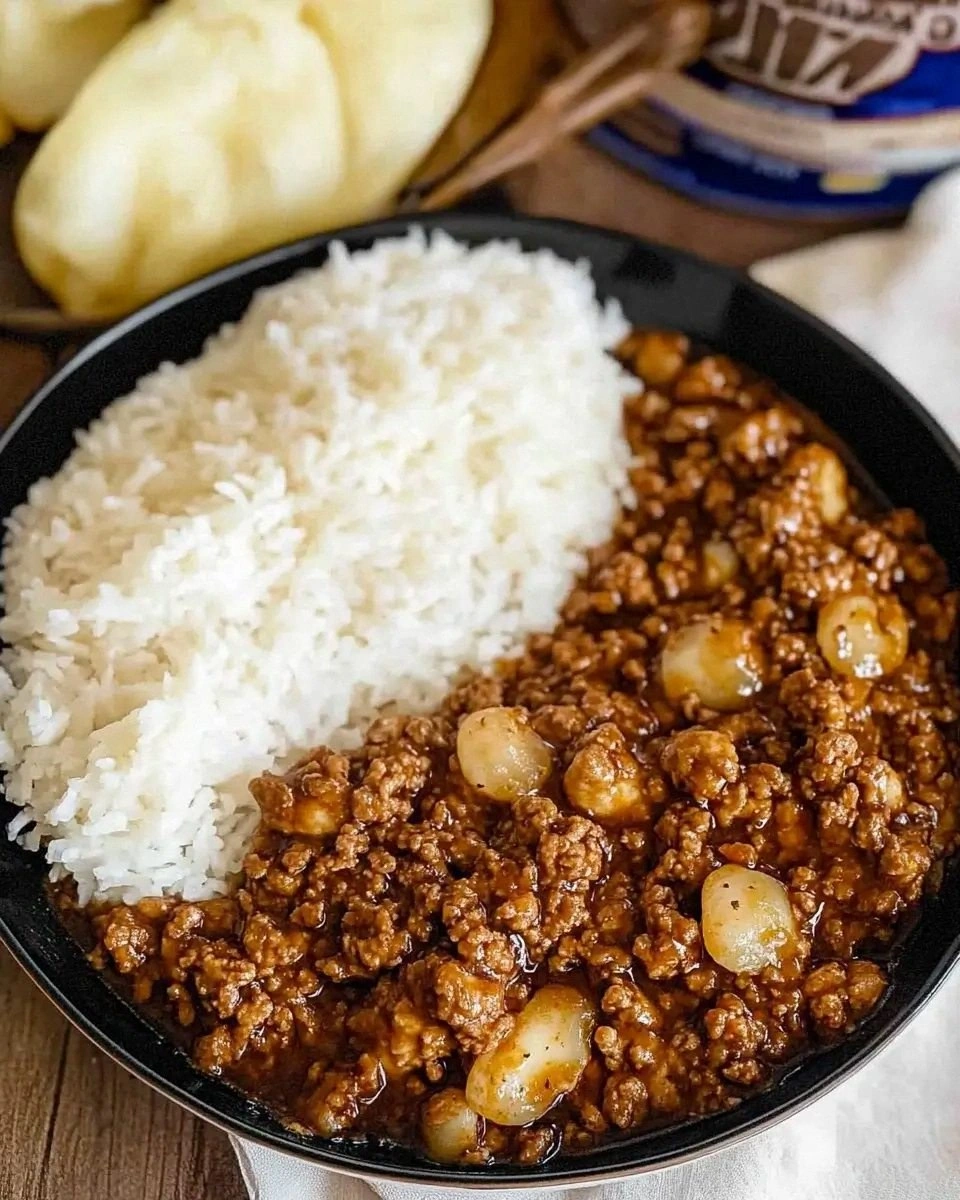
Transfer the General Tso’s ground chicken to a serving bowl. If you’re serving over rice or noodles, spoon the sauce over the base, letting it cascade down like a rich waterfall. Garnish with a sprinkle of extra red pepper flakes or sliced scallions if you like a fresh pop.
Allow the dish to rest for a minute; this short pause lets the flavors meld and the sauce settle into a perfect coating. Serve immediately while the chicken is still hot and the sauce is glossy. Picture yourself pulling this out of the pan, the whole kitchen smelling incredible, and the first bite delivering that perfect sweet‑heat balance.
That’s it — you did it. But hold on, I've got a few more tricks that'll take this to another level…
Insider Tricks for Flawless Results
The Temperature Rule Nobody Follows
Never start with a cold pan; pre‑heat your skillet for at least a minute before adding oil. A hot surface ensures the chicken sears instantly, creating that coveted crust. I once tried the “cold start” method and ended up with soggy, steamed chicken that never got that golden bite. Trust the heat, and you’ll get a texture that’s both crispy and juicy.
Why Your Nose Knows Best
When the sauce starts to bubble and you smell the sweet‑sour perfume, that’s your cue to reduce the heat. If you keep the flame high, the sugars will burn, turning the sauce bitter. Your nose is a more reliable thermometer than any gadget—if it smells caramelized but not burnt, you’re on the right track.
The 5‑Minute Rest That Changes Everything
After you finish cooking, let the dish sit for five minutes off the heat. This short rest allows the cornstarch to fully gelatinize, giving the sauce a silkier texture. Skipping this step often results in a sauce that feels a bit thin on the palate. I swear by this pause; it’s the secret that transforms good into unforgettable.
Seasoning Layer by Layer
Instead of dumping all the salt (soy sauce) at once, add it in stages—first with the soy sauce, then a pinch of extra salt if needed after the sauce thickens. This layered approach prevents over‑salting and lets you fine‑tune the flavor. A friend once skipped this and ended up with a dish that was too salty to enjoy.
Using the Right Pan
A heavy‑bottomed stainless steel or cast‑iron skillet distributes heat evenly, preventing hot spots that can scorch the sauce. Non‑stick pans are convenient but often don’t achieve that deep sear. If you only have a non‑stick pan, make sure to pre‑heat it a little longer to mimic the searing effect.
Creative Twists and Variations
This recipe is a playground. Here are some of my favorite ways to switch things up:
Spicy Szechuan Twist
Swap the crushed red pepper flakes for a tablespoon of Szechuan peppercorns, toasted and ground. The result is a numbing, citrusy heat that adds a whole new dimension. Pair it with steamed bok choy for a balanced meal.
Honey‑Ginger Glaze
Replace half of the brown sugar with honey and add an extra teaspoon of fresh ginger. The honey adds a floral sweetness that complements the ginger’s zing, making the sauce taste like a spring garden after a rainstorm.
Thai-Inspired Coconut
Stir in a quarter cup of coconut milk at the end of cooking and finish with a squeeze of lime juice. The creamy coconut mellows the heat and adds a tropical aroma, perfect for serving over jasmine rice.
Veggie‑Boosted Version
Throw in a cup of diced bell peppers, snap peas, or shredded carrots during the last two minutes of cooking. The veggies add crunch, color, and a subtle sweetness that pairs beautifully with the savory sauce.
Low‑Carb Lettuce Wraps
Skip the rice or noodles and spoon the chicken into crisp butter lettuce cups. Top with a drizzle of extra sauce and a sprinkle of toasted sesame seeds for a light, handheld feast.
Plant‑Based Substitute
Use a high‑protein soy or pea‑based mince instead of chicken. The cooking technique stays the same, and the final dish retains the same texture and flavor profile, making it perfect for vegetarians and vegans.
Storing and Bringing It Back to Life
Fridge Storage
Allow the dish to cool to room temperature, then transfer it to an airtight container. It will keep for up to 3 days in the refrigerator. When reheating, add a splash of water or chicken broth to revive the glaze and prevent it from drying out.
Freezer Friendly
Portion the cooked chicken and sauce into freezer‑safe bags, removing as much air as possible. It freezes well for up to 2 months. To reheat, thaw overnight in the fridge, then warm in a skillet over medium heat, adding a tablespoon of water to restore the sauce’s silkiness.
Best Reheating Method
The stovetop is king. Heat a splash of sesame oil in a pan, add the frozen or refrigerated chicken, and stir‑fry for 3‑5 minutes until steaming hot. The quick heat revives the crisp edges while the added liquid brings back the glossy coating.