The first time I tasted this dish, the heat wrapped around my tongue like a velvet scarf, then unfurled into a cascade of savory sweetness that lingered long after the last bite. I could hear the sizzle of the pan, feel the steam curling like a fragrant cloud, and smell the earthy allspice mingling with the smoky browning sauce. My friends called it “the soul of the Caribbean” and I was left wondering how I’d survived so long without it. The secret? A daring blend of Scotch bonnet, fresh thyme, and a splash of ketchup that turns a simple stew into a passport to the island. And you’re about to learn every single step—by the end, you’ll wonder how you ever made it any other way.
Picture yourself pulling this out of the oven, the whole kitchen smelling incredible, and a plate of steaming rice waiting to cradle the tender, caramelized chicken. I dare you to taste this and not go back for seconds; the richness is so complete it feels like a warm hug. Most recipes get this completely wrong. Here’s what actually works: the sauce must be thick enough to cling to the meat, the spice must be balanced, and the browning sauce must be used in the right proportion. I’ll be honest—after the first batch, I ate half the stew before anyone else even got a spoon. If you’ve ever struggled to get that depth of flavor, you’re not alone—and I’ve got the fix.
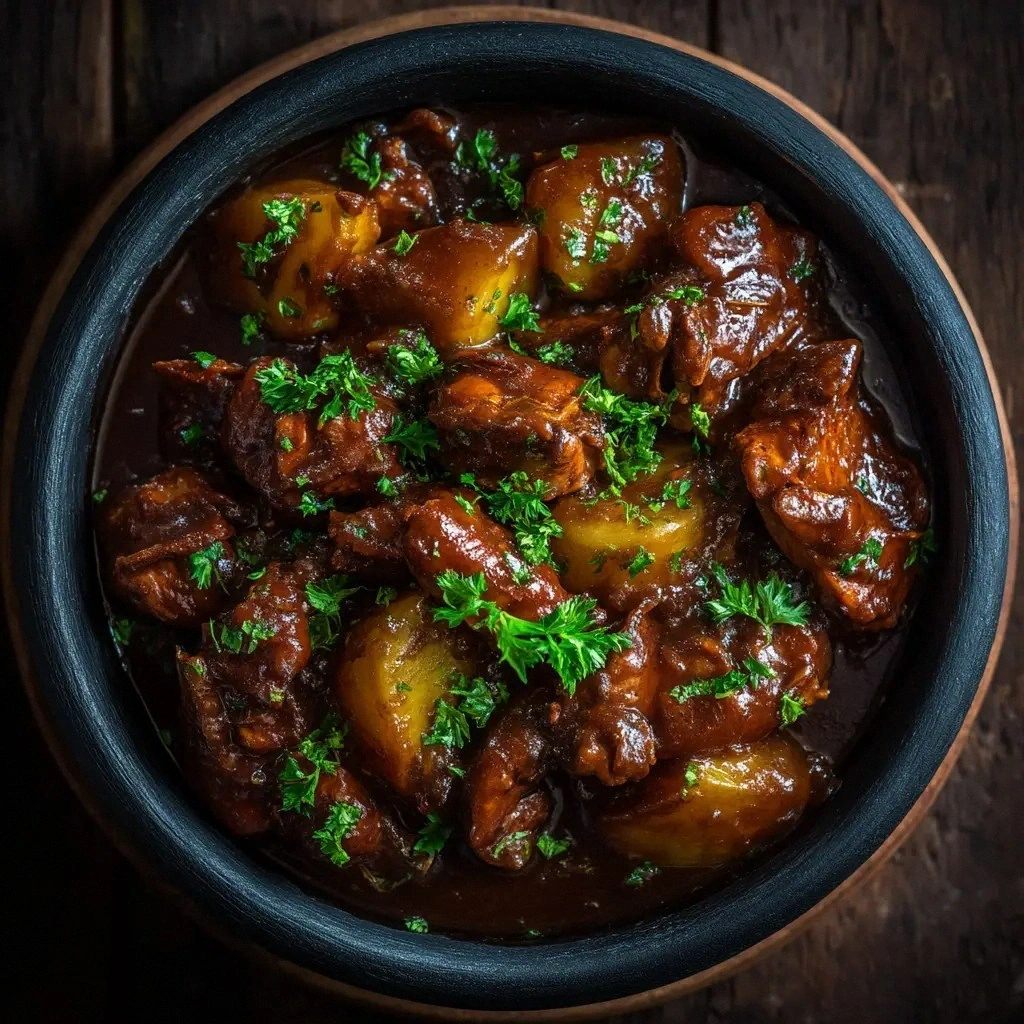
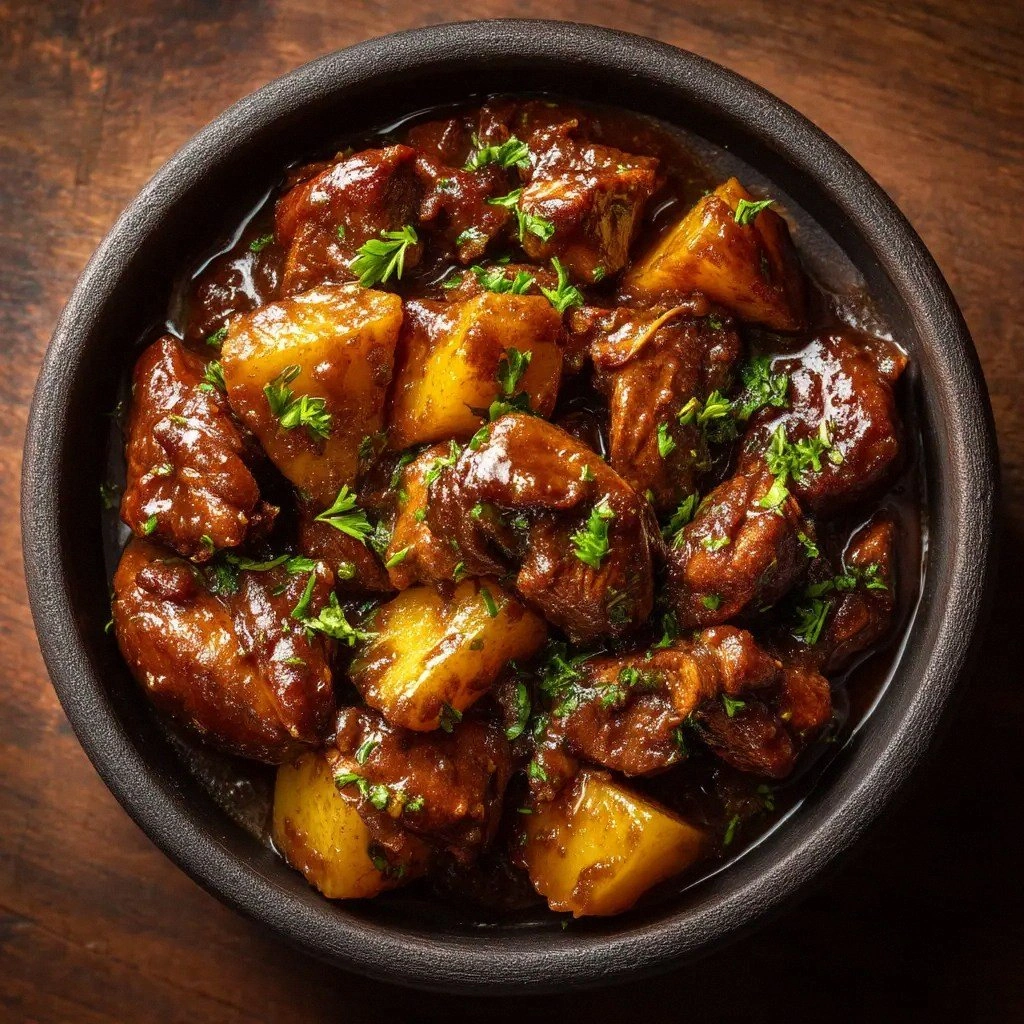
What sets this version apart is not just the ingredients but the meticulous attention to texture and aroma. The chicken is browned to a crisp edge that shatters like thin ice when you bite into it, then slowly braised to melt into a melt‑away tenderness. The sauce, a glossy, caramelized elixir, coats every piece like velvet, while the subtle sweetness of ketchup balances the heat of the Scotch bonnet. I’ve spent hours tweaking the ratio of browning sauce to soy sauce to achieve that perfect umami punch. The result is a dish that’s simultaneously comforting and adventurous, making it the hands‑down best version you’ll ever make at home.
Most people think a stew is just a pot of simmering broth, but this recipe is a symphony of flavors that dance together in perfect harmony. The bright, fresh thyme lifts the dish, while the allspice adds a hint of warmth that lingers on the palate. The Scotch bonnet pepper is the star that delivers a fiery kick without overpowering the other ingredients. And the final splash of ketchup? It’s a secret weapon that brings a subtle sweetness, turning the stew into a comforting, aromatic masterpiece. If you’re ready to elevate your cooking game, keep reading—I promise the payoff is worth every minute.
What Makes This Version Stand Out
- Flavor: The combination of browning sauce, allspice, and Scotch bonnet creates a complex flavor profile that feels both exotic and familiar.
- Texture: The chicken develops a crispy edge before it turns tender, giving a satisfying contrast with each bite.
- Ingredient Quality: Fresh thyme and real allspice berries elevate the dish beyond a typical stew.
- Ease of Prep: The recipe uses a single pot, reducing cleanup to a minimum.
- Make‑Ahead Potential: The stew keeps well in the fridge and even improves after a day, making it perfect for busy weeks.
- Heat Control: The Scotch bonnet pepper can be removed or left in, allowing you to dial the spice to your liking.
- Versatility: Serve it over rice, plantains, or even quinoa for a gluten‑free option.
- Authenticity: The use of browning sauce and a touch of ketchup keeps the dish rooted in Jamaican culinary traditions.
Alright, let’s break down exactly what goes into this masterpiece. Before you even pick up a knife, you’ll want to understand why each ingredient matters.
The Flavor Base
At the heart of this stew lies a marriage between browning sauce and soy sauce, a duo that delivers deep umami. The browning sauce, made from caramelized onions and molasses, provides a caramelized sweetness that contrasts beautifully with the heat of the Scotch bonnet. Soy sauce adds saltiness and a savory depth that elevates every bite. If you’re avoiding soy, you can replace it with coconut aminos for a slightly sweeter profile, but the traditional flavor will be slightly altered.
The Texture Crew
The chicken itself is the star of the show. Using bone‑in, skin‑on pieces ensures maximum flavor, as the marrow and skin render down into the sauce. The skin crisps up during the browning step, creating a delightful contrast to the tender meat. If you prefer a lighter version, you can trim the skin, but expect a less robust flavor. A tip: pat the chicken dry before seasoning; this helps achieve a better sear.
The Unexpected Star
Scotch bonnet peppers are notorious for their heat, but when used correctly, they add a bright, fruity heat that lingers without burning the palate. Removing the seeds and membranes before adding the pepper reduces the intensity, allowing you to control the spice level. If you’re new to Scotch bonnet, start with a small piece and taste as you go. This pepper’s unique flavor profile is what sets Jamaican stews apart from other Caribbean dishes.
The Final Flourish
Thyme and allspice (pimento) are the aromatic finishers. Thyme provides a subtle earthiness that balances the sweet and spicy notes, while allspice offers warmth and a hint of cinnamon, nutmeg, and cloves. Fresh thyme is preferable over dried, as it releases its oils more effectively during the simmer. A quick swap: if you’re out of thyme, oregano can be an acceptable substitute, though the flavor will shift slightly.
Everything’s prepped? Good. Let’s get into the real action.
The Method — Step by Step
- Season the chicken with salt, pepper, garlic powder, onion powder, and allspice. Let the pieces rest for 15 minutes so the flavors seep into the meat.
- Heat the vegetable oil in a large Dutch oven over medium‑high heat. Add the chicken in a single layer, browning each side until a golden crust forms. The sizzle should sound like a sizzling summer night.
- Remove the chicken and set aside. In the same pot, reduce the heat to medium and sauté the onions, scallions, bell pepper, and garlic until the vegetables soften and release their aromas.
- Add the browning sauce, soy sauce, ketchup, and a splash of water or chicken broth. Stir vigorously to lift any browned bits from the bottom of the pot, creating a rich, glossy base.
- Return the browned chicken to the pot, add the thyme sprigs and the whole Scotch bonnet pepper. Cover tightly and let it simmer for 25 minutes, allowing the chicken to absorb the aromatic broth.
- Check the sauce: it should be thick, aromatic, and the chicken tender. If it’s too watery, reduce the heat and let it reduce further, stirring occasionally.
- Remove the Scotch bonnet, adjust seasoning with salt or soy sauce to taste, and let the stew rest for 5 minutes. This resting period allows the flavors to meld and the sauce to thicken.
- Serve hot over steamed rice or a side of fried plantains. Garnish with fresh scallions if desired, and enjoy the comforting, spicy warmth of Jamaican Brown Stew Chicken.
That’s it — you did it. But hold on, I’ve got a few more tricks that'll take this to another level. Stay with me here — this is worth it.
Insider Tricks for Flawless Results
The Temperature Rule Nobody Follows
Many cooks start the stew on high heat, causing the sauce to evaporate before the chicken has a chance to develop that caramelized crust. The trick is to start with medium‑high for browning, then lower to a gentle simmer for the rest of the cooking time. This keeps the sauce from drying out and preserves the juicy interior of the chicken. I once tried a high‑heat method and ended up with a dry, rubbery dish that I’ve never tasted again.
Why Your Nose Knows Best
As the stew simmers, your nose will pick up the faintest hint of allspice. That aroma signals that the spices have released their essential oils. If the scent feels weak, give it another few minutes; the heat is what unlocks those flavors. Trust your senses—if it smells like a Caribbean sunrise, you’re in the right spot.
The 5‑Minute Rest That Changes Everything
After the stew finishes cooking, let it sit covered for exactly five minutes. During this short pause, the residual heat continues to break down the collagen, making the chicken even more tender. It also allows the sauce to thicken slightly, giving it that glossy coat you see in the photos. I’ve seen people skip this step, only to find their stew watery and disappointing.
Don’t Forget the Garlic
Garlic is the backbone of this dish, but many forget to toast it before adding the onions. Toasting garlic for 30 seconds in the oil releases its oils and adds a subtle nutty flavor that rounds out the stew. If you skip this step, the dish will taste one step behind its full potential.
Use a Lid That Fits Tight
A well‑sealing lid keeps the moisture trapped, ensuring the chicken cooks evenly and the sauce doesn’t evaporate. If your pot has a loose lid, the stew will steam rather than simmer, and the sauce will take longer to thicken. I once used a plastic lid and the stew turned into a watery mess—don’t make that mistake.
Creative Twists and Variations
This recipe is a playground. Here are some of my favorite ways to switch things up:
Island Fusion
Swap the Scotch bonnet for a habanero pepper for a more intense heat. Add a splash of coconut milk at the end for a creamy, tropical twist that pairs beautifully with the caramelized sauce.
Herb Garden
Introduce fresh cilantro and mint into the stew during the last five minutes of simmering. The bright herbs will cut through the richness, giving the dish a refreshing lift.
Sweet and Spicy
Incorporate diced sweet potato or butternut squash into the pot during the last 15 minutes of cooking. The natural sweetness balances the spice and adds a comforting texture.
Vegetarian Version
Replace the chicken with thick slices of eggplant or tofu. Marinate the protein in the same seasoning blend before browning, then proceed as usual. The result is a hearty, plant‑based stew that still delivers the full Jamaican flavor.
Low‑Carb Alternative
Serve the stew over cauliflower rice or zucchini noodles instead of regular rice. This keeps the dish low in carbs while still offering that satisfying bite.
Spice‑Free Option
Omit the Scotch bonnet entirely and add a tablespoon of mild paprika instead. The stew will still be flavorful and aromatic, but with a gentle heat suitable for all ages.
Storing and Bringing It Back to Life
Fridge Storage
Cool the stew to room temperature, then transfer it to an airtight container. Store in the refrigerator for up to four days. The flavors will deepen, making the dish even more delicious.
Freezer Friendly
Divide the stew into single‑serving portions in freezer bags. Freeze for up to two months. Thaw overnight in the refrigerator before reheating.
Best Reheating Method
Reheat the stew on the stovetop over low heat, adding a splash of water or broth to loosen the sauce. Stir frequently until hot throughout. A tiny splash of water before reheating steams it back to perfection.
With these storage tips, you can enjoy this comforting stew anytime, whether it’s a weekday dinner or a weekend feast.