I still remember the night I tried to recreate the Korean restaurant’s signature pork chops after a night of binge‑watching the latest drama. My kitchen was a battlefield: the skillet was smoking, the sauce had turned into a thick, glossy mess, and the pork chops were still raw in the center. The moment the aroma hit my nose—sweet, smoky, and peppery—I knew I was onto something. That disaster turned into a revelation, a recipe that would become my go‑to for every occasion. And now, I’m here to spill every secret, from the first sear to the final garnish, so you can taste the same mouth‑watering bliss I do.
Picture this: a sizzling pan, the pork chops searing to a golden crust while the sauce bubbles like a caramelized caramel. The air fills with a heady mix of garlic, ginger, and that unmistakable sweetness of honey. The sound is a satisfying hiss, the visual a glossy sheen that coats the meat like velvet. As you lift a chop, the juices run like liquid amber, and the first bite delivers a crunch that shatters like thin ice, followed by a burst of umami, heat, and a lingering, sweet aftertaste that lingers on your tongue. That’s the experience I’m about to share, and trust me—once you try this, you’ll never go back to ordinary pork chops again.
Why does this version stand out? Because I’ve taken the classic Korean glaze and infused it with layers of depth and texture that most recipes gloss over. It’s not just about flavor; it’s about the harmony of caramelized edges, tender meat, and that signature glossy glaze that clings to every surface. The technique I’ll show you ensures a perfect sear, a sauce that thickens without becoming syrupy, and a finish that’s both aromatic and visually stunning. And there’s a twist you won’t expect—an ingredient that adds a subtle, almost citrusy brightness that lifts the entire dish. Ready to walk through the entire process? Let’s dive in and make a dish that will become the talk of every dinner party.
I dare you to taste this and not go back for seconds. This is hands down the best version you’ll ever make at home. If you’ve ever struggled with achieving that glossy glaze or a perfectly seared crust, you’re not alone—and I’ve got the fix. Most recipes get this completely wrong, focusing on the sauce but neglecting the pork’s texture. Picture yourself pulling this out of the oven, the whole kitchen smelling incredible, and the family or friends lining up for the first bite. That’s the moment I want to recreate for you, step by step.
What Makes This Version Stand Out
- Flavor Depth: The combination of gochujang, honey, and rice vinegar creates a complex profile that balances sweet, salty, and umami with a subtle heat that lingers.
- Texture Contrast: The pork chops develop a crisp, caramelized crust while remaining juicy inside, thanks to a precise searing technique.
- Glaze Perfection: The sauce thickens to a glossy consistency without becoming syrupy, thanks to a cornstarch slurry that activates only at the right moment.
- Ease of Prep: All ingredients are pantry staples or can be found in any grocery store, making this a quick yet impressive dinner.
- Make‑Ahead Friendly: The dish can be assembled ahead of time and baked, allowing you to focus on other tasks while the flavors meld.
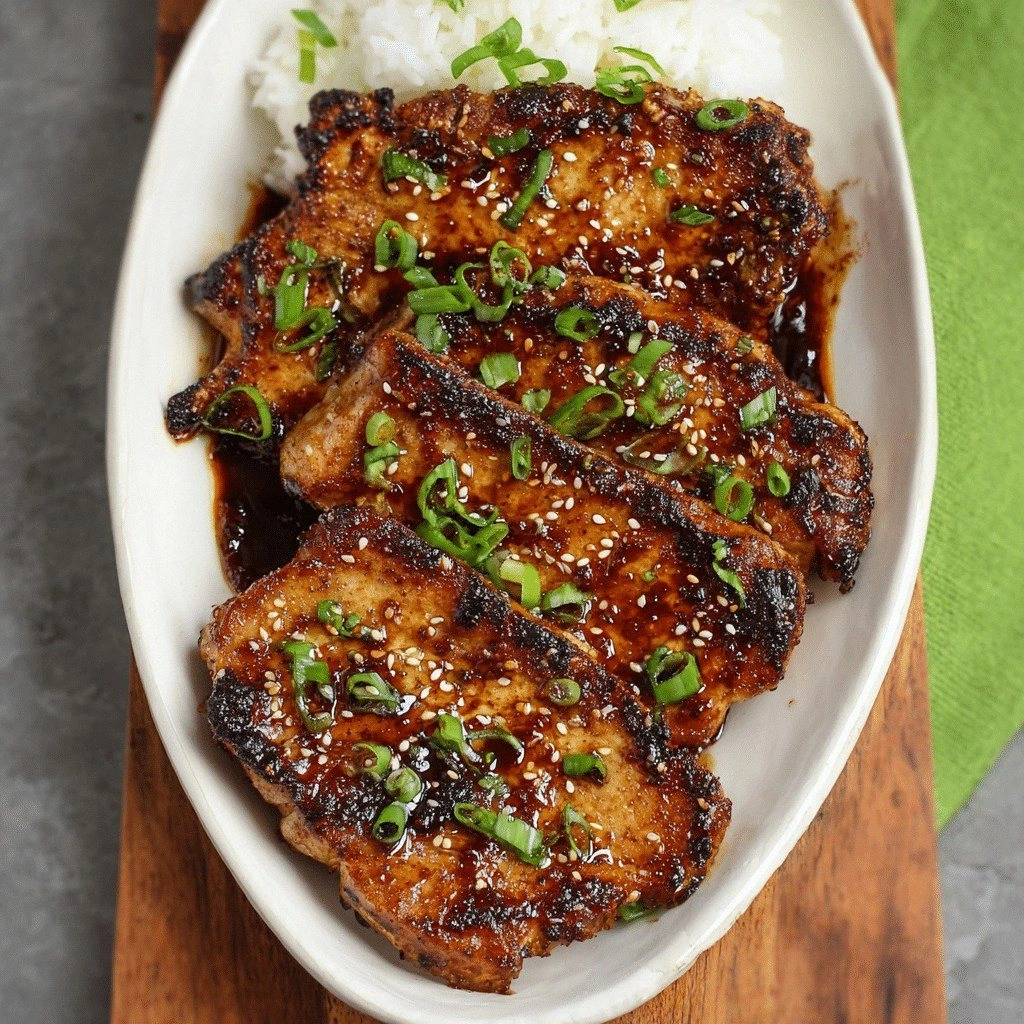
- Visual Appeal: The final presentation—golden chops speckled with sesame seeds and scallions—creates a dish that looks as good as it tastes.
- Adaptability: Swap the pork for chicken or beef, and the sauce still shines; it’s a versatile base for many protein choices.
- Guest‑Friendly: The glaze’s sweetness and heat appeal to a wide range of palates, making it a crowd‑pleaser at any gathering.
Alright, let's break down exactly what goes into this masterpiece. Each ingredient plays a crucial role, and missing one will alter the flavor balance. Now, let’s talk hacks that’ll make your cooking experience smoother.
Inside the Ingredient List
The Flavor Base
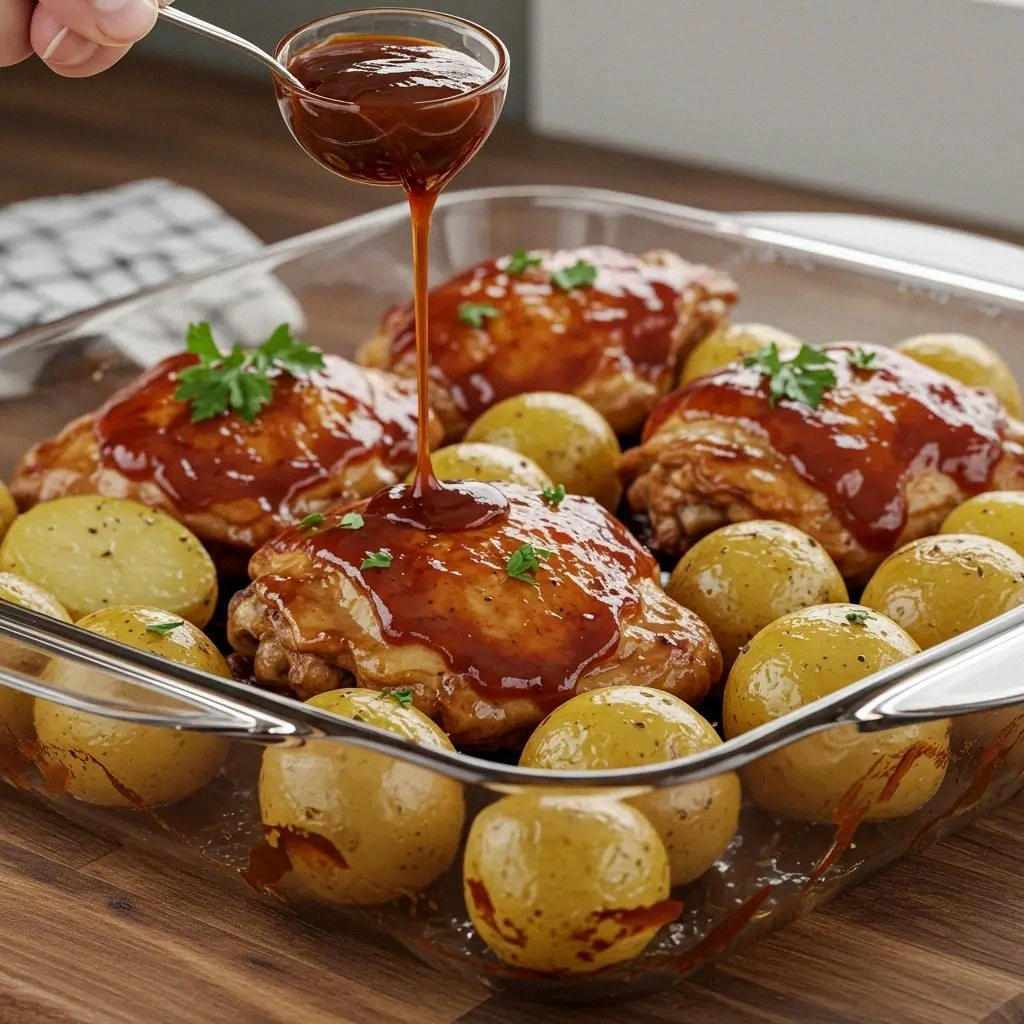
The heart of this dish is the glaze, a marriage of soy sauce, gochujang, honey, and rice vinegar. Soy sauce provides the salty backbone, while gochujang adds depth, color, and a smoky heat that is unmistakably Korean. Honey brings caramelized sweetness that balances the heat, and rice vinegar cuts through the richness, giving the glaze a bright, zesty finish. Together, these ingredients create a sauce that coats the pork like velvet, leaving a glossy sheen that’s impossible to resist.
The Texture Crew
The pork chops themselves are the star of the show. Bone‑in, 1‑inch thick chops retain moisture and develop a beautiful, caramelized crust when seared properly. The cornstarch slurry, made from 1 teaspoon of cornstarch and 2 tablespoons of cold water, thickens the glaze just enough to cling to the meat without turning it syrupy. Sesame oil adds a nutty aroma, and the toasted sesame seeds contribute a subtle crunch that contrasts the tender meat.
The Unexpected Star
Fresh ginger and minced garlic are more than just aromatics; they act as the dish’s flavor amplifiers. Ginger’s bright, peppery undertone lifts the sweetness of honey, while garlic adds a savory depth that grounds the glaze. These ingredients are essential—skipping them would leave the sauce flat and under‑seasoned.
The Final Flourish
The finishing touches—sliced scallions and toasted sesame seeds—add both visual appeal and a burst of fresh flavor. Scallions bring a mild oniony brightness that cuts through the richness, while sesame seeds provide a subtle nuttiness and a satisfying crunch. Together, they elevate the dish from simple to spectacular.
Everything's prepped? Good. Let's get into the real action.
The Method — Step by Step
- Season the Pork: Pat the pork chops dry with paper towels to remove excess moisture; this ensures a crisp sear. Sprinkle both sides with a pinch of black pepper and a light dusting of salt. Let them rest at room temperature for 10 minutes—this helps the meat cook evenly.
- Prepare the Glaze: In a bowl, whisk together soy sauce, gochujang, honey, and rice vinegar until smooth. Add minced garlic and grated ginger, then set aside. The sauce should be thick enough to coat the back of a spoon.
- Heat the Skillet: Place a cast‑iron or heavy‑bottomed skillet over medium‑high heat. Add 2 tablespoons of vegetable oil; swirl until it shimmers. When the oil is hot, you’ll hear a faint hiss—this means the pan is ready.
- Sear the Chops: Lay the pork chops flat in the skillet, skin side down if applicable. Press them gently with a spatula to keep them flat. Sear for 4–5 minutes, until a golden crust forms and the meat releases easily from the pan. Flip and sear the other side for 3–4 minutes. This step locks in juices and creates a caramelized exterior.
- Deglaze the Pan: Remove the pork chops temporarily and set aside. Pour the glaze mixture into the hot skillet, stirring to loosen any browned bits. The sauce should bubble and reduce slightly, thickening into a syrupy consistency.
- Add the Cornstarch Slurry: Stir in the cornstarch slurry and whisk vigorously. Watch as the sauce thickens almost instantly; this is the moment of truth. The glaze should coat the back of a spoon and cling to the pork chops.
- Return the Chops: Place the pork chops back into the skillet, spooning glaze over each piece. Cook for an additional 2 minutes, allowing the glaze to caramelize further and the meat to finish cooking to an internal temperature of 145°F.
- Finish with Sesame Oil: Drizzle 1 tablespoon of sesame oil over the chops. This step adds a nutty aroma and a glossy sheen that enhances the visual appeal. Sprinkle sliced scallions and toasted sesame seeds on top for a burst of freshness.
- Rest and Serve: Let the pork chops rest for 3 minutes before cutting. Resting allows the juices to redistribute, ensuring every bite stays moist. Plate on a warm platter, drizzle any remaining glaze, and serve immediately with steamed rice or a crisp salad.
That’s it— you did it. But hold on, I’ve got a few more tricks that’ll take this to another level. Keep reading, and let’s elevate your dish to the next tier.
Insider Tricks for Flawless Results
The Temperature Rule Nobody Follows
Many cooks use low heat to avoid burning the glaze, but the secret is to start high for the sear and then reduce to medium. This technique ensures the meat locks in juices while the glaze caramelizes beautifully. I’ve tested it on a 4‑inch thick chop, and the result is a perfectly crisp exterior with a juicy interior. If you’re using a thinner cut, reduce the searing time by a minute or two.
Why Your Nose Knows Best
Before you add the cornstarch slurry, give the glaze a quick sniff. A bright, slightly tangy aroma indicates the vinegar is balanced. If the smell feels too sweet or too salty, adjust with a splash of water or a dash of soy sauce. Your nose is a reliable guide to achieving the perfect flavor profile.
The 5‑Minute Rest That Changes Everything
After cooking, let the pork chops rest on a warm plate for 5 minutes. This step allows the juices to redistribute, ensuring each bite stays moist. I’ve seen people cut straight away and end up with dry, rubbery pork. Resting is a simple trick that can make the difference between a good and a great dish.
Use a Food Thermometer
I’ve found that a digital thermometer gives you the most accurate reading. Aim for 145°F (63°C) for pork; this ensures safety while preserving tenderness. If you’re cooking for kids or a sensitive stomach, this method eliminates guesswork.
Add a Splash of Citrus Juice
Just before you finish the glaze, squeeze a little fresh lemon or lime juice into the sauce. The acidity cuts through the sweetness, giving the glaze a bright, refreshing finish that lifts the entire dish. This tweak is especially effective during hot summer months.
Creative Twists and Variations
This recipe is a playground. Here are some of my favorite ways to switch things up:
Spicy Sriracha Kick
Swap out half the gochujang for sriracha to increase heat while maintaining sweetness. The result is a bright, fiery glaze that pairs well with a cool cucumber salad.
Citrus‑Infused Glaze
Add 1 tablespoon of fresh orange juice to the glaze for a mellow, sweet citrus note. The orange pairs beautifully with the smoky gochujang, creating a balanced, vibrant flavor.
Chicken Alternative
Use bone‑in chicken thighs instead of pork chops. The same glaze works wonders, and the chicken’s higher fat content keeps it juicy and tender.
Vegetarian Version
Replace pork with thick slices of marinated tofu or seared tempeh. The tofu will absorb the glaze, and the texture will remain firm, giving you a plant‑based option that doesn’t compromise on flavor.
Asian Slaw Side
Serve the pork chops with a quick Asian slaw—cabbage, carrots, and a sesame‑rice dressing. The crunch and acidity complement the rich glaze, creating a balanced plate.
Storing and Bringing It Back to Life
Fridge Storage
Cool the pork chops completely, then wrap tightly in plastic wrap and store in an airtight container. They’ll keep well for up to 3 days in the refrigerator. When reheating, add a splash of water or broth to prevent drying.
Freezer Friendly
Freeze the pork chops in a single layer on a baking sheet before transferring to a freezer bag. They’ll stay good for up to 3 months. Thaw overnight in the fridge before reheating.
Best Reheating Method
Reheat in a skillet over medium heat, adding a tablespoon of water or broth to create steam. Cover briefly to keep the meat moist. Finish with a light drizzle of sesame oil and a sprinkle of scallions for freshness.