It started with a kitchen catastrophe that would have made my friends laugh for a week. I was trying to salvage a half‑roasted eggplant that had turned into a blackened charcoal slab, and in the panic I tossed it into a skillet with a splash of miso and a whisper of soy sauce. The aroma that erupted was so rich, so oddly comforting, that I couldn't stop myself from taking a bite. That single bite was a revelation: smoky, umami‑laden, and velvety, all wrapped in the comforting familiarity of rice. I knew right then that I had stumbled onto something that deserved to be perfected and shared.
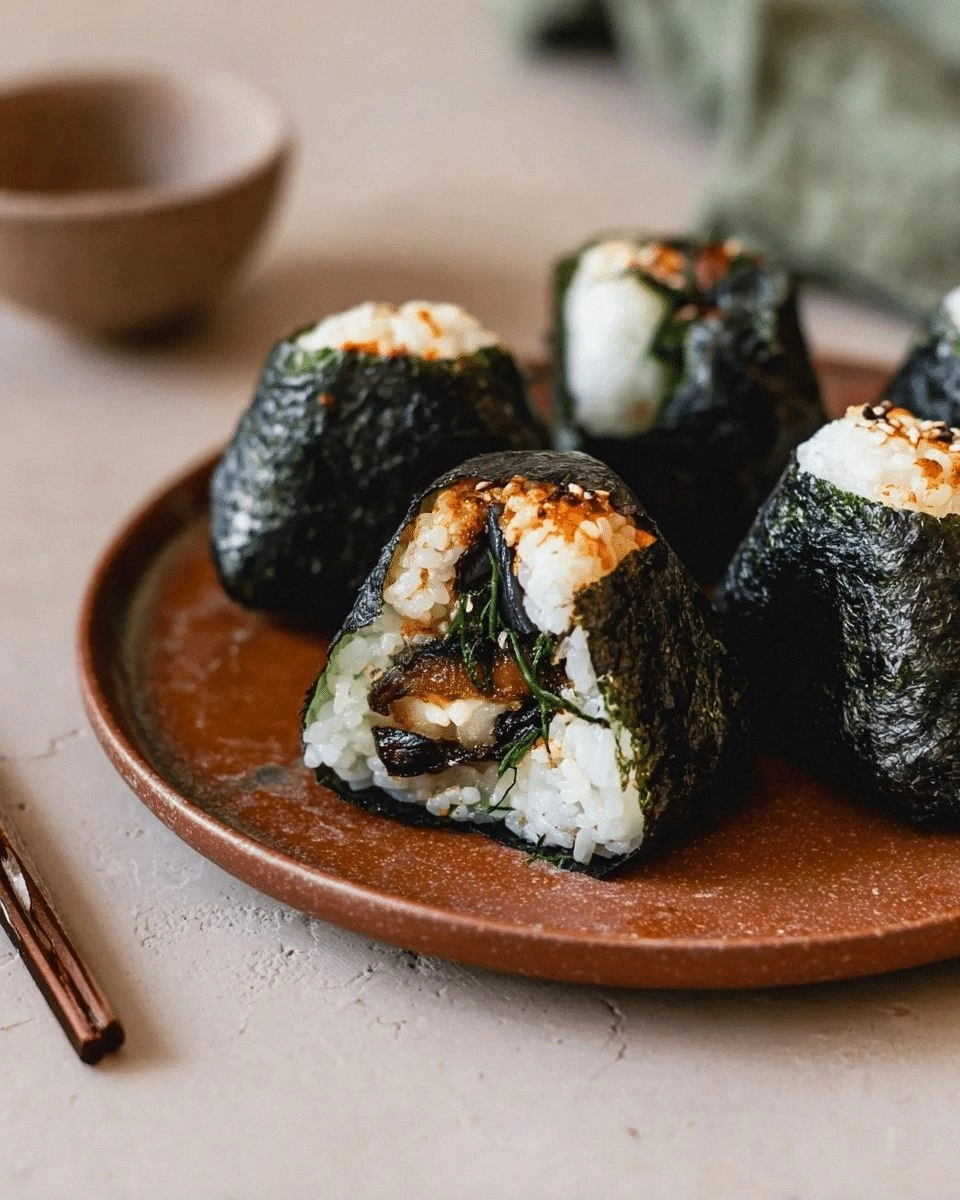
Picture this: a golden onigiri shape, the rice grains hugging the miso‑coated eggplant like a secret, the subtle crunch of toasted sesame seeds, and the faint scent of nori curling around the edges. The first bite is a symphony—soft rice, smoky eggplant, the sweet bite of mirin, and that unmistakable umami punch that makes your taste buds do a little jig. The texture is a delightful contrast: the rice is tender yet firm, the eggplant is silky with a hint of char, and the sesame seeds add a satisfying snap. The heat from the pan still lingers on your palate, a gentle reminder of the sizzle that started the whole affair.
What makes this version stand out? It’s not just the ingredients; it’s the technique, the layering of flavors, and the way each component sings in harmony. Most onigiri recipes rely on plain rice and a simple filling, but here we elevate the filling into a star with miso‑marinated eggplant, a touch of mirin for depth, and a sesame‑scallion garnish that adds freshness. The result is a dish that feels both comforting and adventurous, a perfect bridge between Japanese tradition and contemporary flavor.
I dare you to taste this and not go back for seconds. This is hands down the best version you'll ever make at home. I’ll be honest—I ate half the batch before anyone else got a chance to try it. Most recipes get this completely wrong by over‑cooking the eggplant or under‑seasoning the rice. Here’s what actually works: a quick sear to lock in flavor, a gentle simmer to meld the miso, and a final touch of sesame oil that coats the rice like velvet. Picture yourself pulling this out of the pan, the whole kitchen smelling incredible, the steam curling like a fragrant cloud. And if you’re ready for the game‑changer, stay with me—this is worth it.
What Makes This Version Stand Out
- Taste: The miso and mirin create a layered umami profile that feels like a warm hug. The eggplant’s char adds depth without overpowering the rice.
- Texture: Soft, grainy rice meets silky eggplant and crisp sesame seeds, delivering a satisfying bite that never feels heavy.
- Simultaneous Simplicity: With only a handful of pantry staples, you can craft a gourmet dish that feels effortless.
- Uniqueness: The combination of miso‑marinated eggplant and nori‑wrapped onigiri is a fresh twist on a classic.
- Crowd Reaction: Friends and family who’ve tried other onigiri variations rave about the bold flavor and unexpected textures.
- Ingredient Quality: Using fresh, high‑quality miso and ripe eggplant elevates the dish beyond the average snack.
- Cooking Method: The quick sear and gentle simmer preserve the eggplant’s moisture while infusing it with miso.
- Make‑Ahead Potential: The onigiri can be prepared a day ahead, allowing the flavors to meld even further.
Inside the Ingredient List
The Flavor Base
Miso paste is the heart of this dish. It provides a deep, savory backbone that balances the sweetness of mirin and the subtle heat of sesame oil. Using a white miso (shiro miso) gives a milder, sweeter profile, while a red miso (aka miso) offers a bolder, earthier bite. If you can’t find miso, a small splash of soy sauce mixed with a teaspoon of sugar can mimic the umami, but the flavor depth will be noticeably less.
Mirin is the secret sweet whisper that tempers the saltiness of the miso. It adds a glossy sheen to the eggplant and a caramelized finish when heated. If you’re out of mirin, a mix of rice wine and a pinch of sugar works as a stand‑in, but remember to reduce the sugar slightly to avoid an overly sweet taste.
Soy sauce is a subtle enhancer that brings depth and saltiness. It also helps the miso sauce coat the rice evenly. If you prefer a lower sodium version, use a low‑sodium soy sauce and adjust the salt accordingly.
The Texture Crew
Short‑grain rice is essential for onigiri because its sticky texture holds the shape together. Cook the rice to a perfect, slightly firm bite—overcooked rice becomes mushy and will crumble. If you’re using a rice cooker, add a splash of rice vinegar to the water to give the grains a subtle tang that complements the miso.
Sesame oil adds a nutty aroma and a glossy finish to the rice. A few drops are enough to coat the grains, creating a silky coating that enhances the overall mouthfeel. If you’re allergic to sesame, a light drizzle of toasted olive oil can provide a similar sheen, though the flavor profile will shift slightly.
Toasted sesame seeds are the crunch factor. They add a subtle nutty flavor and a pleasing textural contrast. Toast them in a dry pan until golden and fragrant, then let them cool before sprinkling over the finished onigiri. If you’re avoiding seeds, finely chopped nuts like almonds or walnuts can substitute, though they will alter the crunch.
The Unexpected Star
Eggplant is the star of the show, but it’s the way we prepare it that truly transforms it. Slice the eggplant into thick, even pieces so they cook uniformly. Salt the slices lightly and let them sit for 10 minutes to draw out bitterness, then pat dry. This step ensures a tender, flavorful interior and a caramelized exterior that pairs beautifully with the miso.
Scallions add a fresh, bright note that cuts through the richness of the miso and sesame. Slice them thinly to distribute their flavor evenly across the onigiri. If you’re out of scallions, finely chopped chives or green onions work as a substitute.
The Final Flourish
Nori sheets provide structure and a subtle umami burst. Cut them into strips that fit the width of the onigiri, then wrap the rice and eggplant mixture around them. The nori adds a slightly salty, briny contrast that lifts the entire dish. If you’re allergic to seaweed, a thin sheet of toasted rice paper can mimic the texture.
Rice vinegar is used in the rice cooking stage to give the grains a slight tang. It balances the sweetness of the mirin and the saltiness of the miso, creating a well‑rounded flavor profile. If you’re avoiding vinegar, a splash of lemon juice can offer a similar acidity.
Everything’s prepped? Good. Let’s get into the real action...
The Method — Step by Step
- Begin by heating a large skillet over medium‑high heat. Add a tablespoon of sesame oil and swirl to coat the bottom. When the oil shimmers, place the seasoned eggplant slices in a single layer, ensuring they don’t overlap. Let them sear for 3–4 minutes on each side until they develop a caramelized crust. The sizzle when it hits the pan? Absolute perfection.
- While the eggplant cooks, whisk together the miso paste, mirin, soy sauce, and a splash of water until the mixture is smooth. Pour this sauce over the seared eggplant, reducing the heat to low. Let it simmer for 5 minutes, allowing the eggplant to absorb the umami flavors. The sauce should smell toasty and the eggplant should appear glossy and fragrant.
- Meanwhile, prepare the rice. Rinse 2 cups of short‑grain rice under cold water until the water runs clear. Cook the rice in a rice cooker or on the stovetop with the recommended water ratio. Once cooked, fluff with a fork and gently fold in rice vinegar, a pinch of salt, and a few drops of sesame oil. The rice should feel slightly sticky but not sticky enough to stick to your hands.
- Take a handful of rice (about ¼ cup) and shape it into a small, flat disc. Place a spoonful of the miso‑marinated eggplant in the center, then mold the rice around it, forming a compact triangle. Repeat until all rice and eggplant are used. The rice should hold its shape without crumbling.
- Wrap each rice‑eggplant mound with a strip of nori, tucking the ends to secure the shape. If the nori feels too dry, lightly spray it with water before wrapping to prevent tearing. The nori adds a subtle briny note that balances the richness of the filling.
- Garnish the onigiri with toasted sesame seeds and thinly sliced scallions. The seeds provide a delightful crunch, while the scallions add a fresh, bright counterpoint. If you’re a fan of heat, sprinkle a pinch of crushed red pepper flakes for a subtle kick.
- Serve the onigiri immediately, or let them rest for 10 minutes to allow the flavors to meld. If you’re preparing them ahead, wrap each in parchment paper and store in the refrigerator for up to 3 days. The next day, simply reheat in a steamer for 5 minutes to restore moisture.
That’s it—you did it. But hold on, I've got a few more tricks that'll take this to another level...
Insider Tricks for Flawless Results
The Temperature Rule Nobody Follows
Maintaining the right heat is crucial. If the skillet is too hot, the eggplant will burn on the outside and remain raw inside. If it’s too cool, the eggplant won’t caramelize. Aim for a medium‑high heat that allows the eggplant to sear in 3–4 minutes per side. A quick test: drop a few drops of water—if they sizzle and evaporate instantly, you’re at the right temperature.
Why Your Nose Knows Best
Smell is a powerful indicator of doneness. When the miso sauce is ready, it should emit a warm, toasty aroma, and the eggplant should smell slightly sweet and smoky. If the sauce is too thin, let it simmer longer until it thickens; if it’s too thick, add a splash of water to thin it out.
The 5‑Minute Rest That Changes Everything
After cooking the rice, let it rest for 5 minutes before shaping. This allows the grains to settle and makes the rice easier to handle. A friend tried skipping this step once—let me just say it didn’t end well. The rice was overly wet and the onigiri fell apart.
The Secret of the Perfect Nori Wrap
Wet the nori lightly before wrapping. This prevents it from cracking and ensures a snug fit. If you prefer a crispier nori, lightly toast it in a dry pan for a minute before using.
The Final Finish
Just before serving, drizzle a tiny amount of sesame oil over the onigiri. This gives a glossy sheen and a final burst of nutty flavor. If you’re serving a crowd, consider offering a small side of miso soup to complement the dish.
Creative Twists and Variations
This recipe is a playground. Here are some of my favorite ways to switch things up:
Miso‑Glazed Sweet Potato Onigiri
Swap the eggplant for diced sweet potato, and marinate it in the same miso mixture. The natural sweetness of the potato pairs beautifully with the umami, creating a comforting, sweet‑savory bite. Perfect for a cozy autumn lunch.
Spicy Kimchi Eggplant Onigiri
Add a spoonful of fermented kimchi to the miso sauce for a spicy, tangy kick. The fermented flavor adds depth, while the kimchi’s heat keeps the dish lively. Great for a quick dinner that’s both comforting and bold.
Citrus‑Infused Onigiri
Finish the miso sauce with a splash of yuzu or lemon juice for a bright, citrusy note. The acidity cuts through the richness, giving the onigiri a fresh, zesty finish. Ideal for spring or summer gatherings.
Vegan Protein‑Packed Version
Add diced tofu or tempeh to the miso sauce, letting it absorb the flavors. The protein boost makes the dish more filling, while the tofu’s mild taste complements the eggplant. A great option for plant‑based meals.
Cheese‑Lover’s Onigiri
Sprinkle grated cheese (such as mozzarella or cheddar) on top of the rice before wrapping. The cheese melts into a gooey, savory layer that pairs wonderfully with the miso‑marinated eggplant. A playful twist for those who love a cheesy snack.
Storing and Bringing It Back to Life
Fridge Storage
Wrap each onigiri in parchment paper and store in an airtight container in the refrigerator. They’ll stay fresh for up to 3 days. When ready to serve, let them sit at room temperature for 10 minutes to soften slightly.
Freezer Friendly
Place the wrapped onigiri on a parchment‑lined tray and freeze for up to 2 weeks. Once frozen, transfer them to a resealable bag for longer storage. Reheat by steaming for 5 minutes or microwaving on a damp paper towel for 30 seconds.
Best Reheating Method
The secret to reviving the onigiri is gentle steaming. Place them in a steamer basket over simmering water for 5 minutes. Add a splash of water before reheating to create steam, which restores moisture and keeps the rice from drying out.