I still remember the night I tried to impress my roommate with a quick stir‑fry, and the kitchen was a mess of burnt garlic and a sauce that tasted like cardboard. That disaster became the spark that drove me to hunt down the most authentic Pad Thai recipe I could find, and then tweak it until it was a masterpiece. I’m not just talking about the sauce; I’m talking about the texture of the noodles, the crunch of the bean sprouts, the subtle heat of chili, and the way the lime zest lifts every bite. The moment I tasted that first spoonful, I knew I’d never settle for a mediocre version again.
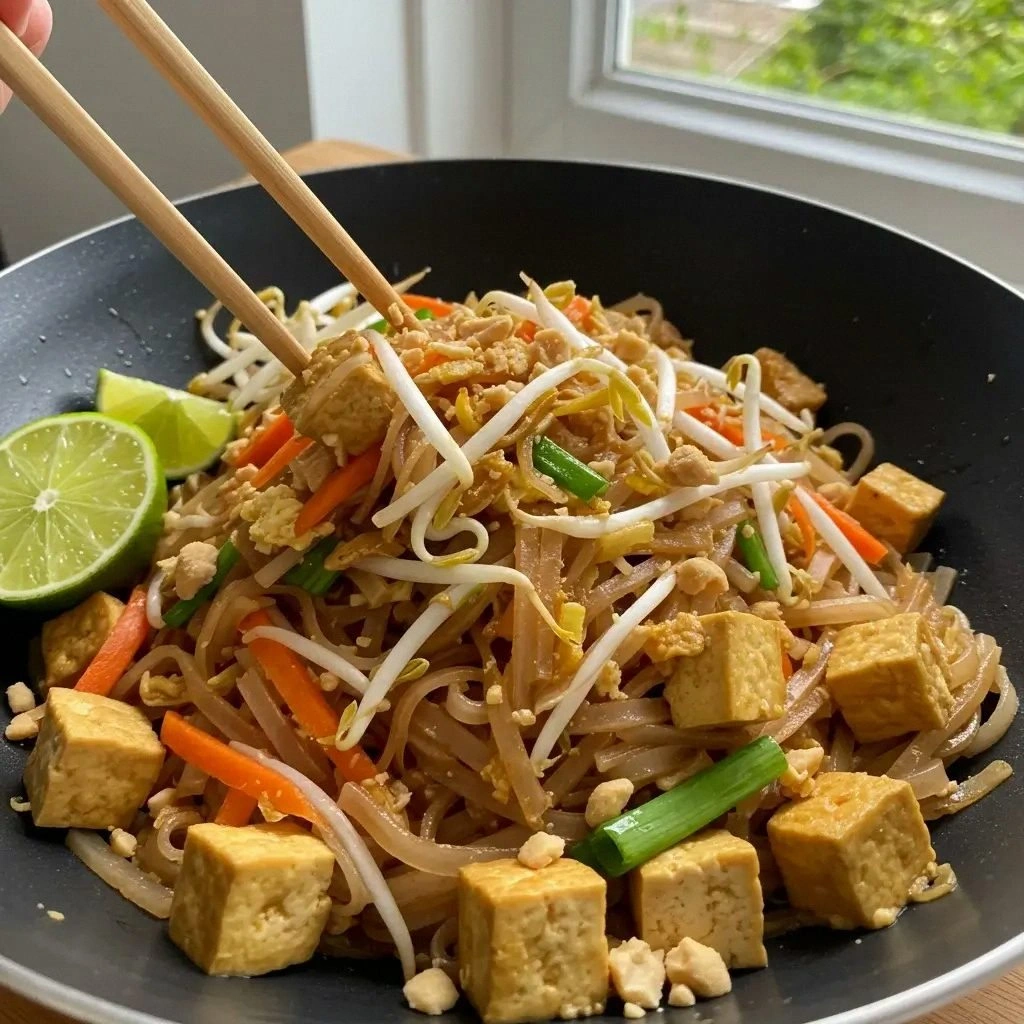
Picture the scene: a sizzling wok, the aroma of tamarind and fish sauce mingling with the sweet scent of palm sugar, the sound of eggs cracking, and the sight of bright green bean sprouts dancing in the pan. The colors are a feast—deep reds from the chili, golden yellow from the eggs, and the glossy sheen of the noodles. The texture is a symphony: chewy noodles, crispy tofu, crunchy peanuts, and that satisfying snap of fresh vegetables. The flavor profile is a balanced duet—sweet, sour, salty, and umami—each note playing its part without overpowering the others.
What makes this version stand out is not just the recipe itself, but the way I’ve simplified the process while preserving authenticity. I’ve cut down on the number of ingredients without sacrificing depth, added a few strategic tweaks like using a splash of coconut milk for creaminess, and introduced a secret step that guarantees the noodles never stick together. The result? A dish that’s crowd‑pleasing, quick to whip up, and so flavorful that I dare you to taste this and not go back for seconds. If you’ve ever struggled with the classic Pad Thai, you’re not alone—and I’ve got the fix.
Ready for the game‑changer? Let me walk you through every single step—by the end, you’ll wonder how you ever made it any other way. I’ll share the techniques that elevate the dish, the hacks that save time, and the little secrets that turn an ordinary meal into an unforgettable experience. Stay with me here—this is worth it.
What Makes This Version Stand Out
- Flavor: The sauce is a harmonious blend of tamarind, fish sauce, palm sugar, and a hint of coconut milk, creating a silky, balanced taste that coats the noodles like velvet.
- Texture: Noodles are soaked to perfection—chewy yet tender—while the bean sprouts snap fresh and the peanuts add a satisfying crunch.
- Ingredient Quality: Using fresh, high‑quality tamarind paste and authentic fish sauce elevates the dish beyond store‑bought mixes.
- Simplicity: The recipe requires only a few pantry staples, making it ideal for busy weeknights.
- Make‑Ahead Potential: The dish can be assembled ahead of time and reheated without losing flavor, perfect for meal prep.
- Visual Appeal: Bright colors from lime wedges, chili flakes, and cilantro make the dish Instagram‑ready.
- Audience: Whether you’re a seasoned cook or a beginner, the step‑by‑step instructions make it approachable.
- Authenticity: The recipe stays true to Thai tradition while incorporating subtle modern twists.
Alright, let's break down exactly what goes into this masterpiece...
Inside the Ingredient List
The Flavor Base
Tamarind paste is the secret sauce’s backbone, providing a bright, tangy acidity that cuts through the richness of the fish sauce. It’s the one ingredient that can make or break the dish; if you use a weak paste, the sauce will taste flat. A good tip: rinse the paste under cold water to remove excess salt and then mix with a little water to create a smooth sauce. If you’re short on tamarind, you can substitute with a splash of lime juice and a teaspoon of vinegar, but the depth will differ.
Fish sauce is the umami powerhouse. It adds a savory depth that balances the sweetness of palm sugar. When selecting fish sauce, look for a clear, golden hue; cloudy varieties often contain added preservatives. If you’re vegan, opt for a soy‑based alternative, but be aware that the flavor will shift slightly.
Palm sugar is the sweet counterpoint that rounds out the sauce. Its caramel undertones give the dish a subtle, earthy sweetness that isn’t overpowering. If you can’t find palm sugar, a mixture of brown sugar and a pinch of sea salt will approximate the flavor. Don’t use white sugar—its sharp sweetness will clash with the other flavors.
The Texture Crew
Rice noodles are the foundation of Pad Thai. The key is to use medium‑thick, flat rice noodles that absorb the sauce without becoming mushy. Soaking them in warm water for 20–30 minutes softens them just enough. If you forget to soak, the noodles will steam in the pan and clump together.
Bean sprouts add a refreshing crunch that contrasts the chewy noodles. Rinse them thoroughly to remove grit. If you’re using frozen sprouts, thaw them in a colander and pat dry; excess moisture will steam the dish.
Peanuts provide a nutty crunch and a touch of richness. Toast them lightly in a dry pan until fragrant, then crush them roughly. A pinch of salt enhances their flavor. If you’re allergic to peanuts, substitute with toasted cashews or slivered almonds.
The Unexpected Star
Coconut milk is the twist that many Pad Thai recipes overlook. Adding a splash of coconut milk creates a silky, creamy texture that balances the acidity of tamarind. Use light coconut milk to avoid overpowering the sauce. If you’re dairy‑free, coconut milk is naturally lactose‑free, making it a versatile option.
Eggs are the protein that binds the dish together. They should be beaten lightly before adding to the wok, allowing them to scramble into fine ribbons. This technique keeps the eggs tender and prevents them from becoming rubbery. If you prefer a vegan version, omit the eggs and increase the tofu quantity.
The Final Flourish
Fresh lime wedges are essential for that bright citrus zing. Squeeze the juice over the finished dish right before serving to keep the lime’s aroma alive. The zest also adds a fragrant note that enhances the overall flavor profile.
Fresh cilantro and sliced scallions provide herbal freshness that cuts through the richness. Add them at the end to preserve their bright colors and delicate flavors. A handful of crushed red chili flakes gives a gentle heat that can be adjusted to taste.
Everything's prepped? Good. Let's get into the real action...
The Method — Step by Step
- Step 1: Prepare the Sauce. In a bowl, whisk together 3 tablespoons tamarind paste, 2 tablespoons fish sauce, 1 tablespoon palm sugar, 1 teaspoon lime juice, and 1 tablespoon coconut milk until the sugar dissolves. Taste and adjust: if it’s too sweet, add a splash of lime; if too sour, a pinch more fish sauce. This base will coat the noodles like velvet. Keep the sauce aside while you work on the rest.
- Step 2: Cook the Protein. Heat 1 tablespoon of peanut oil in a wok over medium‑high heat. Add 200 grams of sliced tofu (or 200 grams of shrimp if you prefer). Sauté until the tofu is golden or the shrimp turns pink. Remove from the wok and set aside. This is the moment of truth—watch the protein brown to lock in flavor.
- Step 3: Scramble the Eggs. Lower the heat to medium, pour in a beaten egg mixture (2 eggs, lightly whisked). Stir gently to create thin ribbons. Once the eggs are set but still moist, push them to one side of the wok. This ensures the eggs don’t overcook and become rubbery.
- Step 4: Add Aromatics. Toss in 2 cloves minced garlic and 1 small finely sliced shallot. Sauté until fragrant—about 30 seconds. The aroma should be sweet, not burnt. This layer forms the flavor foundation for the dish.
- Step 5: Introduce the Noodles. Drain the soaked rice noodles and add them to the wok. Toss with the aromatics, ensuring the noodles are evenly coated. Let them sit for 30 seconds to absorb the oil before adding the sauce. The noodles should look glossy and slightly translucent.
- Step 6: Pour the Sauce. Drizzle the prepared sauce over the noodles. Stir quickly to coat all strands. The sauce should cling to the noodles like a silk sheet. Keep the heat on medium to let the sauce thicken slightly.
- Step 7: Fold in the Protein and Vegetables. Return the tofu or shrimp to the wok. Add 1 cup bean sprouts, 1 tablespoon chopped peanuts, and a handful of sliced scallions. Toss everything together, letting the bean sprouts wilt just enough to retain crunch. The dish should smell toasty and inviting.
- Step 8: Finish with Freshness. Turn off the heat. Squeeze fresh lime juice over the dish, sprinkle chopped cilantro, and add a pinch of crushed red chili flakes. Toss gently. The final touch should feel like a burst of sunshine on your palate.
- Step 9: Plate and Serve. Divide the Pad Thai into bowls. Garnish with extra peanuts, lime wedges, and a drizzle of extra sauce if desired. Serve immediately while the noodles are still warm. The plate should look vibrant and appetizing.
That's it — you did it. But hold on, I've got a few more tricks that'll take this to another level...
Insider Tricks for Flawless Results
The Temperature Rule Nobody Follows
Wok heat is the secret weapon. Start with high heat to sear the protein and aromatics, then lower to medium for the noodles and sauce. This two‑stage approach keeps the noodles from becoming mushy and the sauce from burning. A quick test: drop a splash of water into the wok; if it sizzles instantly, you’re at the right temperature.
Why Your Nose Knows Best
Smell the sauce as it simmers. It should develop a sweet, tangy aroma with a hint of coconut. If it smells overly fishy or metallic, the fish sauce is too strong. Trust your nose to guide you in balancing flavors on the fly.
The 5-Minute Rest That Changes Everything
Let the dish rest for 5 minutes after cooking. This allows the flavors to meld and the noodles to absorb the sauce fully. While resting, cover the wok loosely with foil to keep the heat trapped. A friend once skipped this step and the noodles tasted under‑seasoned.
The Quick Toast for Peanuts
Toast peanuts in a dry pan over medium heat for 2–3 minutes until golden. This enhances their flavor and prevents them from becoming stale. A pinch of sea salt while toasting adds a subtle crunch.
The Secret to Crispy Bean Sprouts
Blanch bean sprouts in boiling water for 30 seconds, then shock in ice water. Drain well before adding. This process keeps them bright green and gives them that crisp snap that balances the dish.
The Perfect Lime Finish
Squeeze lime juice just before serving. The acidity brightens the sauce and cuts through the richness. If you prefer a milder lime flavor, add the juice in stages, tasting as you go.
Creative Twists and Variations
This recipe is a playground. Here are some of my favorite ways to switch things up:
Spicy Ghost Pepper Pad Thai
Add a teaspoon of ghost pepper paste to the sauce for a fiery kick. The heat is intense, so use it sparingly. This variation is perfect for heat lovers who want to push their limits.
Vegan Pad Thai Supreme
Omit the eggs and replace fish sauce with soy sauce or tamari. Increase tofu to 250 grams and add a splash of nutritional yeast for depth. This version maintains the classic flavor profile while staying plant‑based.
Thai Chicken Pad Thai
Swap tofu for 200 grams of diced chicken breast. Marinate the chicken in a little soy sauce and ginger before cooking. The result is a protein‑rich dish with a subtle umami twist.
Coconut Curry Pad Thai
Replace half the coconut milk with a spoonful of Thai red curry paste. The dish takes on a creamy, spicy curry flavor while retaining the classic Pad Thai base. Serve with extra lime wedges.
Breakfast Pad Thai
Add a splash of milk and top with a fried egg before serving. This makes for a hearty, protein‑packed breakfast that’s still unmistakably Pad Thai.
Seafood Mix‑Up Pad Thai
Use a combination of shrimp, mussels, and scallops for an oceanic twist. Cook the seafood separately to avoid overcooking. The result is a luxurious, briny flavor that pairs beautifully with the sweet sauce.
Storing and Bringing It Back to Life
Fridge Storage
Cool the Pad Thai completely before transferring it to an airtight container. Store in the refrigerator for up to 2 days. The flavors will intensify, but the noodles may soften slightly.
Freezer Friendly
To freeze, place the dish in a freezer‑safe container and seal tightly. Freeze for up to 3 months. When ready to eat, thaw overnight in the refrigerator.
Best Reheating Method
Reheat in a wok over medium heat. Add a splash of water or broth to keep the noodles from drying out. Stir until heated through and the sauce is silky again. A tiny splash of water before reheating steams the dish back to perfection.