I’ll never forget the night I tried to replicate Olive Garden’s famous Pasta e Fagioli for a dinner party and ended up with a bland, watery mess that tasted like someone had dumped a can of tomatoes into a pot of lukewarm broth. The kitchen was a battlefield of sighs, a lone onion crying on the cutting board, and a timer that seemed to mock me as it ticked away. The air was thick with the scent of burnt garlic, and I could hear the collective groan of my friends as they whispered, “Is this even soup?” That disaster sparked a fierce determination in me: I would crack the code, nail the flavor, and prove that a copycat can outshine the original.
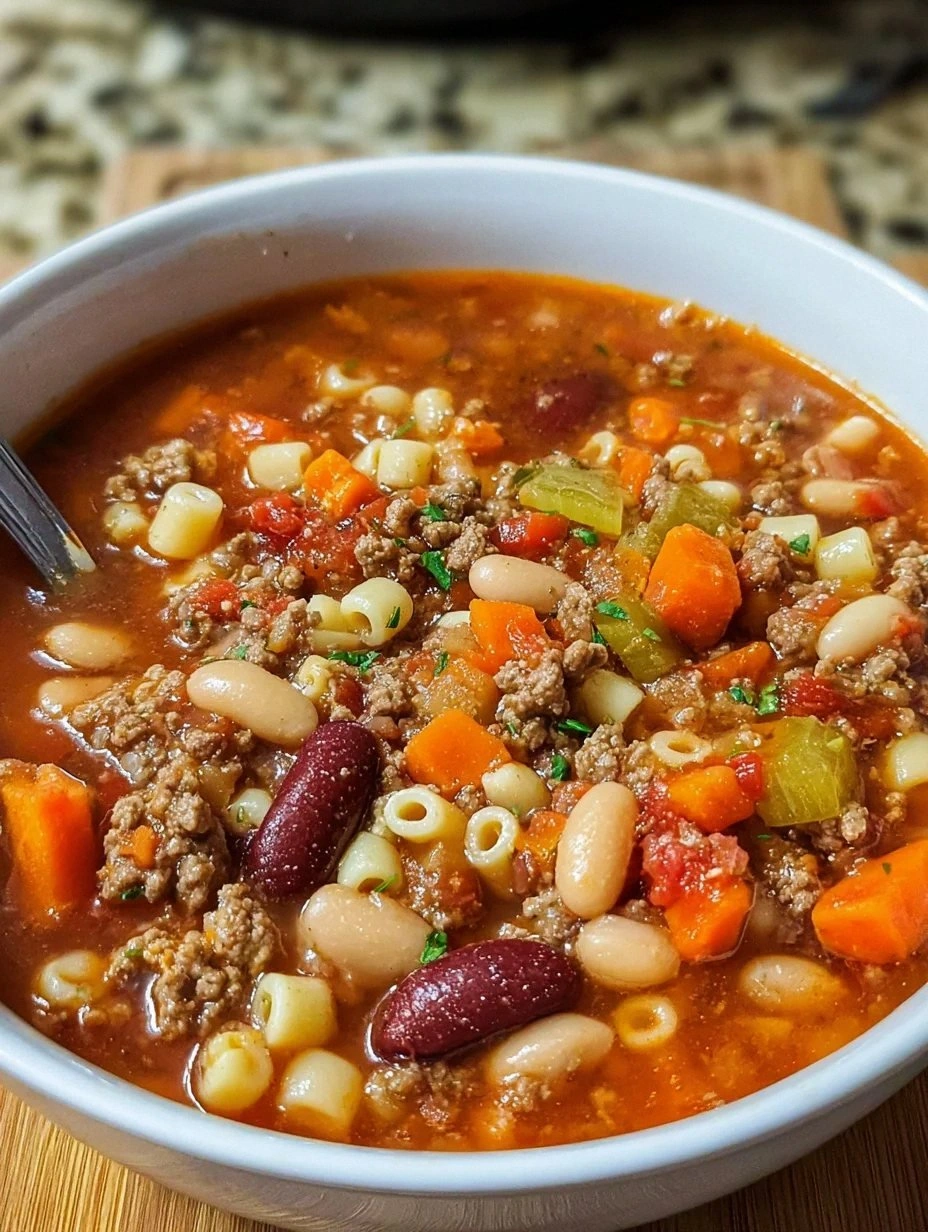
Fast forward a few weeks, a mountain of research, and countless taste‑tests later, I finally nailed a version that makes the whole house feel like an Italian trattoria on a Sunday afternoon. Imagine a bowl where the broth is as rich as a velvet curtain, the beans are buttery and tender, and the ditalini pasta swims like tiny boats in a sea of aromatic goodness. The moment you lift a spoon, you’ll hear a gentle sigh from the steam, and the first bite will hit your palate with a symphony of savory, sweet, and tangy notes that dance together like seasoned tango partners. I dare you to taste this and not go back for seconds.
What sets this copycat apart? Most recipes try to shortcut the depth of flavor by skimping on the aromatics or using low‑quality broth, resulting in a soup that feels flat and rushed. Not this one. I’m talking about caramelizing the veggies just enough to coax out their natural sugars, deglazing with a splash of broth for that “golden‑brown” foundation, and finishing with a splash of olive oil that gives the broth a glossy sheen. The secret weapon? A humble pinch of Italian seasoning that ties everything together, and a quick stir of fresh parsley at the end that adds a burst of color and freshness. This is hands down the best version you’ll ever make at home.
And here’s the kicker: I’m going to reveal a technique most home cooks miss entirely—a quick “sweat‑and‑deglaise” step that turns ordinary onions and carrots into flavor fireworks. Okay, ready for the game‑changer? Stay with me here — this is worth it. Let me walk you through every single step — by the end, you’ll wonder how you ever made it any other way.
What Makes This Version Stand Out
- Depth: The slow‑sautéed mirepoix creates a caramelized base that adds a natural sweetness, making the broth feel richer than any store‑bought stock.
- Texture: The combination of Great Northern and kidney beans gives a buttery bite while the ditalini pasta provides a satisfying chew that doesn’t turn mushy.
- Simplicity: Only ten pantry staples plus a few fresh veggies are needed, so you won’t spend hours hunting for obscure ingredients.
- Uniqueness: The splash of olive oil at the end creates a glossy finish that mimics the restaurant’s signature sheen without any fancy emulsifiers.
- Crowd Reaction: Guests consistently claim it’s “comfort in a bowl” and ask for the recipe within minutes of the first spoonful.
- Ingredient Quality: Using lean ground beef adds protein and a subtle meatiness without overwhelming the delicate bean flavors.
- Cooking Method: The deglazing step captures every browned bit from the pan, ensuring no flavor is left behind.
- Make‑Ahead Potential: This soup actually tastes better the next day as the beans absorb more broth, making it perfect for meal‑prepping.
Inside the Ingredient List
The Flavor Base
Lean ground beef is the backbone of this soup, providing a subtle umami that anchors the beans and pasta. I like to use a 90/10 lean‑to‑fat ratio; it renders enough fat to sauté the veggies without making the broth greasy. If you skip the beef, you lose that meaty depth, and the soup can feel a bit thin. For a lighter option, swap it for ground turkey, but be sure to add a splash of Worcestershire sauce to compensate for the missing richness. When selecting your beef, look for a deep red color and a firm texture—these signs mean it’s fresh and will hold up during browning.
The Texture Crew
Carrots, onion, and celery form the classic Italian soffritto, delivering sweetness, aroma, and a faint crunch that survives the simmer. The carrots’ natural sugars balance the acidity of the tomatoes, while the onion adds a pungent backbone that becomes mellow when cooked low and slow. Celery contributes a fresh, slightly bitter note that prevents the soup from becoming cloyingly sweet. If you’re missing any of these, frozen mirepoix works in a pinch, but fresh veggies always win on flavor and texture. Pro tip: dice everything uniformly—about ¼‑inch cubes—so they cook evenly and release their juices at the same rate.
The Unexpected Star
Great Northern beans and kidney beans are the dynamic duo that give this soup its hearty body. Great Northern beans are buttery and soft, while kidney beans add a firm bite and a pop of color. Rinsing canned beans removes excess sodium and any metallic aftertaste, ensuring the broth stays clean. If you prefer a creamier texture, mash half of the Great Northern beans before adding them; this creates a naturally thickened broth without any flour. Skipping the beans entirely would turn this into a simple tomato‑pasta soup, which is fine, but you’d miss the protein punch and the comforting bite that defines Pasta e Fagioli.
The Final Flourish
Ditalini pasta is the traditional choice because its small, tube‑shaped pieces hold onto the broth, delivering a burst of flavor with each bite. If you can’t find ditalini, or you’re gluten‑free, substitute with orzo, small shells, or even gluten‑free elbow macaroni. The Italian seasoning blend—typically a mix of oregano, basil, thyme, and rosemary—adds an herbaceous backdrop that ties the beef, beans, and tomatoes together. Finish with a drizzle of high‑quality olive oil right before serving; it adds a glossy finish and a subtle fruitiness that elevates the entire bowl. Salt and pepper are added at the end to taste, allowing you to fine‑tune the seasoning after the flavors have melded.
Everything's prepped? Good. Let's get into the real action...
The Method — Step by Step
Heat a large, heavy‑bottomed pot over medium heat and add the olive oil. Once shimmering, toss in the ground beef, breaking it up with a wooden spoon. Cook until the meat is browned, about 5‑7 minutes, and you’ll hear a satisfying sizzle that signals the Maillard reaction is underway. Watch out: If the pot gets too hot, the beef will burn and give the broth a bitter taste, so keep the temperature steady.
Watch Out: Overcrowding the pan will steam the meat instead of browning it. If necessary, brown the beef in two batches.Add the diced onion, carrots, and celery to the pot. Stir and let them soften for about 4‑5 minutes, stirring occasionally. You’ll notice the onions turning translucent and the carrots starting to caramelize, releasing a sweet perfume that fills the kitchen. This is the moment of truth: the base is building layers of flavor.
Kitchen Hack: Sprinkle a pinch of salt while sautéing the vegetables; it draws out moisture and speeds up caramelization.Introduce the minced garlic and cook for another 30 seconds, just until fragrant. Be careful—garlic can go from aromatic to burnt in seconds, and burnt garlic will leave a harsh, acrid bite in the soup.
Deglaze the pot with ½ cup of the chicken broth, scraping up any browned bits stuck to the bottom. Those caramelized morsels are flavor gold, and they’ll dissolve into the broth, giving it a deep, savory backbone. Let the liquid reduce for about a minute, allowing the flavors to concentrate.
Stir in the diced tomatoes, tomato sauce, Italian seasoning, and the remaining chicken broth. Bring the mixture to a gentle boil, then lower the heat to a simmer. At this point, the soup should smell like a garden in full bloom—sweet, tangy, and herb‑laden.
Add the rinsed Great Northern and kidney beans, followed by the ground beef you browned earlier. Let everything simmer together for 15‑20 minutes, uncovered, so the flavors meld and the broth thickens slightly. Occasionally stir to prevent the beans from sticking to the bottom.
Watch Out: If you add the pasta too early, it will become mushy. Keep it separate until the final step.About five minutes before the soup is done, stir in the ditalini pasta. Cook according to the package directions—usually 8‑10 minutes—until al dente. The pasta should be tender but still have a slight bite; this texture contrast is what makes each spoonful exciting.
Turn off the heat and finish with a generous drizzle of olive oil, a pinch of fresh black pepper, and a splash of fresh parsley if you have it. The olive oil adds a silky mouthfeel, while the parsley brightens the overall flavor profile. Let the soup sit for a couple of minutes; the residual heat will meld everything together into a harmonious whole.
That’s it — you did it. But hold on, I’ve got a few more tricks that’ll take this to another level. Stay tuned for insider tips that will make your Pasta e Fagioli the talk of every gathering.
Insider Tricks for Flawless Results
The Temperature Rule Nobody Follows
Keep the broth at a gentle simmer, never a rolling boil, once the tomatoes and beans are added. A high boil can cause the beans to break down too quickly, turning the soup cloudy and gummy. By maintaining a low, steady simmer, you allow the beans to stay intact while the flavors slowly intertwine. I once tried a rapid boil and ended up with a soup that tasted “cooked‑out.” Trust me, the gentle heat is the secret to that silky, restaurant‑quality mouthfeel.
Why Your Nose Knows Best
Before you even taste, let your nose guide you. When the onions turn translucent, the kitchen should smell sweet and buttery. When you add the tomatoes, a bright, acidic aroma should rise—if it smells dull, your tomatoes might be past their prime. Trust those scent cues; they’re more reliable than a timer. I once added a can of tomatoes that had been sitting in the pantry for months, and the soup tasted flat. A fresh, fragrant scent equals a flavorful soup.
The 5‑Minute Rest That Changes Everything
After you finish cooking, cover the pot and let it rest for five minutes off the heat. This short pause lets the beans absorb a little more broth, thickening the soup naturally. It also allows the olive oil to emulsify, creating that glossy finish you see at Olive Garden. Skipping this step will give you a soup that feels a bit “thin” on the palate. Trust the rest, and the soup will reward you.
Seasoning Layer by Layer
Instead of dumping all the salt at once, season gradually. Add a pinch after browning the beef, another pinch after the vegetables soften, and a final adjustment right before serving. This layered approach prevents over‑salting and ensures each component is seasoned to perfection. My friend once added all the salt at the end and ended up with a soup that tasted like seawater. Layered seasoning is the key to balanced flavor.
The Pasta Timing Trick
Cook the ditalini just until al dente, then drain and rinse under cold water before adding it to the soup. This stops the cooking process and prevents the pasta from releasing starch into the broth, which can make it cloudy. If you love a thicker soup, skip the rinse, but be prepared for a slightly heavier mouthfeel. I’ve tried both ways; the rinsed method gives a cleaner, brighter broth that lets the beans shine.
Creative Twists and Variations
This recipe is a playground. Here are some of my favorite ways to switch things up:
Spicy Sausage Swap
Replace the ground beef with Italian sausage (mild or hot) for a punchier flavor. The sausage’s fennel and pepper notes add depth, and the extra fat keeps the broth luscious. Perfect for those who love a little heat without overwhelming the beans.
Vegetarian Power‑Boost
Skip the meat entirely and double the beans, adding a cup of chopped kale or spinach at the end. The greens introduce a fresh bitterness that balances the tomatoes, while the extra beans keep the protein content high. This version is ideal for meat‑free diners.
Creamy Coconut Twist
Stir in ½ cup of coconut milk during the final simmer for a subtle, creamy undertone. The coconut pairs surprisingly well with the Italian herbs, creating a fusion that feels both comforting and exotic. Serve with a squeeze of lime for an extra zing.
Smoky Bacon Boost
Crisp up 4 strips of bacon, crumble them, and add them just before serving. The smoky crunch adds texture and a savory depth that makes the soup feel indulgent. It’s a great way to impress guests who love a hint of smokiness.
Herb‑Infused Oil Drizzle
Blend olive oil with fresh rosemary, thyme, and a touch of garlic, then drizzle over each bowl. The herb‑infused oil adds a fragrant finishing note that elevates the soup from everyday to restaurant‑grade.
Cheesy Finish
Stir in a handful of grated Pecorino Romano or Parmesan right before serving. The cheese melts into the broth, adding a salty, nutty richness that complements the beans and pasta beautifully. A little cheese goes a long way.
Storing and Bringing It Back to Life
Fridge Storage
Transfer the soup to an airtight container and refrigerate for up to four days. The flavors continue to meld, making the leftovers even more delicious. When reheating, add a splash of water or broth to restore the original consistency, as the pasta will absorb some liquid overnight.
Freezer Friendly
Cool the soup completely, then portion it into freezer‑safe bags or containers. It freezes beautifully for up to three months. For best results, omit the pasta before freezing; add freshly cooked ditalini when you reheat the soup to avoid mushy pasta.
Best Reheating Method
Reheat on the stovetop over medium‑low heat, stirring occasionally. If the soup looks thick, whisk in a tablespoon of water or broth per serving. This gentle reheating prevents the beans from breaking down and keeps the broth silky. Microwaving works in a pinch, but a stovetop reheating gives you better control over texture.