I swear, the moment I walked into my kitchen that Tuesday, the universe conspired against me. The oven decided to throw a temper tantrum, the orange I’d just bought rolled off the counter like a mischievous marble, and the pomegranate—yes, the one I’d been saving for a special occasion—splattered its ruby seeds across the floor. I was standing there, orange juice dripping from my fingertips, pomegranate juice staining my favorite apron, and a sudden craving for something sweet, bright, and comforting slammed into me like a wave of citrus‑infused nostalgia. I thought, “If the universe is giving me a mess, I might as well turn it into a masterpiece.”
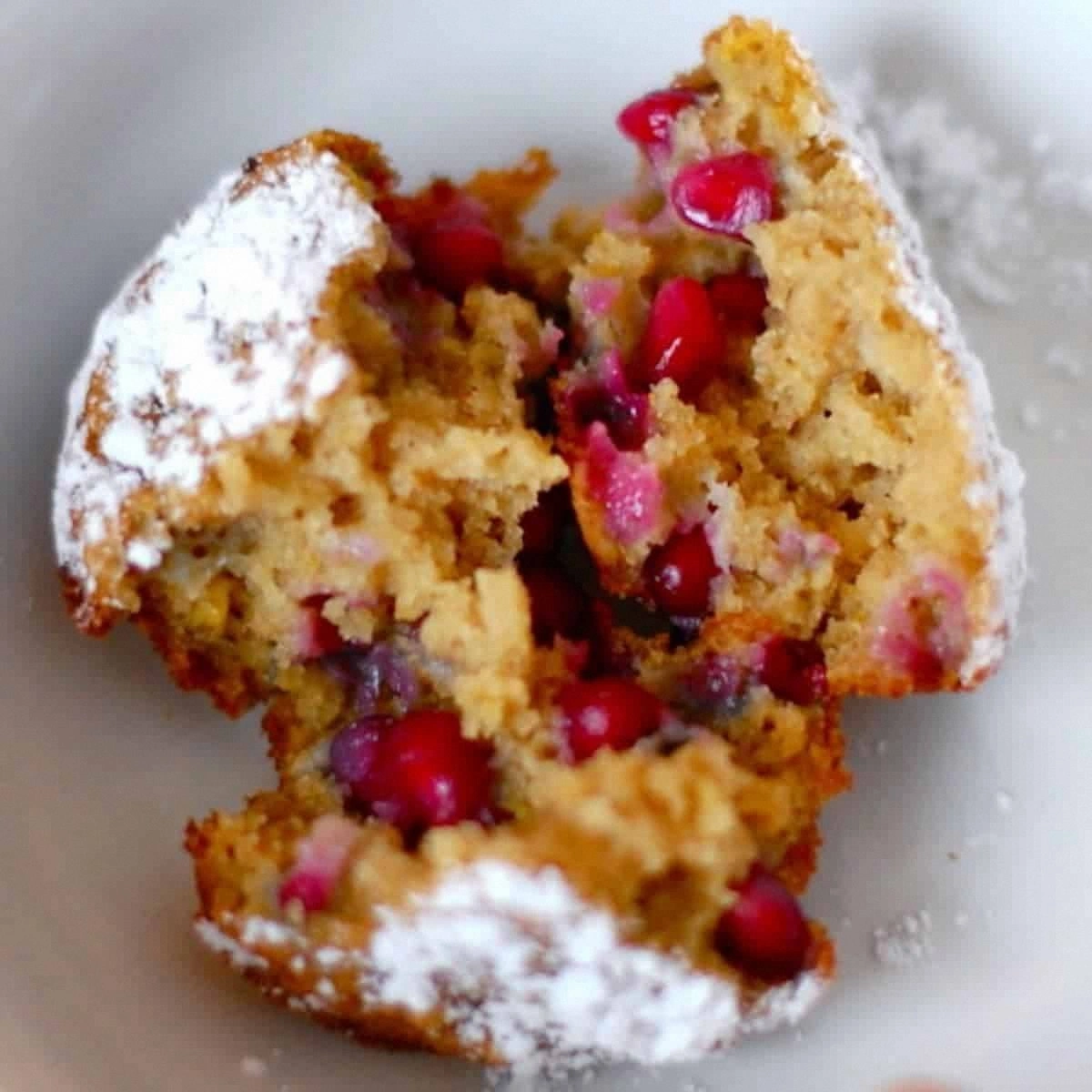
Fast forward an hour later, and the kitchen smelled like a sunrise in a glass jar: the zing of orange zest dancing with the deep, almost wine‑like perfume of pomegranate arils. The batter was a buttery, glossy river of gold, speckled with tiny ruby jewels that promised a burst of juicy sweetness in every bite. I could hear the faint hiss of the oven preheating, the soft thud of the muffin tin being set down, and the occasional pop of a seed as it hit the hot metal—each sound a tiny promise that this batch would be unforgettable. When I finally pulled the first batch out, the tops were a caramelized amber, the edges just shy of a perfect crack, and the interior was a tender, moist crumb that cradled the fruit like a secret lover.
Most muffin recipes out there either drown the fruit in sugar or forget the citrus altogether, leaving you with a bland, soggy disappointment. This version, however, is a bold marriage of sweet and bright, where the orange not only flavors the batter but also lifts the whole loaf with its natural acidity, while the pomegranate adds a pop of texture and a jewel‑like visual punch. I dare you to taste this and not go back for seconds; the balance is so spot‑on that you’ll feel like you’ve discovered a hidden culinary superpower. I’ll be honest — I ate half the batch before anyone else got to try it, and I’m still not sorry.
Okay, ready for the game‑changer? I’m about to reveal a tiny technique involving a quick zest‑infused butter that coats the flour like a silky veil, ensuring every crumb is uniformly flavored and unbelievably tender. This isn’t just a recipe; it’s a full‑on sensory experience that will have you picturing yourself pulling these golden crowns out of the oven, the whole kitchen smelling like a festive market stall. Let me walk you through every single step — by the end, you’ll wonder how you ever made it any other way.
What Makes This Version Stand Out
- Flavor Fusion: The orange zest and juice provide a bright, citrusy backbone that perfectly balances the natural sweetness of the pomegranate, creating a taste profile that’s both refreshing and indulgent.
- Texture Triumph: A buttery crumb meets a juicy burst of arils; the muffins stay moist thanks to yogurt, yet the tops develop a caramelized crust that cracks just enough to reveal the interior.
- Simplicity: Only pantry staples plus a couple of fresh ingredients are required, so you won’t need a specialty store run to pull this off.
- Unique Twist: The zest‑infused butter is the secret weapon that coats the flour, preventing over‑mixing and guaranteeing a tender crumb every single time.
- Crowd‑Pleaser: Guests will rave about the ruby‑red speckles; it’s a visual cue that says “I put effort into this,” and the flavor keeps them coming back for more.
- Ingredient Quality: Fresh orange and pomegranate are the stars; their natural oils and juices eliminate the need for artificial extracts.
- Cooking Method: Baking at a high initial temperature creates a quick rise and a beautiful dome, while finishing at a lower heat ensures even baking without drying out.
- Make‑Ahead Potential: These muffins freeze beautifully and can be reheated in a flash, making them perfect for busy mornings or a grab‑and‑go snack.
Inside the Ingredient List
The Flavor Base
Fresh orange zest is the aromatic heart of these muffins. The tiny, fragrant oils released when you grate the zest coat every bite with a bright, citrus punch that you can’t get from bottled extracts. If you skip it, you’ll lose that sunny, uplifting note that makes the muffins feel like a celebration in a bite. As a swap, you can use finely grated lemon zest for a sharper edge, but the orange’s natural sweetness is what ties the whole thing together.
Orange Juice: The juice adds moisture and a subtle acidity that balances the sugar and helps the muffins rise higher. Freshly squeezed is best; bottled juice can be too watery and lack the bright flavor. If you’re out of oranges, a mix of ¼ cup orange juice and ¼ cup pineapple juice gives a tropical twist without compromising texture.
The Texture Crew
All‑Purpose Flour: This is the structural backbone. It creates the gluten network that holds the muffin together, but because we’re adding butter to the flour (see the Kitchen Hack), the gluten stays tender. Using cake flour would make the crumb too delicate, while whole‑wheat would add a nutty flavor but a denser texture.
Greek Yogurt (or Buttermilk): The acidity in yogurt reacts with the baking soda, giving the muffins a light lift, while the fat contributes to a moist crumb. If you don’t have yogurt, substitute with the same amount of buttermilk or a plant‑based yogurt for a dairy‑free version.
The Unexpected Star
Pomegranate Arils: These ruby gems are the surprise element that turns an ordinary muffin into a show‑stopper. They burst with juicy sweetness and a slight tartness that cuts through the buttery base. If you can’t find fresh pomegranate, frozen arils work just fine—just thaw and pat dry before folding them in.
Butter: Melted butter is folded into the batter for richness, but the extra step of butter‑infusing the flour (see the hack) ensures each bite feels luxuriously soft. If you’re looking for a lighter version, swap half the butter for a neutral oil, but you’ll lose some of that buttery flavor depth.
The Final Flourish
Vanilla Extract: A splash of vanilla adds a warm, aromatic backdrop that ties the citrus and fruit together. It’s subtle, but without it the flavor profile can feel a bit flat. Use a high‑quality pure extract; imitation vanilla can leave a chemical aftertaste.
Spices & Leaveners: Baking powder and baking soda create the rise, while a pinch of salt amplifies the sweetness and balances the fruit’s acidity. Skipping the salt is a rookie mistake—your muffins will taste dull, no matter how much sugar you add.
Everything’s prepped? Good. Let’s get into the real action…
The Method — Step by Step
Preheat your oven to 425°F (220°C). This high heat at the start creates a rapid rise, giving the muffins that coveted domed top. While the oven warms, line a 12‑cup muffin tin with paper liners or grease it lightly with butter. The moment the batter hits the hot tin, you’ll hear a faint sizzle that signals the start of caramelization—trust me, that sound is pure magic.
Zest two large oranges using a microplane, being careful to avoid the white pith which can taste bitter. Transfer the zest into a small bowl, add the orange juice, and set aside. I dare you to taste this mixture raw; the bright citrus will already be dancing on your tongue, a preview of the flavor explosion to come.
In a medium saucepan, melt ½ cup (1 stick) unsalted butter over low heat. Once melted, stir in the orange zest mixture and let it simmer for 30 seconds—this step infuses the butter with citrus oils, creating a fragrant base that will coat every crumb. Remove from heat and let it cool just enough so it’s warm, not hot, to avoid cooking the eggs later.
Kitchen Hack: While the butter cools, whisk the flour, baking powder, baking soda, and salt together in a large bowl. Then drizzle the warm, zest‑infused butter over the dry ingredients and toss gently with a fork. This “butter‑flour” coating is the secret to a tender crumb, as it creates a barrier that limits gluten formation when the wet ingredients are added.
In another bowl, whisk together 2 large eggs, ½ cup granulated sugar, ¼ cup light brown sugar, and ½ cup Greek yogurt until the mixture is light and fluffy. The sugar will dissolve partially, giving the batter a glossy sheen. Add the cooled butter‑zest mixture, ½ cup orange juice, and 1 tsp vanilla extract, whisking until fully incorporated. At this point, the batter should smell like a sunrise—sweet, citrusy, and inviting.
Watch Out: When you fold the dry ingredients into the wet, do it gently. Over‑mixing will develop too much gluten, resulting in a dense muffin. Use a rubber spatula, folding until you see just a few streaks of flour; the batter will look slightly lumpy, and that’s exactly what you want.
Gently fold in ⅓ cup pomegranate arils, distributing them evenly without crushing. The seeds should remain whole, offering that satisfying pop when you bite into them. If you’re using frozen arils, make sure they’re completely thawed and patted dry, otherwise the batter will become watery.
Spoon the batter into the prepared muffin tin, filling each cup about three‑quarters full. For an extra touch of elegance, sprinkle a few additional pomegranate seeds on top of each muffin—this not only adds visual appeal but also ensures a burst of juice in every bite.
Bake at 425°F for 8 minutes, then reduce the temperature to 350°F (175°C) and continue baking for another 15‑18 minutes, or until a toothpick inserted into the center comes out clean with just a few moist crumbs. You’ll know they’re done when the tops have turned a deep amber and the edges start to pull away from the tin, creating a subtle “crack” that signals caramelization.
Remove the tin from the oven and let the muffins rest for 5 minutes before transferring them to a wire rack. This short cooling period lets the steam settle, preventing the tops from becoming soggy. While they cool, the lingering aroma will fill your kitchen, and you’ll find yourself reaching for a second batch before the first is even fully cooled—trust me, that’s a good problem to have.
Insider Tricks for Flawless Results
The Temperature Rule Nobody Follows
Most home bakers preheat to a single temperature and forget about the “high‑then‑low” method. Starting at 425°F creates a rapid oven spring, giving you that coveted dome, while dropping to 350°F ensures the interior cooks evenly without drying out. If you bake at a steady 375°F, you’ll end up with flat tops and a slightly dry crumb—trust me, the two‑stage bake is a game‑changer.
Why Your Nose Knows Best
When the muffins are about halfway done, open the oven door just a crack and take a sniff. If you detect a sweet, toasted aroma with a hint of citrus, they’re on track. If the scent is still raw or floury, give them another 2‑3 minutes. Your nose is a more reliable timer than any digital clock.
The 5‑Minute Rest That Changes Everything
After removing the muffins from the tin, let them sit on the rack for a solid five minutes before slicing. This rest allows the steam to redistribute, preventing a gummy center. Skipping this step is the most common reason for a soggy bottom, and I’ve seen countless muffins crumble because of it.
Gentle Folding, Not Whisking
A friend once tried to whisk the batter until it was completely smooth; the result was a dense, bread‑like muffin that could have doubled as a doorstop. The secret is to fold—use a spatula, turn the batter over on itself, and stop as soon as the flour disappears. The few lumps you see are actually a sign of a tender crumb.
Seasonal Swaps for Year‑Round Fun
If oranges are out of season, substitute with ½ cup of fresh mango puree and a splash of lime zest. The mango adds tropical sweetness, while lime keeps the bright acidity. This variation keeps the muffins exciting all year long, and the texture remains just as moist.
Creative Twists and Variations
This recipe is a playground. Here are some of my favorite ways to switch things up:
Chocolate‑Streaked Delight
Add ¼ cup dark chocolate chips to the batter and replace half the orange juice with espresso. The bitter chocolate balances the citrus, creating a sophisticated flavor that’s perfect for brunch.
Spiced Autumn Harvest
Swap orange zest for 1 tsp ground cinnamon and add ¼ cup diced dried apricots. The warm spices and chewy fruit give the muffins a cozy, fall‑ready vibe.
Nutty Crunch Fusion
Fold in ¼ cup toasted chopped pistachios and drizzle a light honey‑orange glaze after baking. The nuts add a satisfying crunch while the glaze amplifies the citrus notes.
Vegan Velvet
Replace the butter with coconut oil, use flax‑egg replacer (1 tbsp ground flaxseed + 3 tbsp water per egg), and swap yogurt for soy yogurt. The muffins stay moist, and the coconut oil adds a subtle tropical undertone.
Berry Burst Remix
Substitute half the pomegranate arils with fresh blueberries. The blueberries release a gentle jammy sweetness that pairs beautifully with the orange, creating a dual‑fruit experience.
Storing and Bringing It Back to Life
Fridge Storage
Place cooled muffins in an airtight container lined with a paper towel to absorb excess moisture. They’ll stay fresh for up to four days. If you notice the tops drying out, give them a quick brush of melted butter before reheating.
Freezer Friendly
Wrap each muffin individually in plastic wrap, then toss them into a zip‑top freezer bag. They freeze beautifully for up to three months. When you’re ready to enjoy one, let it thaw at room temperature for 15 minutes, then pop it into a 350°F oven for 5‑7 minutes.
Best Reheating Method
A tiny splash of water (about a teaspoon) on the muffin before microwaving for 20‑30 seconds creates a gentle steam that revives the crumb without making it soggy. For a crispier crust, reheat in a preheated toaster oven for 3‑4 minutes.