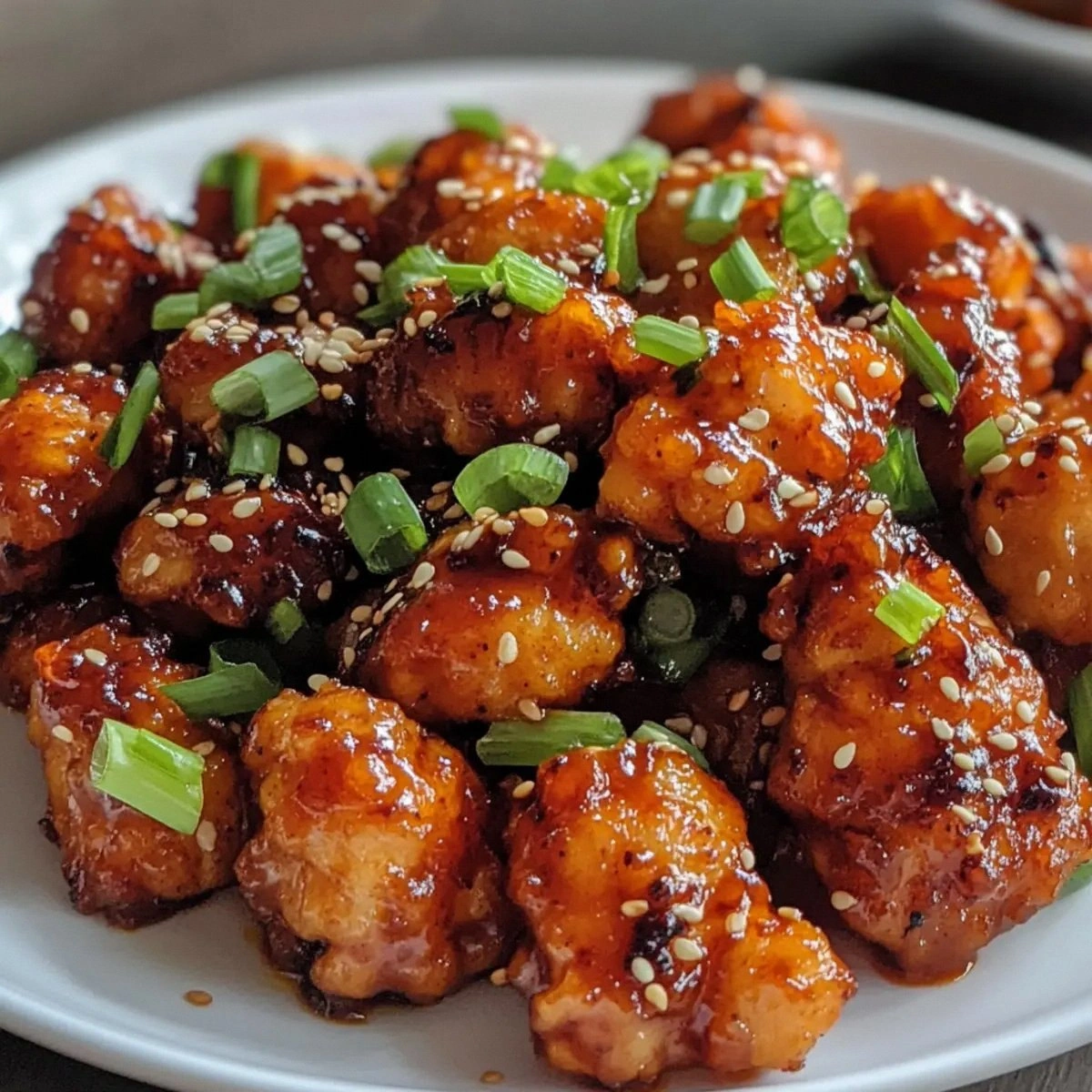
I swear, the first time I tried to make a quick stir‑fry, I ended up with a pan that looked like a battlefield—charred bits everywhere, soggy beans, and a flavor profile that could only be described as “meh”. I was half‑heartedly scrolling through recipe after recipe, each promising “restaurant‑quality” results, until a friend dared me: “Make a pork stir fry that will make even the most skeptical aunt ask for seconds.” I took the challenge, threw out the usual shortcuts, and discovered a combination of technique and a secret splash of Shaoxing wine that turned the whole thing into a celebration of crunch, umami, and just the right amount of heat. This version is the love child of classic Cantonese street food and my own kitchen experiments, and I’m convinced it’s the best you’ll ever make at home.
Picture this: the moment the peanut oil hits the hot wok, you hear a sizzle that sounds like fireworks on a summer night. The green beans immediately start to dance, their edges turning a vivid jade green while staying crisp enough to snap like a fresh spring twig. The pork mince, seasoned with dark soy and a whisper of sugar, caramelizes into tiny, glossy nuggets that cling to the beans like little jewels. As the garlic and ginger perfume the air, you can practically taste the aroma on the tip of your nose, a fragrant promise that the final dish will be a perfect balance of salty, sweet, and spicy.
Most stir‑fry recipes get the texture wrong—either the beans are overcooked and mushy, or the pork ends up dry and crumbly. I’ve cracked the code: a quick blanch of the beans, a high‑heat sear, and a finishing glaze that coats everything like a thin veil of silk. The secret weapon? A splash of Chinese cooking wine that lifts the flavors, plus a dash of chilli garlic sauce that adds a punch without overwhelming the palate. The result? A dish that sings, with each bite delivering a satisfying crunch, a juicy pork burst, and a lingering heat that makes you grin.
I dare you to taste this and not go back for seconds. I’ll be honest — I ate half the batch before anyone else got to try it, and that’s because the flavor sticks to your taste buds like a good love song. Okay, ready for the game‑changer? Let me walk you through every single step — by the end, you’ll wonder how you ever made it any other way.
What Makes This Version Stand Out
- Taste: The marriage of dark soy, Shaoxing wine, and a hint of sugar creates a deep, caramelized flavor that’s richer than any store‑bought sauce.
- Texture: Blanching the beans preserves their snap, while the high‑heat sear gives the pork a slightly crispy edge that shatters like thin ice.
- Simplicity: Only eleven ingredients, all pantry‑friendly, yet each one plays a starring role.
- Uniqueness: The chilli garlic sauce adds a nuanced heat that’s not just “spicy” but layered with garlic’s depth.
- Crowd Reaction: Even picky eaters get hooked; the bright green beans are a visual cue that this isn’t your ordinary weeknight dinner.
- Ingredient Quality: Using fresh pork mince and crisp, young green beans makes a noticeable difference in mouthfeel.
- Cooking Method: The quick‑fire wok technique locks in flavor and prevents sogginess, something most stovetop stir‑fries miss.
- Make‑Ahead Potential: The components can be pre‑pped hours ahead, making the final assembly a breeze for busy nights.
Inside the Ingredient List
The Flavor Base
Dark soy sauce is the backbone of this dish. Its deep, almost caramel‑like profile brings a savory richness that regular light soy can’t match. If you skip it, you’ll lose that lingering umami that makes each bite feel luxurious. Dark soy also adds a gorgeous mahogany hue that makes the dish look restaurant‑ready.
Chinese cooking wine, or Shaoxing wine, is the secret that lifts the entire flavor stack. It adds a subtle acidity and a faint fruity note that balances the pork’s fattiness. A good rule of thumb: never substitute with plain rice wine; the fermented depth of Shaoxing is irreplaceable. If you can’t find it, a splash of dry sherry works as a decent fallback.
White sugar isn’t just for sweetness; it helps caramelize the pork mince, creating those tiny glossy specks that cling to the beans. Without it, the sauce would sit flat, lacking that glossy sheen. Use granulated sugar for even distribution—no need for brown sugar here.
The Texture Crew
Green beans, at 300g for four servings, are the star of the show. Choose beans that are thin, tender, and still have a firm snap. If you buy pre‑trimmed ones, make sure they’re not overly soft; a quick bend test will tell you if they’re still fresh. Skipping the blanch step results in a soggy texture that defeats the purpose of a stir‑fry.
Pork mince, 220g, should be freshly ground for the best texture. It needs enough fat (around 15%) to stay juicy during the high‑heat sear. If you use lean meat, the pork will dry out, and the sauce will cling to the pan instead of coating the meat.
Peanut oil, with its high smoke point, is the ideal cooking fat. It handles the wok’s blistering heat without burning, and it adds a faint nutty undertone that complements the soy sauce. If you’re allergic, try grapeseed oil—it behaves similarly.
The Unexpected Star
Chilli garlic sauce, measured at 1½ tsp, is the game‑changer. It delivers heat that’s immediate yet fades into a lingering warmth, while the garlic adds depth. Too much, and the dish becomes a fire‑breather’s nightmare; too little, and you miss the signature zing. Adjust to taste, but start with the recommended amount and taste before adding more.
Fresh ginger, 2 tsp finely minced, brightens the palate and cuts through the richness of the pork. It also adds a subtle peppery bite that pairs beautifully with the garlic. If ginger isn’t your thing, a pinch of ground ginger can substitute, though you’ll lose some of the aromatic punch.
The Final Flourish
Sliced red chilli, added right before serving, provides a visual pop and a final burst of heat. The bright red against the green beans is a photographer’s dream, and the fresh chillies add a crisp, almost fruity heat that’s different from the sauce’s deeper spice. If you prefer milder heat, use just a few thin slices.
Rice of choice, ideally a short‑grain or jasmine, acts as the perfect canvas. It soaks up the sauce without becoming mushy, allowing each spoonful to deliver a balanced bite of grain, pork, and veg. Cook the rice a minute less than usual; it will finish steaming while the stir‑fry rests.
Everything's prepped? Good. Let’s get into the real action…

The Method — Step by Step
Start by trimming the green beans: snap off the ends, then cut them into bite‑size pieces about 2 inches long. Bring a pot of salted water to a rolling boil, add the beans, and blanch for exactly 90 seconds. You’ll see the beans turn a brighter green, and they should still have that satisfying snap when you bite them. Immediately transfer the beans to a bowl of ice water—this shock stops the cooking process and preserves their color. Drain and set aside.
While the beans are cooling, mince the garlic and ginger together. I like to use a micro‑plane for the ginger; it creates fine shreds that dissolve into the sauce. Toss the pork mince into a medium bowl, add a pinch of salt, the dark soy sauce, Shaoxing wine, white sugar, and half of the chilli garlic sauce. Mix with your hands until the pork looks glossy and the ingredients are fully incorporated. This coating step is crucial—if you skip it, the pork will taste bland.
- Kitchen Hack: Let the pork sit for 5 minutes after mixing. This allows the soy and wine to penetrate the meat, resulting in a deeper flavor.
Heat a wok or large skillet over high heat until it starts to smoke—about 400°F (200°C). Add 1½ tbsp of peanut oil and swirl to coat the surface. When the oil is shimmering, add the pork mince in a thin layer, spreading it out so each piece gets direct contact with the pan. Let it sear without stirring for 2 minutes; you’ll hear a satisfying sizzle and see the edges start to brown.
Now, stir the pork gently, breaking it into bite‑size pieces. As it cooks, the sugar will caramelize, creating a glossy coating that clings to each morsel. When the pork is about 80% done, push it to the side of the wok and add the remaining 1 tbsp of peanut oil.
Add the minced garlic and ginger to the hot oil. They should release a fragrant pop within seconds—if you smell burnt, the heat is too high. Stir quickly, letting the aromatics turn golden but not brown. This is the moment of truth; the kitchen should be filled with a scent that makes you want to lick the spoon.
- Watch Out: When you add the blanched beans, make sure the wok is still hot but not smoking. Over‑cooking them now will turn them mushy, ruining the texture.
Drain the beans thoroughly (no extra water) and toss them into the wok. Stir‑fry for 2‑3 minutes, allowing the beans to absorb the flavors and the edges to develop a slight char. You’ll notice the beans turning a deeper green with a hint of caramelized edges.
Combine the pork and beans, then drizzle the remaining ½ tsp of chilli garlic sauce and the rest of the dark soy sauce if you like a richer color. Toss everything together, letting the sauce coat each piece like a silky veil. Taste and adjust—add a pinch more sugar if you want extra gloss, or a splash more Shaoxing wine for brightness.
Finish by sprinkling sliced red chilli over the top for that final pop of color and heat. Turn off the heat, let the dish rest for a minute so the flavors meld. Serve immediately over steaming hot rice, and watch the whole family dive in. That sizzle when it hits the pan? Absolute perfection.
That's it — you did it. But hold on, I've got a few more tricks that'll take this to another level…
Insider Tricks for Flawless Results
The Temperature Rule Nobody Follows
A wok should be smoking hot before any oil touches it. If you’re using a regular skillet, preheat it for at least 3 minutes on high. This ensures that the pork sears instantly, locking in juices. I once tried a low‑heat start and ended up with pork that looked steamed rather than caramelized—definitely a lesson learned.
Why Your Nose Knows Best
Your sense of smell is the ultimate timer. When the garlic turns golden and the ginger releases its perfume, you know the aromatics are ready. If you wait too long, they’ll turn bitter; too short, and you’ll miss that depth. Trust your nose more than the clock.
The 5‑Minute Rest That Changes Everything
After the stir‑fry is done, let it sit off the heat for five minutes. This short rest lets the sauce thicken slightly and the flavors meld, similar to a steak resting after cooking. Skipping this step leaves the sauce a bit thin and the beans slightly hotter than desired.
The Secret of Ice‑Water Shock
Blanching the beans and then shocking them in ice water isn’t just for color; it also halts enzymatic activity that can cause over‑softening. The result is beans that stay crisp even after a minute of high‑heat stir‑frying. If you’re in a rush, a quick rinse with cold tap water works, but ice water is the gold standard.
Sauce Balance with a Tiny Sweetener
A teaspoon of white sugar does more than sweeten; it encourages caramelization, giving the pork that glossy finish. If you prefer a less sweet profile, reduce to half a teaspoon, but don’t eliminate it entirely—your sauce will lose its sheen.
Creative Twists and Variations
This recipe is a playground. Here are some of my favorite ways to switch things up:
Spicy Sichuan Kick
Swap the chilli garlic sauce for 1½ tsp of Sichuan peppercorn oil and add a pinch of dried chili flakes. The result is a tongue‑tingling, numbing heat that takes the dish to a whole new level of excitement. Perfect for those who love a little buzz.
Honey‑Glazed Sweetness
Replace half the white sugar with a tablespoon of honey. The honey caramelizes beautifully, giving the pork a subtle floral sweetness. This variation pairs wonderfully with a side of jasmine rice.
Coconut‑Infused Aroma
Add a splash of coconut milk (about ¼ cup) during the final stir. It creates a creamy coating that softens the heat and adds a subtle tropical note. Serve with basmati rice for a fragrant fusion.
Veggie‑Boosted Version
Throw in sliced bell peppers, carrots, or snap peas alongside the green beans. The added colors make the plate pop, and the extra crunch diversifies the texture. Use the same blanch‑then‑shock technique for any additional veg.
Protein Swap
Swap pork mince for ground chicken or turkey for a leaner version. Adjust the oil slightly to compensate for the lower fat content. The flavor profile stays intact, but the dish feels lighter.
Storing and Bringing It Back to Life
Fridge Storage
Transfer leftovers to an airtight container within two hours of cooking. They’ll keep fresh for up to three days. When reheating, add a splash of water or broth to revive the sauce’s sheen.
Freezer Friendly
Cool the stir‑fry completely, then portion into freezer‑safe bags. Press out excess air and label with the date. It freezes well for up to two months. Thaw overnight in the fridge, then reheat in a hot wok with a tiny drizzle of oil.
Best Reheating Method
The stovetop winces again: heat a splash of peanut oil over medium‑high, add the frozen or chilled stir‑fry, and toss quickly for 2‑3 minutes. The added water or broth prevents drying, and the beans regain their snap. Avoid microwave‑only reheating—it makes the beans soggy.