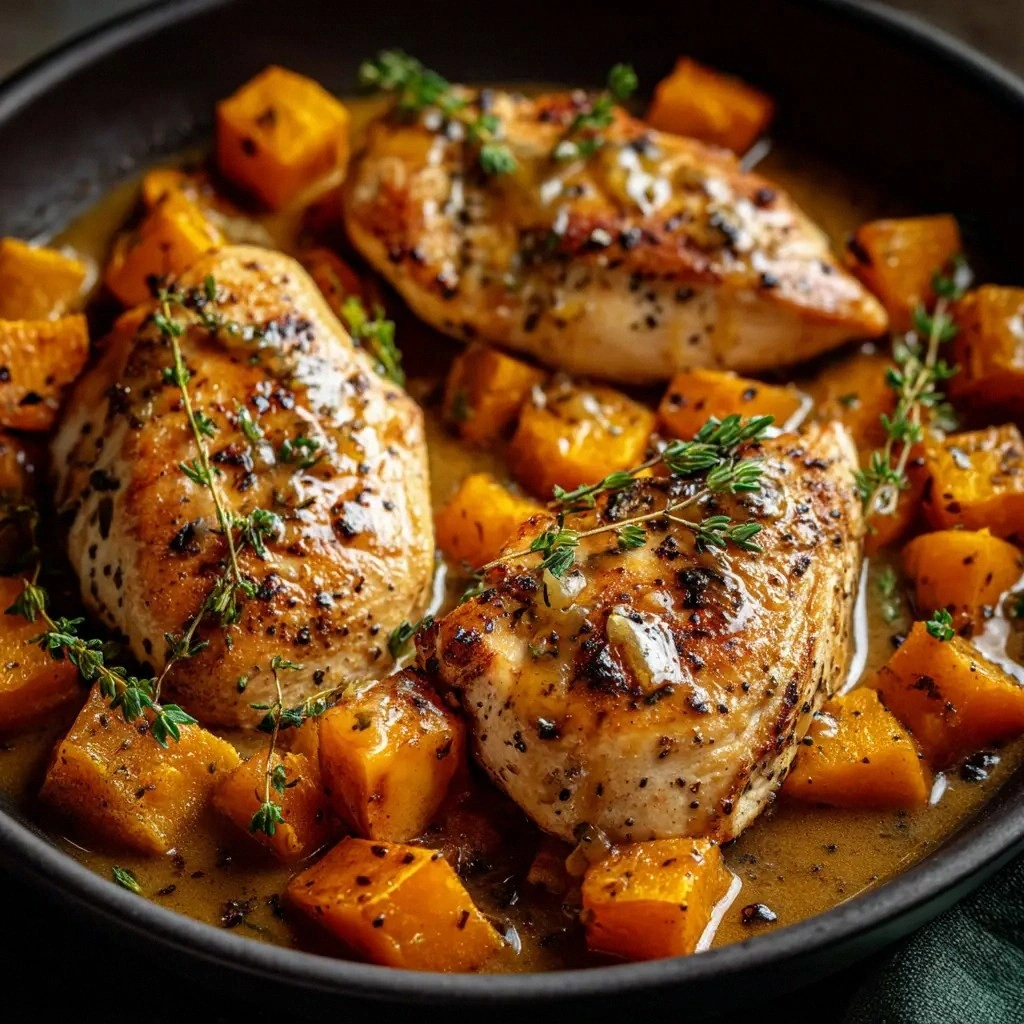
I’ve spent more nights staring at my pantry than I care to admit, and one evening, a burnt batch of carrots and a desperate craving for something warm collided into a culinary revelation. The kitchen smelled of caramelized sweetness and the faint sting of ginger, and I knew I had stumbled on something special. This isn’t just another carrot soup; it’s a roasted, velvety broth that turns humble root vegetables into a silky, comforting hug for your taste buds. The secret? A bold roasting technique that deepens the carrot’s natural sugars, paired with a bright zing of fresh ginger that cuts through the richness.
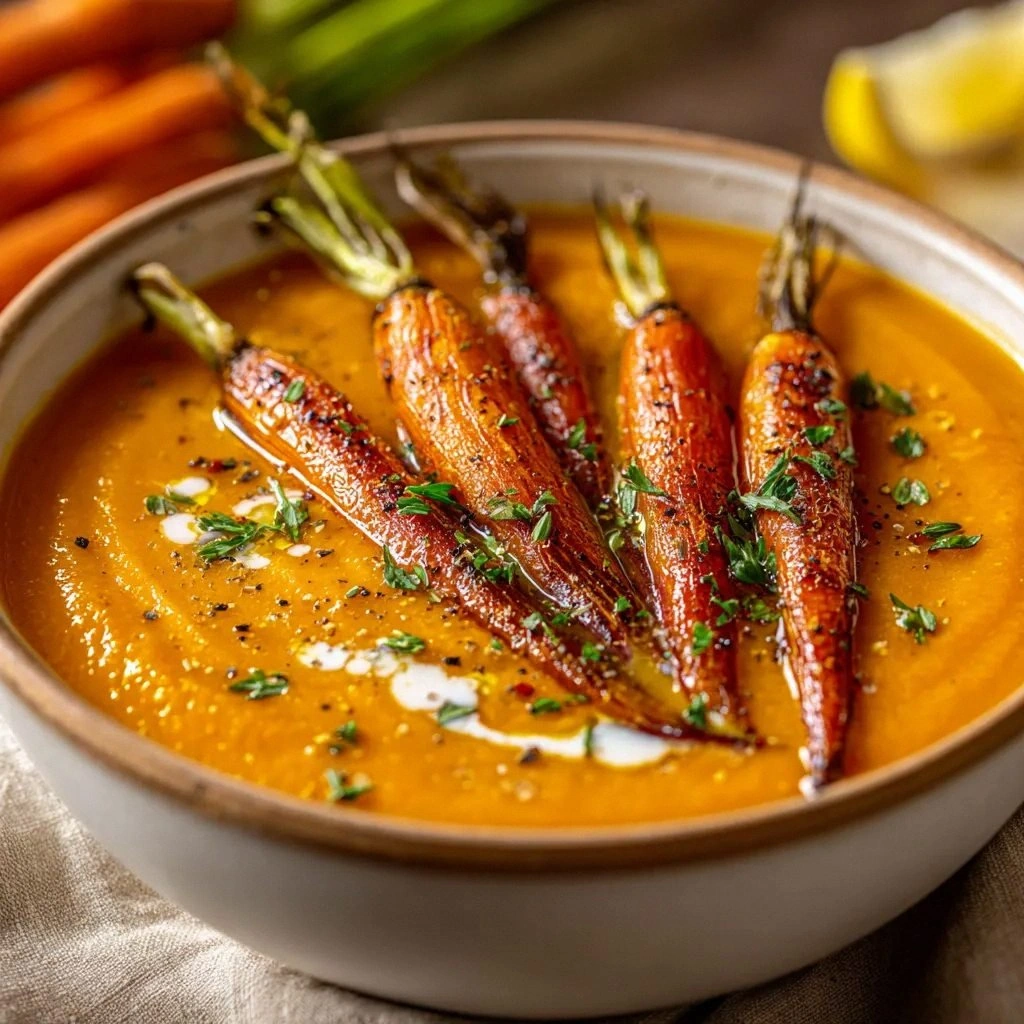
Picture the scene: a sizzling pan, the caramelized edges of carrots popping like tiny fireworks, the aromatic steam drifting up and mingling with the scent of toasted onions. You can almost hear the crackle of the caramel as the sugar turns to amber. The moment the ginger hits the pan, a subtle heat spreads through the air, hinting at the warmth that will unfold in the bowl. When you finally ladle the soup, the broth glistens like amber liquid, and the first spoonful is a burst of sweet, earthy flavor balanced by a citrus lift from lemon juice.
Why does this version feel like a game-changer? Because it takes the classic roasted carrot soup and amplifies every element: the roasting caramelizes the carrots to a depth that a quick simmer can’t match; the ginger’s bright, peppery bite adds a layer of complexity; the lemon juice lifts the sweetness without turning the soup sour; and the gentle simmer with broth brings everything together in a harmonious, silky texture. Most recipes get this completely wrong by either under-roasting the carrots or using too much liquid, which dilutes the flavor. I dare you to taste this and not go back for seconds.
I’ll be honest— I ate half the batch before anyone else got a spoon. The first spoon was so good I didn’t even notice the second. This is hands down the best version you’ll ever make at home, and I’ve got the proof in the form of a bowl that’s still steaming after the kitchen lights go out. If you’ve ever struggled with carrot soup that tastes bland or watery, you’re not alone—and I’ve got the fix. Stay with me here—this is worth it.
What Makes This Version Stand Out
- Roasting: The caramelization of carrots unlocks a natural sweetness that simmering can’t achieve. The browned edges add a subtle crunch when you scoop, giving each spoonful a delightful textural contrast. This technique turns a simple vegetable into a flavor powerhouse.
- Ginger: Fresh ginger is the secret weapon that injects a warm, peppery kick. It balances the sweetness of the carrots and adds a bright, invigorating note that keeps the soup from feeling heavy. A pinch of ginger is all you need to elevate the dish.
- Lemon Juice: A splash of acidity brightens the broth and cuts through the richness. Lemon juice also helps preserve the vibrant orange hue, making the soup visually stunning. It’s the perfect finishing touch that turns the soup into a refreshing, comforting experience.
- Texture: The combination of roasted carrots and a smooth, blended broth creates a velvety mouthfeel that coats the palate. The subtle crunch of the carrot bits adds a satisfying bite. This contrast makes every spoonful exciting.
- Ingredient Quality: Using organic carrots and fresh ginger ensures the brightest flavors. The quality of the vegetable broth matters; a homemade or high-quality store-bought broth provides depth. The result is a soup that feels indulgent yet wholesome.
- Make‑Ahead Potential: The soup keeps well in the fridge for up to five days and freezes beautifully. The flavors actually deepen when the soup sits, making it a convenient meal for busy days. The only thing you’ll miss is the fresh lemon juice, which you can add just before serving.
- Serving Versatility: Serve it as a starter, a light lunch, or a comforting dinner. Pair it with crusty bread or a crisp salad for a balanced meal. The soup’s bright, savory profile makes it a crowd-pleaser at any gathering.
- Time Efficiency: The roasting step takes only 30 minutes, and the total cooking time is under an hour. This means you can enjoy a gourmet bowl of soup without a long wait or complicated prep. It’s the perfect dish for a quick weeknight dinner.
Inside the Ingredient List
The Flavor Base
Carrots are the star of the show, and their natural sweetness shines through when roasted. They provide the body of the soup, creating a creamy texture once blended. If you skip carrots, the soup loses its signature flavor and becomes bland. For an extra depth, use a mix of orange and purple carrots; the purple adds a subtle earthiness.
The Texture Crew
Onion adds depth and a savory base that enhances the overall flavor. It’s the backbone that keeps the soup from feeling too sweet. If you’re avoiding onions, try a small amount of leeks or shallots instead. A finely diced onion will caramelize beautifully during roasting, adding a sweet undertone.
The Unexpected Star
Fresh ginger is the zesty root that adds a warm kick, making the soup comforting and invigorating. Ginger’s peppery notes balance the sweetness and add a bright, fresh aroma. If you can’t find fresh ginger, a small pinch of ground ginger will work, but the flavor will be less vibrant. A fresh ginger root also brings subtle health benefits, including anti-inflammatory properties.
The Final Flourish
Vegetable broth is the liquid gold that ties everything together, providing a savory backdrop. It’s essential for achieving the right consistency and depth of flavor. If you prefer a richer broth, use a homemade stock or a high-quality store-bought option. The broth’s flavor profile sets the tone for the entire soup.
Everything’s prepped? Good. Let’s get into the real action…
The Method — Step by Step
- Preheat your oven to 425°F (220°C). Trim the carrot stems and peel the carrots, then cut them into even 1-inch pieces so they roast uniformly. Toss the carrots with 1 tablespoon of olive oil, ensuring each piece is coated. Spread them in a single layer on a baking sheet lined with parchment paper. Roast for 25–30 minutes, stirring halfway, until the edges caramelize and the carrots are tender.
- While the carrots roast, dice the onion into small cubes. In a large pot, heat the remaining 1 tablespoon of olive oil over medium heat. Add the diced onion and sauté until translucent and slightly golden, about 5–7 minutes. The onions will develop a sweet, savory base that anchors the soup’s flavor.
- Grate the fresh ginger using a microplane or fine grater. Add the grated ginger to the pot, stirring for 1 minute until fragrant. The ginger releases a bright, peppery aroma that signals the soup is about to become extraordinary.
- Pour in the vegetable broth, bringing the mixture to a gentle simmer. Add the roasted carrots to the pot, then season with 1 teaspoon of salt and ½ teaspoon of freshly ground black pepper. Stir to combine and let the soup simmer for 15 minutes, allowing the flavors to meld.
- Use an immersion blender to puree the soup directly in the pot until it’s silky and smooth. If you prefer a chunkier texture, blend only half of the soup and leave the rest as is. The result should be a velvety broth with bright orange hues.
- Stir in 2 tablespoons of fresh lemon juice, adjusting the amount to taste. The acidity brightens the soup and balances the sweetness of the carrots. Taste and add more salt or pepper if needed.
- Let the soup rest for 5 minutes before serving. This brief rest allows the flavors to settle and the soup to thicken slightly. The rest is crucial for achieving the perfect mouthfeel.
- Serve the soup hot, optionally garnished with a swirl of cream, a sprinkle of chopped parsley, or a drizzle of extra virgin olive oil. A handful of toasted pumpkin seeds adds a delightful crunch. Enjoy the comforting warmth and bright flavors that make this soup unforgettable.
That’s it—you did it. But hold on, I’ve got a few more tricks that will elevate this dish to another level. Keep reading for insider tips that will make your soup even more spectacular.
Insider Tricks for Flawless Results
The Temperature Rule Nobody Follows
Many people think a high simmer is best for soups, but a gentle low simmer preserves the subtle flavors of carrots and ginger. Keep the heat at low-medium so the broth doesn’t evaporate too quickly. I’ve found that a low simmer allows the natural sugars in the carrots to caramelize in the pot, adding depth. A friend once tried a high boil and the soup lost its bright orange color.
Why Your Nose Knows Best
When the carrots begin to caramelize, the aroma will change from sweet to nutty. Trust your nose to know when the soup is ready. The scent of toasted carrots signals that the sugars have fully developed. I always pause at that moment and let the pot rest for a minute before adding the broth.
The 5‑Minute Rest That Changes Everything
After blending, let the soup sit for 5 minutes before serving. This brief pause allows the flavors to meld and the soup to thicken slightly. It also prevents the soup from being too hot when you first taste it. A quick rest is a small step that makes a big difference in texture.
Ginger: Fresh Over Powdered
Fresh ginger provides a vibrant, bright flavor that powdered ginger can’t match. The fresh root releases essential oils that give the soup its signature kick. If you only have powdered ginger, use only a pinch; it’s much stronger and can overpower the carrots. Fresh ginger is the secret to this soup’s irresistible aroma.
Serve With a Side of Warm Bread
A crusty baguette or a slice of sourdough pairs beautifully with the soup’s silky texture. The bread acts as a vehicle for the broth, allowing you to savor every flavor. Toast the bread lightly in the oven to add a hint of nuttiness. This simple addition elevates the entire meal.
Creative Twists and Variations
This recipe is a playground. Here are some of my favorite ways to switch things up:
Spicy Chili Twist
Add a pinch of cayenne pepper or a diced jalapeño during the sauté step. The heat pairs wonderfully with the sweet carrots, creating a balanced flavor profile. This version is great for a winter dinner when you crave something warming and spicy.
Creamy Coconut Finish
Replace half of the vegetable broth with coconut milk for a tropical twist. The coconut adds a subtle sweetness and a silky mouthfeel. Finish the soup with a swirl of coconut cream for an extra indulgent touch.
Herb‑Infused Variation
Stir in a handful of fresh thyme or rosemary before simmering. The herbs bring an earthy aroma that complements the ginger. This version is perfect for a brunch or a light lunch.
Roasted Sweet Potato Swap
Replace carrots with an equal amount of diced sweet potatoes for a different sweetness profile. Sweet potatoes caramelize beautifully and add a deeper orange hue. This variation is great for a cozy fall meal.
Add Protein with Chickpeas
Fold in a can of drained chickpeas during the last five minutes of simmering. The chickpeas add texture and protein, turning the soup into a more substantial dish. This is an excellent option for vegetarians or for those who want a heartier meal.
Smoked Paprika Accent
Sprinkle a teaspoon of smoked paprika over the finished soup. The smoky flavor adds depth and complexity. This twist is perfect for a dinner party where you want to impress guests with subtle flavors.
Storing and Bringing It Back to Life
Fridge Storage
Cool the soup completely before transferring it to an airtight container. Store in the refrigerator for up to five days. The flavors will deepen, giving you a ready-to-eat meal whenever you need it. When you’re ready to eat, reheat gently on the stove.
Freezer Friendly
Divide the soup into freezer-safe containers, leaving a little headspace. Freeze for up to three months. When thawing, let it sit overnight in the fridge, then reheat slowly on low heat. Adding a splash of water before reheating restores the original consistency.
Best Reheating Method
Reheat the soup on low heat, stirring occasionally to prevent scorching. If the soup appears too thick, add a little vegetable broth or water until it reaches your desired consistency. Finish with a squeeze of fresh lemon juice to brighten the flavors again.