Picture this: I was in the middle of a chaotic week, juggling deadlines, family dinners, and the eternal quest for the perfect sweet treat. I had just pulled a batch of salty pretzels from the oven, their edges crisped to a golden‑brown perfection, when a sudden craving hit me like a lightning bolt—caramel, salty, crunchy, and utterly irresistible. I stared at the pretzels, the kitchen lights flickering, and whispered, “Why not turn this into a bark?” I had never attempted a caramel bark before, but the idea was too delicious to ignore. This recipe is the culmination of that impulsive decision, a marriage of caramel’s silky richness and pretzels’ savory crunch that will make your taste buds do the cha‑cha.
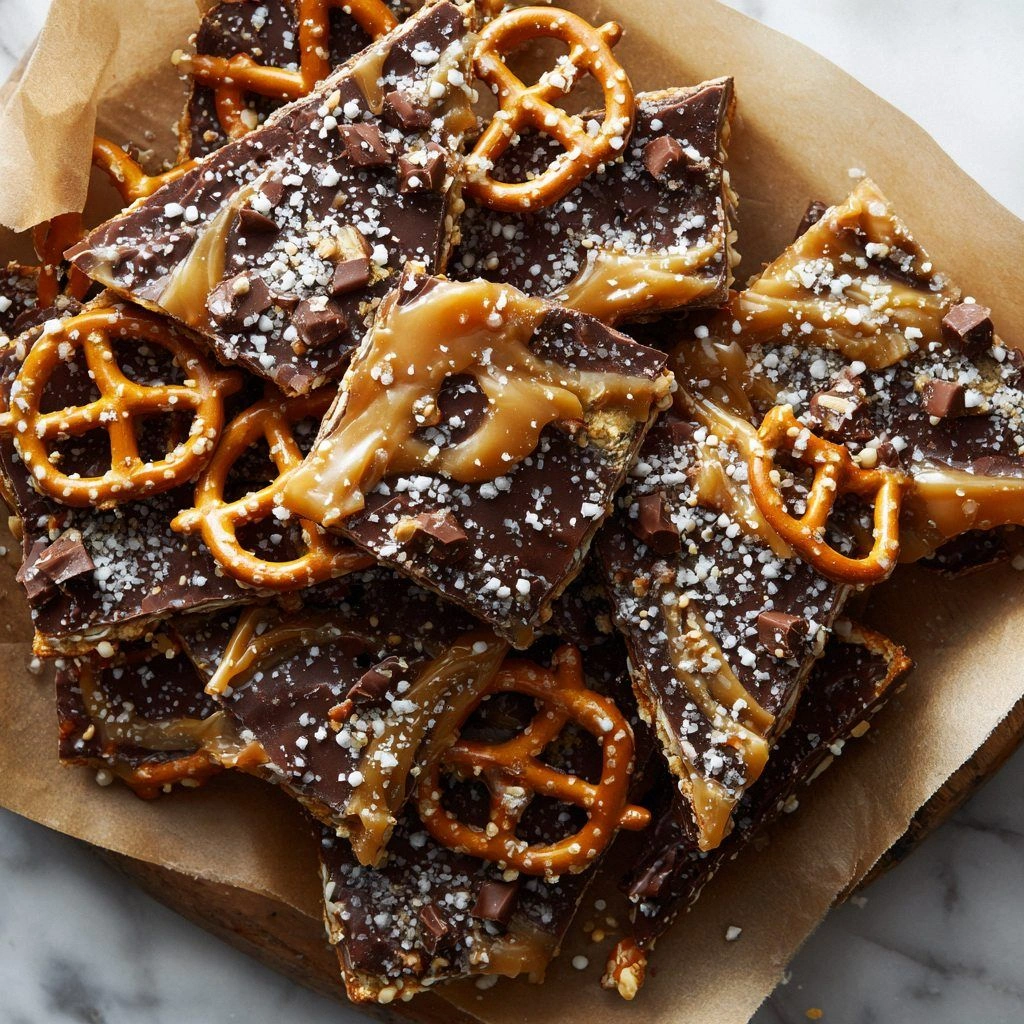
The first bite is a sensory explosion: the caramel coats your tongue like velvet, the pretzels snap with a satisfying crunch, and the sea salt glistens like tiny specks of stardust. The aroma that fills the kitchen is a sweet, buttery perfume with a hint of toasted sugar—like a campfire on a summer evening. The sound of the first crackle as the bark cools is a gentle reminder that something extraordinary is about to happen. The texture transitions from molten caramel to brittle pretzel in a single, glorious bite. The flavor is a harmonious balance of sweet, salty, and buttery, with a subtle bitterness that lingers long after the last crumb.
What sets this version apart is the meticulous attention to detail—from the precise ratio of brown sugars to the timing of the sea salt drizzle. I’ve spent countless hours tweaking the recipe to find the sweet spot where the caramel is glossy but not sticky, and the pretzels stay crunchy after cooling. The result is a bark that melts in your mouth, yet snaps cleanly when you break it, revealing the perfect contrast of textures. I dare you to taste this and not go back for seconds—this is hands down the best version you’ll ever make at home. I’ll be honest—my first attempt was a disaster, but I learned that a pinch of baking soda can save the day. And if you’ve ever struggled with caramel, you’re not alone—here’s the fix that turned my kitchen into a caramel wonderland.
If you’ve ever wondered why some caramel barks turn out gummy while others are crisp, the answer lies in the sugar composition and the cooking temperature. By using a blend of light and dark brown sugars, the caramel achieves a depth of flavor that pure sugar can’t match. The addition of heavy cream and a touch of vanilla elevates the caramel’s body, giving it a luxurious mouthfeel. Meanwhile, the pretzels provide the essential crunch that keeps the bark from becoming a sticky mess. The sea salt is not just a garnish; it’s a flavor enhancer that brings every bite to life. Stay with me here—this is worth it.
What Makes This Version Stand Out
- Taste: The caramel is a sweet‑savory symphony, balancing the subtle bitterness of dark brown sugar with the buttery richness of heavy cream. Each bite delivers a complex flavor profile that satisfies both sweet and salty cravings.
- Texture: The bark snaps cleanly, revealing a crunchy pretzel core that contrasts with the silky caramel coating. The result is a multi‑sensory experience that feels both indulgent and satisfying.
- Simplicity: With only a handful of ingredients, this bark can be whipped up in less than an hour, making it perfect for last‑minute entertaining or a quick dessert fix.
- Uniqueness: The combination of dark and light brown sugars, a splash of vanilla, and a pinch of baking soda creates a caramel that’s both deep and smooth—something you won’t find in standard recipes.
- Crowd Reaction: Guests rave about the perfect balance of sweet and salty, and many ask for the recipe after tasting it. It’s a conversation starter that leaves everyone wanting more.
- Ingredient Quality: Using high‑quality pretzels and premium brown sugars ensures a superior flavor profile and a professional finish.
- Cooking Method: The method relies on precise temperature control and gentle stirring, turning a simple stovetop process into a culinary triumph.
- Make‑ahead Potential: Once cooled, the bark can be stored in an airtight container for up to a week, making it an excellent make‑ahead dessert.
Alright, let's break down exactly what goes into this masterpiece. The recipe is a symphony of flavors, textures, and techniques, each carefully calibrated to produce a bark that is both indulgent and satisfying. Every ingredient is chosen for its role in the overall experience—whether it’s the caramel’s depth, the pretzels’ crunch, or the sea salt’s finishing touch. The result is a treat that feels like a luxury dessert but is surprisingly easy to make at home. Let’s dive into the ingredient list and discover why each component is essential.
Inside the Ingredient List
The Flavor Base
At the heart of this bark is a caramel sauce that marries light and dark brown sugars with heavy cream and a whisper of vanilla. Light brown sugar brings a subtle molasses note, while dark brown sugar adds depth and a slight caramel undertone. The heavy cream thickens the sauce, giving it a velvety texture that clings to the pretzels. Vanilla extract, though optional, elevates the caramel’s aroma, making it feel more luxurious. If you skip any of these, the caramel will lose its complexity, turning into a flat, one‑dimensional sweet.
The Texture Crew
Crushed pretzels are the star of this recipe, providing the essential crunch that balances the silky caramel. The pretzels should be broken into bite‑size pieces—too large and they won’t melt; too small and they lose their satisfying snap. Unsalted butter adds a rich, buttery flavor that enhances both the caramel and the pretzels, creating a cohesive taste profile. Baking soda, a tiny pinch, helps neutralize the caramel’s acidity, preventing crystallization and ensuring a smooth finish. Each ingredient in this group plays a pivotal role in the overall mouthfeel of the bark.
The Unexpected Star
Sea salt is more than a garnish—it’s a flavor enhancer that brings out the caramel’s sweetness and the pretzels’ savory notes. A light dusting on top before the bark sets creates a dramatic visual contrast and a burst of salty flavor with every bite. Some chefs add a pinch of chili powder for a subtle heat that elevates the overall experience, but this version keeps it simple to let the core flavors shine. If you prefer a sweeter bark, you can reduce the salt slightly, but be prepared for a less balanced finish.
The Final Flourish
Optional chocolate chips or chopped nuts can be folded into the caramel for added texture and flavor variation. Chocolate chips melt into the caramel, creating a rich, chocolate‑caramel swirl that’s hard to resist. Nuts, such as walnuts or pecans, add a nutty crunch that complements the pretzels. These additions are optional, but they’re a great way to customize the bark for different occasions or dietary preferences. Remember, the key to a flawless bark is to add these extras after the caramel has cooled slightly, so they don’t melt into the sauce.
Everything's prepped? Good. Let's get into the real action. The process is straightforward, but the timing and temperature control are crucial to achieving the perfect bark. Follow each step carefully, and you’ll end up with a dessert that looks as good as it tastes. The next section will walk you through every single detail, from melting the sugar to cooling the bark. Stay tuned, because the next part? Pure magic.
The Method — Step by Step
- Begin by crushing the pretzels into bite‑size pieces. Use a food processor or a sturdy bag and a rolling pin to achieve a uniform texture. The pretzels should be broken, not ground into a fine powder, to maintain their crunch. Place the crushed pretzels in a large heat‑proof bowl and set aside.
- In a medium saucepan, melt the butter over medium heat until it foams. Add the light brown sugar, dark brown sugar, and heavy cream. Stir constantly until the mixture reaches a smooth, glossy consistency. The mixture should not boil; keep it at a gentle simmer.
- Add the vanilla extract and a pinch of baking soda to the sauce. The baking soda neutralizes the caramel’s acidity and prevents crystallization. Stir until the soda fully integrates, and the mixture becomes slightly frothy. This step is crucial for achieving a silky caramel.
- Remove the saucepan from the heat and let the caramel cool for 30 seconds. This short rest allows the mixture to thicken just enough for the pretzels to coat without dripping. The caramel should still be pourable but not runny.
- Pour the caramel over the crushed pretzels, stirring gently to ensure every piece is coated. The caramel will cling to the pretzels, forming a glossy, sweet coating. If you’re using chocolate chips or nuts, fold them in now, allowing them to melt slightly into the sauce.
- Spread the coated pretzels onto a parchment‑lined baking sheet in an even layer. Press them lightly to create a uniform thickness. This ensures the bark cools evenly and snaps cleanly when broken.
- Sprinkle sea salt over the bark while it’s still warm. The salt should be distributed evenly, creating a subtle contrast of flavors with every bite. The warmth of the bark allows the salt to melt into the caramel, enhancing the overall taste.
- Let the bark cool to room temperature, about 20–30 minutes. As it cools, the caramel will set into a glossy, brittle shell. Once cooled, break the bark into bite‑sized pieces or use a knife to cut it into bars.
- Store the bark in an airtight container at room temperature for up to a week. For longer storage, place it in the refrigerator or freezer. When ready to serve, let it return to room temperature to restore its crisp texture.
That's it — you did it. But hold on, I've got a few more tricks that'll take this to another level. The next section will share insider tips that can elevate your bark from good to legendary. These are the secrets that professional bakers use to ensure consistency, flavor, and texture every single time.
Insider Tricks for Flawless Results
The Temperature Rule Nobody Follows
Most people believe that caramel is simply boiled until it reaches the desired color. In reality, the temperature is the single most critical factor. Use a candy thermometer and aim for 320°F (160°C) to achieve the perfect glossy caramel that’s not too hard. If you go above 350°F, the caramel will become brittle and crackly. If you stay below 310°F, it may stay too soft and sticky. This small tweak can make the difference between a mess and a masterpiece.
Why Your Nose Knows Best
When the caramel is near its final temperature, it will emit a sweet, buttery aroma that’s unmistakable. Trust that scent as a cue that your caramel is ready to be removed from heat. A friend once tried to skip this step and ended up with a burnt, acrid bark that nobody could eat. That’s why I always listen to my nose; it’s the quickest way to avoid a culinary catastrophe.
The 5‑Minute Rest That Changes Everything
After pouring the caramel over the pretzels, let the mixture rest for exactly five minutes before spreading it on parchment. This brief pause allows the sugar to settle and the pretzels to absorb the coating evenly. Skipping this step often results in uneven caramel distribution and a soggy texture. The five‑minute rest is a small but essential part of the process that ensures a consistent bite every time.
The Secret of Even Coating
Stirring the caramel gently after adding the pretzels prevents clumps from forming. Use a wide spatula to fold the mixture, ensuring every pretzel piece gets a thin, even layer of caramel. If you stir too vigorously, you’ll introduce air pockets that can cause the bark to crack when it cools. This technique is simple yet effective, and it guarantees a flawless finish.
The Timing of the Salt Sprinkle
Sprinkling sea salt on the bark while it’s still warm allows the salt to dissolve into the caramel, creating a subtle, integrated flavor. If you wait until the bark has cooled, the salt will sit on top and create a more pronounced crunch. Depending on your taste preference, you can experiment with the timing to achieve the desired saltiness. Most people find the warm salt sprinkle to be the most harmonious.
The Final Chill
Once the bark has cooled to room temperature, store it in an airtight container to maintain its crispness. If you plan to serve it later, let it sit at room temperature for a few minutes to restore the brittle texture. A quick chill in the fridge can make the bark too hard, so avoid over‑cooling. These small storage tricks keep your bark tasting fresh and crunchy for days.
Creative Twists and Variations
This recipe is a playground. Here are some of my favorite ways to switch things up:
Chocolate‑Caramel Pretzel Bark
Add a cup of dark chocolate chips to the caramel before it cools. The chocolate will melt into the sauce, creating a rich, chocolate‑caramel swirl that’s irresistible. Serve this version with a drizzle of sea salt for an extra layer of flavor. The chocolate adds depth and a silky texture that complements the crunchy pretzels. It’s perfect for chocolate lovers who want a bit of salt in their sweet.
Nutty Pretzel Crunch
Fold in a cup of chopped pecans or walnuts after the caramel has cooled slightly. The nuts add a delightful crunch and a nutty flavor that pairs beautifully with the caramel. Keep the nuts toasted beforehand to enhance their flavor and prevent them from becoming soggy. This variation is ideal for those who want a bit of protein and texture in their treat. The result is a bark that’s both indulgent and satisfying.
Spicy Salted Caramel Pretzel Bark
Add a pinch of cayenne pepper or a dash of smoked paprika to the caramel for a subtle heat. The spice complements the sweetness and adds a surprising kick that lingers on the palate. Use a light dusting of sea salt to balance the heat. This version is great for adventurous eaters who love a little spice in their desserts. The spicy caramel is a crowd‑pleaser at parties.
Vanilla‑Infused Caramel Pretzel Bark
Replace the vanilla extract with a vanilla bean or a splash of almond extract for a different aromatic profile. The vanilla bean’s natural sweetness enhances the caramel’s depth, while almond extract adds a subtle nutty note. This variation is perfect for those who enjoy classic vanilla flavors with a twist. The result is a bark that feels both familiar and fresh.
Mini Pretzel Bark Bites
Instead of spreading the bark on a large sheet, pour the caramel‑pretzel mixture into silicone molds or mini muffin tins. Once set, remove the bites and coat them with additional sea salt. These mini bites are perfect for parties, gift baskets, or as a sweet snack. The small size makes them easy to share and enjoy. They also freeze well, making them a convenient treat.
Coconut‑Infused Pretzel Bark
Add shredded coconut to the caramel before it cools. The coconut adds a tropical flavor and a pleasant chew that complements the crisp pretzels. Toast the coconut lightly for a nutty aroma. This variation is ideal for summer gatherings or when you want a touch of exotic flavor. The coconut-infused bark is both sweet and refreshing.
Storing and Bringing It Back to Life
Fridge Storage
Store the bark in an airtight container at room temperature for up to a week. Keep it away from direct sunlight or heat sources, which can cause the caramel to soften. If the bark starts to soften, let it sit at room temperature for a few minutes to regain its crispness. For longer storage, place it in the refrigerator, but remember to let it warm up before serving. The airtight container preserves the bark’s texture and flavor.
Freezer Friendly
For up to three months, wrap the bark tightly in plastic wrap and place it in a freezer bag. When you’re ready to enjoy, thaw it at room temperature for 15–20 minutes. The bark will retain its crunch and caramel flavor after freezing. Avoid refreezing once it has thawed, as this can affect the texture. Freezing is a great way to keep the bark fresh for special occasions.
Best Reheating Method
If the bark has become too soft, a quick reheat in the oven can restore its crispness. Preheat the oven to 300°F (150°C) and place the bark on a parchment‑lined tray. Warm it for 5 minutes, checking frequently to prevent burning. A tiny splash of water before reheating can create steam, helping the bark re‑crisp without losing flavor. Let it cool briefly before breaking into pieces.