I still remember the Wednesday night I almost ordered takeout instead of cooking — thank goodness I didn't. What started as a sad, empty fridge situation turned into the most ridiculously good dinner I'd made in months. Picture this: poblano peppers slowly charring on the stove, their skin blistering and popping while the kitchen fills with this smoky, earthy perfume that makes you forget you're in a tiny apartment and not some fancy cantina. Meanwhile, I'm whisking together a teriyaki sauce so glossy it looks like liquid mahogany, and the ground beef is sizzling away, breaking into these perfect little nuggets of umami that somehow taste like they've been marinating for days. The moment those two worlds collided — the sweet-savory teriyai meeting the mild heat of roasted poblanos — I literally stopped mid-bite and stared at my pan like it had just revealed the secrets of the universe.
Here's the thing: most stuffed pepper recipes are about as exciting as watching paint dry. They're dry, bland, and taste like someone gave up on life. But this? This is what happens when you let two culinary traditions have a wild night out together and nine months later, they birth something magnificent. The Japanese-American teriyaki brings that sticky, sweet-salty magic that clings to every grain of rice, while the poblanos bring this gentle warmth that builds slowly, like a summer sunset rather than a slap in the face. I dare you to taste this and not go back for seconds — actually, I dare you to not eat the entire pan standing at your stove.
If you've ever struggled with stuffed peppers that taste like wet cardboard and sadness, you're not alone — and I've got the fix. The secret isn't just in the sauce (though we'll get to that liquid gold in a minute), it's in understanding that poblanos aren't just green peppers with a fancy name. They've got this rich, almost fruity depth that plays beautifully with teriyaki's sweetness, plus they're sturdy enough to hold their shape without turning into mush. Most recipes get this completely wrong by using bell peppers that collapse into a watery mess, or worse — they don't char the peppers first, which is like making a cake and forgetting the sugar.
Stay with me here — this is worth it. By the time we're done, you'll know exactly how to pick poblanos that taste like they were kissed by Mexican sunshine, how to build a teriyaki that would make a Tokyo street vendor weep with joy, and how to bring it all together in under 45 minutes on a Tuesday night when you're this close to ordering pizza again. Picture yourself pulling this out of the oven, the whole kitchen smelling incredible, and actually impressing yourself with what just came out of your own stove. Let me walk you through every single step — by the end, you'll wonder how you ever made it any other way.
What Makes This Version Stand Out
Umami Bomb: We're not just mixing ground beef with bottled sauce and calling it a day. This teriyaki gets reduced until it's thick enough to coat a spoon, with fresh ginger and garlic that make your taste buds sit up and pay attention. The result is this glossy, sticky coating that clings to every bit of beef like velvet.
Texture Paradise: Most stuffed pepper fillings turn into homogeneous mush, but not here. The ground beef stays in these perfect little crumbles, mixed with just-cooked-through vegetables that still have bite, all nestled in a pepper that's tender but not collapsing. Every forkful gives you that satisfying variety — soft, crisp, juicy, chewy.
Weeknight Friendly: From fridge to table in 45 minutes, and most of that is hands-off time while things roast and simmer. While the peppers char, you make the filling. While the filling cooks, you make the rice. Everything comes together like a well-choreographed dance, no culinary degree required.
Unexpected Fusion: This isn't some random mashup that sounds good on paper but tastes confused. The mild heat of poblanos actually enhances teriyaki's sweetness, creating this third flavor that's neither fully Mexican nor fully Japanese — it's something new entirely, like they were always meant to meet.
Crowd-Pleasing Power: I've served this to picky kids who claim to hate vegetables, spice-averse friends who think black pepper is spicy, and food snobs who turn their noses up at fusion. Every single one went back for seconds and asked for the recipe. It's got that magical balance of familiar enough to be comforting, different enough to be exciting.
Ingredient Quality Flex: Use grass-fed beef and organic peppers, or hit up your regular grocery store — it doesn't matter. This recipe is so flavor-packed that even with basic ingredients, you'll get restaurant-quality results. Though I'll be honest, once you taste this, you'll probably start splurging on better beef because you'll want every advantage to make it even more incredible.
Make-Ahead Magic: The filling actually tastes better the next day after those flavors have had time to meld and deepen. Make a double batch on Sunday, stuff peppers throughout the week, or freeze the filling for emergency delicious dinners. Future you will be so grateful when you're staring into an empty fridge at 8 PM on a Thursday.
Inside the Ingredient List
The Flavor Base
Let's talk about the holy trinity that makes this whole operation sing: fresh ginger, garlic, and scallions. These aren't just aromatics to throw in the pan — they're the foundation of everything good that happens here. Fresh ginger brings this bright, almost citrusy heat that wakes up your palate and makes the beef taste beefier somehow. Garlic adds that deep, savory note that makes people close their eyes when they taste it. And scallions? They're like the conductor of this flavor orchestra, tying everything together with their gentle onion sweetness. Skip the jarred ginger paste here — I can taste the difference from across the room, and once you experience what fresh does for this dish, you'll never go back to the shortcut stuff.
The soy sauce situation is crucial, and here's where most recipes completely miss the boat. You need a good quality soy sauce — not the watery stuff that comes in plastic packets with takeout. Look for one that's been aged, with a deep, almost chocolatey color. It should smell complex, not just salty. I keep both regular and low-sodium versions around because as the sauce reduces, regular soy can get overwhelmingly salty, but low-sodium alone lacks depth. Mixing them gives you control over the final salt level while maintaining that rich umami punch that makes teriyaki what it is.
The Texture Crew
Ground beef choice matters more than you think, and I'm going to save you from the lean trap that ruins so many weeknight dinners. Everyone grabs 93/7 because it's "healthier," but here's what happens: it cooks up dry and crumbly, with none of that juicy satisfaction that makes you close your eyes when you eat. Go for 80/20 instead — yes, it's got more fat, but that's where the flavor lives, and most of it renders out anyway. The fat bastes the meat as it cooks, keeping everything moist and creating these little caramelized bits on the bottom of the pan that dissolve into the sauce and make it taste like it's been cooking for hours instead of minutes.
The vegetables in this aren't just filler — they're texture and flavor bombs that make every bite interesting. Water chestnuts stay crisp even after cooking, giving you that satisfying crunch that makes you wonder why every stuffed pepper doesn't have them. They soak up the teriyaki like little flavor sponges, then release it when you bite down. Carrots add sweetness and color, but here's the trick: cut them into tiny dice, not matchsticks. You want them to cook through but still have bite, not turn into mush that disappears into the beef.
The Unexpected Star
Now for the ingredient that makes people ask "what's that amazing flavor?" — it's rice vinegar, and it's about to become your secret weapon. Just a splash at the end brightens everything, cutting through the richness of the beef and the sweetness of the teriyaki like a squeeze of lemon on fresh fish. It's not enough to taste vinegary — it just makes all the other flavors pop and sing in harmony. I learned this trick from a Japanese grandmother who told me that every rich dish needs a little acid to keep it from tasting heavy, and she was absolutely right.
The sesame oil situation is another place where people go wrong — they either skip it entirely or dump in too much and end up with something that tastes like a sesame cracker. You want just a whisper, added at the very end so the volatile oils don't cook off. It should enhance, not dominate. Think of it like perfume — you want people to notice how good you smell, not what perfume you're wearing.
The Final Flourish
Those final touches that take this from really good to restaurant-level incredible? Toasted sesame seeds that add nuttiness and crunch, scattered on just before serving so they stay crisp. Fresh cilantro stems minced into the filling (not just the leaves — the stems have more flavor and hold up better to heat). And here's my favorite: a tiny drizzle of honey right at the end, just enough to round out the edges and make everything taste more like itself.
Everything's prepped? Good. Let's get into the real action...
The Method — Step by Step
- First things first: char those poblanos like you mean it. Get your largest skillet screaming hot — I'm talking about when you hold your hand over it, you can only keep it there for a second. Lay the peppers in dry, no oil, and don't touch them for at least three minutes. You want the skin to blister and blacken, creating these little burnt patches that look like you've ruined them. This isn't burning — it's flavor development. The high heat causes the skin to separate from the flesh underneath, and those charred bits add a smoky depth you can't get any other way. Turn them every few minutes until they're blistered all over and look like they've been through a war zone. Trust me, your kitchen will start smelling like a Mexican street market, and that's when you know you're on the right track.
- While the peppers are getting their tan, whisk together your teriyaki base in a small saucepan. Combine soy sauce, mirin, sake if you've got it (dry sherry works too), brown sugar, and a piece of ginger you've smashed with the side of your knife. Bring this to a gentle simmer — not a rolling boil, just enough to make tiny bubbles around the edges. Let it reduce by about a third, which should take around 10 minutes. You're looking for it to coat the back of a spoon, but remember it'll thicken more as it cools. This is the moment of truth for your sauce — taste it now and adjust. Too salty? Add more brown sugar. Too sweet? Splash in more soy. It should taste like the best teriyaki you've ever had, multiplied by ten.
- Okay, ready for the game-changer? Once your peppers are charred, don't rush to peel them. Instead, throw them in a bowl and cover it tightly with plastic wrap. This creates a steam chamber that loosens the skins and makes them slip off like silk gloves. While they steam for 10 minutes, you can start on the filling. This is multitasking at its finest — by the time you've got the beef browning, your peppers will be ready to peel, and everything flows together like a well-rehearsed dance.
- Now for the filling — and here's where most recipes mess up by overcrowding the pan. Get your skillet hot again, but this time add just enough oil to make it shimmer. Add the ground beef in one even layer, then step away. Don't touch it for a full two minutes. I know it's tempting to stir, but letting it sit creates those caramelized, crusty bits on the bottom that dissolve into the sauce later and make everything taste like it's been cooking for hours. When you see the edges turning golden-brown, that's when you start breaking it up with your spatula. The beef should still be slightly pink in places — it'll finish cooking with the vegetables.
- Once your beef is about 80% cooked, push it to the edges of the pan and create a little island in the center. Drop in your minced garlic, ginger, and white parts of the scallions. Let them sizzle for just 30 seconds — you should smell them immediately, this incredible aroma that makes your mouth water. Now mix everything together, letting those aromatics coat the beef. Add your diced carrots and water chestnuts, stirring for another 2-3 minutes until the carrots start to soften but still have crunch. The water chestnuts should sound like little marbles clicking against your pan.
- Here's where the magic happens: pour in about half your reduced teriyaki sauce and let it bubble away. The sauce will seem too thin at first, but as it heats up, it'll start to cling to the beef and vegetables, creating this glossy coating that makes everything look like it's been lacquered. Keep the heat medium-high — you want it to reduce quickly but not burn. Stir occasionally, making sure nothing sticks to the bottom. After about 3-4 minutes, the filling should look shiny and delicious, with just enough sauce to coat everything but not so much that it's swimming.
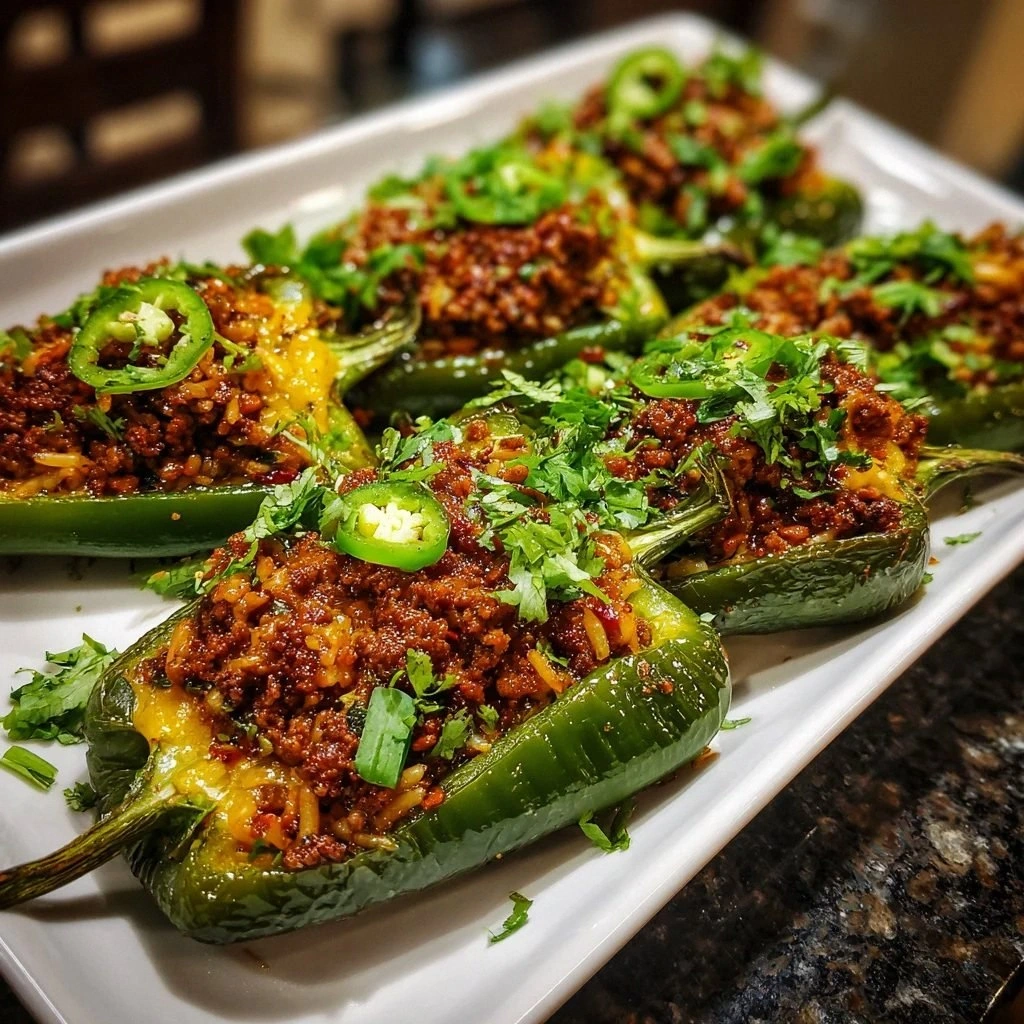
- While your filling finishes, peel and seed your poblanos. The skins should slip off easily — if they don't, they need more steaming time. Cut a slit down one side and carefully remove the seeds and membranes with your fingers or a small spoon. Don't worry if they tear a bit — we're stuffing them, not entering a beauty pageant. Rinse them quickly under cold water to remove any stubborn seeds, then pat them dry. They should look like little green canoes ready to be filled with deliciousness.
That's it — you did it. But hold on, I've got a few more tricks that'll take this to another level...
Insider Tricks for Flawless Results
The Temperature Rule Nobody Follows
Here's something that'll change your cooking game forever: meat releases from the pan when it's properly seared, not when it's ready to be turned. This means when you first add the ground beef and it sticks like crazy, don't panic and scrape. Leave it alone. When those beautiful caramelized bits form on the bottom, the meat will suddenly release easily from the pan. If you're fighting it, it's not ready to flip. A friend tried skipping this step once — let's just say it didn't end well. She ended up with gray, steamed beef that tasted like cafeteria food and wondered why my version had so much more flavor. The difference was those two extra minutes of patience.
Why Your Nose Knows Best
Your nose is actually a better cooking tool than your eyes or timer. When the garlic and ginger hit the pan, you should smell them immediately — if you don't, your pan isn't hot enough. When the teriyaki reduces, it should smell sweet and slightly tangy, never sharp or vinegary. If it starts to smell bitter, you've reduced it too far and need to add a splash of water. I've learned to trust my nose over any recipe timing, because every stove is different, every pan is different, but your nose knows when things are going right or wrong.
The 5-Minute Rest That Changes Everything
After you pull these beauties from the oven, walk away for five minutes. I know, I know — they smell incredible and you're starving. But letting them rest allows the filling to set slightly, so when you cut into them, they don't fall apart into a delicious but messy pile. Plus, those flavors are still evolving and melding, and the difference between eating them immediately versus after a short rest is like the difference between a good song and a great one. Use this time to set the table, pour yourself a drink, or just bask in the glory of what you've created. Future you will thank present you for the patience.
The Rice Ratio Revelation
Here's a confession: I used to make terrible rice. It was either mushy or crunchy, never that perfect fluffy texture that makes you want to eat it plain. Then I learned the finger trick from a Korean grandmother, and it changed everything. Instead of measuring water, add rice to your pot, then add water until it reaches the first knuckle of your index finger when you touch the rice with your fingertip. Bring it to a boil, cover, reduce to low for 18 minutes, then let it rest off heat for 10. Perfect rice every single time, and it's the ideal vehicle for all that incredible teriyaki sauce.
The Garnish Game-Changer
Those final garnishes aren't just for pretty photos — they're crucial flavor components that take this from great to mind-blowing. Toasted sesame seeds add nuttiness and crunch that plays against the tender beef. The green parts of scallions bring freshness that cuts through the richness. But here's the secret weapon: a tiny squeeze of fresh lime right before serving. Just a few drops brighten everything, making the teriyaki taste more complex and the poblanos more vibrant. It's like turning up the color saturation on your food.
Creative Twists and Variations
This recipe is a playground. Here are some of my favorite ways to switch things up:
The Thai Takedown
Swap the teriyaki for a mixture of fish sauce, palm sugar, and lime juice. Add minced lemongrass and Thai basil to the filling, and use ground pork instead of beef. Top with crushed peanuts and cilantro. The result has that incredible Thai balance of sweet, sour, salty, and spicy that makes your taste buds do a happy dance. It's like your favorite Thai takeout got a Mexican passport.
The Breakfast-for-Dinner Remix
Fill the poblanos with chorizo and scrambled eggs mixed with crispy potatoes, then smother in a chipotle queso instead of teriyaki. Serve with warm tortillas for a breakfast burrito vibe that works any time of day. The poblanos add just enough heat to wake up your mouth without overwhelming the more delicate eggs. My kids go crazy for this version, and I love that it uses up leftover breakfast potatoes.
The Mediterranean Mashup
Use ground lamb seasoned with oregano, cinnamon, and allspice. Replace the teriyaki with a lemon-tahini sauce, and add pine nuts and golden raisins to the filling. The sweetness of the raisins plays beautifully with the lamb's richness, while the tahini sauce adds creaminess that ties everything together. It's like Greek stuffed grape leaves met Mexican chiles rellenos and had a beautiful, delicious baby.
The Vegan Victory
Swap the beef for crumbled firm tofu that's been pressed and marinated in soy sauce and smoked paprika. Use mushroom-based oyster sauce instead of regular, and add diced mushrooms for meaty texture. The mushrooms provide that umami depth you usually get from meat, while the tofu soaks up all the teriyaki goodness. Even my carnivore friends request this version — it's that good.
The Low-Carb Champion
Replace the rice with cauliflower rice, but here's the key: sauté it separately with garlic and a touch of sesame oil until it's golden in spots. This gets rid of the raw cauliflower taste and gives it nuttiness that plays beautifully with the teriyaki. Add some diced zucchini to the filling for extra vegetables and bulk. You won't miss the carbs, promise.
The Fire-Eater's Fantasy
Add minced habanero to the filling, replace half the poblanos with jalapeños, and stir a spoonful of gochujang into the teriyaki. Top with a cooling drizzle of lime crema to keep it from being weapons-grade hot. This version is for people who think poblanos are for beginners. Fair warning: start with half the hot peppers and work your way up — this one builds slowly but can level the unprepared.
Storing and Bringing It Back to Life
Fridge Storage
These beauties keep like champs in the refrigerator for up to four days, but here's how to do it right. Store the peppers and any extra sauce separately — the peppers in a covered container with a paper towel underneath to absorb excess moisture, the sauce in a small jar. When you're ready to eat, reheat the peppers in a 350°F oven for about 15 minutes, covered with foil for the first 10 to prevent drying out, then uncovered to let the tops get crispy again. Warm the sauce separately and spoon it over just before serving. Whatever you do, don't microwave the peppers unless you enjoy rubbery, sad vegetables.
Freezer Friendly
The filling freezes beautifully for up to three months, but I don't recommend freezing the whole stuffed peppers — poblanos get mushy when thawed. Instead, freeze the filling in meal-sized portions, then stuff fresh peppers when you're ready to eat. To freeze, let the filling cool completely, then pack into freezer bags, press out all the air, and label with the date. Thaw overnight in the refrigerator, then stuff into freshly roasted poblanos. It's almost like having a head start on dinner, and future you will be so grateful for past you's foresight.
Best Reheating Method
Add a tiny splash of water to the bottom of your baking dish before reheating — it creates steam that brings everything back to life without drying out the filling. Cover with foil for most of the reheating time, then uncover for the last few minutes to let the tops get crispy again. If you've got extra teriyaki sauce, warm it separately and spoon it over just before serving. And here's a pro tip: while they're reheating, make some fresh rice. The contrast between freshly steamed rice and reheated peppers makes the whole thing taste like you just made it from scratch.