Picture this: I’m standing in a cramped kitchen, a pot of burnt onions sizzling on the stove, and my friend challenges me to turn a mediocre turkey meatball recipe into something that could headline a Michelin guide. I laughed, but the moment the onion hit the pan, the scent of caramelized garlic and thyme hit me like a warm hug. The kitchen smelled like a secret garden, the sound of bubbling broth echoed, and the anticipation was thick enough to taste. I knew I had to pivot from the usual blandness and create a dish that would make the entire house stop and stare.
When I first grabbed the 16 ounces of ground turkey, I was reminded of that first time I tasted a perfectly balanced sauce that seemed to melt on the tongue. The idea was simple: keep the meat light, let the cauliflower mash act as a comforting base, and let the flavors sing together. I imagined the meatballs forming a golden crust, the edges crisping like thin ice before the inside stays juicy. The sauce would coat the mash like velvet, creating a contrast that’s both comforting and exciting. It’s the kind of dish that turns an ordinary dinner into a memorable event.
But here’s the kicker: I dared you to taste this and not go back for seconds. I know you’ve tried countless turkey meatball recipes that end up dry or too heavy. This version is hands down the best you’ll ever make at home. The secret is not just the ingredients; it’s the technique, the timing, and a few kitchen hacks that keep the flavors locked in. I’m about to walk you through each step, and by the end, you’ll wonder how you ever made it any other way.
Before we dive into the meatball-making process, let’s set the stage. I’ve spent countless evenings experimenting with different spice blends, trying to find the perfect balance between savory and spicy. The result? A recipe that’s simple, yet sophisticated, with a depth of flavor that will have your guests asking for the recipe after the last bite. So grab your apron, and let’s get started.
What Makes This Version Stand Out
- Flavor Depth: The combination of dry red wine, fresh parsley, and cashew butter creates a complex, umami-rich sauce that coats the meatballs with a silky finish.
- Texture Contrast: The cauliflower mash provides a smooth, buttery base, while the meatballs’ exterior crisps to a golden perfection, offering a delightful mouthfeel.
- Ingredient Quality: Using fresh, organic garlic and high-quality ground turkey elevates the dish, ensuring each bite is packed with natural flavor.
- Healthful Twist: Replacing traditional flour with almond flour and cashews keeps the dish low-carb and high in healthy fats without sacrificing taste.
- Make‑Ahead Friendly: The meatballs can be assembled and frozen, making this recipe a lifesaver for busy weeknights.
- Crowd‑Pleaser: The mild heat from red pepper flakes and the subtle nutmeg finish make it a hit even with picky eaters.
- Balanced Nutrition: With 350 calories per serving, this dish offers a hearty protein punch while keeping carbs moderate.
- Seasonal Flexibility: While it’s a general recipe, it shines during fall when fresh herbs are at their peak.
Alright, let’s break down exactly what goes into this masterpiece…
Inside the Ingredient List
The Flavor Base
At the heart of this dish lies a symphony of aromatics. The 5 cloves of garlic are minced finely, releasing a punch of fragrance that permeates every bite. Fresh parsley, chopped to a bright green hue, adds a citrusy lift that counterbalances the richness of the cashew butter. The 1/4 cup of dried red wine is reduced in a pan until it becomes a glossy, concentrated liquid that deepens the sauce’s flavor profile. Together, these ingredients form a robust foundation that carries the meatballs and mash alike.
The Texture Crew
Texture is everything in this recipe. The 16 ounces of ground turkey, sourced from a reputable supplier, provide a lean base that stays moist when cooked. Almond flour, used in place of wheat flour, binds the meatball mixture while keeping it light. The 1/4 cup of cashews, ground into a coarse paste, adds creaminess and a subtle nutty undertone. Finally, the cauliflower mash, made with 1 head of cauliflower, 1/4 cup almond milk, and 2 tablespoons cashew butter, creates a silky canvas that contrasts beautifully with the crispy meatball edges.
The Unexpected Star
Sometimes, the smallest ingredient can make the biggest impact. The 1/2 tablespoon of dried oregano and 1/2 tablespoon of dried thyme bring a Mediterranean flair that is rarely seen in turkey meatballs. The 1/2 tablespoon of red pepper flakes adds a gentle heat that dances on the palate. Nutmeg, used sparingly at 1/2 teaspoon, offers a warm, aromatic note that lingers long after the first bite. These subtle spices elevate the dish from ordinary to extraordinary.
The Final Flourish
Finishing touches bring the dish together. A squeeze of 1 lemon brightens the entire plate, cutting through the richness. 2 tablespoons of nutritional yeast add a savory, cheesy depth without dairy. The 1 teaspoon of black pepper, 1 teaspoon of salt, and 1/2 teaspoon of salt and pepper in the mash ensure a balanced seasoning. Finally, the 2 yellow onions, sautéed until caramelized, provide a sweet counterpoint that rounds out the flavor profile.
Everything’s prepped? Good. Let’s get into the real action…
The Method — Step by Step
- Heat a large skillet over medium heat and add 1 tablespoon of olive oil. Once the oil shimmers, add the finely minced garlic and sauté until fragrant, about 30 seconds. The aroma should signal that the base is ready to absorb the upcoming flavors. Remember, garlic burns quickly; keep the heat moderate to avoid bitterness.
- Add the diced onions to the skillet and cook until translucent, stirring occasionally. The onions will slowly release their natural sugars, creating a caramelized sweetness that balances the savory meatballs. When the onions start to turn golden, it’s a good indicator that they’re ready for the next step.
- In a large mixing bowl, combine the ground turkey, 1 egg, 2 tablespoons almond flour, 1/4 cup chopped parsley, 1/2 tablespoon dried thyme, 1/2 tablespoon dried oregano, 1/2 tablespoon red pepper flakes, 1 teaspoon salt, and 1 teaspoon black pepper. Mix gently with your hands until just combined; overmixing can make the meatballs tough. The mixture should feel moist but not wet.
- Shape the mixture into 1 1/2-inch balls, placing them on a parchment-lined tray. For uniform cooking, try to make each ball the same size. If you’re making a large batch, you can freeze them on the tray for 30 minutes before transferring to a freezer bag.
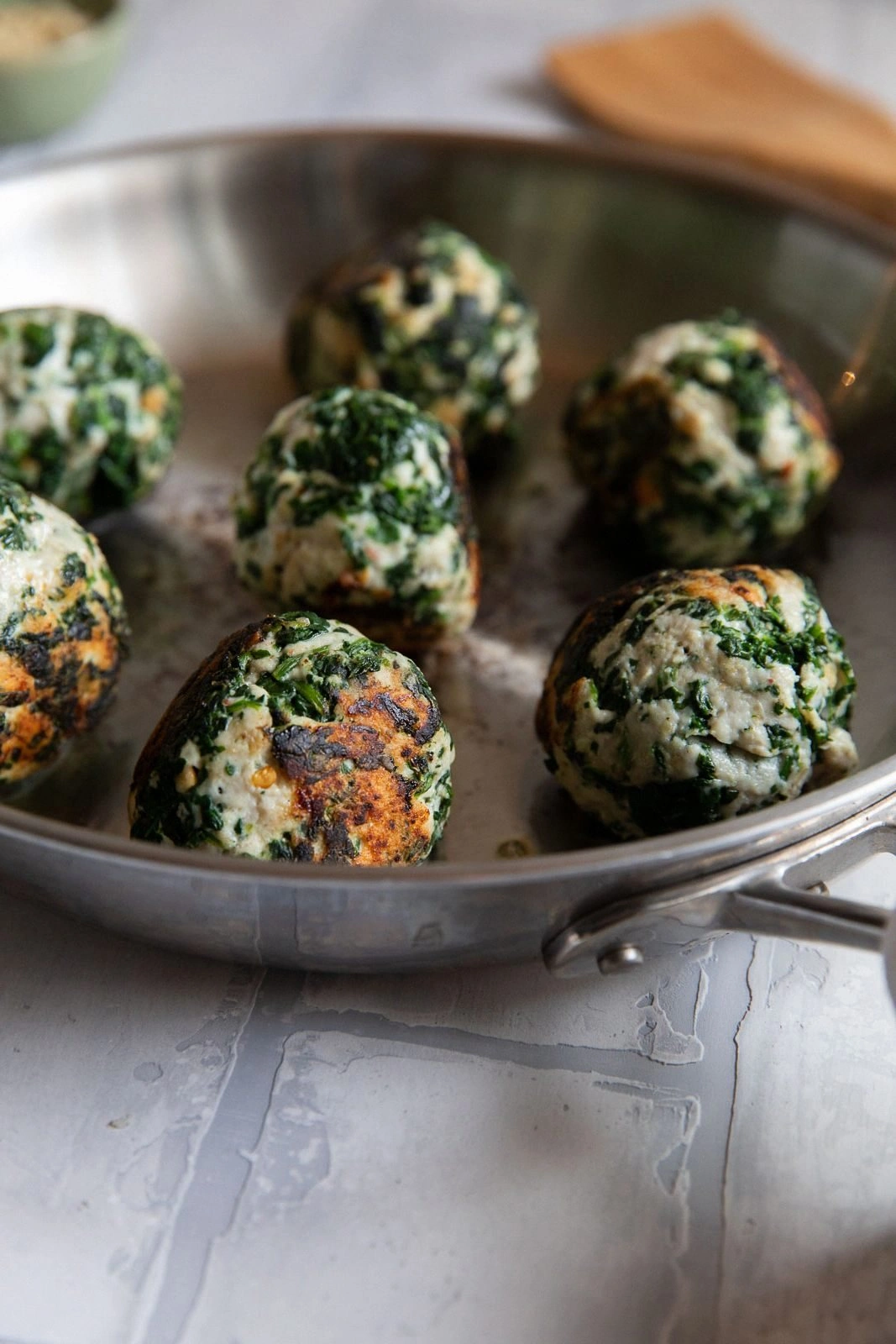
- Return the skillet to medium-high heat and add the meatballs, cooking until they develop a golden crust on all sides, about 4-5 minutes per side. The edges should pull away from the pan slightly, indicating they’re sealed and ready to finish inside. Flip carefully to avoid breaking them.
- Pour 1/4 cup of dry red wine into the skillet, allowing it to deglaze the pan. Scrape up any browned bits; these carry deep flavor. Let the wine reduce until it’s almost evaporated, creating a rich, concentrated sauce that coats the meatballs.
- Transfer the meatballs to a baking dish and pour the remaining sauce over them. Cover with foil and bake at 375°F (190°C) for 20 minutes. This gentle bake finishes the meatballs, ensuring they remain juicy inside while the outside stays crisp.
- While the meatballs bake, prepare the cauliflower mash. Steam the cauliflower florets until tender, about 10 minutes. Drain and mash with a potato masher, adding 1/4 cup almond milk and 2 tablespoons cashew butter for creaminess. Season with 1/2 teaspoon nutmeg, 1/2 teaspoon garlic powder, 1/2 teaspoon salt, and 1/2 teaspoon pepper. The mash should be smooth, velvety, and slightly buttery.
- Squeeze the juice of 1 lemon over the baked meatballs and toss them gently in the sauce to coat. The acidity brightens the dish, cutting through the richness and adding a fresh finish.
- Serve the meatballs atop the cauliflower mash, garnished with a sprinkle of nutritional yeast for a cheesy, savory note. The final dish should look rustic yet refined, with a glossy sauce that glistens against the creamy mash.
That’s it — you did it. But hold on, I've got a few more tricks that'll take this to another level…
Insider Tricks for Flawless Results
The Temperature Rule Nobody Follows
Many cooks assume that a high oven temperature is always better for crisping meatballs. In reality, a moderate 375°F (190°C) allows the meatballs to cook evenly without drying out. I once baked at 425°F, and the result was a rubbery texture that left me disappointed. Stick to the recommended temperature and trust that the oven will do its job.
Why Your Nose Knows Best
Before you start, give the mixture a sniff. If the aroma feels off or the seasoning is uneven, adjust before shaping the meatballs. Your nose is a reliable guide; if it’s not happy, neither will your taste buds be.
The 5‑Minute Rest That Changes Everything
After shaping the meatballs, let them rest on a plate for 5 minutes before cooking. This rest allows the juices to redistribute, resulting in a more moist interior. Skipping this step often leads to dry, crumbly meatballs.
Use a Meat Thermometer
Turkey should reach an internal temperature of 165°F (74°C). A quick check ensures you’re not overcooking, preserving the succulence that makes this dish so delightful.
Keep the Sauce Thick
If the sauce seems too thin after reduction, simmer it for a few more minutes until it thickens to a glaze consistency. A thicker sauce clings better to the meatballs and mash, enhancing every bite.
Creative Twists and Variations
This recipe is a playground. Here are some of my favorite ways to switch things up:
Spicy Asian Fusion
Swap the red pepper flakes for a tablespoon of sriracha and add a splash of soy sauce to the sauce. The result is a bold, umami-packed dish that pairs beautifully with jasmine rice.
Herb‑Infused Greek Twist
Replace the parsley with fresh dill and add 1 teaspoon of oregano. Top the dish with crumbled feta and a drizzle of olive oil for a Mediterranean flair.
Low‑Carb Keto Version
Omit the almond flour and use a mixture of ground flaxseed and almond flour instead. Serve over a bed of sautéed spinach for a keto-friendly meal.
Vegetarian Upgrade
Replace the ground turkey with a blend of lentils and finely chopped mushrooms. The earthy flavors complement the cauliflower mash wonderfully.
Breakfast‑Inspired Breakfast Bowl
Serve the meatballs and mash in a bowl with a fried egg on top. The yolk adds richness and ties the dish to a hearty breakfast.
Smoky Barbecue Finish
Finish the sauce with a tablespoon of barbecue sauce and a pinch of smoked paprika. The smoky undertone pairs nicely with the nutty mash.
Storing and Bringing It Back to Life
Fridge Storage
Store cooked meatballs and sauce separately in airtight containers for up to 4 days. Keep the cauliflower mash in a separate container to preserve its texture. When ready to serve, reheat the meatballs in a skillet with a splash of sauce until warmed through.
Freezer Friendly
Freeze the meatballs in a single layer on parchment paper, then transfer to a freezer bag once solid. They remain good for up to 3 months. Thaw overnight in the refrigerator before reheating.
Best Reheating Method
Reheat the dish in a preheated oven at 350°F (175°C) for 10 minutes, or until the sauce is bubbling and the meatballs are hot. Add a tiny splash of water before reheating to keep the mash moist and prevent it from drying out.