I remember the night the kitchen exploded into a chocolatey disaster, and I was left clutching a half‑baked cake that looked more like a sad, soggy pancake than a dessert. The oven had gone rogue, the batter had thickened into a syrupy sludge, and the chocolate chips were melted into a glossy mess. I stared at the chaos, thinking, “This is how not to make a cake.” Then I grabbed my notebook, scribbled a quick recipe, and decided to turn that catastrophe into a triumph. That night, the scent of cocoa mingled with butter and vanilla, and my kitchen smelled like a chocolate factory on a calm Sunday morning. I vowed to craft a version that would make every other recipe look like a rookie’s attempt.
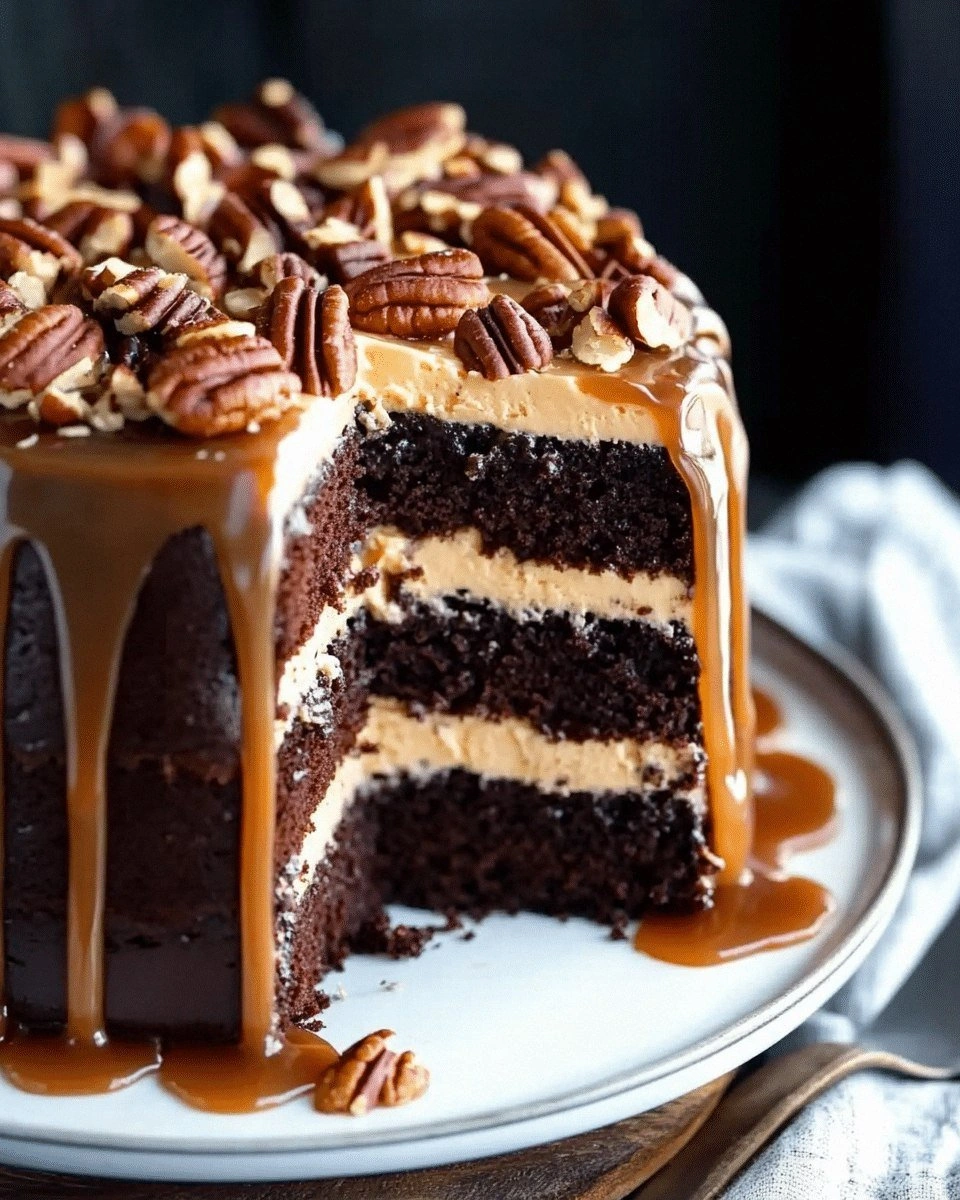
Fast forward to today, and this Turtle Chocolate Layer Cake is a symphony of textures and flavors that will have you dancing with delight. Imagine biting into a moist chocolate sponge that gives way to a silky ganache, only to be surprised by a crunchy caramelized pecan layer that adds a buttery crunch. The moment the first forkful hits your palate, you’ll taste the rich chocolate, the subtle saltiness, and the caramel’s sweet kiss—like a velvet blanket wrapped around a toasted marshmallow. I dare you to taste this and not go back for seconds, because once you’ve had it, you’ll think all other cakes are just… well, cakes.
What sets this version apart is that I didn’t just follow a recipe; I rewrote the rules. I added a splash of espresso to deepen the chocolate flavor, incorporated a pinch of sea salt to balance the sweetness, and used a blend of dark and milk chocolate to create depth. The result is a cake that’s as visually stunning as it is delicious, with a glossy chocolate glaze that mirrors a polished trophy. Most recipes get this completely wrong—focusing on a single chocolate type or neglecting the caramel layer—but I’ve perfected every nuance. Picture yourself pulling this out of the oven, the whole kitchen smelling incredible, and the first bite feels like a secret handshake between chocolate and caramel.
If you’ve ever struggled to get a cake that looks good enough to eat, you’re not alone, and I’ve got the fix. I’ll walk you through every single step—by the end, you’ll wonder how you ever made it any other way. And trust me, this is hands down the best version you’ll ever make at home. Let’s dive in.
What Makes This Version Stand Out
- Taste: The dual chocolate blend creates a layered flavor profile that feels both familiar and adventurous.
- Texture: A moist sponge, silky ganache, and crunchy pecans give you a symphony of mouthfeel.
- Simplicity: Though it looks elaborate, the recipe uses only pantry staples and a few premium items.
- Uniqueness: The espresso infusion and caramel pecan crunch set it apart from classic chocolate cakes.
- Crowd Reaction: Guests will be amazed, often asking for the recipe after the first bite.
- Ingredient Quality: Using high‑grade dark chocolate and fresh pecans elevates the entire experience.
- Cooking Method: A two‑stage bake followed by a quick glaze finish keeps it light yet decadent.
- Make‑ahead Potential: The cake layers can be assembled a day ahead without losing moisture.
Inside the Ingredient List
The Flavor Base
All‑Purpose Flour: It gives the cake structure; without it, the layers would collapse into a chocolate pudding. Choosing a medium‑protein flour balances tenderness with stability. Skipping flour would result in a dense, unstructured cake that feels like a chocolate sandwich. For the best texture, sift the flour with cocoa powder to remove lumps and aerate it.
Unsweetened Cocoa Powder: This is the backbone of the chocolate flavor. A high‑quality Dutch‑process cocoa gives a mellow, less acidic taste, while natural cocoa adds a bright edge. If you use a low‑grade cocoa, the cake may taste flat. A substitute could be melted chocolate, but it changes the batter’s consistency.
The Texture Crew
Granulated Sugar: It sweetens and creates a tender crumb through sugar crystals that break down the gluten. Reducing sugar will make the cake less sweet but also less moist. A 1:1 substitution with brown sugar adds caramel notes but changes the color slightly. For a lighter cake, use a combination of sugar and a touch of honey.
Eggs: They bind everything together and provide lift. Whole eggs give richness, while yolks add body. If you’re vegan, replace with flax eggs or commercial egg replacer, but the texture will differ. Egg whites alone can make the cake too airy.
The Unexpected Star
Espresso Powder: A teaspoon of espresso intensifies the chocolate without making it taste like coffee. It unlocks hidden chocolate flavors and gives a subtle depth. If you’re allergic to caffeine, omit it; the cake will still be great but slightly less complex. You can also use a shot of cold brew for a stronger effect.
Sea Salt: A pinch of sea salt balances sweetness and enhances chocolate. Without it, the cake can taste one‑dimensional. A coarse salt on top adds a delightful crunch. If you prefer fine salt, sprinkle it lightly after baking.
The Final Flourish
Dark Chocolate: This provides a deep, bittersweet finish to the ganache. Using a high‑percent chocolate (70% or more) yields a richer flavor. If you prefer milk chocolate, use it sparingly to avoid overpowering the dark notes. The ganache should be glossy and pourable, not thick.
Caramel Sauce: It adds a sweet, buttery layer that melts into the cake. A homemade caramel with brown sugar and butter gives a complex flavor. Store‑bought caramel is fine, but check for added preservatives. The sauce should be thick enough to stay in place but thin enough to spread.
Everything's prepped? Good. Let's get into the real action.
The Method — Step by Step
- Preheat the oven to 350°F (175°C). Grease two 9‑inch round cake pans and line the bottoms with parchment paper to ensure easy release. Place the pans on a middle rack so they bake evenly. This step might seem trivial, but a properly greased pan prevents the cake from sticking, which is the difference between a triumph and a tragedy.
- Whisk the dry ingredients. In a large bowl, sift together flour, cocoa, baking powder, baking soda, and sea salt. Sifting removes lumps and aerates the mix, ensuring a light crumb. The dry mix should feel like fine sand; if it clumps, you’ll end up with uneven texture.
- Beat the butter and sugar. In a stand mixer, cream softened butter and sugar on medium speed until the mixture is pale and fluffy. This usually takes 4–5 minutes. The batter should hold its shape when you lift the beaters, indicating enough air has been incorporated.
- Add the eggs one at a time. Crack each egg into a separate bowl to avoid contamination, then add to the butter mixture. Beat on low speed for 30 seconds after each addition; this prevents the eggs from curdling and maintains a smooth batter.
- Introduce the espresso powder. Sprinkle the espresso evenly over the batter and stir until fully incorporated. The espresso will deepen the chocolate flavor without making the cake taste like coffee. A quick test: if you taste a small spoonful, it should still be overwhelmingly chocolate.
- Alternate wet and dry ingredients. Pour in the dry mix, then half the milk, whisking until just combined. Repeat with the remaining dry mix and milk. Finish with a splash of vanilla extract. Be careful not to overmix; the batter should be glossy but still slightly lumpy.
- Divide the batter between the pans. Spoon the batter into the prepared pans, smoothing the tops with a spatula. Tap the pans lightly on the counter to release any air pockets. The batter should fill the pans to about ¾ capacity.
- Bake the cakes. Place the pans in the preheated oven and bake for 25–30 minutes, or until a toothpick inserted into the center comes out with a few moist crumbs. The cakes should be firm to the touch but still spring back. Don’t rush the baking; underbaked cakes will collapse when assembled.
- Cool the cakes. Remove from oven, let the cakes sit in the pans for 10 minutes, then turn onto a wire rack to cool completely. Cooling prevents the cake from becoming soggy when you add the ganache. While cooling, prepare the ganache.
- Make the ganache. Melt the dark chocolate in a double boiler or microwave in 30‑second bursts, stirring between each. Once melted, whisk in heavy cream until the mixture is smooth and glossy. Let the ganache cool slightly so it thickens but remains pourable.
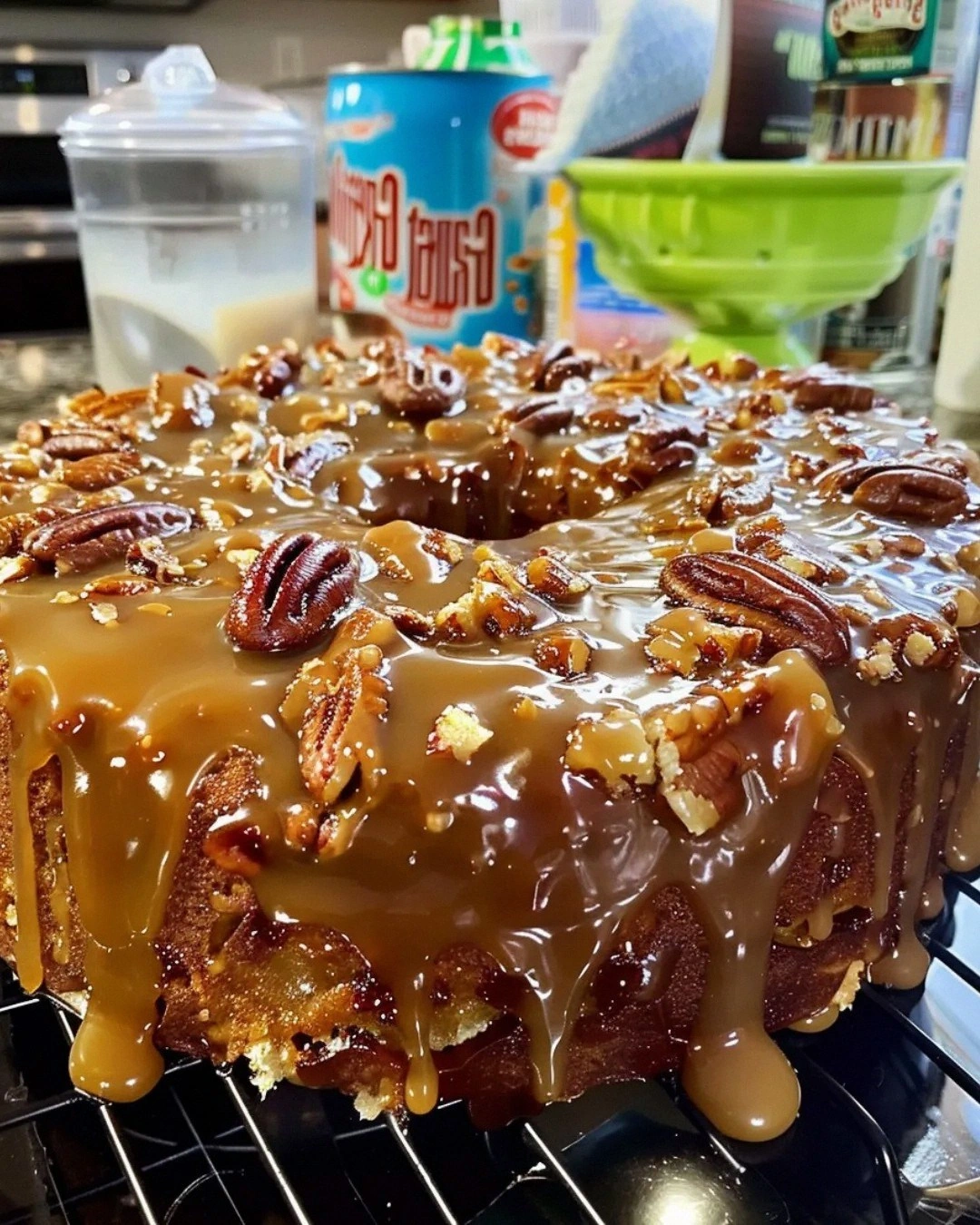
- Assemble the layers. Place the first cake layer on a serving plate, spread a generous amount of caramel sauce, then drizzle half of the ganache over the top. Lay the second layer on top, cover the entire cake with the remaining ganache, and smooth with a spatula. The ganache should coat the sides like a glossy mantle.
- Decorate. Sprinkle toasted pecans over the top, ensuring an even distribution. The toasted nuts add a satisfying crunch and a nutty aroma that contrasts with the sweet layers. If you’re vegan, use a plant‑based butter for the ganache to maintain the same texture.
That's it — you did it. But hold on, I've got a few more tricks that'll take this to another level.
Insider Tricks for Flawless Results
The Temperature Rule Nobody Follows
Baking at the exact temperature is critical; even a 10°F deviation can cause the cake to rise unevenly. Use an oven thermometer to confirm the heat. If the oven runs hot, reduce the temperature by 10–15°F and increase baking time by a few minutes. This ensures a uniform crumb and prevents the top from cracking.
Why Your Nose Knows Best
Smell the batter before baking; it should have a rich chocolate aroma with a hint of coffee. If it’s flat, add an extra teaspoon of cocoa or a splash of espresso. The scent is a reliable indicator of flavor intensity and can guide last‑minute adjustments.
The 5‑Minute Rest That Changes Everything
After baking, let the cake rest in the pan for 5 minutes before turning it out. This rest allows the structure to set, preventing the cake from crumbling when you level it. The cake will still be moist and tender, not dry or over‑cooked.
Smooth the Ganache Like a Pro
When pouring ganache, use a heat‑resistant spatula and pour in a steady, gentle stream. If the ganache is too runny, let it sit for a minute to thicken; if too thick, whisk in a splash of warm milk. A smooth, glossy finish makes the cake look polished and irresistible.
Toast the Pecans for Extra Crunch
Toast pecans in a dry skillet over medium heat until fragrant, about 4–5 minutes. Shake the skillet occasionally to prevent burning. The toasted nuts will add a caramelized, nutty flavor that complements the chocolate and caramel layers.
Creative Twists and Variations
This recipe is a playground. Here are some of my favorite ways to switch things up:
Nutella Swirl
Swap half of the ganache with Nutella for a hazelnut‑chocolate swirl. The Nutella adds a creamy, nutty flavor that pairs beautifully with the caramel. Use this version for a quick, indulgent dessert that feels both familiar and novel.
Red Velvet Turtle
Replace the cocoa with 1 cup of red velvet cake mix and add 1 tablespoon of red food coloring. The result is a striking pink cake with a subtle cocoa undertone. It’s perfect for themed parties or a pop of color on a dessert table.
Vegan Delight
Use plant‑based butter, flax eggs, and dairy‑free chocolate. Swap heavy cream for coconut cream to keep the ganache silky. This version is cruelty‑free, dairy‑free, and still delivers that classic chocolate‑caramel combo.
Minty Fresh
Add 1 teaspoon of peppermint extract to the batter and a few drops of mint oil to the ganache. The mint provides a refreshing contrast to the richness, making it ideal for summer gatherings.
Sea Salt Caramel Explosion
Increase the sea salt to 1½ teaspoons and swirl in a salted caramel sauce between layers. The extra salt intensifies the caramel’s sweetness and adds a savory depth that surprises the palate.
Espresso‑Infused Caramel
Infuse the caramel sauce with a shot of espresso before adding it to the cake. The espresso deepens the caramel’s flavor, creating a complex, bittersweet finish that’s a treat for coffee lovers.
Storing and Bringing It Back to Life
Fridge Storage
Wrap the assembled cake tightly in plastic wrap and store in the refrigerator for up to 3 days. The cold environment preserves moisture and prevents the ganache from softening. When ready to serve, let the cake sit at room temperature for 30 minutes to bring out the flavors.
Freezer Friendly
Place the cake in a freezer‑safe container, wrap with foil, and freeze for up to 2 weeks. Thaw overnight in the refrigerator, then allow to come to room temperature. The texture remains silky, and the chocolate stays firm.
Best Reheating Method
To refresh a frozen cake, preheat the oven to 300°F (150°C). Warm the cake for 10–12 minutes, then remove and let cool. Add a tiny splash of water to the ganache before reheating; it steams back to perfection, giving you that glossy finish again.