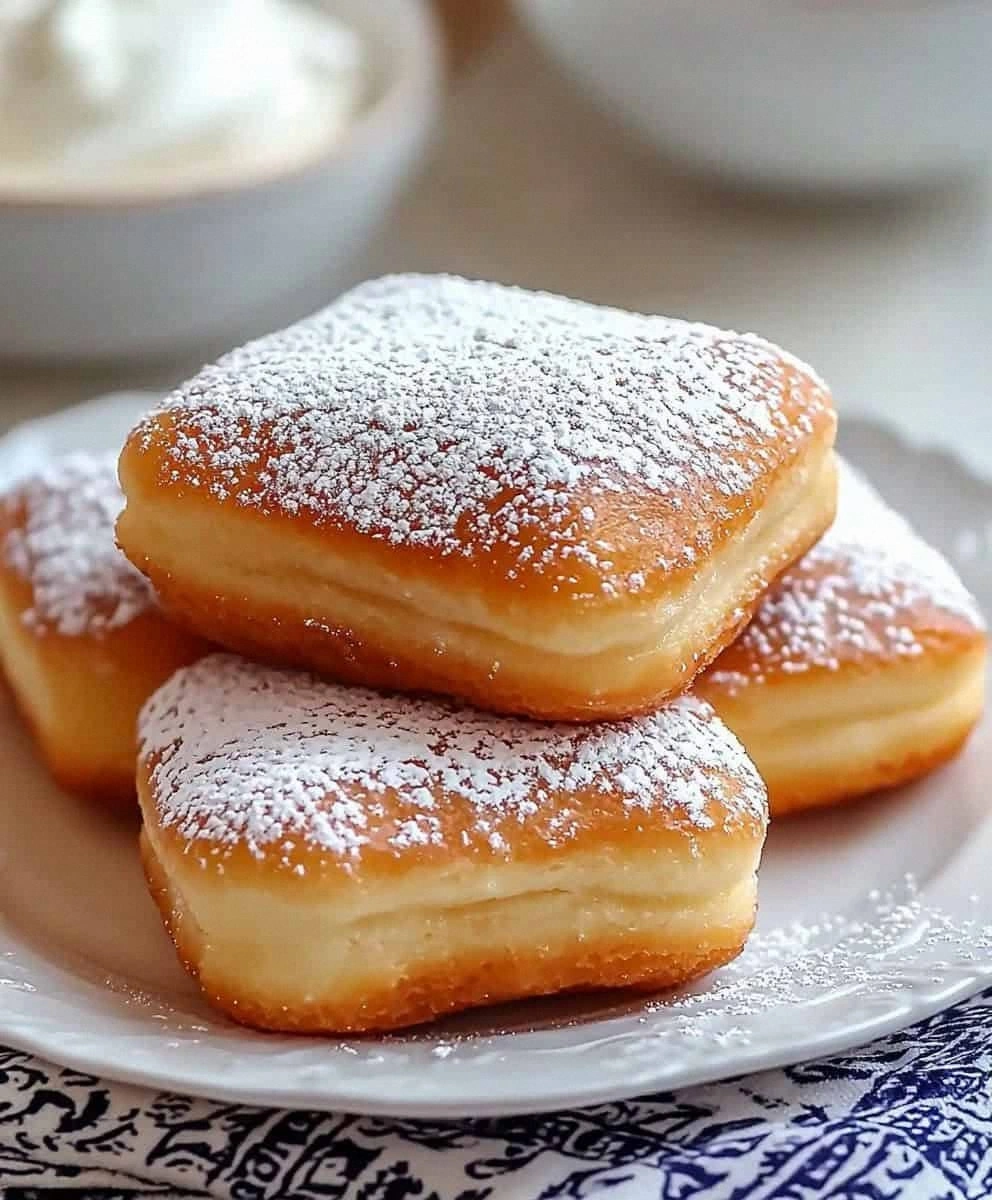
I still remember the first time I tasted a proper French beignet in New Orleans—the way the powdered sugar puffed up like a tiny cloud when I bit into it, the vanilla perfume that lingered in the air long after the plate was empty, the way the dough melted on my tongue like a sweet, buttery dream. I went home obsessed, determined to recreate that moment in my own kitchen. What followed was a comedic tragedy of rock-hard doughnuts, oil fires (okay, small smoke incidents), and one memorable batch that tasted like fried cardboard. I nearly gave up. Then, on a rainy Tuesday when the world felt gray and I needed a win, I cracked the code.
This vanilla French beignet recipe is the result of dozens of tests, a few flour explosions, and one glorious epiphany about how steam creates those airy pockets. I’m talking about the kind of fluffy that makes you close your eyes involuntarily when you bite in. The vanilla is not shy—it strides through the dough like it owns the place, while the edges crisp into delicate laces that shatter under a soft snowfall of powdered sugar. If you’ve ever stood in a café line at 8 a.m. praying for something hot and sweet, you can now skip the queue and trump the café version in under an hour.
Most recipes get one thing catastrophically wrong: they treat beignets like doughnuts. They are not doughnuts. Beignets are the rebellious cousin—less chewy, more cloud-like, and they should dissolve into sweet nothingness almost as soon as they hit your tongue. We’re using baking powder for lift instead of yeast, so there’s no waiting around for dough to rise while your stomach growls. Instead, you whisk, fold, roll, cut, fry, and devour. I dare you to taste these and not go back for thirds. I’ll be honest—I ate half the inaugural batch before anyone else even wandered into the kitchen, and I regret nothing.
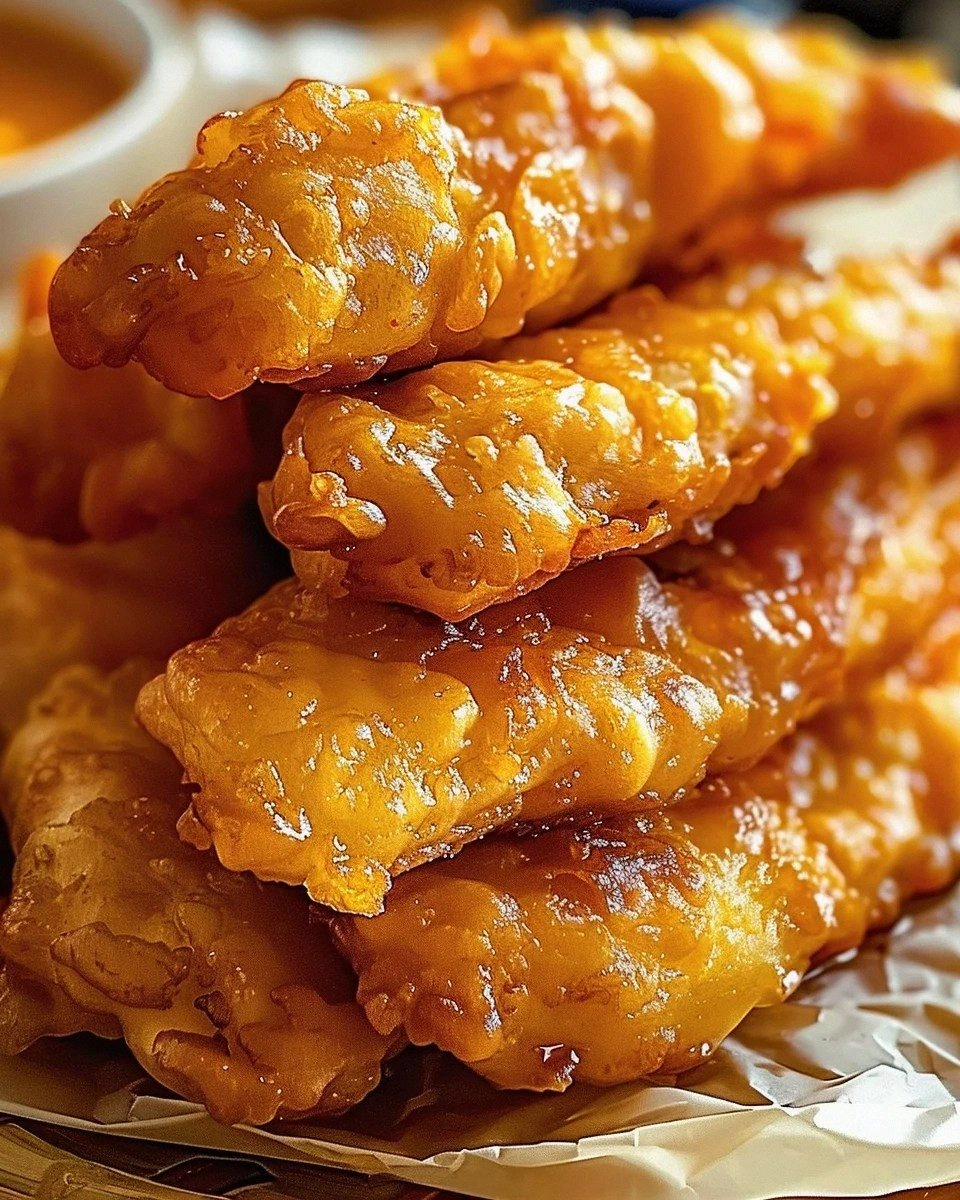
Picture yourself pulling the first golden square from the oil, the surface crackling softly as it cools, the vanilla scent curling through your house like a warm invitation. You dust it with sugar, take a bite, and suddenly the day feels brighter. Stay with me here—this next part is pure magic.
What Makes This Version Stand Out
- Vanilla Forward: We’re using a full teaspoon of pure extract, enough to make the dough smell like a French bakery exploded in your skillet. Cheap imitations need not apply—this is the soul of the flavor.
- Flash-Fry Technique: A shorter, hotter fry sets the crust quickly so the interior steams into feathery layers instead of soaking up oil like a greedy sponge. Say goodbye to greasy beignets.
- No Yeast, No Wait: Baking powder gives instant puff, so you can go from zero to sugar-dusted hero in 45 minutes flat. Perfect for surprise guests or midnight cravings.
- Butter-Enriched Dough: A modest pour of melted butter tenderizes the crumb, adding subtle richness without weighing the pastry down. Think of it as the velvet lining inside a jewelry box.
- Cinnamon Whisper: Half a teaspoon of cinnamon rides shotgun with the vanilla, warming the flavor without stealing the show. It’s the backup singer who makes the star sound better.
- Double Sugar Snow: We dust twice—once while warm for adhesion, once after cooling for that dramatic whiteout effect. Because life is too short for thin sugar coatings.
- Make-Ahead Magic: Cut and freeze the raw squares, then fry straight from frozen for spontaneous Mardi Gras moments. Future you will thank present you.
Alright, let’s break down exactly what goes into this masterpiece...
Inside the Ingredient List
The Flavor Base
All-purpose flour is the quiet achiever here. We need exactly two cups—no more, no less—spooned and leveled so the dough stays feather-light. Too much flour and you’ll create dense little bricks that could double as paperweights. Too little and the dough tears when you roll it, leaking butter into the oil and causing splatter burns on your favorite T-shirt. If you’ve only got self-rising flour, you can use it, but omit the baking powder and salt and accept that your beignets will taste vaguely British.
Granulated sugar does double duty: it sweetens gently and helps the surface caramelize into a whisper-thin golden shell. A quarter cup is perfect—any more and the dough browns too fast before the inside cooks through. If you’re tempted to swap in brown sugar, know that the molasses will darken the crust and add a toffee note that competes with the vanilla. Sometimes that’s delicious, but it’s not the classic New Orleans vibe we’re chasing today.
The Texture Crew
Baking powder is the leavening rock star. One tablespoon sounds excessive until you watch the squares balloon in the oil like tiny parachutes opening mid-air. Make sure it’s fresh; if your tin has been lurking in the cupboard since the last presidential administration, give it the vinegar fizz test or risk sad, flat pucks. The half-teaspoon of salt isn’t negotiable either—it wakes up the vanilla and keeps the sweetness from cloying. Skip it and the beignets taste like you forgot to turn the flavor on.
Ground cinnamon is the subtle hug that wraps around the vanilla. We’re using just enough—half a teaspoon—to perfume the dough without announcing “cinnamon roll!” If you’re not a fan, you can drop it to a pinch, but please don’t eliminate it entirely; the subtle warmth is what makes people say, “I can’t quite place it, but these taste like more.”
The Wet Wonders
Two large eggs bind everything together while adding richness and color. Whisk them thoroughly so no streaks of white remain; otherwise you’ll get blotchy patches that fry darker and look weirdly tie-dyed. Whole milk brings moisture and tenderness—don’t swap in skim unless you enjoy cardboard texture. If dairy is an issue, full-fat oat milk works surprisingly well, though the interior will be a touch less plush.
Pure vanilla extract is the headline act. Imitation vanilla has a chemical edge that becomes amplified under high heat, so splurge on the real stuff. One teaspoon is the sweet spot; more than that and the alcohol doesn’t cook off completely, leaving a faint extract aftertaste that feels like someone whispered “vanilla” in your ear and refused to leave.
The Final Flourish
Melted unsalted butter is the pastry equivalent of a luxury vacation—brief, but transformative. A quarter cup lubricates the gluten strands so they stay relaxed, yielding that tender, pillowy bite. Use butter that’s cooled to lukewarm; hot melted fat will scramble the eggs and create sad little curds you’ll have to pick out. If you’re dairy-free, refined coconut oil works, but the beignets will carry a faint coconut perfume—delicious, just different.
Vegetable oil for frying needs a high smoke point and neutral flavor. Peanut, canola, or sunflower all play nicely. Fill your pot to about two inches depth so the beignets can bob freely; too little oil and they’ll sink and stick, creating dark stripes that taste bitter. And powdered sugar? That’s the snowstorm that makes the whole thing feel like a party. Use a fine-mesh sieve for even coverage, and don’t be shy—if you don’t look like you inhaled a cocaine joke from a 1980s movie, you’re not doing it right.
Everything’s prepped? Good. Let’s get into the real action...
The Method — Step by Step
- Whisk together flour, sugar, baking powder, salt, and cinnamon in a large bowl until the mixture looks like sandy beach vacation. Make a well in the center—think volcano crater, not kiddie pool. You want a deep dive zone for the wet team so they can mingle gradually without flour exploding all over your countertop. Take thirty seconds to breathe in that cinnamon-vanilla cloud; it’s therapeutic.
- In a separate bowl, beat the eggs until the yolks and whites are completely married and slightly frothy. Stir in the milk and vanilla; the mixture should smell like melted ice cream on a summer boardwalk. Drizzle in the cooled melted butter while whisking constantly so the fat doesn’t re-solidify into tiny golden freckles. If the butter is too hot, you’ll scramble the eggs and turn your bowl into breakfast gone wrong.
- Pour the wet ingredients into the flour well. Using a rubber spatula, fold gently until just combined; the dough will look shaggy and slightly tacky—like biscuit dough that’s been to the gym. Over-mixing develops gluten and gives you chewy, bread-like beignets rather than airy pillows. A few streaky pockets of flour are fine; they’ll hydrate while you roll.
- Turn the dough onto a lightly floured surface and knead exactly four folds—no marathon kneading here. Pat into a rectangle roughly half an inch thick. If the dough springs back relentlessly, cover with a tea towel and let it nap for five minutes so the gluten can chill out. You’re looking for a smooth, pliable sheet that dimples when you poke it.
- Using a sharp knife or pizza wheel, cut the dough into 1½-inch squares. Don’t stress about perfect geometry; rustic edges fry into crispy little wings that everyone fights over. Separate the squares so they aren’t touching, or they’ll fuse back together like clingy siblings. If you want the classic look, give each square a gentle stretch so it’s slightly rectangular—this helps the “puff pocket” expand dramatically.
- Heat two inches of vegetable oil in a heavy pot over medium-high heat. When the thermometer hits 355 °F, gently slide in three or four squares—never crowd the pool or the oil temp will plummet. The dough should sink for two seconds, then bob to the surface like happy little rafts. If they brown instantly, your oil is too hot; pull them off heat for a minute.
- Fry for 60–75 seconds per side until golden amber with mahogany blisters. Use a slotted spoon to flip them; listen for the sizzle song that sounds like applause. They’ll puff like blowfish, so don’t panic when they quadruple in thickness. Drain on a wire rack set over paper towels for thirty seconds—any longer and the steam trapped underneath softens the bottoms.
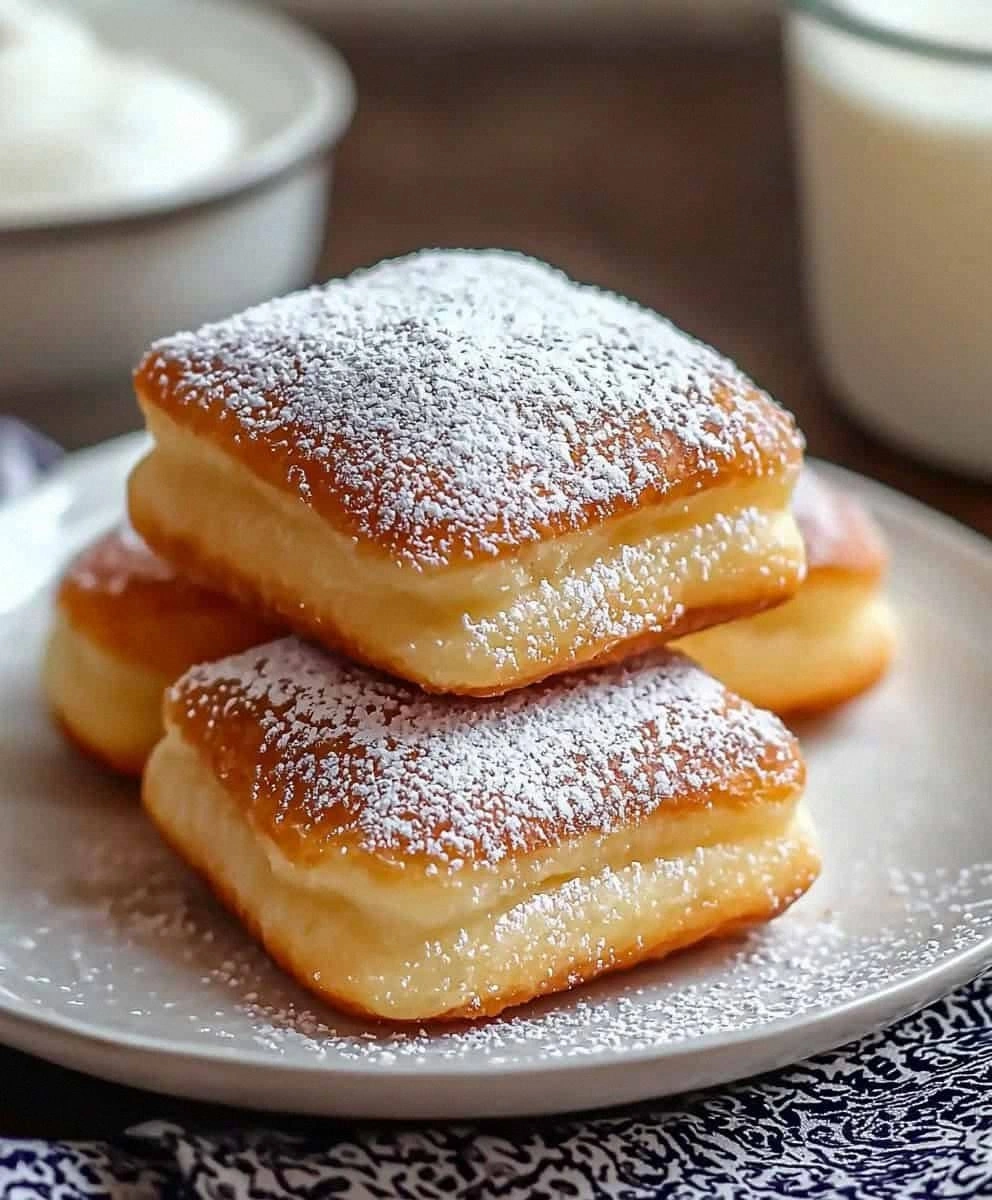
- While still warm, transfer beignets to a shallow bowl and dust generously with powdered sugar through a fine sieve. Flip and repeat so every nook wears a white tuxedo. The sugar will melt slightly on contact, creating a thin glaze that helps the second coating stick. Wait five minutes, then dust again for that dramatic snowy finish that makes everyone reach for their phone camera.
- Serve immediately on a platter with extra sugar in a shaker for the overachievers at your table. These beauties wait for no one; they’re best within fifteen minutes of frying when the contrast between crisp shell and airy interior is at peak drama. If you must hold them longer, re-warm in a 300 °F oven for five minutes and re-dust with sugar just before serving. That’s it—you did it. But hold on, I’ve got a few more tricks that’ll take this to another level...
Insider Tricks for Flawless Results
The Temperature Rule Nobody Follows
Oil temperature drops the moment food hits it, so always fry at 360 °F and let it drift down to 350 °F as you add dough. Think of it as a roller-coaster approach: start high, ride the curve, then maintain. If you try to stay locked at 350 °F, you’ll actually dip to 330 °F and end up with grease bombs. A friend tried skipping this calibration once—let’s just say her beignets could have been wrung out like wet towels. Not cute.
Why Your Nose Knows Best
When the beignets are nearly done, the scent shifts from raw dough to toasted vanilla cake. Trust your olfactory alarm and start checking color. If you wait for visual cues alone, the carry-over heat will push them past golden while they drain. I set a timer for forty-five seconds after the smell changes, flip, then give another thirty. It’s like having a built-in kitchen sixth sense.
The 5-Minute Rest That Changes Everything
After mixing, let the dough rest on the counter (covered) for five minutes. This brief hydration window allows flour particles to fully absorb liquid, reducing shrinkage when you roll. Skipping this leads to stubborn snap-back dough that refuses to stay stretched. I use the downtime to wash the whisk and set up my frying station so every minute counts.
Powdered Sugar Science
Commercial powdered sugar contains a touch of cornstarch to prevent clumping, which is great for stability but can taste faintly chalky. For a luxe finish, blitz granulated sugar in a spice grinder for thirty seconds and sift immediately. The fresh “snow” melts faster and tastes purer—like sweet winter air. Yes, it’s an extra step, but if you’re showing off for brunch, the flavor payoff is real.
Creative Twists and Variations
This recipe is a playground. Here are some of my favorite ways to switch things up:
Lemon Zest Cloud
Swap the cinnamon for a teaspoon of finely grated lemon zest and add a squeeze of juice to the milk. The citrus lifts the vanilla into sunny territory, perfect for summer mornings. Dust with a mix of powdered sugar and lemon zest for extra zing that makes your tongue tingle like a secret.
Chocolate-Stuffed Surprise
Cut dough into 2-inch squares, place a ½-inch cube of bittersweet chocolate in the center, fold corners to the middle and pinch. Fry seam-side down; the chocolate melts into a molten core that oozes like a dessert lava lamp. Warning: first bite equals instant addiction.
Coconut Cream Dream
Replace the milk with chilled coconut milk and add ¼ cup of desiccated coconut to the dry mix. The aroma transports you straight to a beach shack, minus the sand in your shoes. Finish with a shower of powdered sugar spiked with a whisper of cardamom for tropical intrigue.
Spiced Chai Kick
Steep a chai tea bag in the milk for ten minutes, cool completely, then proceed as written. Add a pinch each of ground ginger and cardamom to the flour. The result tastes like your favorite latte got a deep-fried promotion. Serve with a drizzle of honey instead of sugar for a sticky, fragrant crown.
Savory Brunch Hack
Omit sugar and cinnamon, swap vanilla for a tablespoon of chopped fresh herbs (chives + parsley), and add ½ cup shredded sharp cheddar to the dough. Fry as usual and dust with flaky salt. They pair absurdly well with mimosas and make your friends rethink everything they thought they knew about beignets.
Storing and Bringing It Back to Life
Fridge Storage
Cooked beignets lose their magic fast, but if you must, layer them in an airtight container with parchment between rows and refrigerate up to 24 hours. Expect some deflation; the sugar coating will dissolve into a thin syrup. Refresh in a 300 °F oven for six minutes, then re-dust with fresh powdered sugar just before serving. They won’t be identical to fresh, but they’ll beat store-bought doughnuts by a mile.
Freezer Friendly
Freeze raw cut squares on a tray until solid, then transfer to a zip bag for up to two months. Fry straight from frozen—just add 30 extra seconds per side. The shock of cold dough hitting hot oil actually creates an even fluffier interior because the water turns to steam rapidly. Label the bag or you’ll forget what they are and mistake them for weird ice cubes at 2 a.m.
Best Reheating Method
Skip the microwave; it turns the crust rubbery. Instead, place beignets on a wire rack in a 300 °F oven for five to six minutes. Add a tiny splash of water to the tray underneath; the gentle steam revives the interior without softening the shell. Finish with a blizzard of fresh powdered sugar and serve immediately. Your guests will swear you just fried a fresh batch.