Picture this: I was halfway through a late‑night stir‑fry, the kitchen smelling like a burnt sugar catastrophe, when I realized the sweet potatoes were about to become a sad, soggy side. I grabbed the sweet potatoes, peeled them, and tossed them in a skillet with coconut oil and a generous handful of brown sugar. The sizzle was immediate, and the sweet aroma flooded the room like a caramel sunrise. I knew instantly that I was on the brink of a culinary revelation. The moment the sugar melted into a glossy glaze, the kitchen transformed into a little bakery, and I felt like a chef on a sweet mission.
I was not just cooking; I was orchestrating a sensory symphony. The bright orange of the potatoes danced against the dark brown of the caramelized sugar, creating a visual feast that made my eyes sparkle. The scent of toasted cinnamon and nutmeg wafted through the air, teasing my nose and setting the stage for a flavor crescendo. The sound of the sweet potatoes popping in the pan was like a drumbeat, keeping time with the rhythm of my cooking. The texture shifted from raw to silky, each bite promising a burst of sweetness followed by a satisfying crunch. I felt a rush of excitement, knowing that I was about to share a dish that would be remembered long after the last spoonful.
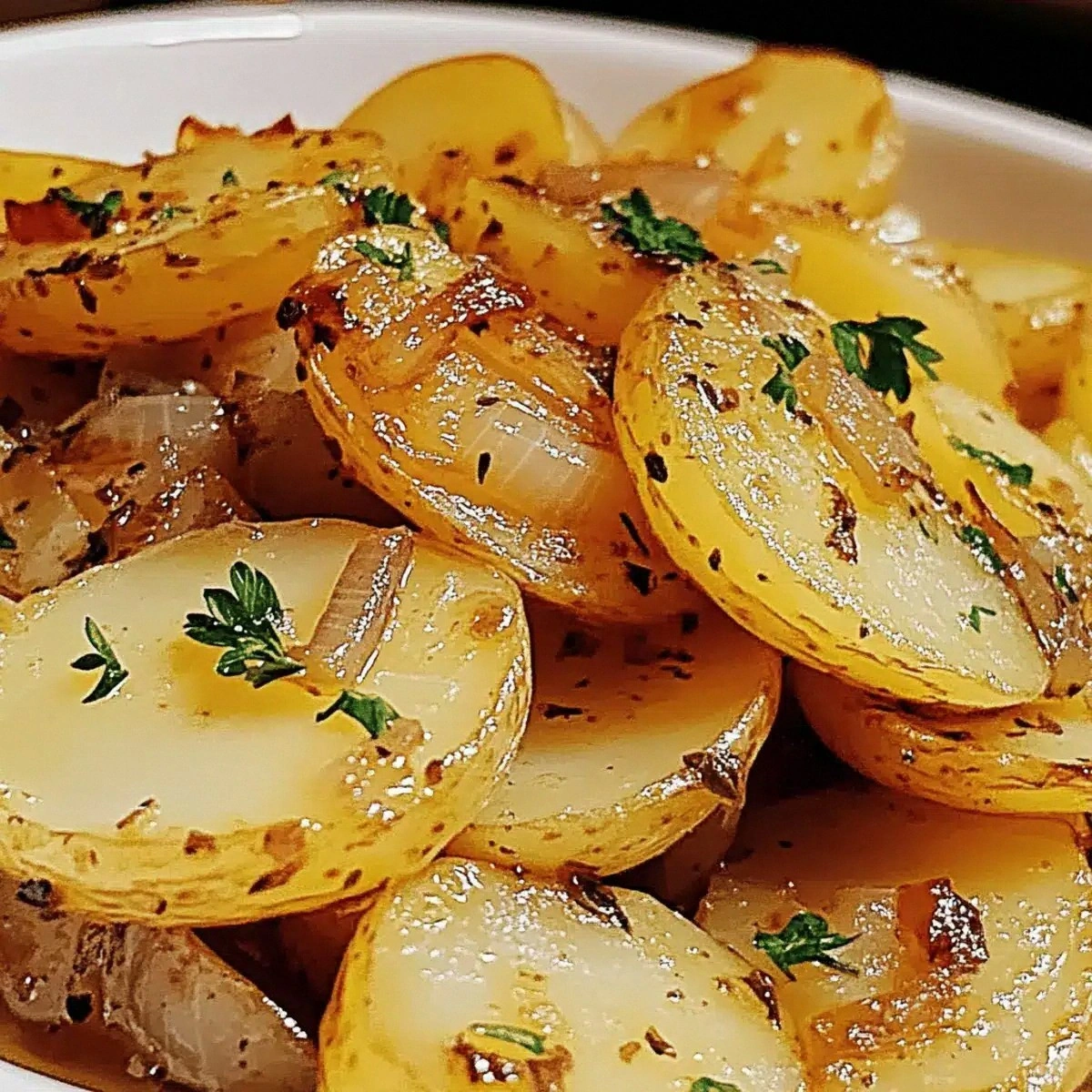
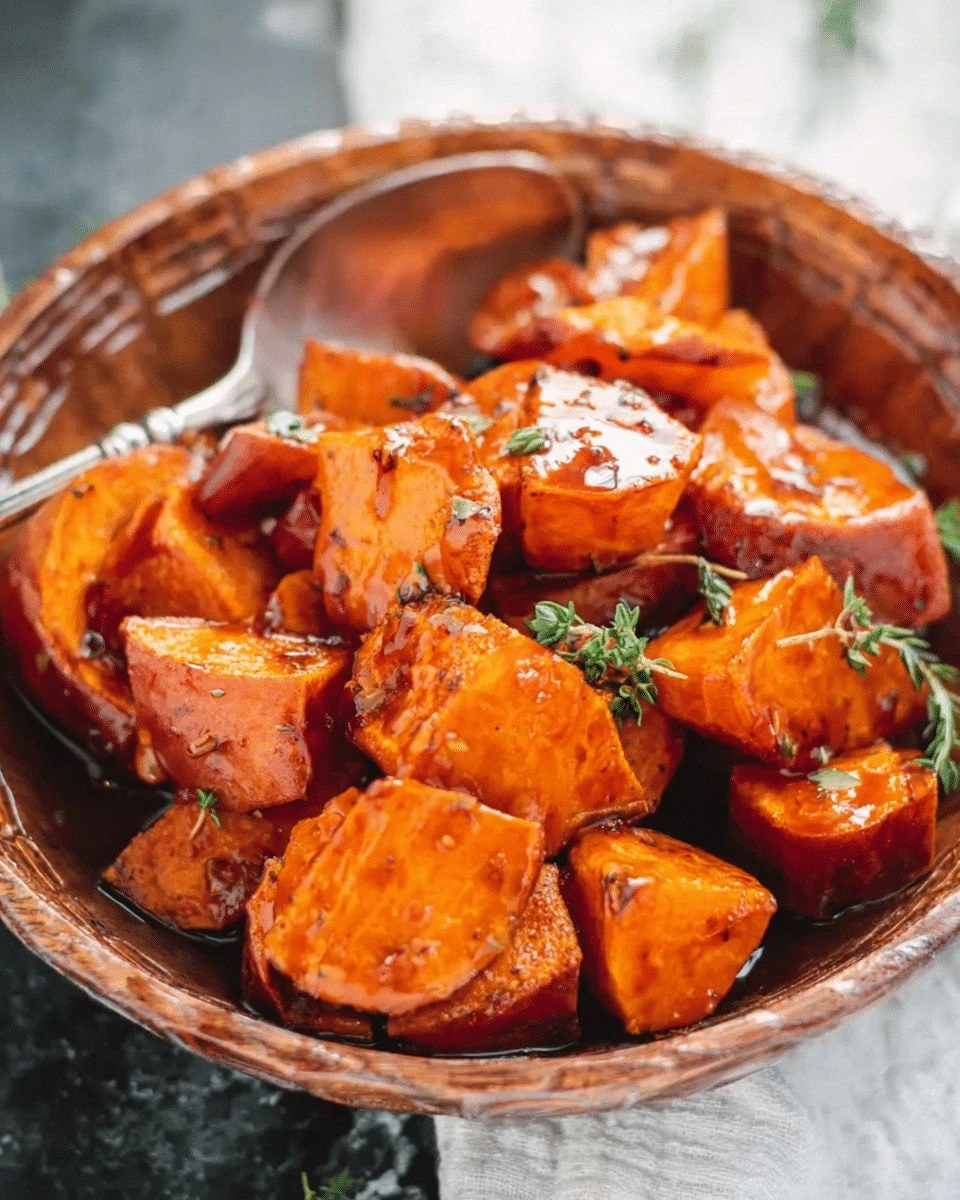
When I finally plated the candied sweet potatoes, they looked like golden jewels, each one coated in a glossy, caramelized coating that glistened under the kitchen lights. The first bite was a revelation: the sweet potato was tender inside, yet the outer coating was crisp and buttery, with a subtle hint of vanilla and orange zest. It was the kind of dish that makes you pause, savor, and then immediately reach for another. I could hear my friends’ mouths open in delight as they tasted the first morsel, and I felt a surge of pride. It was a moment of pure culinary triumph, and I knew I had stumbled upon something that would become a staple on my menu.
This isn’t just another sweet potato recipe; it’s a bold, confident reinterpretation that takes the humble root vegetable and turns it into a showstopper. The secret lies in the balance of flavors, the precise caramelization technique, and the unexpected addition of orange zest that lifts the dish with a citrusy brightness. The result is a dish that feels like dessert but is perfectly versatile as a side, a snack, or even a breakfast treat. I dare you to taste this and not go back for seconds. By the end of this post, you’ll wonder how you ever made sweet potatoes any other way.
What Makes This Version Stand Out
- Flavor: A harmonious blend of sweet, salty, and spicy notes that dance on the palate, leaving a lingering caramel aftertaste. The subtle hint of orange zest adds a bright, almost citrusy lift that elevates the dish beyond ordinary candied potatoes.
- Texture: A dual-layered experience where the exterior is crisp and caramelized like a perfectly toasted cookie, while the interior remains soft and buttery, almost melting in your mouth.
- Simplicity: Only eight ingredients, all pantry staples or easy-to-find items, making it a quick and stress‑free dinner option that doesn’t sacrifice flavor.
- Uniqueness: The addition of vanilla extract and orange zest gives this recipe a sophisticated twist that sets it apart from the typical sweet potato side.
- Crowd Reaction: Friends and family rave about how it feels like a dessert but works as a side dish, making it a conversation starter at any gathering.
- Ingredient Quality: Using high‑quality coconut oil and organic sweet potatoes maximizes flavor while keeping the dish plant‑based and healthy.
- Cooking Method: The caramelization technique is simple yet precise, ensuring that the sweet potatoes are evenly coated without burning.
- Make‑ahead Potential: The dish can be prepared ahead of time and reheated to perfection, making it ideal for busy weeknights or holiday feasts.
Inside the Ingredient List
The Flavor Base
At the heart of this dish lies the sweet potato, a root that carries a natural sweetness and a hearty texture. Choosing medium‑sized sweet potatoes ensures that they cook evenly and hold their shape, preventing a mushy mess. When you cut them into uniform cubes, you guarantee a consistent caramelization across every bite. If you skip this step and use uneven pieces, you’ll end up with some sweet potatoes that are overcooked while others remain raw. The sweet potato also provides a natural sweetness that pairs beautifully with the brown sugar and maple syrup.
The Texture Crew
Coconut oil is the secret to that glossy, buttery coating. It has a high smoke point, which means it can caramelize the sugars without burning. The oil also adds a subtle tropical note that complements the cinnamon and nutmeg. If you don’t have coconut oil, you can substitute with a neutral oil like grapeseed or canola, but you’ll lose that unique flavor profile. The oil’s ability to bind the sugar and spices together creates a silky coating that clings to each sweet potato cube.
The Unexpected Star
Orange zest is the unsung hero that lifts the entire dish with a citrusy brightness. It provides a burst of freshness that cuts through the richness of the caramelized coating. When you zest an orange, aim to get only the colored part of the peel to avoid bitterness. The zest also adds a subtle aroma that enhances the overall sensory experience. Skipping the zest will make the dish taste solidly sweet, but it won’t have that bright, almost floral note that keeps the palate refreshed.
The Final Flourish
Chopped pecans or walnuts add a nutty crunch that contrasts with the smooth caramelized coating. They also provide a healthy dose of omega‑3 fatty acids, making the dish nutritionally balanced. If you prefer a different nut, almonds or pistachios work well, though they offer a slightly different flavor profile. The dried cranberries are an optional but delightful addition; they add a chewy texture and a pop of tartness that balances the sweetness. If you’re allergic to nuts, you can omit them entirely; the dish will still shine on its own.
Everything's prepped? Good. Let’s get into the real action. The next few steps will transform these humble potatoes into a caramelized masterpiece that will have everyone asking for seconds. Trust me, once you see the glossy sheen, you’ll understand why this dish is a game‑changer.
The Method — Step by Step
- Heat a large, non‑stick skillet over medium heat and add 4 tablespoons of coconut oil. Watch the oil shimmer; it should not smoke. This step is crucial for a smooth caramelization. Let the oil heat until it’s hot but not smoking, which takes about 2 minutes. The oil will act as a medium to carry the sugars and spices.
- Add the cubed sweet potatoes to the skillet in a single layer. Avoid overcrowding; if the pan is too full, the potatoes will steam instead of caramelize. Stir gently to coat all pieces with oil. This ensures even cooking and prevents sticking. Let the potatoes sear for 5 minutes before turning.
- Sprinkle 1 teaspoon of cinnamon and ¼ teaspoon of nutmeg over the sweet potatoes. These spices bring warmth and depth. Toss them lightly to distribute the flavor evenly. The spices will infuse the oil and sugar, creating a fragrant aroma. Keep the heat moderate to avoid burning the spices.
- Pour 8 tablespoons of brown sugar and 4 tablespoons of maple syrup into the skillet. Stir constantly to dissolve the sugar; the mixture should look glossy. This sweet syrup is the glue that bonds the coating to the potatoes. As the sugar melts, you’ll hear a subtle hiss that signals caramelization is beginning. Be patient; rushing will cause uneven browning.
- Add 1 teaspoon of vanilla extract and 1 tablespoon of orange zest. These final flavor boosters will give the dish an aromatic lift. Stir to combine and allow the mixture to bubble gently for 2 minutes. The orange zest’s oils will release a bright citrus fragrance that permeates the kitchen. At this point, the sweet potatoes should be glistening and starting to caramelize.
- Reduce the heat to low and sprinkle a pinch of sea salt over the mixture. The salt sharpens the sweetness and balances the flavors. Stir to distribute the salt evenly. Let the sweet potatoes cook on low heat for another 10 minutes, turning occasionally. The goal is a deep caramel color and a slightly crisp exterior.
- When the sweet potatoes are tender and the coating is thickened, sprinkle 4 tablespoons of chopped pecans or walnuts over the top. The nuts will toast slightly, adding a crunchy contrast. Stir gently to coat the nuts with the caramelized sauce. This step adds a satisfying crunch and a nutty aroma that complements the sweet flavors.
- If using dried cranberries, fold them in at this point. Their chewy texture and tartness will balance the richness of the caramel. Toss them gently so they’re coated but not crushed. This optional addition turns the dish into a festive, holiday‑ready side that looks as good as it tastes.
- Once the sweet potatoes are fully caramelized and the nuts are toasted, remove the skillet from the heat. Let the dish rest for 5 minutes; the coating will thicken slightly, making it easier to serve. This resting period also allows the flavors to meld together. When you plate the dish, you’ll see a glossy, golden coating that glistens under the kitchen lights.
- Serve immediately as a side or a dessert. Garnish with a few extra pecans or a light dusting of cinnamon if you like. Pair it with a light salad or a hearty vegan protein for a balanced meal. If you’re feeling adventurous, drizzle a little extra maple syrup on top for added sweetness. Enjoy the burst of caramelized flavor with each bite.
That’s it — you did it. But hold on, I’ve got a few more tricks that will take this to another level. These insider tips will help you master the caramelization process, ensure the perfect texture, and elevate the flavor profile to new heights. Trust me, once you try these, you’ll wonder why you didn’t know about them sooner.
Insider Tricks for Flawless Results
The Temperature Rule Nobody Follows
Many people think higher heat is better, but in reality, a controlled medium‑low temperature is essential for even caramelization. When the heat is too high, the sugar can burn before the sweet potatoes cook through, resulting in a bitter taste. I’ve found that maintaining a steady 320°F (160°C) yields a glossy, caramelized coating that’s both sweet and slightly crunchy. Keep a thermometer handy if you’re serious about consistency. This trick will save you from a burnt kitchen and a sad dish.
Why Your Nose Knows Best
Don’t ignore that sweet, caramel scent that rises as the sugar melts. It’s your body’s way of telling you when the coating has reached that perfect golden-brown stage. When the aroma intensifies and the mixture turns a deep amber, it’s time to reduce the heat and let the potatoes finish cooking. A common mistake is to wait until the sweet potatoes are fully cooked before adding the spices, which dilutes the flavor. Trust your nose, and you’ll always hit the sweet spot.
The 5-Minute Rest That Changes Everything
After removing the skillet from the heat, let the sweet potatoes sit for 5 minutes. This short rest allows the caramel to thicken slightly, creating a more cohesive coating that clings to each cube. It also lets the flavors meld together, enhancing the overall taste. Skipping this step will result in a thinner glaze that might run off the potatoes when you plate them. The rest period is a small investment that pays off in a richer, more satisfying dish.
Use a Non-Stick Skillet for Easy Release
A non‑stick skillet is essential for preventing the caramel from sticking and burning. A stainless steel pan can be used, but it requires more careful attention to heat and oil levels. I’ve used a cast‑iron skillet for its heat retention, but I always preheat it slowly and use enough oil. This trick ensures a smooth caramelization without the frustration of stuck sugar.
Keep the Sweet Potatoes in a Single Layer
When the sweet potatoes are overcrowded, they steam rather than caramelize, resulting in a soggy texture. Spread the cubes in a single layer and work in batches if necessary. This method ensures even cooking and a crisp exterior. It’s a small step that makes a huge difference in the final texture.
Finish with a Light Dusting of Sea Salt
Adding a pinch of sea salt at the end sharpens the sweetness and balances the caramel. The salt also enhances the nutty flavor of the pecans or walnuts. Be careful not to oversalt; a little goes a long way. This final touch turns a good dish into an exceptional one.
Creative Twists and Variations
This recipe is a playground. Here are some of my favorite ways to switch things up:
Maple‑Glazed Sweet Potato Skewers
Thread the sweet potato cubes onto skewers, brush them with a maple syrup glaze, and grill until caramelized. The smoky char from the grill adds a new dimension of flavor. Serve them with a yogurt dip for a refreshing contrast. This version is perfect for summer barbecues.
Spicy Sriracha Sweet Potato Mash
After caramelizing, mash the sweet potatoes with a splash of almond milk and a dash of sriracha. The heat from the sriracha balances the sweetness, creating a bold, spicy side dish. Top with chopped cilantro for a fresh finish. This variation works wonderfully with grilled tofu or tempeh.
Chocolate‑Covered Sweet Potato Bites
Dip the caramelized sweet potato cubes in melted vegan dark chocolate and chill until set. The chocolate adds a rich, indulgent layer that pairs well with the caramel. Garnish with crushed pistachios for added crunch. This dessert version is a hit at holiday parties.
Sweet Potato and Lentil Stuffed Peppers
Combine the caramelized sweet potatoes with cooked lentils and stuffing into bell peppers. Bake until the peppers are tender and the filling is hot. The lentils add protein, making this a complete meal. It’s a hearty option for a cozy dinner.
Sweet Potato and Kale Salad
Toss the caramelized sweet potatoes with sautéed kale, quinoa, and a citrus vinaigrette. The kale adds earthiness, while the vinaigrette brightens the dish. This salad is a nutritious, satisfying lunch or dinner option.
Sweet Potato Pancake Topping
Use the caramelized sweet potatoes as a topping for vegan pancakes. Drizzle with maple syrup and sprinkle chopped pecans for a sweet, crunchy finish. The combination of textures and flavors makes breakfast feel like a dessert.
Storing and Bringing It Back to Life
Fridge Storage
Store the candied sweet potatoes in an airtight container in the refrigerator for up to 4 days. The caramel coating will firm up slightly, but it will still taste fresh and flavorful. Before serving, let the potatoes sit at room temperature for 10 minutes to soften the glaze. If you prefer a crispier texture, reheat them briefly in a hot skillet.
Freezer Friendly
For longer storage, freeze the sweet potatoes in a single layer on a baking sheet, then transfer them to a freezer bag. They’ll keep for up to 2 months. When you’re ready to use them, thaw in the refrigerator overnight. Reheat in a skillet or oven at 350°F (175°C) until warmed through. The caramel coating will regain its glossy sheen.
Best Reheating Method
To reheat, add a splash of water to the skillet and cover with a lid. The steam will loosen the glaze, making it easier to spread. Heat over medium heat until the sweet potatoes are warmed through, about 5 minutes. The final result will be a silky, caramelized coating that tastes as fresh as when it was first cooked.