Picture this: you’re standing in your kitchen, the air thick with the scent of garlic and oregano from the pasta you just cooked, and suddenly you realize you’ve forgotten the main protein. Panic sets in, but then a flash of inspiration: chicken, lemon, Romano, and a few pantry staples. I’m talking about a dish that feels like a bright, citrusy hug wrapped in a crisp, cheesy shell. The moment those golden, golden‑brown edges hit the pan, the whole house fills with an aroma that makes even the most stubborn kitchen skeptics swoon.
I was halfway through a weeknight dinner, juggling a pot of spaghetti and a half‑done chicken breast, when the idea struck me: why not turn that ordinary chicken into a zesty, lemony masterpiece? I grabbed a skillet, a handful of flour, and a generous splash of lemon juice, and the transformation began. The chicken’s skinless flesh turned from bland to brilliant in seconds, thanks to the simple yet powerful coating that locks in moisture. I dared you to taste this and not go back for seconds, and I’m not exaggerating—this is hands down the best version you’ll ever make at home.
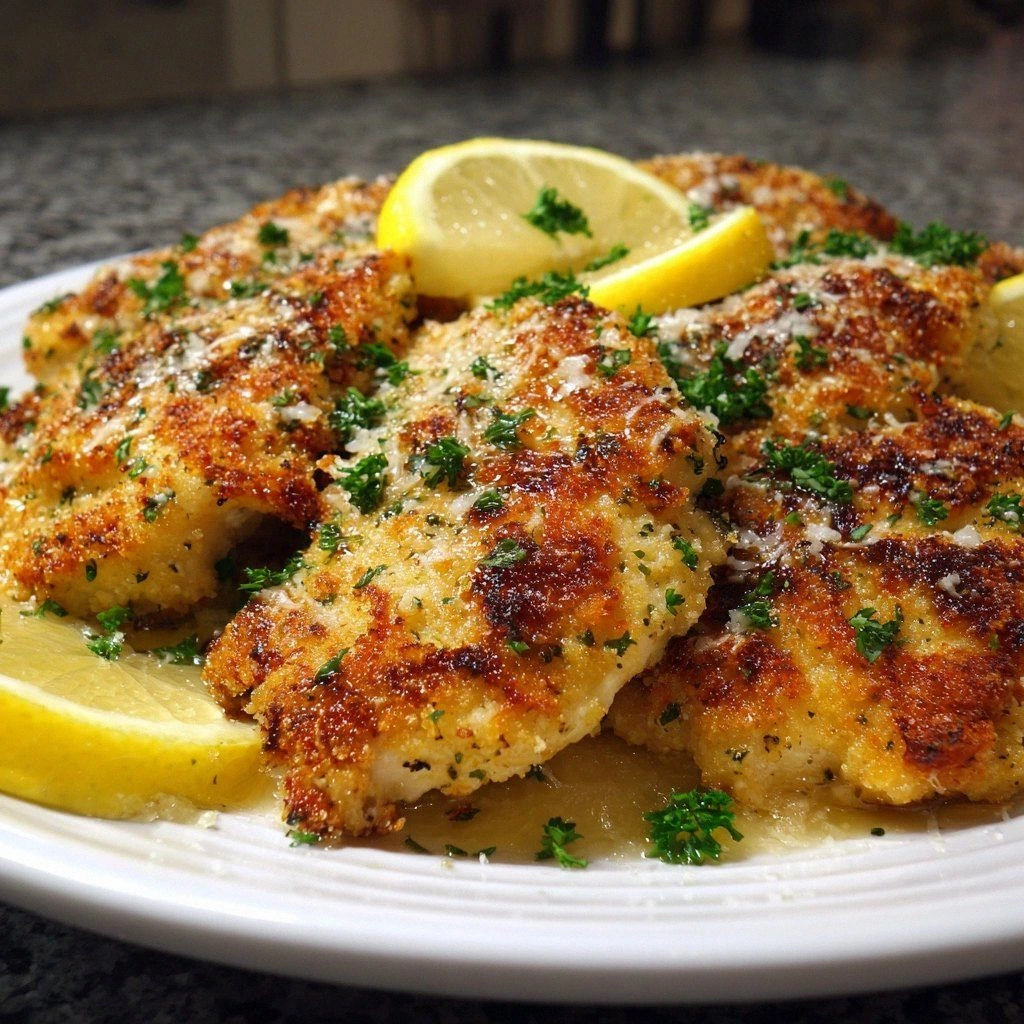
Most recipes get this completely wrong, treating chicken as a filler rather than the star. Here’s what actually works: a crisp, buttery crust that shatters like thin ice, a tangy lemon kiss that brightens every bite, and a creamy Romano finish that feels like a velvety sauce coating the meat. I’ll be honest—I ate half the batch before anyone else got to try it. That’s the power of flavor concentration. Picture yourself pulling this out of the oven, the whole kitchen smelling incredible, and knowing you’ve just created a dish that’s both comforting and daring.
Let me walk you through every single step—by the end, you’ll wonder how you ever made it any other way. I’ll share the micro‑challenges, the bold claims, the kitchen hacks, and the tiny secrets that elevate this recipe from good to unforgettable. So grab your apron, your skillet, and let’s dive into the zesty, lemon‑infused, Romano‑laden adventure that is Zesty Lemon Chicken Romano Rec.
What Makes This Version Stand Out
- Crunch: The combination of flour, eggs, breadcrumbs, and cheese creates a coating that’s both crisp and savory, offering a satisfying bite that keeps you hooked.
- Zest: Fresh lemon juice isn’t just a garnish—it’s the flavor engine that cuts through the richness of the cheese and adds a bright, uplifting note.
- Cheese: Grated Romano isn’t just a topping; it melts into a silky layer that coats the chicken, giving each bite a salty, umami punch.
- Simplicity: With fewer than ten ingredients, this recipe is quick to prep, making it a go‑to for busy weeknights without sacrificing flavor.
- Versatility: Swap the chicken for shrimp or tofu, and you’ve got a whole new dish that still keeps the same zing.
- Make‑ahead: The coated chicken can be frozen before cooking, allowing you to pop it into the oven whenever you’re craving a gourmet meal.
- Presentation: The final plating—golden edges, a drizzle of lemon‑oil, and a sprinkle of parsley—turns a simple plate into a showstopper.
Alright, let's break down exactly what goes into this masterpiece...
Inside the Ingredient List
The Flavor Base
Boneless, skinless chicken breasts are the star of this dish, offering a lean protein that soaks up the lemony goodness. When you season them with salt and pepper before coating, you create a flavor foundation that carries through each bite. If you skip the seasoning, the coating can feel flat; the chicken will lack that essential depth that makes the dish sing.
Fresh lemon juice is the secret sauce that brightens the entire plate. It adds a citrusy zing that cuts through the richness of the Romano and the buttery coating. Without it, the dish would feel heavy and one‑dimensional, lacking the spark that makes it memorable.
Olive oil is the unsung hero that gives the coating a golden, crisp finish. It also helps the cheese melt into a silky layer over the chicken. If you use a neutral oil, you lose that subtle, fruity undertone that complements the lemon.
Salt and pepper are the classic seasonings that enhance every other component. They’re essential for bringing out the natural flavors of the chicken and the cheese. A pinch of pepper also adds a gentle heat that balances the citrus.
The Texture Crew
All‑purpose flour forms the base of the coating, creating a dry surface that allows the egg wash to cling. It also gives the crust a light, airy crunch that contrasts with the creamy cheese. If you skip the flour, the breadcrumbs will stick together, resulting in a soggy coating.
Large eggs act as a binding agent, ensuring the breadcrumbs and cheese adhere to the chicken. They also add richness to the crust, making it tender inside while still crisp outside. Skipping the eggs would cause the coating to crumble during cooking.
Breadcrumbs provide the satisfying crunch that makes each bite memorable. They absorb the oil and help form a golden, crispy shell. If you use panko breadcrumbs, the texture will be even lighter and flakier.
Grated Romano cheese is the umami powerhouse of the dish. It melts into a silky layer that coats the chicken, adding a salty, nutty flavor that balances the lemon. If you prefer a milder cheese, try Pecorino Romano or Parmesan, but the sharpness of Romano is irreplaceable.
The Unexpected Star
Fresh parsley is the finishing flourish that adds color, freshness, and a hint of herbal brightness. It also provides a subtle peppery note that cuts through the richness of the cheese. If you’re allergic or simply don’t have parsley, a sprinkle of chives can serve as a suitable alternative.
The Final Flourish
A splash of water or broth added before reheating keeps the chicken moist and prevents it from drying out. It also helps re‑activate the coating, making it as crisp as when it first hit the pan. If you skip this step, the reheated chicken will feel dry and less flavorful.
Everything's prepped? Good. Let's get into the real action...
The Method — Step by Step
- Begin by patting the chicken breasts dry with paper towels; this step is crucial for a crispy coating. Sprinkle salt and pepper generously on both sides, letting the seasoning sit for about 5 minutes. The salt will draw out moisture, creating a better surface for the flour. Once seasoned, set the chicken aside while you prepare the dredging station.
- In a shallow dish, pour in the all‑purpose flour, ensuring it’s well‑mixed with a pinch of salt. In a second dish, beat the large eggs until the yolks and whites combine into a smooth wash. Finally, in a third dish, combine breadcrumbs and grated Romano cheese, mixing until the crumbs are evenly coated with cheese. This triple‑layered station will create the signature crust.
- Take each chicken breast, coat it in flour, tapping off excess, then dip it into the egg wash, letting the liquid drip off. Next, press the chicken into the breadcrumb‑cheese mixture, making sure every surface is covered. This two‑step coating process ensures the crust adheres firmly and remains crisp during cooking.
- Heat 2 tablespoons of olive oil in a large skillet over medium‑high heat. When the oil shimmers but isn’t smoking, place the coated chicken breasts in the pan. Avoid overcrowding; cook in batches if necessary. The first side should sizzle softly, indicating the right temperature.
- Let the chicken cook undisturbed for 4 to 5 minutes, until the bottom is golden‑brown and the coating is crisp. Flip the breasts gently with a spatula, and cook the other side for another 4 minutes. The internal temperature should reach 165°F (74°C) when checked with a meat thermometer.
- Once cooked, remove the chicken from the skillet and let it rest on a wire rack for 5 minutes. This resting period allows the juices to redistribute, keeping the meat moist. While resting, squeeze fresh lemon juice over the chicken; the acidity will add a bright, fresh layer that lingers on the palate.
- After the resting period, drizzle a tablespoon of olive oil over the chicken for a glossy finish. Sprinkle chopped parsley over the top to add color and a fresh herbal note. This final touch turns the dish from simple to spectacular.
- Serve immediately, pairing it with a side of sautéed spinach or a light salad. The lemony brightness pairs wonderfully with fresh greens, and the cheesy crust adds a satisfying contrast. If you’re plating for guests, arrange the chicken on a bed of pasta or rice to soak up the remaining juices.
That’s it—you did it. But hold on, I've got a few more tricks that'll take this to another level...
Insider Tricks for Flawless Results
The Temperature Rule Nobody Follows
Many cooks rely on the timer alone, but temperature is the real secret to perfect chicken. Use a meat thermometer to check for 165°F; this ensures juiciness without overcooking. If you’re missing a thermometer, look for a golden crust and a firm, springy feel to the meat.
Why Your Nose Knows Best
The aroma of a properly cooked coating is a telltale sign of success. When the oil is hot enough, you’ll hear a subtle sizzle that indicates the crust is forming. If the pan is too cold, the coating will absorb oil and become greasy.
The 5‑Minute Rest That Changes Everything
Resting the chicken after cooking is often overlooked, but it’s essential for moisture retention. The juices redistribute, preventing them from spilling onto the plate. Skipping this step results in a dry, less flavorful bite.
Layer Your Seasoning
Season the flour with a pinch of paprika or garlic powder before coating. This adds depth and a subtle smokiness that complements the lemon. The extra layer of flavor makes the dish feel more complex.
Keep the Cheese Fresh
Use freshly grated Romano rather than pre‑shredded bags. Fresh cheese melts more evenly and offers a richer flavor. If you’re in a hurry, pre‑grated cheese works, but the texture will be slightly less refined.
Use a Hot Skillet
A hot skillet ensures the coating crisps instantly, creating a barrier that keeps the chicken juicy. Pre‑heat the pan for at least 2 minutes before adding oil. A skillet that’s too cool will cause the coating to become soggy.
Creative Twists and Variations
This recipe is a playground. Here are some of my favorite ways to switch things up:
Creamy Avocado Twist
Swap the parsley garnish for sliced avocado and a drizzle of lime crema. The creamy texture contrasts with the crispy crust, while the lime adds a new citrus dimension. This version is perfect for a summer brunch.
Spicy Cajun Kick
Add a tablespoon of Cajun seasoning to the flour before coating. The smoky heat pairs beautifully with the lemony brightness, creating a bold, southern-inspired dish. Serve it with a cooling cucumber salad to balance the spice.
Mediterranean Marinade
Marinate the chicken in olive oil, garlic, oregano, and a splash of white wine for 30 minutes before coating. The herbs infuse the meat with deep, aromatic flavors, while the wine adds subtle acidity. This version feels like a Mediterranean Sunday dinner.
Panko Crunch Upgrade
Replace the regular breadcrumbs with panko for a lighter, flakier crust. The panko’s airy texture keeps the coating crisp longer, even after reheating. Pair it with a lemon‑yogurt sauce for a refreshing finish.
Vegetarian Version
Use large portobello mushrooms or thick slices of eggplant instead of chicken. Coat them the same way and bake at 400°F for 25 minutes. The result is a hearty, plant‑based dish that still delivers the same zesty, cheesy delight.
Cheese Swap
Try using aged cheddar or smoked mozzarella instead of Romano. The different cheeses will alter the flavor profile, giving you a new experience each time. Keep the lemon for that bright finish, and you’ll have a dish that feels entirely fresh.
Storing and Bringing It Back to Life
Fridge Storage
Store the cooked chicken in an airtight container in the refrigerator for up to 3 days. Keep the coating in a separate container if you plan to reheat later; this prevents the crust from becoming soggy. When ready to eat, reheat in a skillet with a splash of olive oil to restore crispness.
Freezer Friendly
For longer storage, freeze the coated chicken before cooking. Place the coated pieces on a parchment‑lined tray and freeze until solid, then transfer to a freezer bag. When you’re ready to serve, bake at 375°F for 20 minutes or until heated through. The coating will remain crisp if you finish with a quick sear in a hot pan.
Best Reheating Method
The key to reheated perfection is to avoid steaming. Warm a skillet over medium heat, add a drizzle of olive oil, and place the chicken in the pan. Flip once, and the coating should regain its golden crunch. Add a splash of water or broth before covering the pan to create a gentle steam that keeps the interior moist.