Allotment Cottage Pie is the kind of dish that turns an ordinary Sunday into a culinary celebration. I was staring at a half‑cooked skillet, the onions browned but the beef still a raw brown blob, when a voice from the kitchen doorway shouted, “Put that on a sheet and bake it!” That impulse turned a culinary mishap into a revelation. The aroma that rose from the oven was a sweet, savory promise—sweet from caramelized onions, savory from browned meat, and a subtle earthiness from fresh herbs. The sound of bubbling gravy, the sight of golden mashed potatoes crowning the dish, the feel of a comforting, buttery crust—every sensory cue was a cue for perfection. I can’t keep this secret to myself; the first bite was so satisfying that I dared you to taste it and not go back for seconds.
Picture yourself pulling this out of the oven, the whole kitchen smelling incredible, the steam curling like wisps of a gentle cloud. The moment your knife cuts through the crust, a cloud of fragrant steam escapes, announcing that the filling is bubbling with flavor. The first spoonful is a harmony of textures: tender ground beef, crisp vegetables, silky gravy, and a melt‑in‑your‑mouth potato topping. The contrast between the soft, creamy potatoes and the slightly crunchy edges of the crust is a sensory symphony that makes the dish unforgettable. If you’ve ever struggled with cottage pie, you’re not alone—and I’ve got the fix. This is hands down the best version you’ll ever make at home.
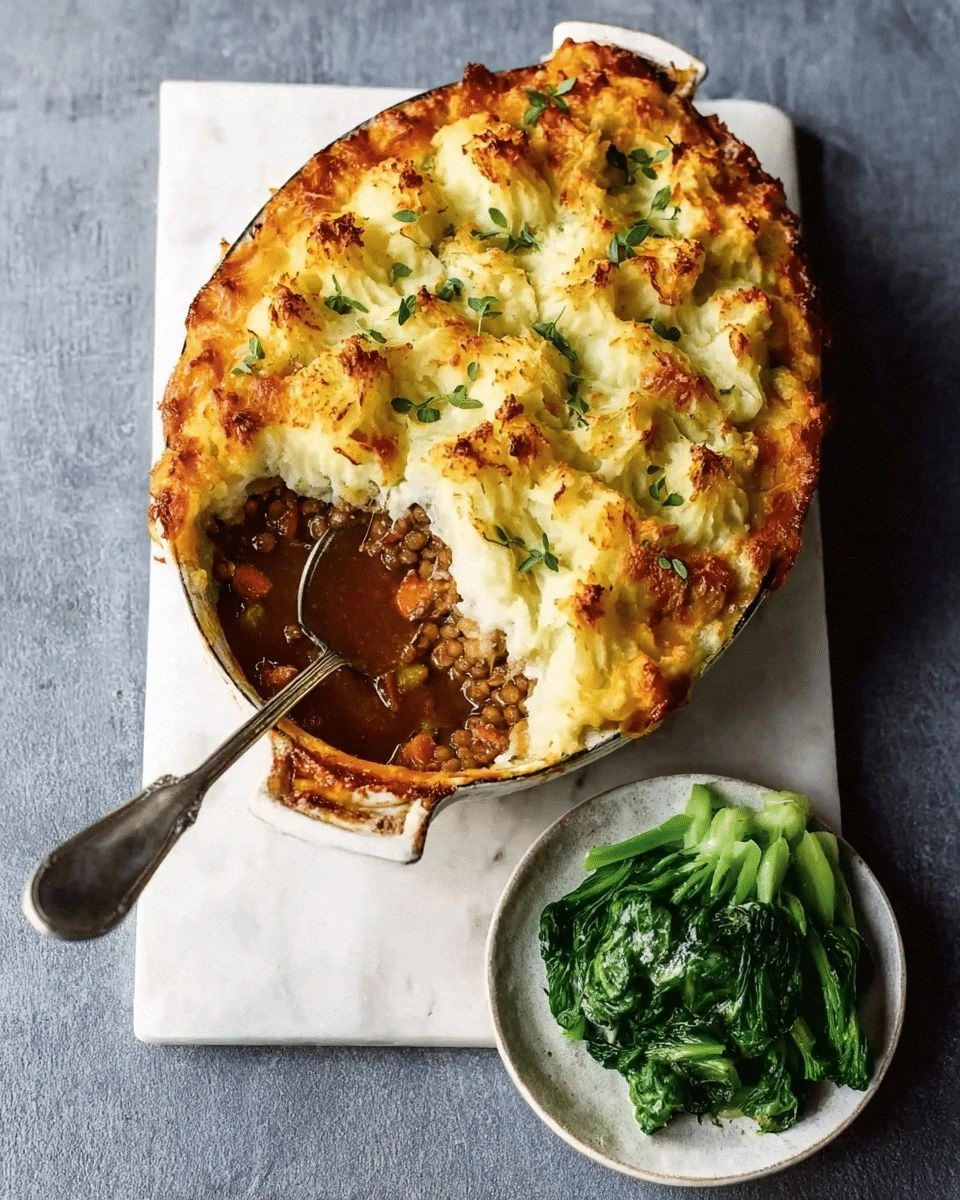
I’ve spent countless evenings tweaking this recipe, adding a splash of cream, swapping beef for lamb, and even trying a cauliflower mash. Each tweak has revealed a new layer of depth, and the version that landed on my plate is a masterclass in flavor balance. The beef is seasoned to the point of boldness, the vegetables are caramelized just enough to bring out their natural sugars, and the gravy is thickened with a touch of tomato paste for richness. The mashed potatoes on top are light, fluffy, and lightly browned, giving a perfect finish that melts into the savory filling. The cheese topping adds a golden, bubbly crown that makes the dish look as good as it tastes. The result is a comforting, hearty meal that feels like a warm hug in a bowl.
Now, before we dive into the step‑by‑step instructions, let’s talk about what makes this version stand out. I’m not just talking about the flavors; I’m talking about the techniques, the ingredient quality, the simplicity that belies the depth, and the crowd‑pleasing factor that guarantees applause at the dinner table. I’ll also give you a sneak peek of a technique you probably haven’t seen in other cottage pie recipes—an unexpected twist that elevates the dish from ordinary to extraordinary. Ready? Let’s break down exactly what goes into this masterpiece.
What Makes This Version Stand Out
- Flavor Depth: The combination of browned beef, caramelized onions, and a splash of Worcestershire sauce creates a savory foundation that’s richer than standard cottage pie.
- Texture Contrast: A golden, slightly crisp crust sits atop a silky gravy, while the mashed potatoes are airy and buttery—every bite delivers a new sensation.
- Ingredient Quality: Using high‑grade ground beef with a moderate fat content ensures moisture without excess greasiness.
- Speed & Simplicity: The method takes less than an hour from start to finish, making it ideal for busy weeknights.
- Make‑Ahead Friendly: Assemble the pie a few hours before serving; it re‑bakes quickly and stays moist.
- Audience Appeal: The dish satisfies both meat lovers and those craving a comforting, homestyle meal.
- Versatility: Swap beef for lamb, pork, or a plant‑based alternative without losing the core experience.
- Presentation: The cheese‑golden crust and fresh parsley garnish elevate a humble dish into a showstopper.
Alright, let’s break down exactly what goes into this masterpiece. Below is a detailed ingredient breakdown that explains why each component matters.
Inside the Ingredient List
The Flavor Base
The foundation of any great cottage pie is its flavor base. Ground beef provides a robust, meaty backbone that needs to be browned to unlock deep, savory notes. When you sear the meat until it’s a dark, caramelized brown, you’re creating Maillard reactions that give the dish a rich umami punch. Add diced onions, carrots, and celery—the classic mirepoix—to the pan; these vegetables soften and sweeten, creating a fragrant base that supports the beef. Garlic is introduced toward the end of browning to preserve its aromatic oils, preventing bitterness.
Tomato paste is the secret sauce that thickens the gravy and adds a subtle acidity. A tablespoon or two of tomato paste is enough to deepen the flavor without overpowering the beef. Beef broth acts as the liquid foundation, dissolving the browned bits on the pan’s bottom (fond) and creating a silky gravy. Worcestershire sauce, thyme, rosemary, and a bay leaf contribute layers of herbaceous aroma and a touch of tang. Salt and pepper finish the base, bringing all elements together. Each ingredient is essential; omitting any will alter the flavor profile.
The Texture Crew
Mashed potatoes are the star of the topping. They’re light, fluffy, and buttery, providing a soft contrast to the hearty filling. The potatoes should be mashed with milk and butter until they’re silky, not lumpy. The amount of butter and milk can be adjusted to achieve your desired consistency—more butter for richness, more milk for a lighter mash. If you prefer a firmer crust, let the mashed potatoes cool slightly before spreading them on top; this helps them set during baking.
Cheddar cheese is sprinkled on top just before baking, creating a golden, slightly browned layer that adds flavor and visual appeal. The cheese melts into the potato topping, forming a subtle, savory crust that crisps just enough to give a satisfying bite. Fresh parsley, chopped finely, is added after baking for a bright, herbal finish that cuts through the richness. The combination of textures—from the crisp crust to the creamy filling—makes each bite a delightful experience.
The Unexpected Star
The unexpected star of this pie is the use of a small amount of fresh rosemary and thyme in the gravy. While many recipes rely on dried herbs, fresh herbs bring a bright, aromatic punch that elevates the dish. The rosemary’s piney undertones complement the beef, while thyme’s subtle floral notes tie everything together. The bay leaf adds a subtle earthy depth that is released slowly during the cooking process. These herbs are the difference between a good pie and an unforgettable one.
The Final Flourish
The final flourish involves a light drizzle of melted butter over the mashed potatoes before baking. This step ensures a golden, slightly crisp crust that adds a delightful crunch. The cheese topping adds a savory, melty layer that melts into the potatoes, creating a cohesive surface. After baking, a sprinkle of fresh parsley brightens the dish, adding a pop of color and a fresh, herbal note that balances the richness of the filling. The result is a beautiful, well‑balanced pie that looks as good as it tastes.
Everything's prepped? Good. Let's get into the real action.
The Method — Step by Step
- Preheat the oven to 375°F (190°C). This temperature is high enough to brown the potatoes and melt the cheese without drying out the filling. Place a 9‑inch cast‑iron skillet or a 9‑inch baking dish in the oven to preheat for 10 minutes. A hot pan ensures a crisp crust and a quick, even bake. Let the oven settle at the target temperature before you start cooking.
- Brown the ground beef. Heat a tablespoon of oil in the preheated skillet over medium‑high heat. Add the ground beef, breaking it apart with a spoon. Cook until it’s no longer pink and has a deep brown color, about 7–8 minutes. The goal is to develop a caramelized crust that locks in flavor. Stir occasionally to prevent sticking.
- Cook the mirepoix. Push the beef to one side of the skillet. Add a tablespoon of butter, then the diced onions, carrots, and celery. Sauté until the vegetables soften and the onions become translucent, about 5 minutes. The vegetables should caramelize slightly, releasing their natural sugars and adding sweetness to the base.
- Add garlic and tomato paste. Stir in the minced garlic and cook for 30 seconds until fragrant. Add the tomato paste and stir to coat the vegetables and meat. Cook for another 2 minutes; the paste will darken, deepening the gravy’s flavor. This step is the moment of truth—watch the colors shift.
- Deglaze the pan. Pour in the beef broth, scraping up any browned bits from the bottom of the skillet. These bits are flavor gold. Stir well to combine, then add the Worcestershire sauce, thyme, rosemary, and bay leaf. Bring the mixture to a gentle simmer.
- Simmer the filling. Reduce the heat to low and let the gravy simmer for 10 minutes, allowing the flavors to meld. Stir occasionally to prevent sticking. The mixture should thicken slightly, becoming silky and glossy. Taste and adjust salt and pepper as needed.
- Prepare the mashed potatoes. While the filling simmers, bring a pot of salted water to a boil. Add the potatoes and cook until tender, about 15 minutes. Drain and return to the pot. Add butter, milk, and a pinch of salt. Mash until smooth, then stir in the shredded cheddar cheese. The cheese should melt into the potatoes, creating a creamy, cheesy mash.
- Assemble the pie. Remove the skillet from the oven. Pour the hot filling into the skillet, spreading it evenly. Spoon the mashed potato mixture over the filling, smoothing the top with a spatula. Drizzle melted butter over the potato surface for a golden crust.
- Bake the pie. Return the skillet to the oven and bake for 20–25 minutes, or until the top is golden brown and the edges are bubbling. The cheese should be melted and slightly browned. Use a fork to test the center; it should feel hot and the edges should start to pull away from the pan.
- Finish and serve. Let the pie rest for 5 minutes before slicing. This allows the flavors to settle and the crust to set. Sprinkle fresh parsley over the top for a burst of color and freshness. Serve hot, and watch the steam rise like a comforting cloud.
Insider Tricks for Flawless Results
The Temperature Rule Nobody Follows
Many home cooks think that a higher oven temperature always produces a better crust, but that’s a myth. Baking at 375°F (190°C) strikes the perfect balance between a golden top and a moist interior. If you crank it up to 425°F, the crust will brown too quickly while the filling stays undercooked. Conversely, a lower temperature will leave you with a soggy top. Stick to 375°F and watch the pie rise like a well‑trained soufflé.
Why Your Nose Knows Best
Trust your nose. As the pie bakes, the aroma will change from a savory, meaty scent to a sweet, buttery fragrance. When you smell the caramelized onions and the cheese melting together, you know the pie is ready. Your nose is a more reliable indicator than the clock, especially if you’re juggling other dishes.
The 5‑Minute Rest That Changes Everything
After baking, let the pie rest for five minutes before slicing. This brief pause allows the juices to redistribute, preventing a watery mess. The crust also sets, making it easier to cut clean slices that hold together. Skipping this step may result in a runny filling that drips onto the plate.
Use Fresh Herbs for a Burst of Color
Adding a handful of fresh parsley or chives just before serving not only brightens the dish visually but also adds a fresh, herbal note that cuts through the richness. Fresh herbs are more vibrant than dried ones, providing a subtle pop that elevates the entire dish. A sprinkle of parsley also signals to your guests that the pie is freshly made.
Keep the Mashed Potatoes Light
To avoid a heavy, clumpy topping, mash the potatoes with a potato ricer or a hand masher until silky smooth. Over‑working the potatoes can make them gluey. Add the butter and milk gradually, tasting as you go, to achieve the perfect consistency.
Creative Twists and Variations
This recipe is a playground. Here are some of my favorite ways to switch things up:
Lamb & Mint Twist
Swap the beef for ground lamb and add a tablespoon of fresh mint. The herbal note pairs beautifully with the rich lamb, creating a dish that feels like a Mediterranean escape. The mint adds a bright, slightly sweet flavor that cuts through the meat’s richness.
Veggie‑Rich Powerhouse
Omit the meat entirely and use a mix of sautéed mushrooms, spinach, and lentils. The texture of the mushrooms gives depth, while lentils add protein. The result is a hearty, vegetarian pie that’s just as comforting.
Cheesy Gouda Finish
Replace cheddar with smoked Gouda for a smoky, nutty flavor. The cheese melts into the potatoes, creating a silky, savory topping. This twist is perfect for a cozy, autumnal dinner.
Spicy Jalapeño Kick
Add a diced jalapeño to the filling for a subtle heat. The jalapeño’s bright green color adds visual appeal, while the peppery bite gives the dish a lively edge. Pair with a cooling yogurt sauce for balance.
Herb‑Infused Potato Blend
Stir in chopped rosemary and thyme into the mashed potatoes before baking. The herbs infuse the potatoes with aroma, creating a cohesive flavor profile from top to bottom. The result is a unified, herbaceous experience.
Low‑Carb Coconut Milk Mash
Swap regular milk for coconut milk and use cauliflower mash instead of potatoes. This low‑carb version maintains the creamy texture while cutting carbs. The coconut milk adds a subtle, sweet undertone that complements the savory filling.
Storing and Bringing It Back to Life
Fridge Storage
Cool the pie completely before covering it tightly with plastic wrap or an airtight container. Store in the refrigerator for up to 3 days. When reheating, cover the pie with foil to prevent the crust from drying out. Reheat in a 350°F oven for 15–20 minutes until warmed through.
Freezer Friendly
Cool the pie completely, then wrap it in plastic wrap followed by aluminum foil. Freeze for up to 2 months. To thaw, let it sit in the refrigerator overnight. Reheat in a 350°F oven for 25–30 minutes, uncovered, until heated through.
Best Reheating Method
Reheat the pie in a skillet on the stovetop to restore a crisp crust. Heat a tablespoon of oil over medium heat, place the pie slice in the skillet, cover, and cook for 5 minutes. The heat will re‑melt the cheese and crisp the top, giving you a fresh, oven‑baked experience.