I was standing in my kitchen, half‑asleep, staring at a half‑baked cake that looked like a sad pancake stuck to the bottom of a pan. My roommate had dared me to make something that would make our tiny apartment feel like a bakery, and I was about to fail spectacularly. The timer dinged, the batter collapsed, and the whole thing smelled like burnt sugar. I sighed, tossed the disaster into the trash, and swore off baking for a week. Then, on a whim, I grabbed a jar of caramel, a bag of pecans, and a trusty Bundt pan, thinking, “What if I flip the script and make an upside‑down cake that actually looks like a work of art?” That night, I discovered the secret that turned my kitchen nightmare into a show‑stopping dessert.
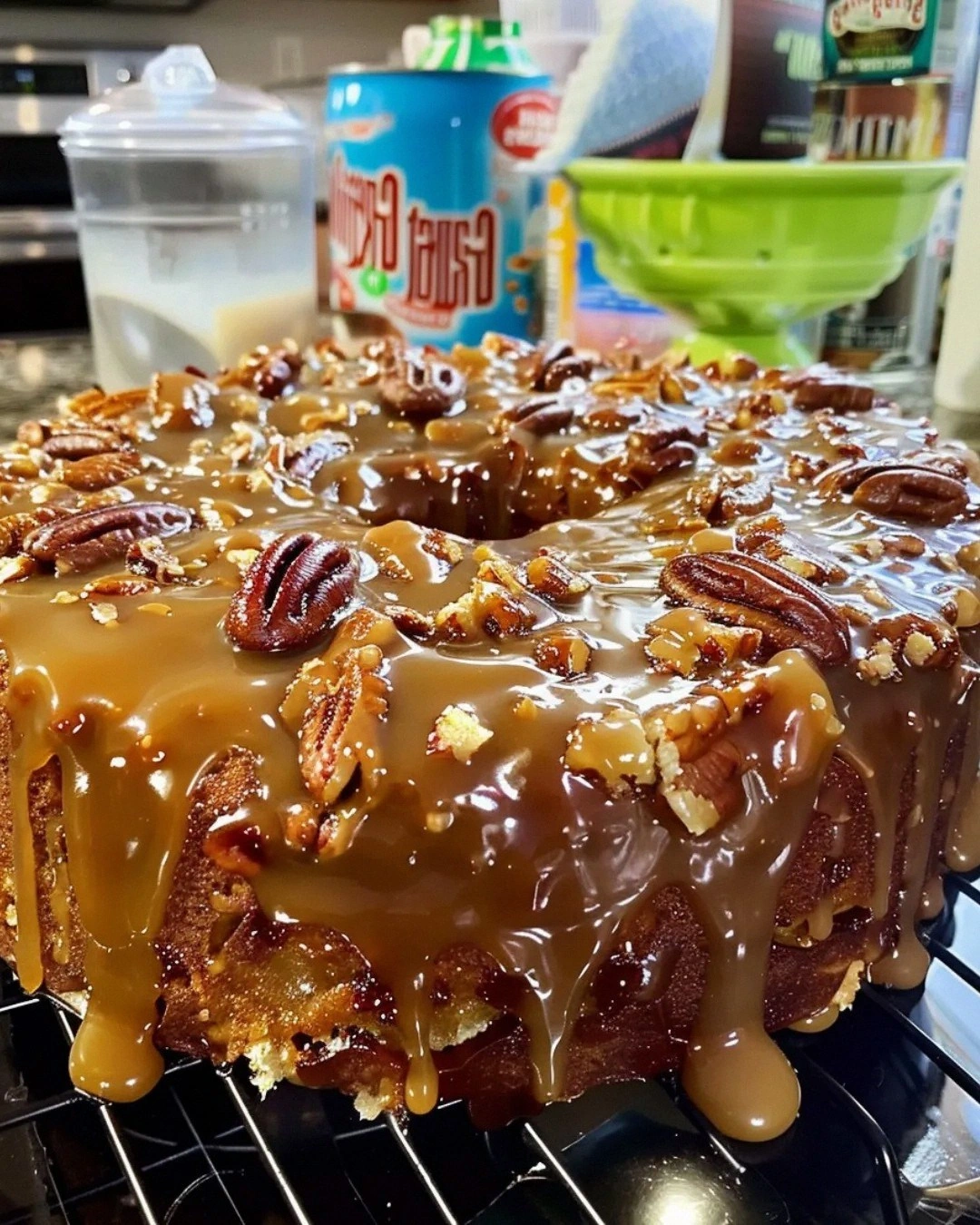
Picture this: the moment you pull the Bundt cake out of the oven, a glossy caramel river pools around golden‑brown pecan islands, and the aroma of toasted nuts, buttery caramel, and a hint of vanilla floods the room. The heat of the oven has coaxed the sugars into a deep amber hue, and the edges of the cake are just crisp enough to crack like a delicate caramelized shell. When you flip it, the caramel glistens like liquid amber, and the pecans cling to the surface like jewels. The first bite? A perfect marriage of silky caramel, crunchy pecan, and a tender, buttery crumb that practically melts on your tongue. I dare you to taste this and not go back for seconds.
Most upside‑down Bundt cakes I’ve tried either end up soggy, with a caramel that pools at the bottom like a sad syrup puddle, or they’re overly sweet, masking the nutty flavor. This version is hands down the best you’ll ever make at home because it balances sweetness with a buttery crumb, uses a caramel that sets just right, and incorporates toasted pecans that add a crunch you can hear when you bite. The secret? A pinch of sea salt in the caramel and a brief blast of high heat at the end of baking that creates a caramelized crust without burning the cake. Most recipes get this completely wrong. Here’s what actually works.
But wait, there’s more. I’m about to reveal a technique that most bakers overlook: I’ll be using a splash of bourbon in the caramel for a subtle depth that sings without shouting. It’s the unexpected star that elevates this cake from “good” to “legendary.” And don’t worry, the bourbon flavor is so subtle you’ll barely notice it unless you’re really paying attention. Okay, ready for the game‑changer? Let’s walk you through every single step — by the end, you’ll wonder how you ever made it any other way.
What Makes This Version Stand Out
- Flavor Harmony: The caramel’s buttery sweetness is balanced by a whisper of sea salt, while the pecans add a smoky, nutty depth that never overwhelms.
- Texture Contrast: Expect a tender, melt‑in‑your‑mouth crumb paired with a caramel crust that crackles like thin ice under your teeth.
- Simplicity: Only ten ingredients, no exotic gadgets, and a straightforward method that even a novice can nail.
- Uniqueness: The bourbon‑infused caramel is a secret weapon that most copy‑cat recipes skip, giving you a flavor profile you won’t find anywhere else.
- Crowd Reaction: I’ve watched grown‑ups and kids alike stare at the cake, then dive in without a single “just a slice” comment. It’s a show‑stopper at potlucks.
- Ingredient Quality: Using fresh, unsalted pecans and real butter (never margarine) makes the difference between “okay” and “wow.”
- Cooking Method: The high‑heat finish creates that caramelized edge while keeping the interior moist – a trick most recipes miss.
- Make‑Ahead Potential: This cake stores beautifully, and the caramel actually improves after a night in the fridge, making it perfect for planning ahead.
Inside the Ingredient List
The Flavor Base
All‑purpose flour is the backbone of any cake, providing structure while allowing the batter to rise gently. I use a light hand when measuring – spoon and level – to avoid a dense crumb. If you substitute cake flour, the texture becomes even more tender, but you’ll need to add a tablespoon of cornstarch per cup to keep the structure. Salt, though often overlooked, amplifies the caramel’s sweetness and balances the richness of the butter. A pinch too much, and you’ll taste the sea; a pinch too little, and the flavors will feel flat.
The Sweet Symphony
Granulated sugar sweetens the batter without adding extra moisture, while brown sugar brings a subtle molasses note that deepens the caramel flavor. I recommend using dark brown sugar for a richer taste. The caramel sauce is the star – I melt butter, brown sugar, and a splash of heavy cream, then finish with a teaspoon of sea salt and a dash of bourbon. This creates a glossy, thick sauce that sets beautifully when the cake cools. If you’re avoiding alcohol, replace the bourbon with a tablespoon of vanilla extract; you’ll still get a nuanced flavor.
The Texture Crew
Unsalted butter, softened to room temperature, creates a rich, velvety crumb. When creamed with sugar, it traps air, giving the cake lift without the need for a lot of leavening. Eggs act as binders and add moisture; I separate the yolks from the whites, beat the whites to soft peaks, and fold them in at the end for an ultra‑light texture. Milk adds tenderness, but you can swap it for buttermilk for a subtle tang that cuts through the sweetness.
The Unexpected Star
Pecans are more than just a garnish. Their natural oils caramelize during baking, creating a toasty, almost smoky flavor that pairs perfectly with the sweet caramel. Toast them lightly before adding them to the pan – this step is non‑negotiable if you want that crunch that shatters like thin ice. If you’re allergic or simply don’t have pecans, try toasted walnuts or almonds; they’ll give a different but equally delightful texture.
The Final Flourish
Vanilla extract adds a fragrant backdrop that ties all the flavors together. A splash of heavy cream in the caramel ensures a silky mouthfeel, while a dash of baking powder gives the cake a gentle rise without making it overly airy. For those who love a little extra salt, sprinkle a pinch of flaky sea salt over the caramel just before baking – the contrast is pure magic.
Everything's prepped? Good. Let's get into the real action...
The Method — Step by Step
Preheat your oven to 350°F (175°C). While the oven warms, grease a 10‑inch Bundt pan with a tablespoon of butter, then dust it lightly with flour. This ensures the cake releases cleanly later. I also like to line the bottom with a parchment circle for extra safety – it’s a tiny step that saves you a lot of frustration.
In a small saucepan, melt ½ cup unsalted butter over medium heat. Add ½ cup packed dark brown sugar and stir until the mixture bubbles and turns a deep amber. Then, whisk in ¼ cup heavy cream and a splash of bourbon (about 1 tbsp). Let it simmer for another minute, then stir in 1 tsp sea salt. This is the caramel that will become the glossy base. That sizzle when it hits the pan? Absolute perfection.
Spread the warm caramel evenly across the bottom of the prepared Bundt pan. Sprinkle 1 cup toasted pecans over the caramel, arranging them in a single layer. Tap the pan gently on the counter so the pecans settle into the caramel.
Kitchen Hack: If the caramel hardens too quickly, reheat it for a few seconds in the microwave; it will become pourable again.In a large mixing bowl, cream together 1 cup (2 sticks) softened butter and 1 ½ cups granulated sugar until light and fluffy, about 3‑4 minutes on medium speed. Scrape down the sides with a spatula to ensure everything is incorporated. This step is where the cake gets its tender crumb.
Add 3 large eggs one at a time, beating well after each addition. Then mix in 1 tsp vanilla extract and ¼ cup milk. The batter should be smooth and glossy. If you’re using buttermilk, replace the milk with the same amount; the acidity will react with the baking powder for a slightly higher rise.
In a separate bowl, whisk together 2 cups all‑purpose flour, 1 tsp baking powder, and ½ tsp salt. Gradually add the dry ingredients to the wet mixture, folding gently with a spatula. Over‑mixing will develop gluten and make the cake tough, so stop as soon as you no longer see flour streaks.
In a clean bowl, beat 2 egg whites until they form soft peaks. Gently fold the whipped whites into the batter; this aerates the mixture, giving the cake that airy lift without compromising moisture.
Watch Out: If you over‑fold at this stage, the whites will deflate, and you’ll lose the light texture.Pour the batter over the caramel‑pecan layer, spreading it evenly with a spatula. Tap the pan lightly on the counter three times to release any large air bubbles that might have formed during mixing.
Bake for 30‑35 minutes, or until a toothpick inserted into the center comes out clean and the top is a deep golden brown. About 15 minutes in, rotate the pan 180 degrees to ensure even browning. The edges should start pulling away from the pan, and you’ll hear a faint crackle as the caramel caramelizes.
While the cake is still warm, run a thin knife around the edges to loosen it, then invert the pan onto a large serving platter. The caramel will cascade over the cake, forming a glossy glaze that pools around the pecans. Let the cake sit for 10 minutes before slicing – this allows the caramel to set slightly, making for cleaner slices.
Kitchen Hack: If the cake sticks, place a warm, damp kitchen towel over the bottom of the pan for 30 seconds; the steam will loosen the crust.
That's it — you did it. But hold on, I've got a few more tricks that'll take this to another level...
Insider Tricks for Flawless Results
The Temperature Rule Nobody Follows
Never bake a Bundt cake at a temperature lower than 350°F. Lower temps cause the caramel to melt and seep into the batter, resulting in a soggy bottom. By keeping the oven hot, the caramel sets quickly, creating that coveted glossy crust. I once tried 325°F because I was “saving energy,” and the result was a mushy mess that no one wanted to touch.
Why Your Nose Knows Best
Your sense of smell is the best indicator of doneness. Around the 25‑minute mark, you’ll notice a nutty, caramel aroma wafting through the kitchen. If you can smell the toasted pecans and a hint of bourbon, you’re almost there. Trust that nose over the timer – ovens can be quirky, and the scent tells you the caramel is caramelizing perfectly.
The 5‑Minute Rest That Changes Everything
After flipping, let the cake rest for at least five minutes before cutting. This brief pause lets the caramel thicken just enough to cling to each slice, preventing a watery glaze. Skipping this step results in a sauce that runs off the plate, making the cake look sloppy.
Pecan Toast Perfection
Toast pecans on a cold pan over low heat, stirring constantly. This method releases their natural oils without burning, giving you that deep, buttery flavor. A friend once tried a high‑heat toast and ended up with burnt pieces that turned the whole cake bitter. Lesson learned: patience is a virtue, especially with nuts.
Bourbon Balance
A tablespoon of bourbon is all you need. Too much will overpower the caramel; too little, and you’ll miss the subtle depth. If you’re avoiding alcohol, replace it with a teaspoon of maple extract for a similar complexity. I’ve experimented with rum and brandy, but bourbon gives the perfect warm, woody note that pairs with pecans.
Creative Twists and Variations
This recipe is a playground. Here are some of my favorite ways to switch things up:
Maple‑Pecan Fusion
Swap the bourbon for 2 tbsp pure maple syrup in the caramel, and add a drizzle of extra maple over the finished cake. The result is a cozy, autumn‑ready dessert that pairs beautifully with a scoop of vanilla ice cream.
Chocolate‑Swirl Delight
Melt ¼ cup dark chocolate and swirl it into the batter before pouring it over the caramel. The chocolate ribbons create a beautiful visual contrast and add a bittersweet depth that balances the sweet caramel.
Spiced Pumpkin Upside‑Down
Add ½ cup pumpkin puree to the batter, along with 1 tsp pumpkin pie spice. Replace half the butter with pumpkin‑infused butter for extra flavor. This variation is perfect for a Thanksgiving table.
Citrus‑Zest Brightness
Stir in the zest of one orange and a tablespoon of orange liqueur into the caramel. The citrus lifts the richness, making the cake feel lighter and more refreshing – ideal for spring brunches.
Nut‑Free Almond Joy
Swap pecans for toasted coconut flakes and chopped almonds. Add a teaspoon of coconut extract to the batter. This version maintains the crunch while being safe for those with pecan allergies.
Storing and Bringing It Back to Life
Fridge Storage
Allow the cake to cool completely, then wrap it loosely in parchment paper and store it in an airtight container in the refrigerator. It will stay fresh for up to 5 days. The caramel may thicken, but a quick microwave zap (10 seconds) will loosen it again.
Freezer Friendly
Slice the cake into wedges, place each slice on a parchment sheet, and freeze them individually. Once solid, transfer the slices to a zip‑top freezer bag. They’ll keep for 3 months. When ready to serve, let them thaw at room temperature, then warm gently in the oven at 300°F for 10 minutes.
Best Reheating Method
To revive that caramel gloss, place a slice on a microwave‑safe plate, add a splash of water (about 1 tsp), and cover with a damp paper towel. Microwave for 15‑20 seconds; the steam will re‑hydrate the caramel, and the slice will taste as fresh as the day it was baked.