I was halfway through a week of bland dinners when my roommate’s sarcastic comment echoed through the kitchen: “If you’re going to cook chicken, make it taste like a Michelin star.” I laughed, then realized that’s exactly what I wanted—an ordinary chicken dish transformed into something that would make my taste buds throw a party. I started rummaging through the pantry, pulling out every spice I could find, and the kitchen suddenly smelled like an Italian trattoria mixed with a rustic farmhouse. The moment the first sizzle hit the pan, I knew I was on the brink of something extraordinary, and that’s the spark that set this Chicken Bryan Recipe into motion.
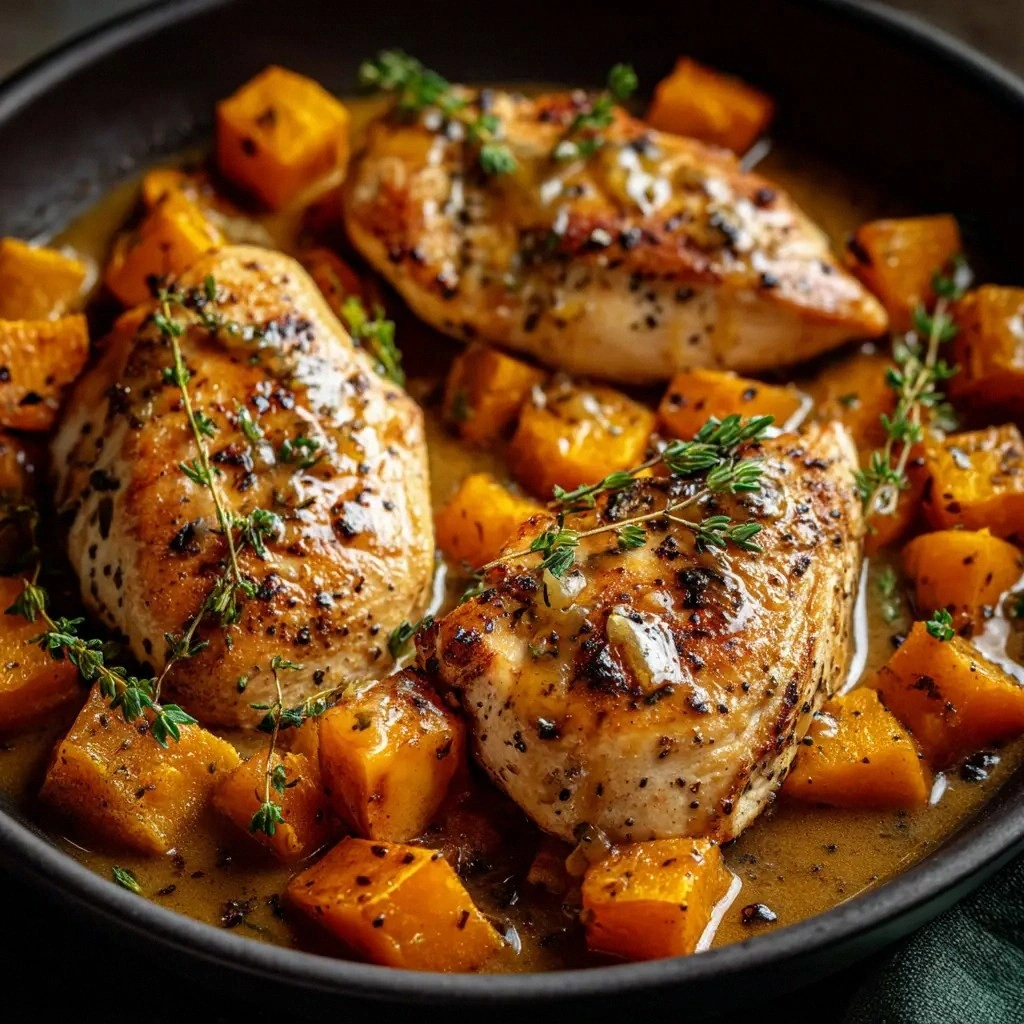
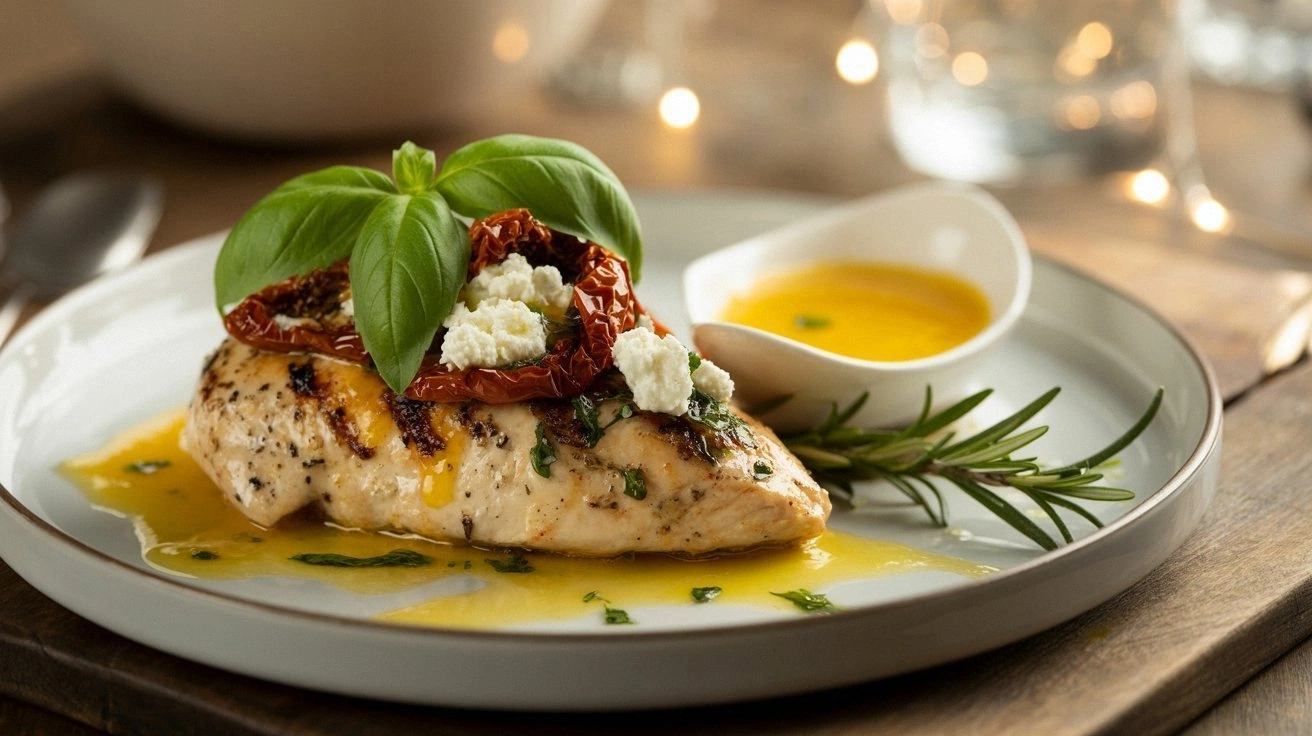
Picture this: golden chicken breasts seared to perfection, a fragrant broth that rises like steam from a hot bath, and a silky sauce that coats every bite like velvet. The aroma of fresh herbs, garlic, and caramelized onions fills the air, while the sound of the pan hissing is a promise of flavor to come. I can almost taste the buttery crunch of breadcrumbs on top, the subtle tang of Parmesan, and the gentle warmth of cream swirling through the dish. This isn’t just another chicken recipe; it’s a culinary revelation that turns a simple protein into a headline act. If you’ve ever settled for a mediocre chicken dinner, I dare you to taste this and not go back for seconds.
What sets this version apart is that it’s not just about cooking chicken—it’s about crafting an experience. From the moment you start, you’ll notice the meticulous balance of textures: the crisp exterior of the chicken, the tender interior, the crunchy breadcrumb topping, and the silky sauce that ties everything together. The sauce is a symphony of acidity and richness, with a hint of citrus from the white wine that cuts through the heaviness of cream. Every ingredient is chosen for its role in building layers of flavor, and the method ensures that each component reaches its full potential. The result? A dish that feels like a feast, even on a weekday. This is hands down the best version you’ll ever make at home.
I’ll be honest—when I first plated this, I almost didn’t eat it. I had already made a mess of my kitchen, and the sauce had turned a beautiful golden color that seemed almost too good to be true. But the first bite shattered that hesitation. The chicken was juicy, the sauce was rich but not cloying, and the breadcrumbs provided a satisfying crunch that kept me coming back for more. Most recipes get this completely wrong. Here's what actually works: a proper sear, the right ratio of liquids, and a final flourish of fresh herbs. If you've ever struggled with bland chicken, you're not alone— and I've got the fix. Picture yourself pulling this out of the oven, the whole kitchen smelling incredible, and the family gathering around the table like it’s a special occasion.
What Makes This Version Stand Out
- Flavor Depth: A carefully balanced sauce that marries the sharpness of white wine with the mellow sweetness of cream, all anchored by fresh herbs.
- Texture Contrast: Crispy, golden breadcrumbs atop tender chicken create a delightful contrast that satisfies every bite.
- Ingredient Quality: Using high‑grade chicken and fresh produce ensures that every component shines.
- Ease of Prep: The method is streamlined—no complicated steps, just a few smart techniques that save time.
- Make‑Ahead Friendly: The dish can be assembled ahead of time and baked just before serving, making it a perfect weeknight or weekend meal.
- Visual Appeal: The golden sauce and bright green parsley garnish turn a simple plate into a feast for the eyes.
- Versatility: It pairs beautifully with pasta, rice, or a simple green salad, allowing you to tailor it to any occasion.
- Kid‑Friendly: The mild flavors and comforting textures make it a hit with even the pickiest eaters.
Alright, let’s break down exactly what goes into this masterpiece. Every ingredient has a purpose, and understanding that purpose will elevate your cooking game.
Inside the Ingredient List
The Flavor Base
At the heart of this dish is a sauce that sings. The onion, garlic, carrots, and celery form a classic mirepoix that provides a savory foundation. When sautéed until translucent, they release their natural sugars, creating a caramelized base that deepens the sauce’s flavor. Skipping any of these vegetables will leave the dish feeling flat—think of it as removing the chorus from a song. If you’re short on time, you can use a pre‑made mirepoix mix, but fresh will always win.
The Texture Crew
Chicken breasts are the star, but their texture hinges on proper handling. Pat them dry before seasoning; moisture is the enemy of a good sear. The panko breadcrumbs add a delightful crunch that contrasts with the tender meat. For an extra crispy edge, lightly coat the chicken in flour before dredging in breadcrumbs—this creates a protective barrier that locks in juices. The heavy cream and Parmesan give the sauce body, turning it from a simple broth into a silky, luscious coating.
The Unexpected Star
White wine is often overlooked in everyday cooking, yet it introduces acidity that balances the richness of cream. It also imparts a subtle fruitiness that elevates the dish. If you’re a wine skeptic, use a dry white wine substitute like apple cider vinegar diluted with water. The key is to reduce the wine until it’s almost evaporated; this concentrates the flavors without leaving a harsh taste. Remember, the wine’s role is to cut through, not to dominate.
The Final Flourish
Fresh parsley is the finishing touch that brings brightness to the plate. It also adds a touch of color that makes the dish visually appealing. A squeeze of lemon juice right before serving can brighten the entire dish, especially if you’re serving it over a bed of pasta or rice. Lastly, a drizzle of olive oil on the finished plate adds sheen and a subtle fruity note that ties everything together. These small touches turn a good dish into a great one.
Everything's prepped? Good. Let's get into the real action.
The Method — Step by Step
- Pat the chicken breasts dry with paper towels. Season both sides with salt, pepper, and a pinch of dried thyme. This step is critical because a dry surface ensures a beautiful golden crust.
- Heat 2 tablespoons of olive oil in a large skillet over medium‑high heat. Once shimmering, add the chicken and sear for 3–4 minutes per side until a golden brown crust forms. The goal is a caramelized exterior that locks in juices.
- Remove the chicken and set aside on a plate. In the same skillet, reduce heat to medium and add the diced onion, carrots, and celery. Sauté until the vegetables soften and develop a subtle caramelization, about 5 minutes.
- Add the minced garlic to the pan and cook for an additional 30 seconds, just until fragrant. Be careful not to burn the garlic; it should release its aroma without turning bitter.
- Stir in the tomato paste, letting it coat the vegetables. Cook for 2 minutes to develop a deeper flavor profile. The paste should darken slightly, signaling that it’s ready.
- Pour in the white wine, scraping the bottom of the pan to loosen any browned bits. Allow the wine to reduce by half, concentrating the flavors and evaporating the alcohol. This should take about 3 minutes.
- Add the chicken broth, heavy cream, and grated Parmesan. Stir until the sauce thickens to a silky consistency. The sauce should be smooth enough to coat the back of a spoon without dripping.
- Return the chicken breasts to the skillet, nestling them into the sauce. Reduce heat to low, cover, and let simmer for 10 minutes. This gentle cooking ensures the chicken stays moist while the flavors meld.
- While the chicken simmers, melt 1 tablespoon of butter in a small pan. Toss in the panko breadcrumbs until lightly toasted, about 2 minutes. The toasted breadcrumbs will add a crunchy contrast when sprinkled on top.
- Once the chicken is cooked through, remove the skillet from heat. Sprinkle the toasted breadcrumbs over the top, drizzle with a splash of olive oil, and garnish with chopped parsley. Serve immediately, letting the sauce pool around the chicken for that extra indulgence.
That’s it — you did it. But hold on, I've got a few more tricks that'll take this to another level. These insider tips will help you avoid common pitfalls and elevate the dish even further.
Insider Tricks for Flawless Results
The Temperature Rule Nobody Follows
Many cooks think searing at the highest heat is always best, but the secret lies in medium‑high heat. This temperature allows the exterior to caramelize without burning, while the interior stays juicy. If you’re using a cast‑iron skillet, pre‑heat it for at least 5 minutes before adding oil. The oil should shimmer but not smoke. This small adjustment can make the difference between a mediocre and a standout dish.
Why Your Nose Knows Best
When the sauce starts to thicken, pause and inhale. A slightly acidic scent indicates the wine has reduced enough. If the aroma leans too sweet or buttery, the sauce may be over‑cooked. Trusting your nose helps you catch subtle changes that the eye might miss, ensuring a perfectly balanced sauce.
The 5‑Minute Rest That Changes Everything
Once the chicken is plated, let it rest for 5 minutes before serving. This brief pause allows the juices to redistribute, making the meat even more succulent. It also gives the sauce a chance to settle, preventing a runny mess on the plate. A quick rest is a small time investment for a big payoff.
The Breadcrumb Boost
For an extra crunchy layer, coat the chicken with flour before dredging in breadcrumbs. The flour creates a barrier that locks in moisture and gives the breadcrumbs a better bite. If you prefer a gluten‑free version, swap panko for crushed cornflakes or almond flour.
The Fresh Herb Finale
A handful of fresh parsley, chopped and sprinkled over the dish, not only adds color but also a burst of freshness that cuts through the richness. If you’re a fan of mint, a few fresh mint leaves can add a surprising twist. The key is to add herbs right before serving to preserve their bright flavors.
Creative Twists and Variations
This recipe is a playground. Here are some of my favorite ways to switch things up:
Mediterranean Twist
Swap the heavy cream for Greek yogurt and add a handful of kalamata olives. The yogurt provides tang, while the olives introduce briny depth. Serve over couscous for a Mediterranean vibe.
Spicy Kick
Add a pinch of red pepper flakes to the mirepoix. The heat pairs beautifully with the richness of the sauce and adds a layer of excitement. A splash of lime juice at the end brightens the dish.
Smoky Flavor
Incorporate a teaspoon of smoked paprika into the seasoning mix. The smoky undertone complements the caramelized chicken and creates a deeper flavor profile. Pair with roasted sweet potatoes for a hearty meal.
Vegetarian Version
Replace chicken with thick slices of portobello mushrooms. Sear them until golden, then simmer in the same sauce. The mushrooms absorb the sauce, delivering a meaty texture without the protein.
Low‑Carb Variation
Omit the breadcrumbs and instead sprinkle toasted almond flour over the top. Pair with cauliflower rice for a low‑carb feast that still feels indulgent.
Breakfast Edition
Serve the dish over a bed of sautéed spinach and top with a poached egg. The runny yolk adds richness, while the spinach offers a fresh, leafy contrast.
Storing and Bringing It Back to Life
Fridge Storage
Cool the dish completely before transferring it to an airtight container. Store in the refrigerator for up to 3 days. The sauce may thicken slightly; reheat gently on the stove, adding a splash of milk to restore its silky texture.
Freezer Friendly
For longer storage, wrap the dish tightly in foil or place it in a freezer‑safe container. Freeze for up to 2 months. Thaw overnight in the refrigerator, then reheat on the stove or in the microwave, adding a bit of broth if needed.
Best Reheating Method
Reheat gently over low heat, stirring frequently to prevent scorching. A tiny splash of water or broth before reheating steams the dish back to perfection, keeping the sauce from drying out.