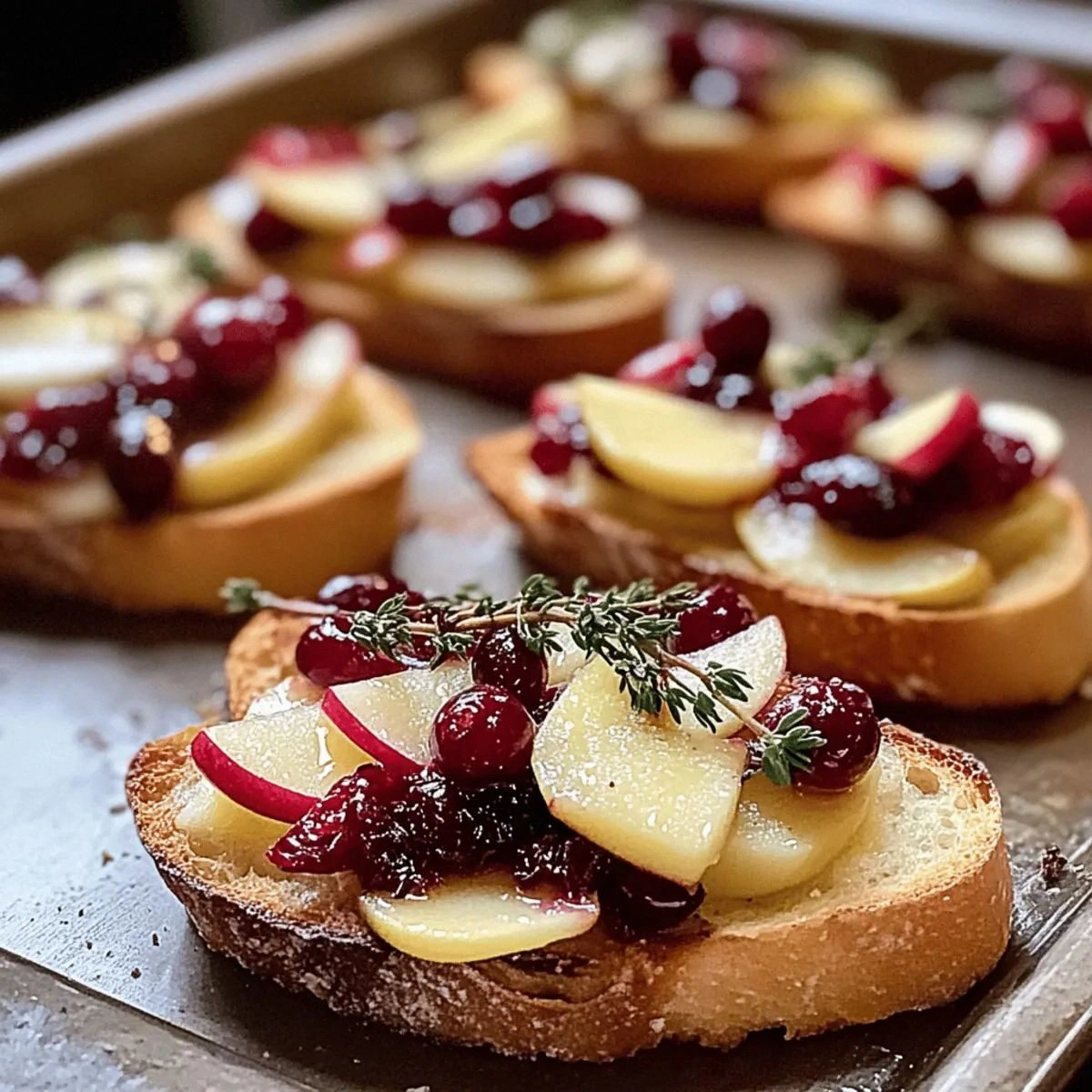
Picture this: I’m in my kitchen, the timer on my old oven ticking like a nervous drummer, and I’ve just realized I’ve run out of the usual party platters. I stared at a barren countertop, feeling the panic rise like a sourdough starter, and then a daring friend texted, “Bet you can’t make something that’ll make everyone forget the turkey!” I laughed, grabbed the nearest baguette, a block of brie, and a bag of cranberries, and thought, “Challenge accepted.” The first bite of the final product? It was like fireworks exploding on a snowy night—sweet, tangy, creamy, and crisp all at once. I dare you to taste this and not go back for seconds; the combination is practically a holiday hug for your palate.
The kitchen quickly turned into a symphony of sounds: the sizzle of olive oil hitting the hot pan, the pop of cranberries bursting like tiny confetti, and the gentle hiss as the brie melts into a velvety river of cheese. The air was thick with the perfume of toasted baguette, caramelized fruit, and a whisper of fresh thyme, making my nose twitch in anticipation. My hands felt the weight of the baguette’s crust, sturdy yet yielding, while the apple’s crispness snapped under my knife like a fresh snowfall underfoot. The whole scene was a sensory overload that felt like stepping into a winter wonderland without ever leaving my apartment.
What sets this version apart from every other crostini recipe you’ve ever seen is the deliberate layering of flavors and textures. Most recipes get the balance wrong—either they drown the delicate brie in syrup or they forget the crucial salty crunch that makes a bite unforgettable. I’ve cracked the code by toasting the baguette just enough to create a buttery crunch that shatters like thin ice, then topping it with a luxurious brie melt that hugs the fruit like a warm blanket. The secret ingredient? A splash of honey‑maple blend that adds a golden glow and a whisper of floral sweetness without turning the whole thing into a sticky mess.
And now, the kicker: I’m going to reveal a technique that most home cooks overlook—a quick caramelization of fresh cranberries in the same pan you’ll later use for the baguette, locking in their natural tartness while adding a glossy sheen. This simple step transforms ordinary berries into a glossy, tangy sauce that clings to the brie like a lover’s kiss. Okay, ready for the game-changer? Let me walk you through every single step — by the end, you’ll wonder how you ever made it any other way.
What Makes This Version Stand Out
- Flavor Explosion: The sweet‑tart cranberry and honey‑maple glaze cuts through the buttery brie, creating a perfect harmony that dances on the tongue.
- Texture Symphony: Each bite delivers a crunchy baguette base, a silky cheese melt, and a juicy fruit burst—no two textures clash, they complement.
- Simplicity Meets Sophistication: With just nine ingredients you get a dish that looks restaurant‑level without the fuss.
- Ingredient Quality: Using fresh, high‑quality cranberries and a good‑aging brie makes the flavors sing louder than any added spice could.
- Crowd‑Pleaser Factor: Even the pickiest eaters love the sweet‑savory balance; it’s the kind of appetizer that sparks conversation.
- Make‑Ahead Magic: The crostini can be assembled ahead of time and baked right before serving, saving you stress on the day of the party.
- Seasonal Flexibility: While it shines in winter, the bright apple and cranberry combo works any time you crave a festive touch.
- Visual Wow: The glossy red glaze against the creamy white brie looks like a holiday masterpiece on a plate.
Inside the Ingredient List
The Flavor Base
The fresh cranberries are the heart of this dish, delivering that bright, tart punch that cuts through the richness of the brie. When you simmer them with honey or maple syrup, they burst open, releasing pectin that thickens the glaze into a glossy coating. Skipping this step means you’ll end up with a watery fruit topping that slides off the crostini like a bad dance partner. If you can’t find fresh cranberries, frozen ones work just as well—just give them a quick rinse and pat dry before cooking.
The Texture Crew
The baguette provides the essential crunch; a sturdy, crusty loaf with a soft interior creates a perfect vehicle for the toppings. Slice it about half an inch thick to ensure enough surface area for the brie and fruit without becoming soggy. If you opt for a pre‑sliced baguette, toast it a minute longer to regain that fresh‑baked bite. A good quality olive oil helps the bread achieve a golden, buttery finish that’s essential for that “crunch that shatters like thin ice” sensation.
The Unexpected Star
The apple adds a subtle sweetness and a crisp texture that balances the cranberry’s tartness. Choose a firm variety like Honeycrisp or Granny Smith; they hold their shape when sliced thinly and won’t turn mushy during baking. If you’re out of apples, a pear can substitute, but the flavor profile will shift slightly toward floral notes. A quick tip: core and slice the apple just before assembling to prevent browning.
The Final Flourish
Brie cheese is the creamy anchor that brings everything together; its buttery melt coats the baguette like velvet, allowing the fruit glaze to glide over it. Use a full‑fat, rind‑on block for maximum flavor—don’t be tempted to use low‑fat versions, they’ll dry out quickly. If brie isn’t your thing, a mild camembert works, but you’ll lose a bit of that classic holiday richness. Finally, a sprinkle of fresh thyme or rosemary adds an herbaceous aroma that lifts the entire bite.
Everything's prepped? Good. Let’s get into the real action...
The Method — Step by Step
-
Preheat your oven to 375°F (190°C). While the oven warms, line a large baking sheet with parchment paper; this will prevent the baguette slices from sticking and make cleanup a breeze. Slice the baguette into ½‑inch thick rounds, arranging them in a single layer on the sheet. Drizzle each slice with a light coating of olive oil—just enough to coat the surface without drowning the bread. That sizzle when it hits the pan? Absolute perfection, but here we’re using the oven, so watch for a golden hue after about 5 minutes.
Kitchen Hack: Toss the baguette slices with oil in a bowl first; this ensures every piece gets an even coating and saves you from uneven browning. -
Slide the tray into the oven and toast the slices for 8‑10 minutes, turning once halfway through. You’re looking for a deep amber color and a crisp edge that starts to pull away from the crumb—this is the moment the base becomes a sturdy platform for the toppings. Remove the tray and let the slices cool just enough so they don’t shatter when you add the cheese. While they cool, grate the brie into thin ribbons; the thinness helps it melt uniformly later.
-
In a medium saucepan, combine the fresh cranberries with the honey or maple syrup over medium heat. Stir gently, and as the berries heat, you’ll hear them pop like tiny fireworks, releasing their juices. Let the mixture simmer for about 5‑7 minutes, or until the cranberries have burst and the sauce thickens to a glossy, jam‑like consistency. Taste and adjust with a pinch of salt if the acidity feels too sharp—this balances the sweet‑tart profile.
Watch Out: If the sauce starts to stick to the pan, lower the heat and add a splash of water; you don’t want a burnt caramel that will make the crostini bitter. -
While the glaze is still warm, slice the apple very thin—about a quarter‑inch or thinner—so it can soften slightly in the oven without losing its crunch. Arrange the apple slices on a separate baking sheet, drizzle with a tiny drizzle of olive oil, and sprinkle a pinch of salt. This step is optional but adds an extra layer of sweet‑savory complexity that most people overlook.
-
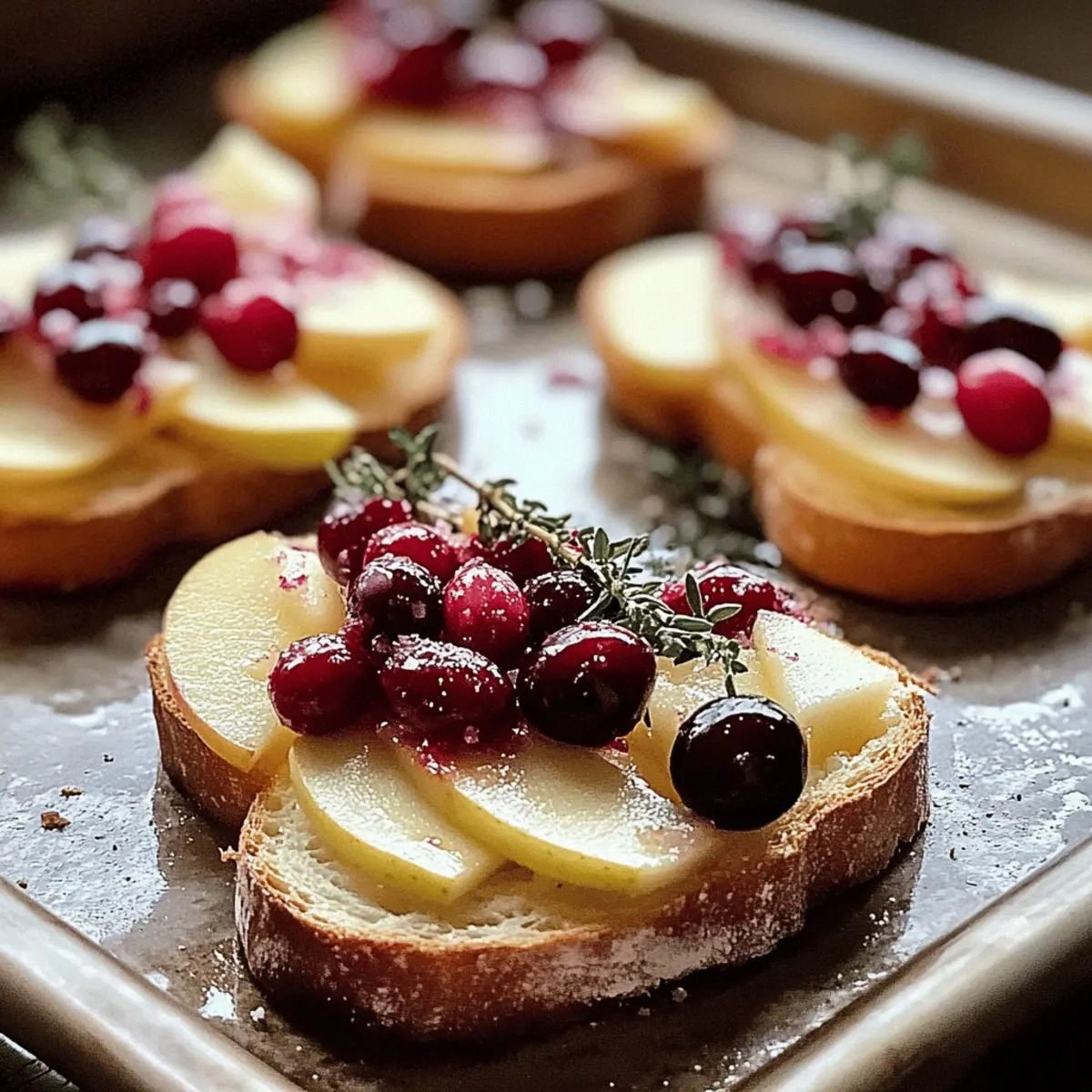
Now it’s time to assemble. Place a generous spoonful of the cranberry glaze on each toasted baguette slice, spreading it just enough to cover the surface but leaving a small border for the brie to shine. Top the glaze with a ribbon of brie, letting it drape over the fruit like a silky scarf. Finally, lay a few apple slices on top of the cheese, and if you’re feeling fancy, sprinkle a few leaves of fresh thyme or rosemary for that aromatic finish.
-
Return the assembled crostini to the oven for a final bake—just 4‑5 minutes, or until the brie is fully melted and starts to bubble at the edges. Keep a close eye; you want the cheese to ooze, not burn. The aroma that fills the kitchen at this point is the ultimate proof that you’ve nailed it—sweet, buttery, and unmistakably festive.
Kitchen Hack: If you’re short on oven space, use the broiler for the final melt—just 2 minutes under high heat will give you that perfect bubbly top. -
Remove the crostini from the oven and let them rest for a minute; this brief pause lets the cheese settle slightly, preventing a messy slide off the plate. Sprinkle a final pinch of sea salt and a drizzle of any remaining cranberry glaze for extra shine. The final product should look like a miniature holiday masterpiece—golden bread, molten cheese, ruby glaze, and green herb flecks.
-
Plate the crostini on a large platter, arranging them in a fan shape for visual drama. Serve warm, and watch your guests dive in with gusto. I’ll be honest—I ate half the batch before anyone else got to try it, and the look on their faces when they realized what they were missing was priceless. This is hands down the best version you’ll ever make at home, and it’s the kind of appetizer that earns you a standing ovation at any gathering.
That's it — you did it. But hold on, I've got a few more tricks that'll take this to another level...
Insider Tricks for Flawless Results
The Temperature Rule Nobody Follows
Never bake the baguette slices at a temperature lower than 375°F; anything less will give you a soggy base that can't hold the brie. The higher heat creates a rapid Maillard reaction, giving you that deep, toasty flavor. I once tried 350°F to “save energy,” and the crostini turned into a limp mess—lesson learned. Keep that oven hot, and you’ll get a crisp that sings.
Why Your Nose Knows Best
Before you pull the crostini out of the oven, trust your sense of smell. When the brie starts to bubble and you catch that buttery, slightly nutty aroma, you know the melt is perfect. If you wait for a visual cue alone, you might overcook and lose that silky texture. Let your nose be the final judge, and you’ll avoid the dreaded burnt cheese.
The 5‑Minute Rest That Changes Everything
After baking, let the crostini rest for exactly five minutes. This short pause lets the cheese settle, preventing it from sliding off when you serve. It also allows the cranberry glaze to thicken just a touch, so it clings better to the bread. Skipping this step is a common mistake that leads to sloppy plating.
Herb Timing Hack
Add fresh thyme or rosemary at the very end of the baking process, not at the beginning. High heat can scorch delicate herbs, turning them bitter. Sprinkling them on after the final bake preserves their bright, piney notes and adds a pop of color. This tiny adjustment elevates the dish from good to unforgettable.
Double‑Layer Brilliance
For an extra indulgent twist, layer a thin slice of brie on the baguette first, then add the cranberry glaze, and finish with another brie slice on top before the final bake. This creates a double‑cheese barrier that keeps the fruit from soaking into the bread, ensuring each bite stays crisp. I tried this once for a holiday party, and the guests declared it “the most decadent crostini ever.”
Creative Twists and Variations
This recipe is a playground. Here are some of my favorite ways to switch things up:
Spicy Holiday Heat
Add a pinch of cayenne pepper to the cranberry glaze for a subtle kick that contrasts the sweet and creamy elements. The heat awakens the palate, making each bite more dynamic. Perfect for guests who love a little fire in their festive fare.
Nutty Crunch Upgrade
Stir in a tablespoon of toasted chopped pecans or walnuts into the cranberry sauce just before assembling. The nuts add an earthy crunch that complements the brie’s creaminess and the fruit’s tartness. It also adds a lovely visual texture that looks impressive on a platter.
White Wine Reduction
Deglaze the cranberry pan with a splash of dry white wine before adding the honey. The wine adds depth and a subtle acidity that lifts the overall flavor profile. This version feels a bit more sophisticated—ideal for a formal dinner.
Vegan Friendly
Swap the brie for a high‑quality plant‑based cheese that melts well, such as cashew‑based “brie.” Use maple syrup instead of honey, and choose a baguette without dairy. The result is just as indulgent, proving you don’t need animal products to enjoy holiday luxury.
Apple‑Cranberry Compote
Instead of a simple glaze, cook the apples with the cranberries, a dash of cinnamon, and a splash of orange juice until they form a thick compote. Spoon the compote over the brie for a chunky, aromatic topping. This variation adds a comforting, almost jam‑like texture that pairs beautifully with the cheese.
Herb‑Infused Olive Oil
Infuse your olive oil with rosemary and thyme before drizzling on the baguette. The oil takes on a fragrant, piney flavor that seeps into the bread during toasting. It adds another layer of complexity without extra steps.
Storing and Bringing It Back to Life
Fridge Storage
Place any leftover crostini in an airtight container lined with a paper towel to absorb excess moisture. Store them in the refrigerator for up to two days. When ready to serve, reheat in a preheated 350°F oven for 5‑7 minutes; the heat revives the crispness while gently melting the cheese again.
Freezer Friendly
For longer storage, arrange the assembled (but unbaked) crostini on a baking sheet and freeze until solid, then transfer to a zip‑top freezer bag. They’ll keep for up to three months. When you’re ready to serve, bake straight from frozen for 12‑15 minutes, adding an extra minute or two to ensure the brie melts fully.
Best Reheating Method
Always finish reheating with a brief broil—just 1‑2 minutes under high heat—to restore that bubbly, golden top. Before you broil, add a tiny splash of water to the pan; the steam helps the crostini regain its original moisture balance without becoming soggy.