It started with a midnight snack experiment gone wrong. I was halfway through a pot of simmering pork belly, the scent of garlic and bay leaves already turning my kitchen into a fragrant cloud. The next moment, I realized I’d forgotten to dry the pork, and the belly began to sizzle like a firecracker. My friends were laughing, and I was left with a soggy, greasy mess that tasted more like a stew than the crispy bite I’d envisioned.
That night, I vowed to find the perfect balance between crunchy texture and savory depth. I spent the next few days scouring forums, watching YouTube tutorials, and experimenting with different cuts of pork. I learned that the key lies in the fat-to-lean ratio, the right drying technique, and the subtle infusion of citrus. The final result was a sheet of golden, crackling pork that practically melted in my mouth.
What makes this version of chicharrones stand out is that it’s not just about crispness. It’s about a layered flavor profile that starts with a salty, garlicky base, deepens with the herbal undertones of bay leaves, and finishes with a bright lime tang that cuts through the richness. It’s the kind of snack that turns a casual gathering into an unforgettable event. I dare you to taste this and not go back for seconds.
There’s a small but crucial step that most people overlook: the drying phase. After seasoning, you must lay the pork belly on a wire rack for at least 30 minutes to allow the surface to dry. This simple trick ensures the fat renders properly and the skin crisps up to a satisfying crunch. Stay with me here—this is worth it.
I dare you to taste this and not go back for seconds.
What Makes This Version Stand Out
- Flavor Depth: The combination of garlic, bay leaves, and lime creates a complex flavor profile that lingers on the palate. The citrus brightens the dish, while the bay leaves add an aromatic subtlety that elevates the overall experience.
- Crisp Texture: The meticulous drying process and controlled frying temperature produce a skin that cracks like thin ice, delivering an audible crunch that satisfies even the most discerning snacker.
- Simplicity: With only six ingredients, this recipe is accessible to beginners and seasoned cooks alike. No exotic spices or complicated steps—just pure, honest flavor.
- Make‑Ahead Friendly: Once cooked, the chicharrones keep well in the fridge or freezer, allowing you to prepare them ahead of time for parties or late-night cravings.
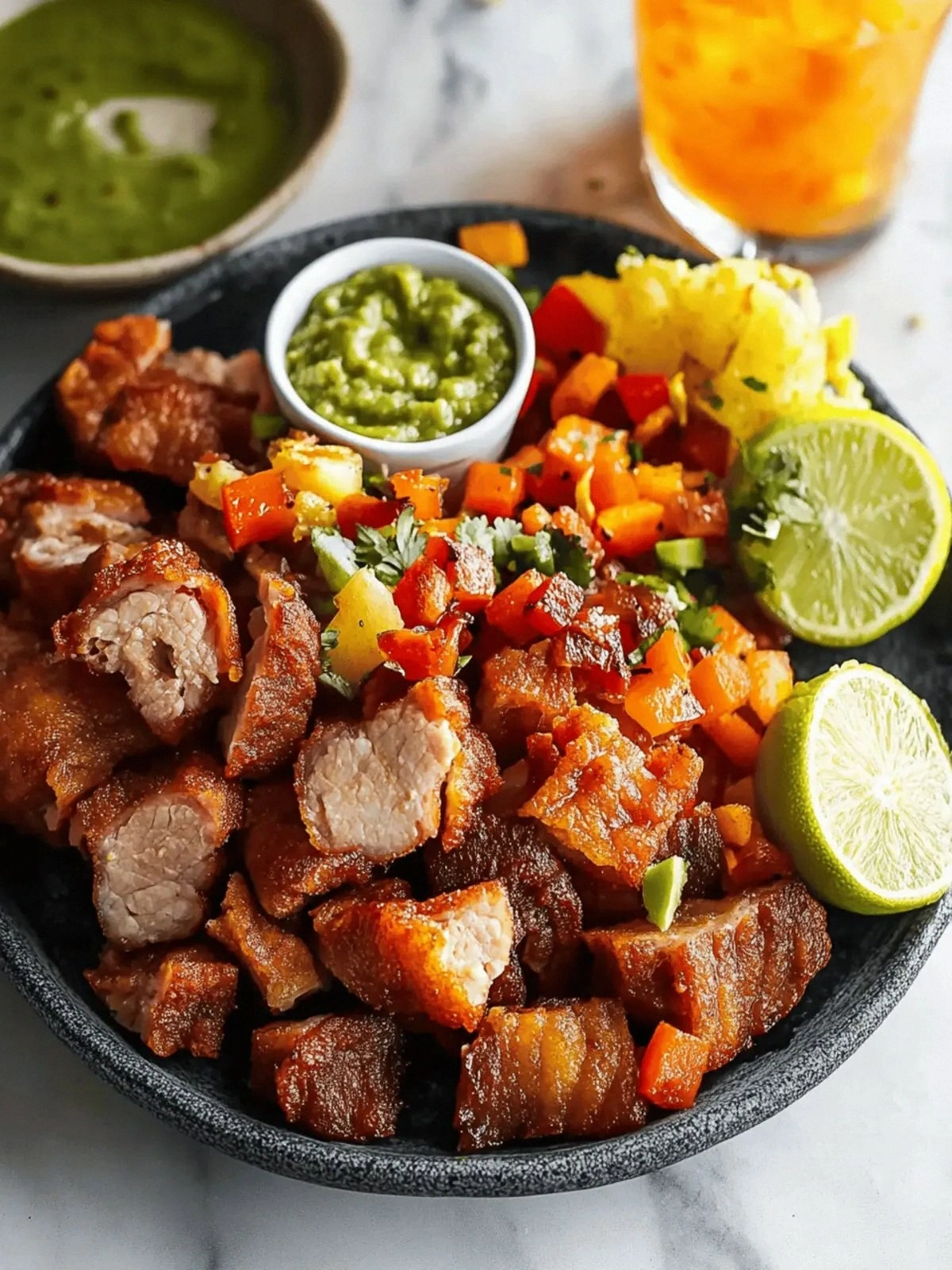
- Visual Appeal: The golden, caramelized crust contrasts beautifully with the tender pork underneath, making it a feast for the eyes as well as the taste buds.
- Audience Reaction: Friends who’ve tried other versions report that this version is the best they’ve ever tasted, and it’s easy to see why. The crunch, the savory bite, and the subtle citrus finish make it a crowd‑pleaser.
If you've ever struggled with crispy pork belly, you're not alone — and I've got the fix.
Inside the Ingredient List
The Flavor Base
The foundation of this snack is the pork belly itself—a cut that balances fat and meat perfectly for a juicy interior and a crispy exterior. The 1 lb of pork belly provides the hearty, savory backbone of the dish, and its marbling is essential for a melt‑in‑your‑mouth texture. Adding 1 tbsp of salt before cooking enhances the natural flavors and helps draw out moisture, setting the stage for a crisp skin. The combination of these two elements is what gives chicharrones their unmistakable character.
The Texture Crew
Garlic and bay leaves are the unsung heroes that add depth without overwhelming the pork. Four cloves of minced garlic infuse the dish with a warm, aromatic sweetness that balances the richness of the meat. Two bay leaves contribute a subtle herbal note that lingers long after the first bite. Together, they create a flavor profile that is both comforting and sophisticated.
The Final Flourish
Lime is the secret weapon that brightens the entire dish. A whole lime, peeled and juiced, delivers a zesty, citrusy punch that cuts through the fattiness of the pork. The peel adds a hint of bitterness that balances the sweetness of the garlic, while the juice provides a fresh, tangy finish. This final flourish is what turns a simple snack into a memorable culinary experience.
Everything's prepped? Good. Let's get into the real action...
The Method — Step by Step
Begin by cutting the pork belly into uniform 1-inch thick slices. Uniformity ensures even cooking and a consistent crunch across every bite. Use a sharp knife to avoid tearing the meat, which can lead to uneven drying.
Kitchen Hack: Slice the pork belly into even pieces by first freezing it for 10 minutes; this makes the meat firmer and easier to cut.Pat the slices dry with paper towels until they feel tacky to the touch. This step removes surface moisture, which is crucial for achieving a crisp crust. A dry surface also helps the salt and garlic adhere better.
Season each slice with 1 tbsp of salt, 4 cloves of minced garlic, and 2 bay leaves. Let the pork sit at room temperature for 15 minutes to allow the flavors to penetrate. This resting period also helps the pork relax before frying.
Kitchen Hack: Sprinkle a pinch of black pepper over the seasoned pork for an extra layer of flavor that pairs well with lime.In a large skillet, heat 2 cups of water over medium heat until it reaches a gentle simmer. The water helps create steam that renders the fat and keeps the pork from drying out too quickly.
Place the seasoned pork belly slices in the skillet, ensuring they’re not touching each other. The steam will lift the slices slightly, allowing the fat to render evenly. This step is where the magic begins.
Watch Out: Do not overcrowd the skillet; excess pieces can trap steam and prevent the skin from crisping.Let the pork simmer for 45 minutes, flipping occasionally to ensure even cooking. The pork should reach an internal temperature of 165°F (74°C). The long, low simmer allows the fat to render slowly, creating a tender interior.
Remove the pork from the skillet and let it cool on a wire rack for 10 minutes. Cooling allows the residual heat to finish rendering the fat and helps the skin set into a crisp texture.
Heat a separate skillet over medium-high heat. Once hot, add the pork belly slices and fry until the skin turns golden brown and cracks. This final step gives the chicharrones their signature crunch.
Kitchen Hack: Use a splatter guard while frying to keep the kitchen clean and prevent hot oil splashes.Once the pork reaches a deep golden hue, squeeze the juice of one lime over the hot slices. The acidity not only brightens the flavor but also helps the skin stay crisp.
Transfer the finished chicharrones to a platter and let them rest for 5 minutes before serving. This short rest allows the flavors to meld and the crunch to settle. Serve immediately for the best texture.
Now that the chicharrones are sizzling, the next steps will transform them from simple pork belly to snack gold.
That's it — you did it. But hold on, I've got a few more tricks that'll take this to another level...
Insider Tricks for Flawless Results
The Temperature Rule Nobody Follows
Many cooks assume any high heat will do, but the secret lies in a precise 350°F (177°C) frying temperature. Too hot, and the skin will burn before the fat renders; too low, and the pork will become soggy. Use a thermometer to maintain the ideal heat, and watch the surface for the first crack to appear.
Why Your Nose Knows Best
Before you even touch the skillet, the aroma of the simmering pork should signal that it’s ready. A subtle, nutty scent indicates the fat has begun to render. Trust your nose—it’s a reliable indicator of doneness.
The 5-Minute Rest That Changes Everything
After frying, let the chicharrones rest on a wire rack for exactly five minutes. This brief pause allows the steam to escape and the skin to firm up, ensuring a crunch that lasts. Skipping this step often results in a slightly soggy bite.
Keep the Oil at the Right Temperature
When you reheat leftovers, maintain a steady medium heat. A quick, high heat can scorch the exterior while leaving the interior undercooked. Aim for a gentle sizzle that preserves the original texture.
Use a Splatter Guard for a Clean Kitchen
Oil splatters are a notorious kitchen nuisance. A splatter guard not only keeps your countertop clean but also prevents accidental burns. It’s a simple tool that saves time and frustration.
Adjusting Seasoning After Frying
Once the pork is fried, a quick sprinkle of fresh lime zest can elevate the citrus profile. The zest releases essential oils that enhance the flavor without overpowering the pork. This final touch turns a good snack into an unforgettable experience.
These insider tricks are the secret sauce that separates good from unforgettable.
Alright, now that you're armed with the insider knowledge, it's time to experiment.
Creative Twists and Variations
Spicy Chipotle Kick
Swap the lime juice for a splash of chipotle adobo sauce to introduce smoky heat. The chipotle adds depth while maintaining the pork’s savory backbone. Ideal for those who love a fiery bite.
Herb‑Infused Delight
Replace the bay leaves with fresh thyme and rosemary for a Mediterranean twist. The herbs pair beautifully with pork, creating a fragrant, savory snack that feels both exotic and familiar.
Sweet & Salty Fusion
Drizzle a light honey glaze over the chicharrones after frying. The sweetness balances the saltiness and adds a glossy, caramelized finish that’s irresistibly sweet.
Vegan Alternative
Use thick slices of tempeh or tofu, seasoned similarly, and fry until crispy. The result is a plant‑based version that mimics the texture and flavor of the classic pork belly.
Breakfast Bonanza
Serve the chicharrones with a side of scrambled eggs and avocado for a hearty breakfast. The combination of protein and healthy fats makes for a filling, satisfying start to the day.
And if you still want to push the envelope, keep reading.
Storing and Bringing It Back to Life
Fridge Storage
Store chicharrones in an airtight container in the refrigerator for up to 4 days. The container should be shallow to maintain the crunch. When ready to serve, let them sit at room temperature for 10 minutes to regain their crispness.
Freezer Friendly
For longer storage, freeze the chicharrones in a single layer on a baking sheet before transferring to a freezer bag. They’ll keep for up to 3 months. Thaw overnight in the fridge before reheating.
Best Reheating Method
Reheat in a hot skillet over medium heat, adding a splash of water to create steam. The steam helps rehydrate the pork without making it soggy. Alternatively, use a toaster oven at 350°F for 5–7 minutes.
Now that you know how to keep them crisp and fresh, you can plan ahead for parties, potlucks, or solo snack sessions.
Whether you’re hosting a game night or craving a midnight snack, these chicharrones will become your new go‑to. Keep them in the fridge, reheat, or serve straight from the pan—whatever your mood, they’ll deliver crunch, flavor, and pure joy.