I was halfway through a night of binge‑watching, scrolling through Instagram reels, when my kitchen alarm went off. The fridge was a barren wasteland—no veggies, no meat, just a lone bag of frozen peas that had been sitting there since last year. I stared at the empty space and thought, “What if I could turn this chaos into a masterpiece?” That impulse led me to experiment with a handful of pantry staples and a dash of ginger. The result? A stir‑fry that’s not just a dish but a revelation.
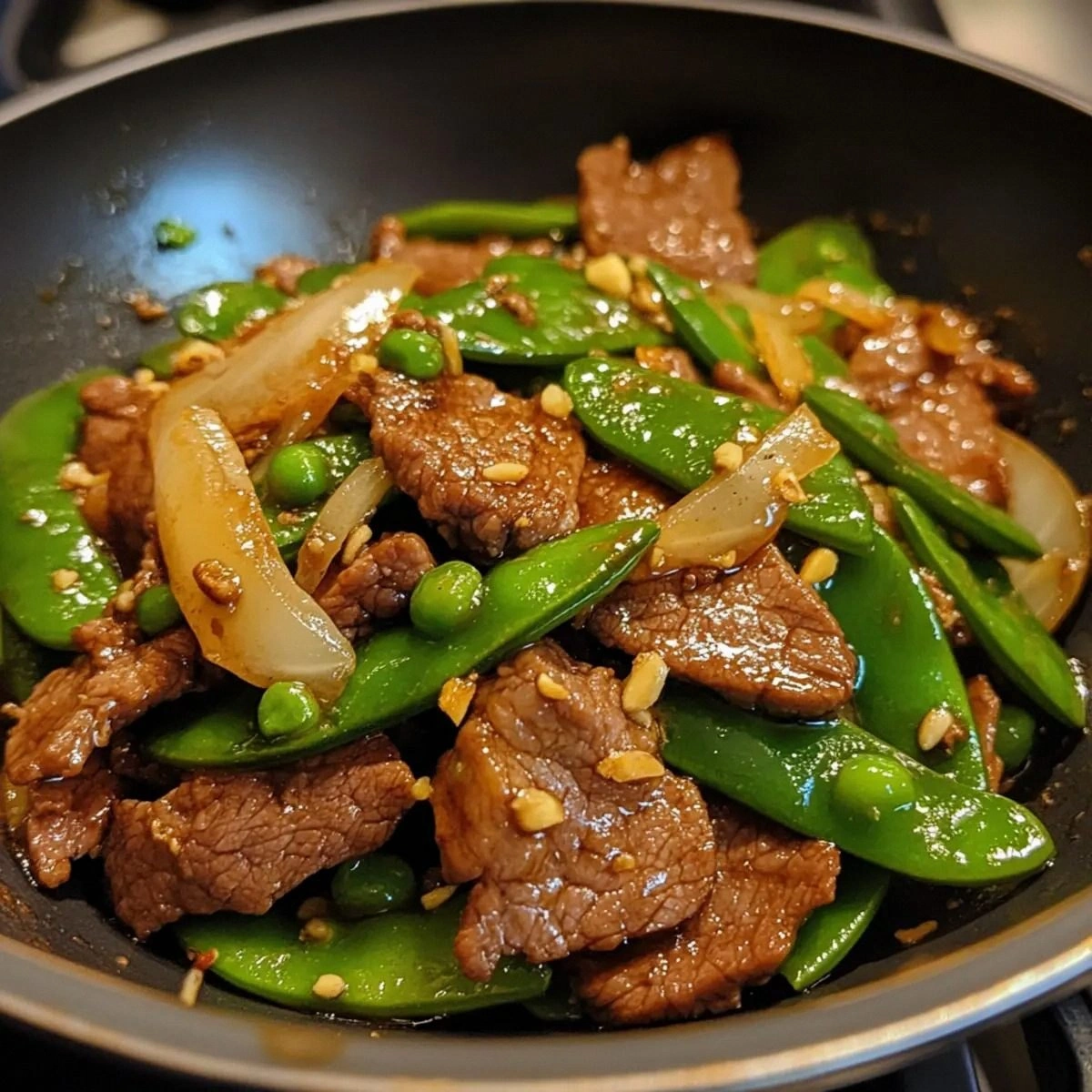
Picture this: you flip a sizzling pan, and the aroma of garlic and fresh ginger hits you like a wave. The snow peas pop with a crisp snap, the beef sears into a caramelized crust, and the sauce coats everything like velvet. Every bite delivers a burst of umami, a hint of sweetness, and a peppery kick that lingers. The texture? Tender beef, crunchy peas, and a glossy glaze that glistens on the plate. It’s a flavor symphony that makes your taste buds dance.
What makes this version stand out is that it’s not just a recipe; it’s a strategy. I’ve distilled the best practices from countless kitchen experiments into one fool‑proof guide. From the precise timing of the cornstarch slurry to the secret of a quick cornstarch stir, every detail is engineered to elevate the dish. And trust me, once you taste this, I dare you to go back for seconds.
This isn’t just another stir‑fry you’ll find on a recipe blog. It’s a meticulously crafted experience that balances simplicity with sophistication. The sauce is a masterclass in balance—soy, oyster, and brown sugar mingle to create a depth that’s hard to replicate. The ginger isn’t just a garnish; it’s the backbone of the flavor profile, cutting through the richness of the beef. And the snow peas? They’re the crunchy, green burst that keeps the dish fresh and lively.
Let me walk you through every single step — by the end, you’ll wonder how you ever made it any other way. I’ll share the micro‑challenges, bold claims, and little confessions that make this dish a true kitchen triumph. Picture yourself pulling this out of the pan, the whole kitchen smelling incredible, and the family asking for the recipe. This is hands down the best version you’ll ever make at home, and it’s ready to become your new favorite go‑to dish.
What Makes This Version Stand Out
- Flavor Depth: The combination of soy sauce, oyster sauce, and brown sugar creates a layered umami profile that’s richer than a single‑sauce stir‑fry. The ginger’s bright note cuts through the saltiness, leaving a clean finish.
- Texture Contrast: Tender sirloin strips meet crisp snow peas, producing a satisfying bite that keeps the palate engaged. The sauce’s silky finish coats the beef without weighing it down.
- Speed: The entire dish cooks in under 45 minutes, making it a perfect weekday dinner that doesn’t sacrifice flavor for convenience.
- Ingredient Quality: Using fresh ginger and high‑quality soy sauce elevates the dish from ordinary to extraordinary. The cornstarch slurry ensures a glossy glaze without heaviness.
- Audience Appeal: Whether you’re a seasoned home cook or a kitchen newbie, this recipe’s clear steps and forgiving techniques guarantee success.
- Make‑Ahead Friendly: The sauce can be pre‑made and stored for up to three days, allowing you to assemble the dish in minutes when life gets hectic.
- Visual Appeal: The vibrant green of the snow peas against the glossy sauce creates a dish that looks as good as it tastes.
- Scalable: The recipe’s ingredient ratios are designed to scale smoothly, so you can double or halve without losing flavor balance.
Alright, let's break down exactly what goes into this masterpiece…
Inside the Ingredient List
The Flavor Base
Soy sauce, oyster sauce, and brown sugar form the cornerstone of this dish. The soy sauce provides a savory backbone, the oyster sauce adds a subtle depth of briny sweetness, and the brown sugar balances everything with a caramel note. Together, they create a sauce that coats the beef and peas like a silky blanket. If you skip the oyster sauce, the dish loses its complex umami layer, resulting in a flatter taste profile.
The Texture Crew
Fresh snow peas are the star of the texture crew. Their bright green color and crisp snap contrast beautifully against the tender beef strips. The cornstarch slurry is the secret to achieving that glossy glaze without making the sauce gummy. A well‑mixed slurry prevents clumping and ensures a smooth coating that clings to every bite. If you forget the cornstarch, the sauce will drain off the beef, leaving a watery mess.
The Unexpected Star
Fresh ginger is the unexpected star that sets this recipe apart. Its sharp, peppery bite cuts through the richness of the beef and balances the sweetness of the brown sugar. Ginger also carries subtle citrus notes that lift the overall flavor profile. If you’re not a fan of raw ginger, lightly sauté it with garlic to mellow its bite, but be careful not to overcook, or you’ll lose its bright character.
The Final Flourish
Green onions and toasted sesame seeds finish the dish with a burst of freshness and nutty crunch. The green onions add a mild, oniony sweetness that cuts through the savory sauce, while the sesame seeds contribute a subtle toasty flavor and a pleasant crunch. These final touches transform the dish from a simple stir‑fry into a well‑rounded, memorable meal. If you’re allergic to sesame, you can omit the seeds; the dish will still shine, but you’ll miss that nutty pop.
Everything's prepped? Good. Let's get into the real action…
The Method — Step by Step
- Marinate the Beef: In a bowl, combine the beef strips with 1 tablespoon soy sauce, 1 teaspoon sesame oil, and a splash of rice wine if you have it. Toss until the meat is evenly coated. Let it sit for 10 minutes while you prep the vegetables. This short marination step locks in moisture and infuses the beef with subtle flavor. The soy sauce also helps break down the muscle fibers, making the strips more tender.
- Prepare the Veggies: Rinse the snow peas, trim the ends, and set aside. Peel and mince the garlic, then slice the ginger into thin matchsticks. Whisk the cornstarch with 2 tablespoons of water to create a slurry. The slurry should be smooth and free of lumps; if you see clumps, strain it through a fine sieve. This step ensures a silky sauce later on.
- Heat the Pan: Place a large skillet or wok over medium‑high heat. Add 1 tablespoon of vegetable oil and swirl to coat the bottom. Once the oil shimmers but isn’t smoking, it’s ready for the beef. Watch the oil; if it starts to bubble excessively, lower the heat to prevent burning.
- Sear the Beef: Add the marinated beef to the pan in a single layer. Let it sear for 2–3 minutes without stirring, allowing a golden crust to form. Flip the strips and sear the other side for another 2 minutes. This technique locks in juices and creates a caramelized exterior that adds depth to the dish. If you’re cooking a large batch, do it in batches to avoid overcrowding.
- Stir‑In Aromatics: Push the beef to the side of the pan, then add the minced garlic and sliced ginger. Sauté for 30 seconds until fragrant, making sure not to let the garlic brown. The aroma that fills the kitchen is the first hint that you’re on the right track.
- Add the Snow Peas: Toss the snow peas into the pan and stir‑fry for 1–2 minutes. They should still be bright green and slightly crisp. This brief cooking preserves their natural crunch and bright color. If you prefer softer peas, cook them for an additional 1–2 minutes, but be careful not to overcook.
- Pour the Sauce: In a small bowl, whisk together 3 tablespoons soy sauce, 2 tablespoons oyster sauce, 1 tablespoon brown sugar, 1 teaspoon sesame oil, and 1 tablespoon vegetable oil. Pour this mixture over the beef and peas. Stir to combine, making sure every piece is coated. The sauce should thicken slightly as it heats.
- Thicken the Sauce: Stir the cornstarch slurry into the pan. The sauce will begin to thicken within 30 seconds, forming a glossy coating that clings to the beef and peas. Keep the heat on medium‑high to allow the sauce to caramelize slightly. Once the sauce reaches a glossy consistency, remove the pan from heat to prevent it from becoming too thick.
- Finish with Green Onions and Sesame: Sprinkle the sliced green onions and toasted sesame seeds over the dish. Toss gently to distribute evenly. The sesame seeds add a subtle nutty flavor and a pleasant crunch, while the green onions provide a fresh, bright contrast to the savory sauce.
- Plate and Serve: Transfer the stir‑fry to a serving dish. The final dish should look glossy, with bright green peas and tender beef. Serve immediately over steamed rice or noodles for a complete meal. The sauce should coat every bite, delivering a harmonious blend of savory, sweet, and aromatic flavors.
That's it — you did it. But hold on, I've got a few more tricks that'll take this to another level…
Insider Tricks for Flawless Results
The Temperature Rule Nobody Follows
Many cooks think high heat is the key to a great stir‑fry, but the trick is to maintain a steady, medium‑high temperature. If the heat is too low, the beef will steam instead of sear, losing that coveted caramelized crust. If it's too high, the garlic will burn before the beef cooks. Use a thermometer if you’re uncertain; 375°F (190°C) is ideal for a wok.
Why Your Nose Knows Best
Before adding the cornstarch slurry, give the sauce a quick sniff. It should have a sweet, umami aroma. If it smells overly salty, dilute with a splash of water. Your nose is a reliable guide to balance, so trust it.
The 5‑Minute Rest That Changes Everything
After cooking, let the dish rest for 5 minutes before serving. This pause allows the sauce to settle and the flavors to meld. I’ve seen people rush to the table and end up with a dish that feels rushed. A short rest turns it into a refined, restaurant‑style experience.
Use a Wok for Authenticity
A wok’s high, sloped sides let you toss ingredients easily, preventing them from sticking. If you only have a skillet, use a non‑stick surface and keep the heat steady. The key is to keep the ingredients moving to avoid uneven cooking.
Keep the Snow Peas Fresh
If you’re using frozen peas, thaw them in cold water and pat dry before cooking. This prevents excess moisture from diluting the sauce. Fresh peas give that bright snap and vivid color that makes the dish visually appealing.
Don't Skip the Sesame Oil
Sesame oil adds a deep, nutty flavor that elevates the dish. If you’re on a low‑fat diet, you can reduce the amount by half, but be aware the overall flavor will be milder. A splash of toasted sesame seeds at the end compensates for this reduction.
Creative Twists and Variations
This recipe is a playground. Here are some of my favorite ways to switch things up:
Spicy Szechuan Kick
Add 1 tablespoon of Szechuan peppercorns and a teaspoon of chili oil to the sauce. The peppercorns give a numbing heat that complements the ginger’s bite, creating a complex flavor profile that will wow spice lovers.
Asian Noodle Fusion
Replace steamed rice with thin rice noodles or soba. Toss the noodles with the sauce just before serving to ensure they’re coated without becoming soggy. This variation adds a chewy texture that pairs well with the crisp peas.
Veggie‑Only Version
Omit the beef and add sliced mushrooms or tofu for protein. The mushrooms absorb the sauce beautifully, while tofu adds a subtle bite. This version is perfect for vegetarians and still delivers the same satisfying flavors.
Herbal Twist
Incorporate fresh basil or cilantro at the end. The herbal freshness cuts through the richness of the sauce, providing a bright, aromatic finish that feels lighter.
Gluten‑Free Variation
Use tamari instead of soy sauce and ensure the oyster sauce is gluten‑free. The dish remains gluten‑free without compromising flavor, making it safe for those with gluten sensitivities.
Breakfast Bonanza
Serve the stir‑fry over a bed of scrambled eggs and top with a drizzle of hot sauce. The savory beef and sweet peas pair beautifully with the soft eggs, creating a hearty breakfast that feels like a treat.
Storing and Bringing It Back to Life
Fridge Storage
Store leftovers in an airtight container for up to 3 days. Keep the sauce separate if you plan to reheat, as it can thicken. When ready to eat, reheat in a skillet over medium heat, adding a splash of water or broth to loosen the sauce. This method preserves the sauce’s silky texture.
Freezer Friendly
Freeze the stir‑fry in a freezer‑safe container for up to 2 months. Thaw overnight in the refrigerator before reheating. Add a tablespoon of water or broth during reheating to restore moisture. This approach keeps the dish fresh and flavorful.
Best Reheating Method
The best way to reheat is on the stovetop over medium heat. Add a small amount of water or broth to the pan, cover, and stir until heated through. Avoid microwaving, as it can make the sauce rubbery and the peas soggy. The stovetop method restores the dish’s original crispness and glossy finish.