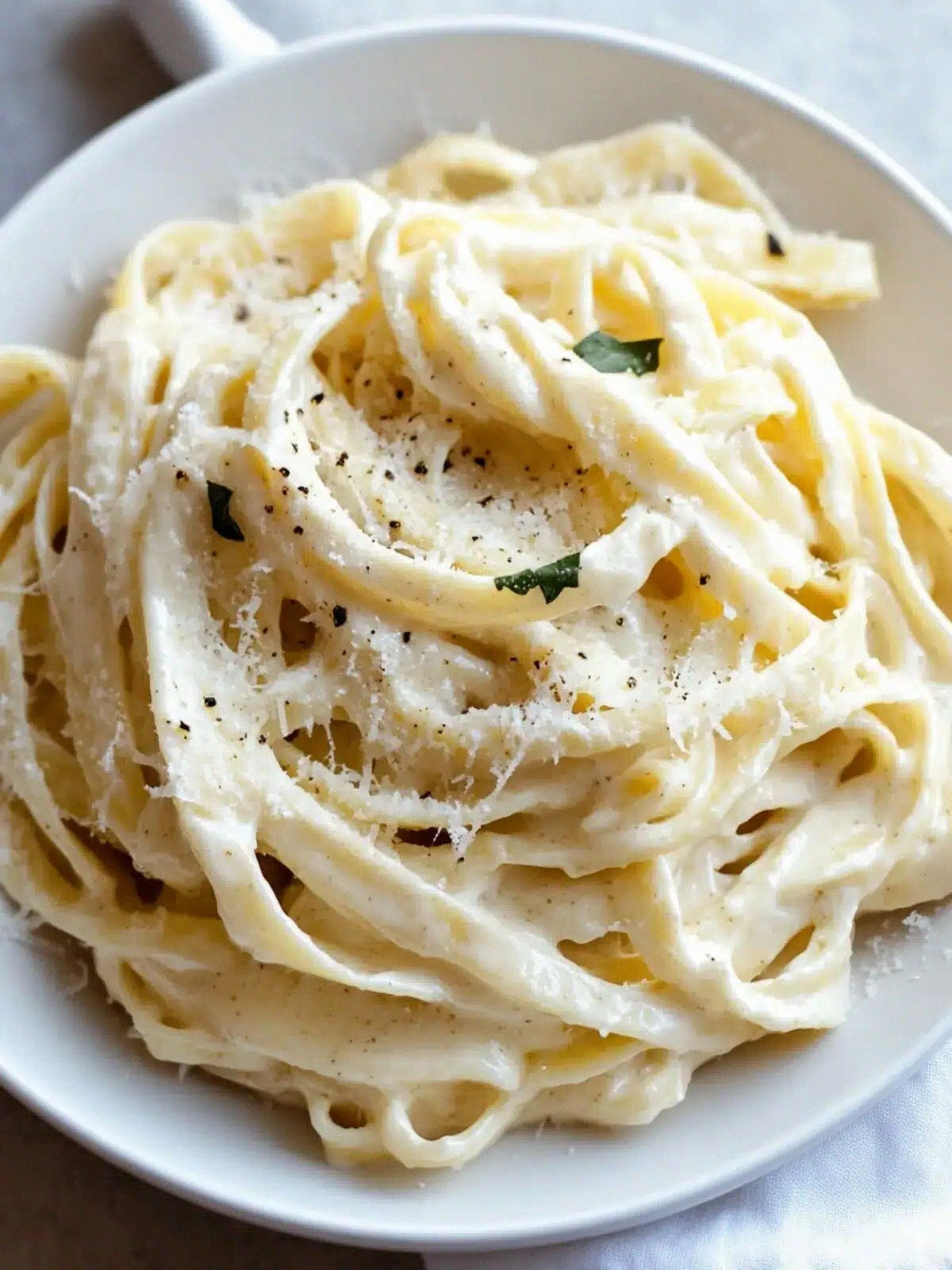
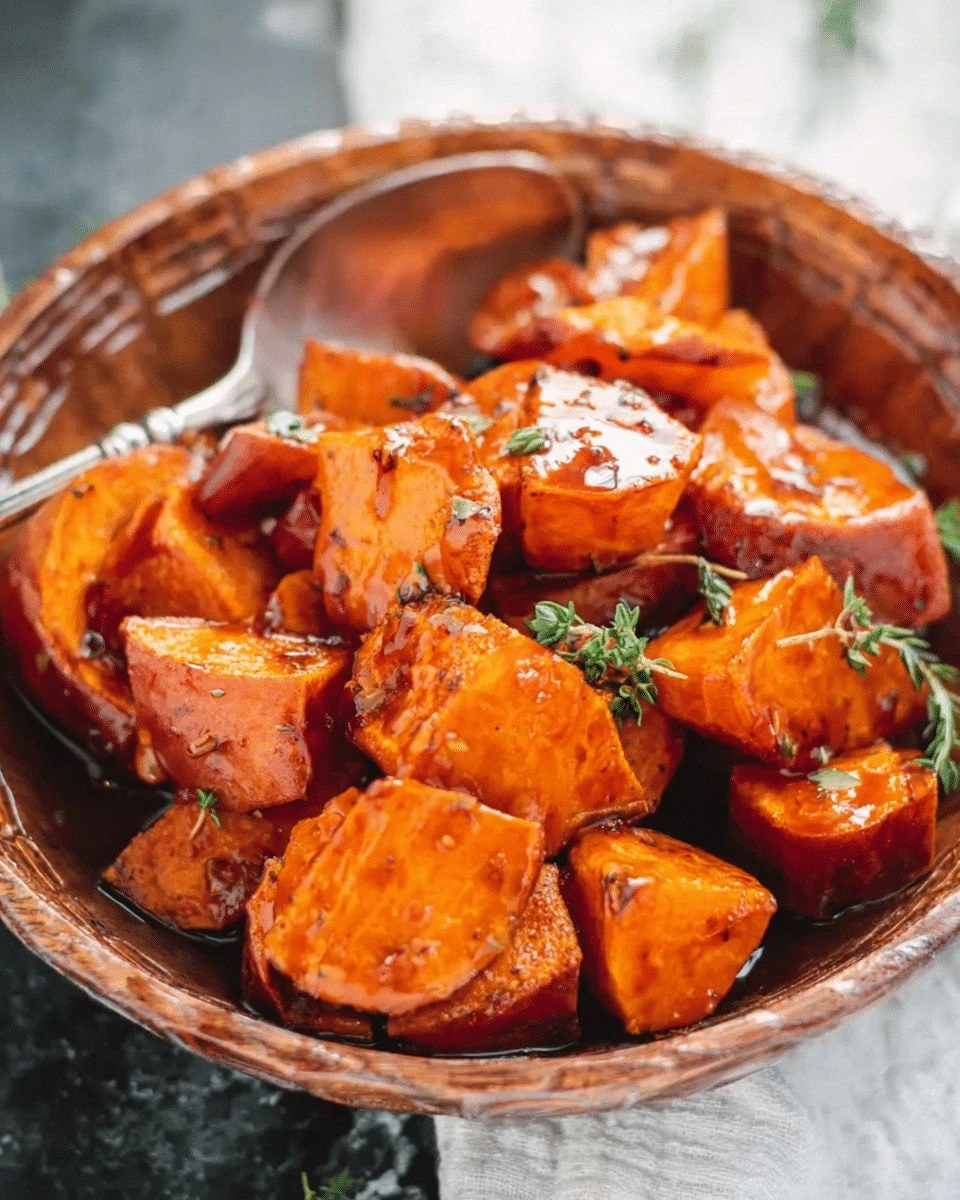
I was in the middle of a frantic Sunday dinner rush when I realized my pantry had gone from “ready for a gourmet Greek feast” to “barely enough spices for a toast.” The onions I had diced had already begun to caramelize into a dark, sweet mess, and the rice I had pre‑cooked was about to turn mushy. I stared at the pot, thinking, “I’ve got to salvage this.” The solution? A splash of lemon, a handful of fresh herbs, and a single pan of rice that would taste like the Mediterranean in a single, satisfying bite. I dared myself to taste this and not go back for seconds, and I still can’t believe how much flavor exploded in that pot.
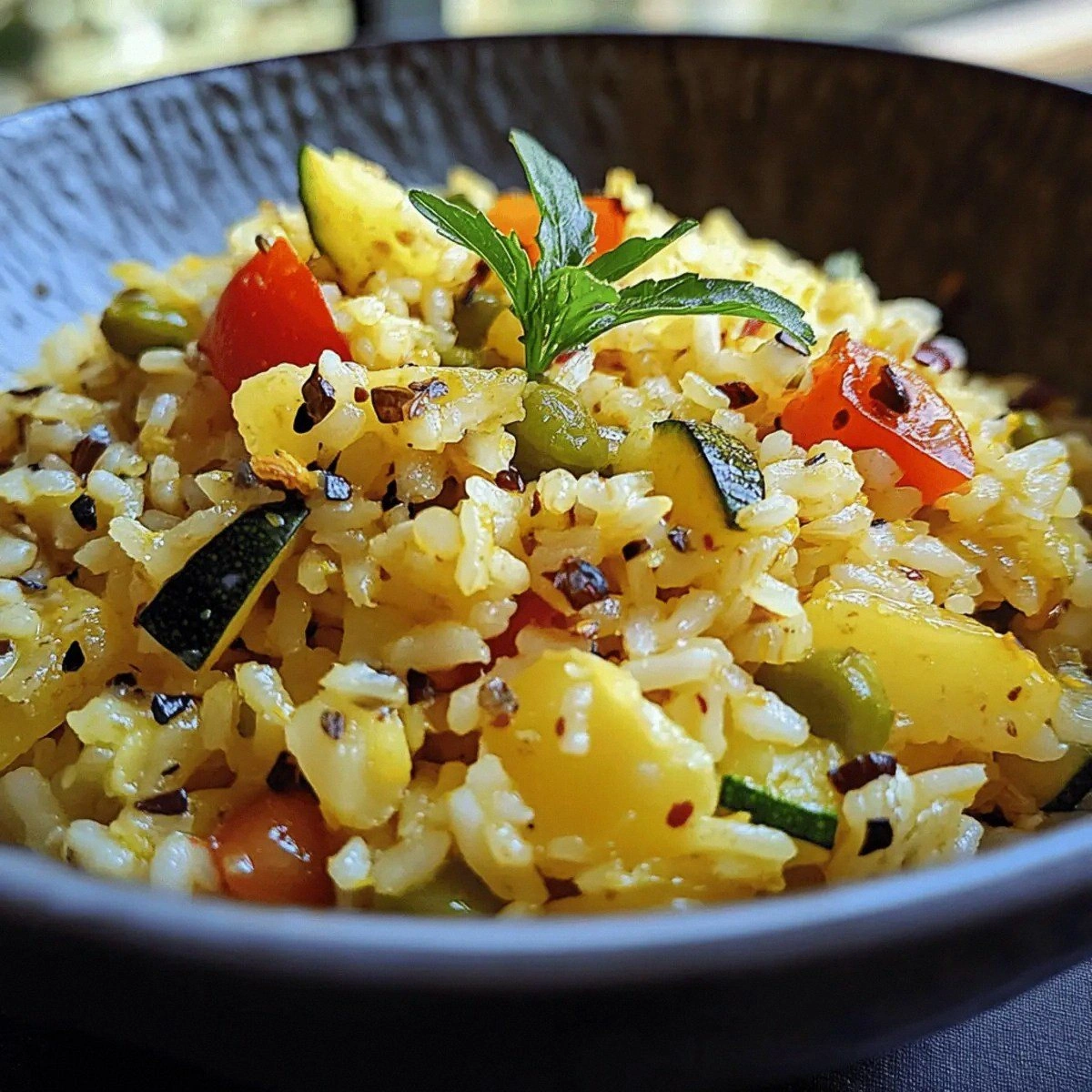
Picture the scene: the kitchen light flickers, the timer dings, and the aroma of sautéed garlic and onion fills the air like a warm hug. The sizzle as the oil hits the pan is a crisp, almost metallic sound that signals the start of something delicious. The lemon juice, when it first drips into the pot, releases a bright, citrusy pop that cuts through the earthiness of the rice. You can almost taste the bright green parsley, the subtle heat of oregano, and the gentle pepper that lingers on the tongue. The texture is a perfect balance of fluffy grains and slightly crisp vegetables, each bite a harmonious blend of flavors and textures.
What makes this version stand out? It’s not just the combination of ingredients but the technique that brings them together. I’ve stripped the recipe down to its essentials, eliminating unnecessary steps that often lead to over‑cooking or uneven seasoning. The result is a dish that is hands down the best version you’ll ever make at home because it captures the authentic Greek vibe while being incredibly approachable for a busy weeknight. The bright lemon, the fresh herbs, and the simple yet precise cooking method create a symphony of taste that will leave your guests begging for the recipe. Most recipes get this completely wrong by over‑sautéing or under‑seasoning; I’ll show you how to avoid those pitfalls.
And there’s a twist you won’t expect: I’ll reveal how a quick sauté of the vegetables before adding the rice locks in flavor and texture, and how a finishing splash of lemon juice just before serving unlocks a fresh, vibrant taste that keeps the dish from feeling flat. Okay, ready for the game‑changer? Let me walk you through every single step — by the end, you’ll wonder how you ever made it any other way.
What Makes This Version Stand Out
- Taste: The bright lemon and oregano create a zesty, herbaceous profile that cuts through the mildness of rice, while the fresh parsley adds a subtle peppery finish. Every bite bursts with Mediterranean sunshine.
- Texture: The rice stays fluffy yet slightly firm, and the vegetables maintain a pleasant bite, avoiding the mushy texture that plagues many rice dishes.
- Simplicity: With only twelve ingredients and a single pan, you can have dinner on the table in under 45 minutes, making it ideal for a hectic weeknight.
- Uniqueness: The combination of lemon, oregano, and fresh herbs in a single pot is a rare find in everyday cooking, giving this dish a distinct identity.
- Crowd Reaction: Friends who tried this rave about the vibrant flavors and how it can double as a main or a side. It’s a guaranteed conversation starter.
- Ingredient Quality: Using long‑grain rice and fresh, seasonal vegetables elevates the dish, allowing each component to shine without overpowering each other.
- Cooking Method: The technique of sautéing onions and garlic before adding the rice locks in flavor and creates a golden crust that adds depth.
- Make‑Ahead Potential: This dish keeps its texture and flavor when reheated, making it perfect for meal prep or leftovers.
Alright, let's break down exactly what goes into this masterpiece…
Inside the Ingredient List
The Flavor Base
The long‑grain white rice is the canvas that absorbs every burst of flavor. Choosing a high‑quality brand ensures the grains stay separate and fluffy, preventing a gummy texture. If you’re on a budget, look for a store brand that still offers a clean, neutral taste; the herbs and lemon will do the heavy lifting. Skipping the rice would turn this into a pure vegetable medley, which is fine, but you lose the comforting heartiness that makes it a full meal.
The Aromatics
Onion and garlic are the backbone of any savory dish, and here they’re sautéed until translucent and fragrant. The onion releases a sweet caramel note, while the garlic adds a punch of umami that lingers. If you’re allergic or just prefer a milder flavor, reduce the garlic to one clove or use garlic powder. For a deeper, smoky profile, lightly toast the garlic before adding the onion.
The Texture Crew
Bell peppers and zucchini bring color, crunch, and a subtle sweetness. The bell pepper’s fibers hold up well during cooking, giving each bite a satisfying bite. Zucchini, on the other hand, softens quickly but releases a mild, almost buttery flavor that melds beautifully with the rice. If you’re craving a bit more bite, keep the zucchini in smaller cubes; if you prefer a softer texture, dice it larger.
The Unexpected Star
Fresh lemon juice is the secret that ties everything together, adding brightness that cuts through the richness of the olive oil and the earthiness of the vegetables. The acidity also helps keep the rice grains separate and prevents them from clumping. If you’re out of fresh lemons, a splash of white wine vinegar can mimic the effect, but the citrus note is irreplaceable. A tiny pinch of sugar can balance the acidity if you find it too sharp.
The Final Flourish
Fresh parsley, oregano, salt, and pepper finish the dish with a herbaceous lift and seasoning balance. The parsley adds a fresh, slightly peppery finish that brightens the palate, while oregano brings an earthy, slightly bitter undertone that grounds the dish. Salt and pepper are essential to taste; start with the recommended amounts and adjust to your preference. If you’re a fan of a bit of heat, a pinch of red pepper flakes can add a gentle kick.
Everything's prepped? Good. Let's get into the real action…
The Method — Step by Step
- Heat the olive oil in a large, heavy‑bottomed pot over medium heat until shimmering. Add the diced onion and sauté for 3–4 minutes until it turns translucent and releases its sweet aroma. This is the moment of truth: you’ll notice a subtle, nutty scent that signals the onions are ready. If the oil starts smoking, reduce the heat to prevent burning.
- Add the minced garlic to the pot and stir for 30 seconds, just until fragrant. Watch the garlic; it should not brown, or it will taste bitter. The quick burst of garlic flavor will mingle with the onion, forming the aromatic base of the dish. A good rule of thumb is to keep the garlic moving to avoid sticking.
- Introduce the bell pepper and zucchini, stirring them into the onion‑garlic mixture. Cook for 5 minutes, allowing the vegetables to soften slightly while still maintaining a crisp bite. The vegetables should release their juices and become fragrant; if they’re still raw, give them a few more minutes.
- Stir in the rice, making sure every grain is coated with oil and surrounded by the aromatic vegetables. Let the rice toast for 2 minutes, hearing a faint crackling sound as it begins to develop a golden hue. This toasting step deepens the flavor and prevents the rice from becoming mushy later.
- Pour in the vegetable broth, then add the salt, pepper, oregano, and a splash of fresh lemon juice. Stir until the liquid is evenly distributed and the mixture comes to a gentle boil. The broth should bubble softly, not a rolling boil, to avoid breaking the rice grains.
- Reduce the heat to low, cover the pot with a tight‑fitting lid, and let the rice simmer for 18 minutes. During this time, the rice will absorb the broth and the flavors will meld together. Check the pot after 10 minutes; if the liquid seems to be evaporating too quickly, add a splash more broth or water.
- After 18 minutes, remove the pot from heat and let it sit, still covered, for another 5 minutes. This rest period allows the rice to steam and become fluffy. The vegetables will have softened just enough to be tender but still hold their shape.
- Fluff the rice with a fork, then stir in the remaining lemon juice and chopped parsley. The final splash of lemon will brighten the dish, while the parsley adds a fresh, herbaceous finish. Taste and adjust seasoning if necessary; a pinch more salt or a dash of pepper can elevate the flavor profile.
- Serve immediately, garnished with extra parsley or a wedge of lemon on the side. The dish should look vibrant, with a glossy sheen from the lemon and a pleasing contrast of colors from the vegetables.
That's it — you did it. But hold on, I've got a few more tricks that'll take this to another level…
Insider Tricks for Flawless Results
The Temperature Rule Nobody Follows
Cooking rice on too high a heat can cause the grains to burst and become mushy. Keep the simmer low and steady, allowing the liquid to slowly penetrate each grain. I once cooked rice on medium, and it turned out gummy; after switching to low, the texture was perfect. If your stove is inconsistent, use a heavy‑bottomed pot to distribute heat evenly.
Why Your Nose Knows Best
The aroma of the sautéed onions and garlic tells you when the base is ready. A faint, nutty smell indicates the onions are translucent and the garlic is fragrant. If the smell is sharp or burning, you’re over‑cooking, and the dish will taste bitter. Trust your nose; it’s your best seasoning guide.
The 5‑Minute Rest That Changes Everything
After removing the pot from heat, keep it covered for 5 minutes. This rest period lets the rice finish steaming, resulting in a fluffier texture. Skipping this step often leaves the rice slightly crunchy and uneven. I’ve seen the difference: the rest period is the secret sauce for a professional finish.
The Fresh‑Herb Finale
Adding parsley at the end preserves its bright color and fresh flavor. If you add it too early, the heat will wilt the leaves, turning them dull. A quick stir after fluffing the rice brings the parsley to life, giving the dish a vibrant, herbaceous finish.
The Lemon Juice Lift
The final splash of lemon juice just before serving brightens the entire dish. It cuts through the oil and adds a zesty lift that prevents the rice from feeling heavy. If you’re craving an extra zing, squeeze a bit more lemon or add a teaspoon of lemon zest for a deeper citrus note.
Creative Twists and Variations
This recipe is a playground. Here are some of my favorite ways to switch things up:
Mediterranean Twist
Swap the zucchini for sun‑dried tomatoes and add a handful of Kalamata olives for a briny, savory kick. The olives bring a salty depth that pairs beautifully with the lemon. This version is perfect for a Greek‑themed dinner party.
Protein Boost
Stir in grilled chicken, shrimp, or chickpeas to turn the dish into a complete protein meal. The protein adds substance and makes it suitable for a post‑workout meal. The flavors mingle wonderfully, giving the dish a hearty, satisfying bite.
Spicy Kick
Add a pinch of cayenne pepper or a handful of sliced jalapeños during the sauté phase. The heat will balance the citrusy brightness and create a dynamic flavor profile. Great for those who love a little spice in their meals.
Herb Garden
Replace oregano with fresh thyme or rosemary for a different aromatic profile. The thyme gives a subtle earthiness, while rosemary adds a piney note. Both herbs pair well with the lemon and vegetables, offering a new twist.
Vegetarian Delight
Add diced eggplant and a handful of spinach to the vegetable mix. The eggplant absorbs the broth, becoming tender and flavorful, while the spinach adds a pop of green and a mild, earthy taste. This variation is perfect for a wholesome, plant‑based meal.
Gluten‑Free Option
Serve over quinoa or cauliflower rice instead of white rice for a gluten‑free version. The quinoa adds a nutty flavor, while cauliflower rice keeps the dish low in carbs. Both options maintain the bright, citrusy profile of the original.
Storing and Bringing It Back to Life
Fridge Storage
Cool the rice to room temperature, then transfer it to an airtight container. Store in the refrigerator for up to 3 days. The flavors will deepen, and the rice will keep its texture if you reheat gently.
Freezer Friendly
Divide the rice into portion‑sized containers and freeze for up to 2 months. Thaw overnight in the refrigerator before reheating. The rice stays fluffy, and the vegetables retain their color.
Best Reheating Method
Reheat in a saucepan with a splash of water or broth, covering the pot and heating over low heat until warmed through. The added liquid steams the rice, restoring moisture and preventing it from drying out. Finish with a final squeeze of lemon for that fresh burst of flavor.