I was halfway through a midnight pizza binge when the kitchen turned into a culinary crime scene: the cheese had melted into a gooey, unrecognizable blob, and the sauce was as thick as molasses. I stared at the mess, realizing that my last attempt at Alfredo had failed spectacularly, and I was about to throw in the towel. Then, in a flash of inspiration, I remembered a recipe I’d seen in a diet‑focused blog that promised the same creamy decadence but with a protein punch that could actually satisfy my hunger without the post‑meal guilt. I grabbed my notebook, pulled out a sheet of paper, and decided that tonight’s disaster would become the star of my culinary repertoire.
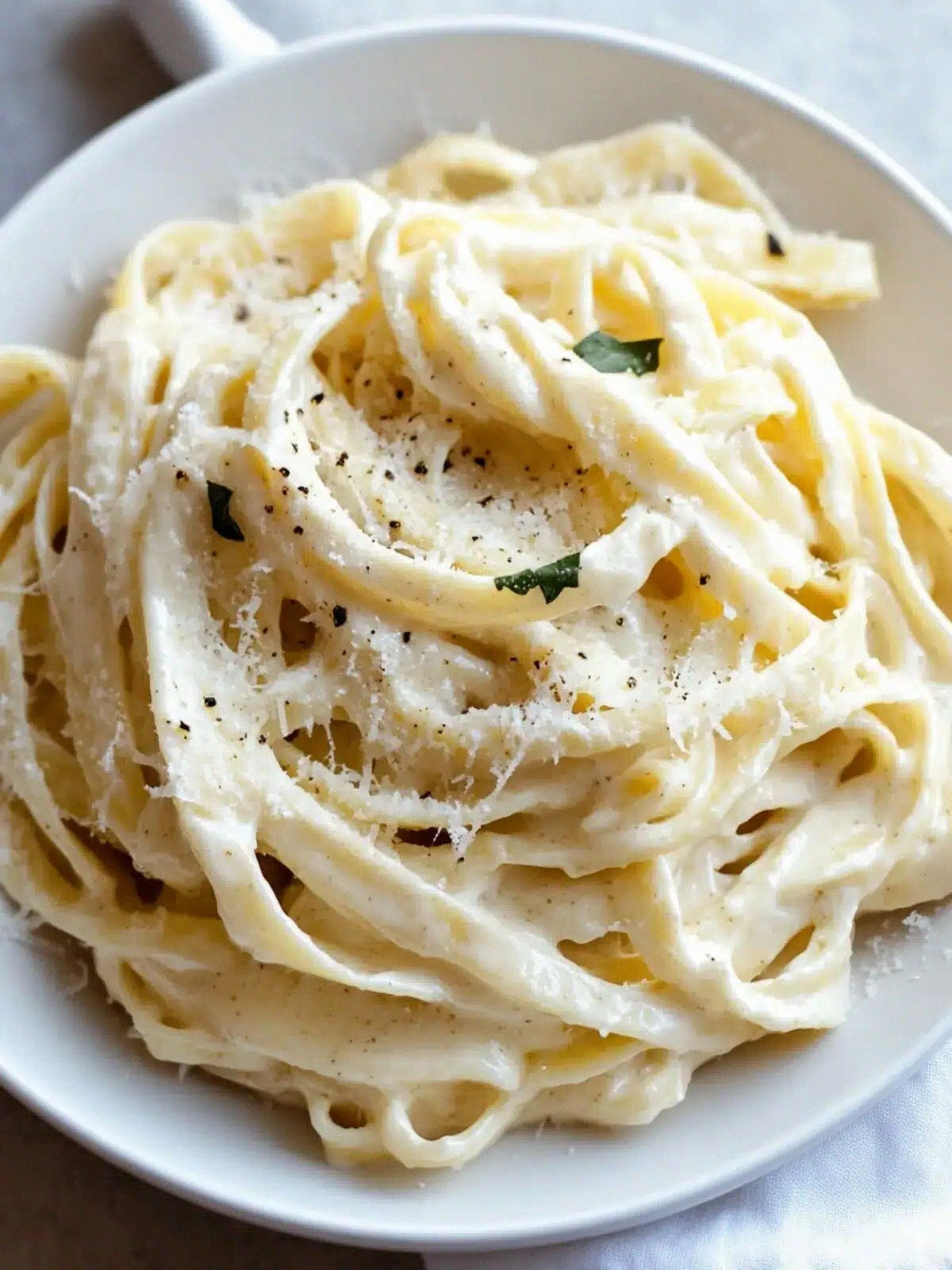
Picture this: a steaming pot of fettuccine, the pasta noodles glistening like freshly fallen snow, the air thick with the rich aroma of garlic powder, and the subtle nutty undertone of Parmesan. As the sauce simmers, a gentle hiss fills the kitchen, and the sound of bubbling butter is replaced by the comforting sizzle of olive oil mingling with cottage cheese. The first spoonful coats the pasta like velvet, the texture silky yet substantial, and the flavor bursts with a savory depth that makes your taste buds do a little happy dance. Every bite feels like a warm hug from the inside out, and the protein content lifts the dish from ordinary to extraordinary. If you’re craving something that feels indulgent but actually nourishes, you’re in for a treat.
What sets this version apart from the countless Alfredo recipes that clutter the internet is its commitment to both flavor and nutrition. By swapping heavy cream for low‑fat cottage cheese, the sauce stays luxuriously creamy while cutting down on saturated fat. The inclusion of unsweetened almond milk keeps the sauce light without compromising on moisture. And the secret weapon? A pinch of nutmeg that adds a subtle warmth that lingers on the palate. I dare you to taste this and not go back for seconds. Trust me, the first bite will have you questioning everything you thought you knew about Alfredo.
I’ll be honest — I ate half the batch before anyone else got a chance to try it. My friends were skeptical at first, but once they tasted the silky, protein‑rich sauce, they were convinced. Most recipes get this completely wrong by over‑reliance on butter and cream, resulting in a heavy, cloying finish. Here, the sauce is light enough to be enjoyed with a salad or a side of steamed veggies, yet rich enough to satisfy those craving a comforting, home‑cooked meal. The texture is smooth and velvety, the taste is robust and satisfying, and the protein content is a game‑changer for anyone on a fitness journey. Picture yourself pulling this out of the pot, the whole kitchen smelling incredible, and every bite feeling like a personal triumph.
If you've ever struggled with balancing flavor and health in pasta dishes, you're not alone — and I've got the fix. This version is hands down the best version you'll ever make at home. It’s simple, it’s delicious, and it’s built for the modern kitchen. I’ll walk you through every single step, from the first stir to the final garnish, and by the end, you'll wonder how you ever made it any other way. Let’s dive in.
What Makes This Version Stand Out
- Protein Power: The low‑fat cottage cheese delivers a hefty protein punch that keeps you full and energized. It’s a smart swap that doesn’t sacrifice creaminess.
- Lightness Factor: Unsweetened almond milk keeps the sauce airy while maintaining a silky texture. It’s the secret to a guilt‑free indulgence.
- Flavor Depth: A pinch of nutmeg adds a subtle warmth that elevates the sauce beyond traditional Alfredo. It’s a flavor twist you’ll crave.
- Time Efficiency: This recipe can be whipped up in under 45 minutes, making it perfect for weeknight dinners and busy schedules.
- Versatility: The sauce pairs beautifully with a range of proteins, from grilled chicken to sautéed shrimp, and can even be used as a creamy base for casseroles.
- Make‑Ahead Potential: Prepare the sauce in advance and store it for up to three days, allowing for quick, nutritious meals on the go.
- Low Fat: With just a tablespoon of olive oil, the dish stays low in saturated fats while still delivering a satisfying mouthfeel.
Inside the Ingredient List
The Flavor Base
The foundation of any great sauce begins with the right aromatics. Garlic powder, at just one teaspoon, infuses the dish with a subtle yet unmistakable depth that lifts the entire flavor profile. Unlike fresh garlic, powder offers consistency and a longer shelf life, making it a staple for quick weeknight meals. If you prefer a fresher punch, replace it with minced fresh garlic, but be sure to reduce the amount slightly to avoid overpowering the creamy base.
Salt is the silent hero that balances sweetness and richness. A teaspoon of salt is enough to bring all the ingredients together without drowning the delicate flavors. Too much salt can make the dish taste flat, so trust your instincts and taste as you go. Remember, you can always add more later, but you can’t take it away once it’s in.
Black pepper adds a subtle heat that contrasts the creamy sweetness. A pinch of freshly ground pepper works wonders, but you can also use a pre‑ground version for convenience. The pepper’s bite is essential for a well‑rounded sauce, and it helps to cut through the richness, preventing the dish from feeling heavy.
The Texture Crew
Low‑fat cottage cheese is the star of this sauce, providing a protein‑rich, creamy base that rivals traditional cream. Its curds break down into a smooth emulsion when heated, giving the sauce that luxurious mouthfeel without the weight. If you’re vegan, a plant‑based cottage cheese substitute will work, but keep in mind the texture may differ slightly.
Unsweetened almond milk serves as the liquid component that balances the thickness of the cottage cheese. It keeps the sauce light, allowing the pasta to shine. If you prefer a dairy alternative, oat milk can be a good substitute, though it may impart a mild sweetness. The key is to use unsweetened varieties to avoid altering the savory profile.
Olive oil adds a silky finish and a subtle fruity note that elevates the sauce. One tablespoon is enough to bring cohesion and richness without turning the dish greasy. A high‑quality extra‑virgin olive oil will enhance the flavor, but a more neutral oil works if you’re sensitive to taste.
The Unexpected Star
Grated Parmesan cheese is the finishing touch that brings depth and a savory umami punch. A half cup of freshly grated Parmesan ensures a bright, nutty flavor that complements the cottage cheese. If you’re looking for a sharper taste, try a blend of Parmesan and Pecorino. The cheese also adds a slight thickness, creating a sauce that clings to each noodle.
Nutmeg, a pinch of the warm spice, is the secret that transforms this sauce from ordinary to extraordinary. It brings a subtle, aromatic warmth that lingers on the palate. A little goes a long way, so be sure to measure carefully. This small addition is what makes the sauce feel like a gourmet creation.
The Final Flourish
The final step is to bring all the components together, creating a harmonious blend of flavors and textures. The sauce should coat the pasta like velvet, each strand glistening with a glossy sheen. The finish is a balance of savory, creamy, and slightly nutty, with a whisper of spice that keeps the dish exciting. This is the moment you taste the culmination of all the careful choices and culinary intuition.
Everything's prepped? Good. Let's get into the real action.
The Method — Step by Step
- Bring a large pot of salted water to a rolling boil and add the fettuccine. Cook according to the package instructions until al dente, usually about 8–10 minutes. Drain the pasta, reserving a cup of the starchy cooking water for later. The pasta should be firm to the bite, not mushy.
- While the pasta cooks, heat a large skillet over medium heat and add the tablespoon of olive oil. Let the oil warm until it shimmers, then sprinkle in the garlic powder. Stir for 30 seconds to release the aroma, but avoid burning it.
- Reduce the heat to low and pour in the low‑fat cottage cheese. Stir constantly until it starts to melt and blend with the oil, forming a smooth base. The mixture should be thick but not clumpy.
- Add the unsweetened almond milk gradually, whisking continuously to create a silky sauce. The sauce should reach a pourable consistency, but if it’s too thin, let it simmer for a minute to thicken.
- Stir in the grated Parmesan cheese, allowing it to melt into the mixture. The cheese will give the sauce a bright, nutty flavor and a slightly thicker texture. Taste and adjust seasoning with salt and pepper.
- Add the pinch of nutmeg and give the sauce a final stir. The nutmeg’s warm aroma should rise, hinting at the depth to come. This step is where the sauce feels like a gourmet creation.
- Return the cooked fettuccine to the skillet, tossing it in the sauce until every strand is coated. If the sauce seems too thick, add a splash of the reserved pasta water to loosen it. The pasta should be glossy and creamy, not clumpy.
- At this point, you should be watching the sauce closely. The edges of the pasta will start pulling away from the skillet, indicating the sauce has thickened to the right consistency. If you let it sit too long, it may become overly thick and difficult to stir.
- Serve immediately, garnished with a sprinkle of extra Parmesan if desired. The sauce should feel light, yet rich, with a balanced flavor profile that satisfies the palate. Enjoy the creamy, protein‑packed goodness.
That's it — you did it. But hold on, I've got a few more tricks that'll take this to another level. These insider tips will ensure your sauce is flawless every single time.
Insider Tricks for Flawless Results
The Temperature Rule Nobody Follows
Temperature control is critical when working with dairy‑based sauces. Keep the heat low once you add the cottage cheese; a gentle simmer allows the cheese to melt evenly without curdling. If the heat is too high, the proteins can separate, leaving a grainy texture. I’ve seen this happen in the most frantic of kitchens, and it’s a real pain to fix. The trick is to watch the sauce closely and adjust the flame as needed.
Why Your Nose Knows Best
Before you even taste the sauce, give it a sniff. A fresh, buttery aroma indicates the sauce is on track. If you detect any sour or off notes, it’s a sign that the cheese may have started to separate or the sauce has overheated. Trust your nose; it’s a reliable indicator that your dish will taste amazing.
The 5-Minute Rest That Changes Everything
After you’ve tossed the pasta in the sauce, let the dish rest for five minutes off the heat. This brief pause allows the noodles to absorb the flavors and the sauce to settle into a cohesive texture. The result is a sauce that clings beautifully to each strand without becoming watery. I’ve tried skipping this step, and the sauce was noticeably thinner and less cohesive.
The Quick Chill for Leftovers
If you have leftovers, refrigerate them immediately in an airtight container. When reheating, add a splash of almond milk or water to revive the sauce’s silky texture. Avoid microwaving on high, as it can cause the sauce to separate. A gentle reheat on the stovetop works best, allowing you to adjust consistency as needed.
The Secret to a Silky Finish
A quick splash of lemon juice can brighten the sauce and counterbalance the richness. Add a teaspoon at the end of cooking, whisking until incorporated. The acidity cuts through the creaminess, giving the dish a fresh lift. This small addition is often overlooked but makes a noticeable difference.
The No‑Mess Technique
Use a silicone spatula to stir the sauce. Its flexible nature prevents the sauce from sticking to the pan, and it allows for easy scraping of all the delicious bits. A metal spoon can sometimes scrape the bottom, leaving clumps. The silicone spatula keeps everything smooth and clean.
Creative Twists and Variations
This recipe is a playground. Here are some of my favorite ways to switch things up:
Spinach & Mushroom Alfredo
Sauté fresh spinach and sliced mushrooms until tender, then fold them into the sauce. The earthy flavors complement the creamy base, creating a hearty, vegetarian option. Serve with a sprinkle of crushed red pepper for a subtle kick.
Chicken Pesto Alfredo
Add grilled chicken breast strips and a dollop of basil pesto. The pesto adds a bright, herbal note that balances the richness. This version is perfect for a quick dinner that feels like a restaurant special.
Shrimp & Lemon Zest Alfredo
Sauté shrimp until pink, then toss them into the sauce with a zest of lemon. The citrus lifts the dish, giving it a fresh, vibrant finish. It’s a perfect match for a summer meal.
Cauliflower Alfredo for Keto
Replace the fettuccine with spiralized cauliflower for a low‑carb version. The cauliflower absorbs the sauce beautifully, creating a creamy, keto‑friendly dish. It’s a great way to keep the protein high while cutting carbs.
Vegan Alfredo with Cashews
Blend soaked cashews with almond milk to create a dairy‑free base. Add nutritional yeast for a cheesy flavor and a pinch of turmeric for color. This version is silky, creamy, and completely plant‑based.
Spicy Cajun Alfredo
Stir in a teaspoon of Cajun seasoning and a dash of cayenne pepper. The heat adds an exciting layer of complexity, turning the dish into a bold, spicy adventure. Pair it with a side of black beans for a complete meal.
Storing and Bringing It Back to Life
Fridge Storage
Store the sauce in an airtight container for up to three days. Keep it in the refrigerator to maintain its freshness and texture. When ready to serve, reheat gently on the stovetop, adding a splash of almond milk to restore silkiness.
Freezer Friendly
Freeze the sauce in a freezer‑safe container for up to two months. Thaw overnight in the fridge before reheating. The sauce may separate slightly when frozen, but a quick stir will restore its smoothness.
Best Reheating Method
Reheat the sauce over low heat, stirring constantly to prevent separation. Add a teaspoon of water or almond milk to reach the desired consistency. This method preserves flavor and ensures a silky finish.