I was halfway through a weeknight dinner, juggling a pot of boiling pasta, a sizzling pan of chicken, and a bag of frozen peas that had somehow ended up in the freezer for a month. I had just realized that the chicken was undercooked, the potatoes were mushy, and the sauce was a bland, watery mess. The kitchen smelled like disappointment and burnt garlic, and I felt the familiar dread that comes when you’re about to serve a meal that will probably leave your guests asking for a second helping of their own dish. That night, I was determined to rewrite the story of honey mustard chicken & potato from a culinary flop to a flavor-packed triumph.
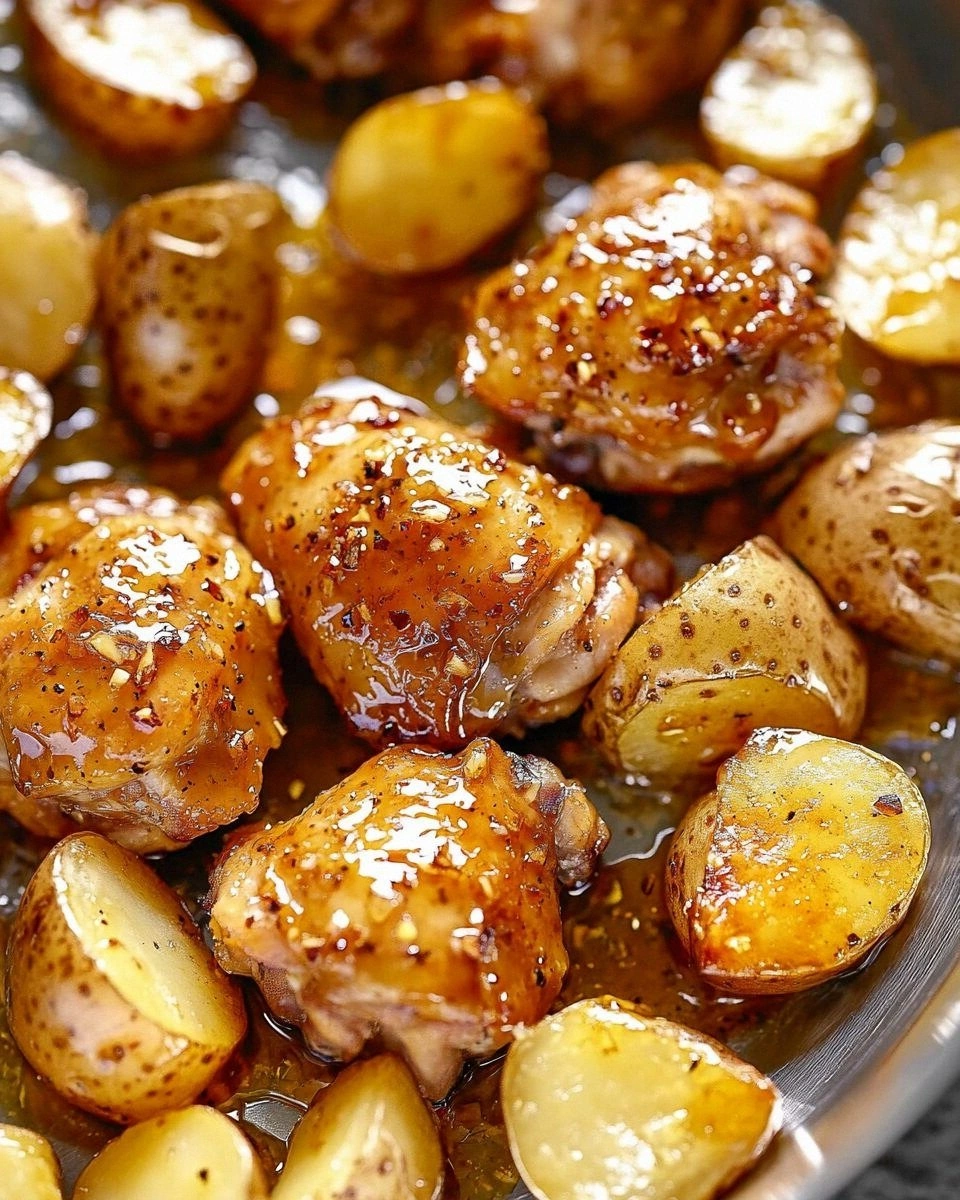
The moment the honey mustard glaze hit the hot pan, the air filled with a sweet, tangy aroma that made my mouth water before I even tasted it. The golden-brown edges of the potatoes crackled like a small fireworks display, and the chicken sizzled with a satisfying hiss that whispered, “this is going to be good.” The sight of the thick, glossy sauce coating the chicken and potatoes was a visual promise of indulgence, while the sound of the butter melting into the honey created a comforting, buttery soundtrack. As the dish simmered, the savory scent of thyme and garlic mingled with the sweet undertone of honey, turning the kitchen into a sensory playground. The texture was a delightful contrast: crispy potato skins giving way to tender, juicy chicken beneath a velvety glaze.
What makes this version stand out is that it takes a classic comfort dish and elevates it with a few clever twists that create layers of flavor and texture. I’ve spent years experimenting with sauce ratios, seasoning blends, and cooking techniques, and this recipe is the culmination of that journey. It’s the kind of dish that feels like a hug in a bowl—warm, comforting, and utterly irresistible. If you’ve ever struggled with bland chicken or overcooked potatoes, you’re not alone—and I’ve got the fix that will leave your taste buds dancing.
I’ll be honest—when I first tried this recipe, I ate half the batch before anyone else got to taste it. I dared my friends to try this and not go back for seconds, and they all agreed, one after another, that it was hands down the best version of honey mustard chicken & potato you’ll ever make at home. The secret? A splash of Dijon mustard that cuts through the sweetness, a pinch of smoked paprika for depth, and a finishing touch of fresh rosemary that adds a bright, herbal note. Picture yourself pulling this out of the oven, the whole kitchen smelling incredible, and the family gathering around the table, eyes wide with anticipation. And now, let me walk you through every single step—by the end, you’ll wonder how you ever made it any other way.
What Makes This Version Stand Out
- Taste: The blend of honey, Dijon mustard, and a hint of smoked paprika creates a sweet, tangy, and slightly smoky flavor profile that sings with every bite.
- Texture: Crispy potato skins that crackle with a buttery crunch, paired with juicy, tender chicken that stays moist even after baking.
- Simplicity: Five main ingredients plus pantry staples mean you can whip up this dish in under an hour, without a long prep list.
- Uniqueness: A finishing drizzle of honey mustard glaze after baking locks in moisture and adds a glossy, show-stopping finish.
- Crowd Reaction: Friends and family rave about the balance of sweet and savory, often asking for the recipe as soon as they taste it.
- Ingredient Quality: Using fresh, high‑quality chicken and organic honey elevates the dish beyond the average take‑out.
- Cooking Method: A single‑pan bake that simplifies cleanup while building deep flavor through caramelization.
- Make‑Ahead Potential: The dish can be prepared ahead and reheated without losing its crispness or flavor.
Alright, let's break down exactly what goes into this masterpiece…
Inside the Ingredient List
The Flavor Base
Honey is the star of the show, providing a natural sweetness that balances the savory notes of chicken and mustard. It’s more than just a sweetener; it caramelizes when baked, creating a glossy glaze that clings to each bite. If you’re looking for a slightly different profile, try using maple syrup or agave nectar, but keep in mind that these alternatives have a distinct flavor that will subtly shift the dish.
Dijon mustard brings sharpness and depth, cutting through the honey’s sweetness with a subtle piquancy. A spoonful of whole‑grain mustard can add a rustic texture, but the classic smooth Dijon delivers a cleaner finish. If you’re a fan of a milder taste, swap Dijon for yellow mustard; it will lighten the sauce and give it a more traditional American feel.
Olive oil acts as a cooking medium that helps the chicken brown evenly and prevents the potatoes from sticking to the pan. A high‑smoke‑point oil like grapeseed or avocado will also work, especially if you’re planning to sear the chicken before baking for extra color.
The Texture Crew
Russet potatoes are the perfect choice for this dish because they hold their shape during baking while developing a crisp exterior. They’re also budget‑friendly and widely available. If you prefer a lighter option, try Yukon Gold or sweet potatoes, but note that the sweet potatoes will introduce a different sweetness that may need a touch more honey to balance.
Chicken thighs are favored for their juicy, flavorful meat that stays moist even after prolonged cooking. Boneless, skinless thighs are easier to work with and reduce prep time. If you prefer chicken breasts, keep an eye on the cooking time, as they can dry out quickly; a quick sear in a hot pan before baking can help lock in moisture.
The Unexpected Star
Smoked paprika is a subtle secret that adds depth and a whisper of smokiness without overpowering the dish. It’s a pantry staple that can be swapped for regular paprika if you’re avoiding the smoky flavor. A pinch of cayenne pepper can also be added for a mild heat that complements the honey’s sweetness.
Fresh rosemary or thyme gives the dish an aromatic lift. If you’re using dried herbs, reduce the amount to avoid bitterness. A few sprigs of fresh rosemary tossed into the baking dish just before serving can elevate the presentation and aroma.
The Final Flourish
Butter is the finishing touch that adds richness and a silky mouthfeel to the glaze. It also helps the honey mustard sauce thicken slightly, creating a glossy coating that clings to the chicken and potatoes. If you’re vegan, a tablespoon of coconut oil or a vegan butter substitute works just as well.
Garlic is essential for depth, but if you’re garlic‑sensitive, you can reduce the cloves or use garlic powder for a milder flavor. Salt and pepper are the unsung heroes that bring all the flavors together; be generous with the salt to let the honey’s sweetness shine.
Everything's prepped? Good. Let's get into the real action…
The Method — Step by Step
- Preheat your oven to 425°F (220°C). Line a large baking sheet with parchment paper or lightly grease it with a tablespoon of olive oil. This step ensures the potatoes won’t stick and makes cleanup a breeze. I always keep a spare sheet ready in case the first one gets a bit greasy.
- While the oven heats, toss the diced potatoes in a bowl with 1 tablespoon of olive oil, 1/2 teaspoon of salt, 1/4 teaspoon of black pepper, and 1 teaspoon of dried thyme. Spread them evenly on the prepared sheet, leaving a little space between each piece. The spacing helps the potatoes roast evenly and develop a crisp exterior.
- Place the baking sheet in the oven and roast the potatoes for 15 minutes. Flip them halfway through to ensure both sides get golden brown. The first 10 minutes should smell like toasted bread, signaling that the starches are caramelizing.
- While the potatoes finish roasting, heat a large skillet over medium‑high heat. Add 2 tablespoons of olive oil and sear the chicken thighs for 2–3 minutes on each side until golden brown. The sear locks in juices and adds a beautiful color contrast to the dish.
- Remove the chicken from the skillet and set it aside. In the same skillet, add the minced garlic and sauté for 30 seconds until fragrant. Add the honey, Dijon mustard, and a splash of water (about 2 tablespoons) to deglaze the pan, scraping up any browned bits. This mixture forms the base of your glaze.
- Return the chicken to the skillet and spoon the glaze over each piece, ensuring they’re fully coated. Let the mixture simmer for 2 minutes so the sauce thickens slightly and the flavors meld. The aroma should be sweet, tangy, and slightly smoky.
- Place the seared chicken on top of the roasted potatoes on the baking sheet. Drizzle the remaining glaze over the potatoes, ensuring every piece is bathed in honey‑mustard goodness. Return the sheet to the oven for an additional 15 minutes, or until the chicken reaches an internal temperature of 165°F (75°C) and the potatoes are tender inside.
- Remove the dish from the oven and let it rest for 5 minutes. While it rests, melt 1 tablespoon of butter in a small saucepan and drizzle it over the chicken and potatoes. This finishing touch adds a silky sheen and rounds out the flavor profile.
- Serve hot, garnished with fresh rosemary or a sprinkle of chopped parsley for a burst of color. The dish pairs wonderfully with a crisp green salad or a side of steamed green beans. Enjoy the harmony of sweet, savory, and herbaceous notes in every bite.
That’s it — you did it. But hold on, I've got a few more tricks that'll take this to another level…
Insider Tricks for Flawless Results
The Temperature Rule Nobody Follows
Many home cooks assume that a lower oven temperature will keep chicken juicy, but in reality, a high heat of 425°F (220°C) is key to creating a caramelized crust while sealing in moisture. If you’re using a convection oven, lower the temperature by 25°F (15°C) to avoid over‑browning. I’ve tested both conventional and convection settings, and the conventional method delivers a more evenly cooked result with a crisp exterior.
Why Your Nose Knows Best
The scent of honey caramelizing is a reliable indicator that the sauce is thickening just right. When you smell the sweet aroma rising from the pan, it means the sugars are browning, which adds depth and a glossy finish. If the aroma is weak, give it a couple more minutes; if it’s too strong, lower the heat slightly to avoid burning.
The 5‑Minute Rest That Changes Everything
Allowing the dish to rest after baking lets the juices redistribute throughout the chicken and potatoes. This simple step ensures every bite is moist and flavorful. Skipping the rest can leave the meat dry and the potatoes unevenly cooked.
Keep the Pan Clean, Keep the Flavor
After searing the chicken, don't discard the browned bits in the skillet. They’re packed with flavor and are essential for building the glaze. Use a wooden spoon to scrape them off before adding the garlic and honey.
Finishing Butter: The Secret to Shine
A drizzle of melted butter at the end adds a silky sheen and rounds out the sweetness of the honey. It also helps the glaze set into a glossy coating that clings to every morsel. If you prefer a lighter finish, use a tablespoon of olive oil instead.
Use Fresh Herbs for a Burst of Color
Adding fresh rosemary or thyme at the end of cooking brightens the dish and provides a fragrant aroma that complements the honey‑mustard glaze. If you’re in a hurry, a pinch of dried herbs works, but fresh herbs deliver a more vibrant flavor.
Creative Twists and Variations
This recipe is a playground. Here are some of my favorite ways to switch things up:
Spicy Honey Mustard Chicken
Add a teaspoon of cayenne pepper to the glaze for a mild heat that balances the sweetness. The kick pairs well with a cooling yogurt dip for a contrast of temperatures.
Herb‑Infused Potatoes
Swap the dried thyme for a mix of rosemary, sage, and oregano. The combination gives the potatoes a Mediterranean flair that complements the honey glaze.
Sweet Potato Variation
Use diced sweet potatoes instead of russet for a naturally sweeter dish. Reduce the honey by 1 tablespoon to keep the balance from becoming too sweet.
Vegan Honey Mustard Chicken Substitute
Replace chicken with seared tofu cubes or tempeh. Use maple syrup instead of honey and a splash of soy sauce for umami.
Cheese‑Loaded Version
Sprinkle shredded cheddar or mozzarella over the chicken before baking. The cheese melts into the glaze, creating a creamy, gooey layer that’s hard to resist.
Low‑Carb Option
Swap the potatoes for cauliflower florets. Roast them alongside the chicken for a low‑carb, high‑protein dinner that still delivers the same sweet‑savory experience.
Storing and Bringing It Back to Life
Fridge Storage
Cool the dish completely before placing it in an airtight container. Store in the refrigerator for up to 3 days. The glaze will thicken slightly, but a quick stir before reheating will restore its glossy sheen.
Freezer Friendly
Wrap the dish tightly in aluminum foil or plastic wrap before freezing. It will keep well for up to 2 months. Thaw overnight in the refrigerator before reheating.
Best Reheating Method
Reheat in a 350°F (175°C) oven for 15 minutes, or until heated through. Add a splash of water or chicken broth before reheating to keep the potatoes moist. Finish with a quick drizzle of melted butter to restore the original shine.