I still remember the night I almost set my kitchen on fire trying to impress a date with a fancy risotto that turned into gluey wallpaper paste. There I stood, smoke alarm wailing, windows fogged like a sauna, and my date politely suggesting we order pizza. Instead of wallowing in culinary shame, I rummaged through my fridge like a desperate raccoon and threw together what I had: a pack of Italian sausage, some sad potatoes, and a can of tomatoes. Thirty minutes later, the most incredible aroma filled my apartment—rich, garlicky, cheesy, with those crispy edges that make you close your eyes and sigh. My date took one bite, looked at me with pure wonder, and said, "You need to make this for me every week." That disaster-to-delight moment birthed what I now call my Italian Sausage and Potato Casserole, and honey, it's been my secret weapon ever since.
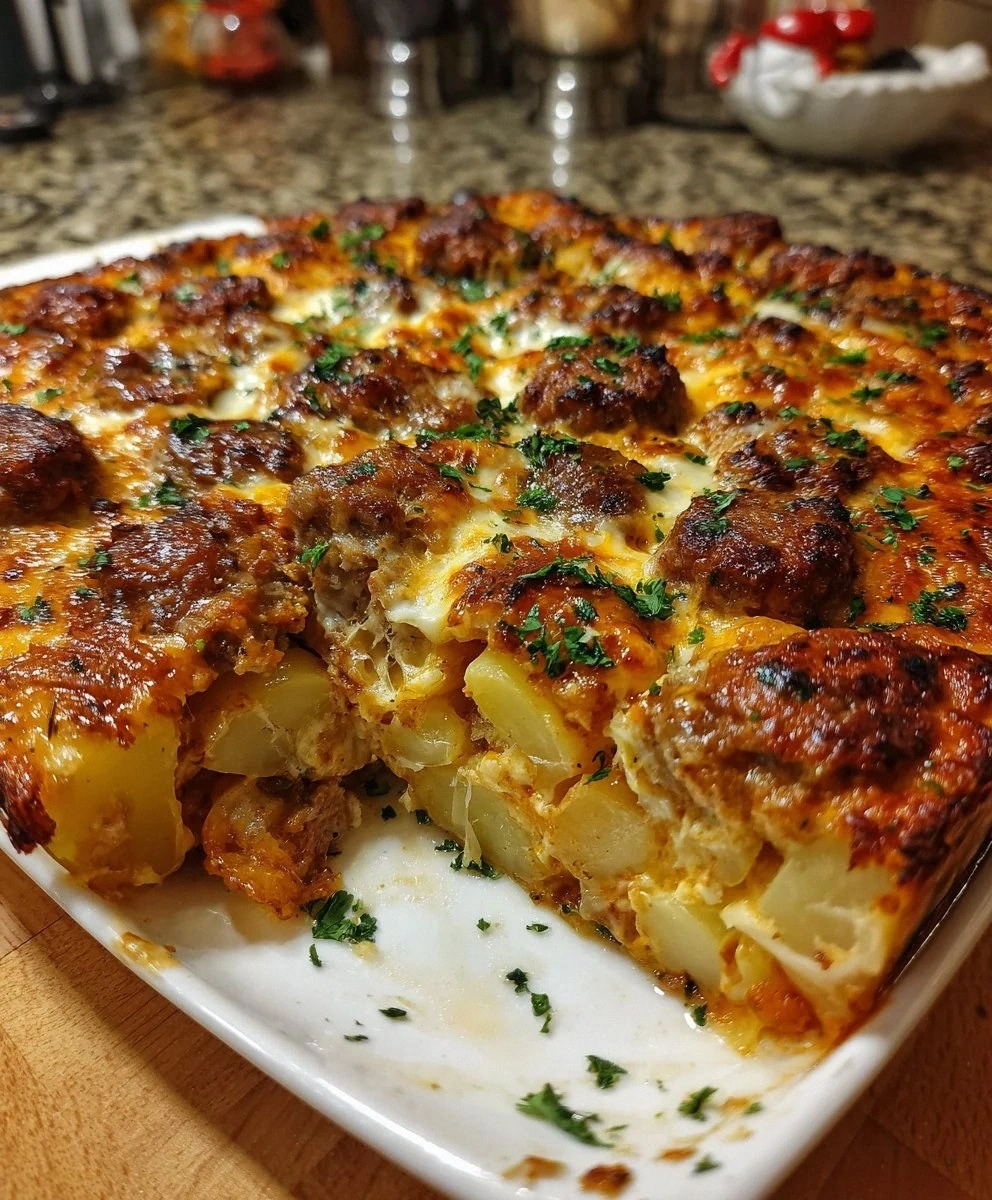
Picture this: golden potato slices that have absorbed all that spicy sausage fat, swimming in a tomato sauce that's reduced to pure velvet, with mozzarella bubbling like lava and creating those Instagram-worthy cheese pulls. The bell peppers add just enough sweetness to balance the heat, while the Italian seasoning makes your kitchen smell like Nonna's been visiting. This isn't just another dump-and-bake casserole—this is the kind of dish that makes grown adults fight over the crispy corner pieces and sneak cold leftovers at midnight standing in front of the fridge.
What makes this version absolutely legendary? I use a technique that most recipes completely ignore—par-cooking the potatoes in the sausage fat before they ever hit the baking dish. This creates these magical edges that shatter like thin ice while the insides stay creamy. Plus, I layer the cheese strategically so you get that perfect golden crown on top while maintaining melty pockets throughout. Trust me, once you try this method, you'll never go back to just throwing everything in a dish and hoping for the best.
Here's the real kicker—this casserole tastes even better the next day. The flavors meld together like they've been best friends for decades. I've served this at everything from casual Tuesday dinners to holiday potlucks, and without fail, someone always asks for the recipe while their mouth is still full. If you've ever struggled with dry, bland casseroles that taste like cafeteria food, you're not alone—and I've got the fix that'll change your dinner game forever. Let me walk you through every single step—by the end, you'll wonder how you ever made it any other way.
What Makes This Version Stand Out
Flavors That Punch: This isn't your grandmother's bland casserole. We're talking about Italian sausage that releases its spicy, fennel-scented oils into every single bite of potato. The combination of sweet bell peppers, aromatic garlic, and herbs creates layers of flavor that dance on your tongue like a tango performance.
Texture Paradise: Most casseroles suffer from the mushy potato syndrome—everything turns to baby food. Not here. My par-cooking method creates a contrast that'll make you weep with joy: crispy edges that give way to creamy centers, with the occasional surprise of melted cheese strings.
One-Pan Wonder: Despite tasting like you spent hours slaving away, this entire masterpiece comes together in one skillet and one baking dish. Less cleanup means more time to bask in the glory of your family's praise while they scrape their plates clean.
Weeknight Hero: From fridge to table in under an hour, this casserole has saved my dinner plans more times than I can count. It's forgiving, adaptable, and tastes like you planned it for days. Future pacing: imagine walking in the door after a brutal workday and having dinner sorted in minutes.
Crowd Psychology: I've never met anyone who didn't love this dish. Kids go crazy for the cheesy top, adults appreciate the sophisticated flavors, and even picky eaters can't resist those crispy potatoes. It's like culinary hypnosis—everyone asks for seconds.
Ingredient Integrity: Using real Italian sausage (not that mystery meat stuff) and fresh herbs makes all the difference. This recipe respects each component, letting them shine rather than drowning everything in cream-of-something soup like those sad 1950s casseroles.
Make-Ahead Magic: Prep everything the night before, pop it in the fridge, and bake when ready. The flavors actually improve with time—it's like the casserole version of a fine wine. Perfect for entertaining or those days when you know you'll be too exhausted to cook.
The Cheese Factor: Most recipes just dump cheese on top and call it a day. We're creating multiple cheese experiences here—melty pockets throughout, a golden crown on top, and those crispy cheese edges that people fight over. Okay, ready for the game-changer?
Inside the Ingredient List
The Flavor Base
Italian sausage is the undisputed star of this show, and choosing the right one makes or breaks your entire casserole. I always go for fresh sausage in natural casings—never the pre-cooked, pre-crumbled stuff that tastes like cardboard had a sad baby with sawdust. The fat content matters more than you'd think; you want sausage that's around 70/30 meat to fat ratio. Too lean and your casserole will be dry as the Sahara, too fatty and you'll be swimming in grease. If you can find sausage made with fennel and red wine, grab it—those flavors will make your taste buds sing opera.
The Texture Crew
Potatoes are not created equal in casserole land. Yukon Golds are my ride-or-die choice here because they hold their shape while still getting creamy inside. Their thin skin means no peeling required, which saves precious minutes when you're hangry. Red potatoes work in a pinch, but they'll stay firmer—great if you like more bite. Russets will fall apart and create mashed potato pockets, which some people love but I find texturally confusing. Cut them into 1/4-inch slices so they cook evenly and absorb maximum flavor. Pro tip: keep them in cold water until you're ready to use them to prevent that gray oxidation that looks like zombie flesh.
The Unexpected Star
Bell peppers often get relegated to afterthought status, but here they're the secret weapon that makes people ask "what's that amazing flavor?" I use a mix of red and yellow for sweetness and visual appeal—green peppers can be bitter and dominate the dish. Dice them small so they distribute evenly and caramelize properly. If you're feeling fancy, throw in some jarred roasted peppers for a smoky depth that'll have everyone guessing your secret. The key is cooking them until they're soft and sweet, not crunchy and raw.
The Final Flourish
Mozzarella might seem basic, but it's the perfect melting cheese for this application. Fresh mozzarella creates puddles of creamy goodness, while the low-moisture shredded variety gives you that perfect stretch and golden top. I use both—fresh cubes scattered throughout for surprise pockets, and shredded on top for that Instagram-worthy cheese pull. Mix in a little provolone or fontina if you want to get fancy, but honestly, good old mozzarella never fails to deliver the comfort food factor we're chasing here.
Fresh herbs make all the difference—dried Italian seasoning works in a pinch, but fresh parsley and basil added at the end brightens everything up like sunshine after a storm. Garlic should be fresh, never that jarred stuff floating in questionable liquid. The canned tomatoes need to be good quality—look for ones from San Marzano if you're splurging, but any whole peeled tomatoes packed in juice will work. Just crush them with your hands for that rustic texture that says "I made this with love, not a food processor."
Everything's prepped? Good. Let's get into the real action...
The Method — Step by Step
- Start by heating your largest skillet over medium-high heat. When it's hot enough that a drop of water sizzles like it's auditioning for a cooking show, add your Italian sausage links whole. Here's the thing—most recipes tell you to remove the casings and crumble it, but we're going rogue. Cooking them whole first lets the casings crisp up and the inside stays juicy. Turn them every couple minutes until they're golden all over, about 8 minutes total. That sizzle when they hit the pan? Absolute perfection. Remove them to a plate to rest—yes, meat needs a spa day too.
- While your sausage is having its golden moment, slice your potatoes into 1/4-inch rounds. Keep them in a bowl of cold water so they don't turn that unappetizing gray color that makes them look like they've been sitting in your fridge since the Clinton administration. Once the sausage is out, don't you dare dump that fat—it's flavor gold. Pour off all but 2 tablespoons, keeping those brown bits in the pan. They're called fond, and they're about to become your best friend.
- Drain your potato slices and pat them dry like you're giving them a tiny spa treatment. Dry potatoes will crisp up instead of steaming into mush. Lay them in the hot sausage fat in a single layer—work in batches if needed, because crowded potatoes are sad potatoes. Let them cook undisturbed for 3-4 minutes until the bottoms turn golden and crispy. Flip them like you're turning pages in your favorite cookbook, then cook another 2 minutes. They won't be fully cooked yet, but they'll finish in the oven. Remove to a plate and sprinkle with salt while they're still hot—they absorb seasoning better this way.
- Now for the aromatics—reduce the heat to medium and add your diced onions to the same pan. The onions will pick up all those gorgeous brown bits from the bottom, creating a flavor base that would make a French chef weep. Cook them until they turn translucent and start to caramelize around the edges, about 5 minutes. Add the bell peppers and cook another 3 minutes until they soften and sweeten. The smell should be making you slightly dizzy with anticipation at this point.
- Clear a space in the center of your pan and add the minced garlic. Let it sizzle for just 30 seconds—garlic burns faster than your ex's new relationship, so keep a close eye. Stir everything together and add your Italian seasoning. Here's where the magic happens: the heat releases the essential oils in the herbs, creating an aroma that'll have neighbors knocking on your door with empty plates.
- Slice your rested sausage into 1/2-inch coins. Notice how the juices stayed inside instead of running all over your cutting board? That's because we let it rest, not because we're kitchen wizards (though we might as well be now). Add these gorgeous coins back to the pan with your vegetables. Pour in the canned tomatoes with their juice, crushing them gently with your hands as you add them. There's something deeply satisfying about squishing tomatoes—it's like stress therapy with dinner benefits.
- Bring this beautiful mess to a simmer and let it bubble away for about 5 minutes. The sauce should start to thicken and look like it's been cooking for hours, not minutes. Season with salt and pepper—be generous here, because the potatoes will absorb a lot of seasoning. Taste it now and do a little happy dance, because this is already delicious and we haven't even added the cheese yet.
- Preheat your oven to 400°F. Grab a 9x13 baking dish and get ready to build your masterpiece. Start with a thin layer of the sausage and tomato mixture on the bottom—this prevents the potatoes from sticking like that one relative who won't leave after Thanksgiving. Layer half your potato slices over the sauce, overlapping them like shingles on a roof. They should fit snugly, creating a potato blanket that would make Idaho proud.
- Dot half your fresh mozzarella cubes over the potatoes, tucking them in like little cheese surprises. Pour over half the remaining sauce, then repeat with another layer of potatoes and the rest of the sauce. Finally, shower the top with shredded mozzarella like you're in a cheese snow globe. Don't be shy here—this is not the time for restraint. The cheese will create that golden crown that makes people fall to their knees.
- Bake for 25-30 minutes until the cheese is golden and bubbling like a mozzarella hot tub. The edges should be crispy and brown, the center should be molten and inviting. Let it rest for 5 minutes before serving—this allows the sauce to thicken and prevents molten cheese lava from burning your mouth. Garnish with fresh parsley for that pop of color that says "I'm fancy but approachable."
That's it—you did it. But hold on, I've got a few more tricks that'll take this to another level...
Insider Tricks for Flawless Results
The Temperature Rule Nobody Follows
Here's the thing that separates good cooks from great ones: temperature control. When you're browning the sausage, the pan should be hot enough that it sizzles immediately but not so hot that the outside burns before the inside cooks. Medium-high heat is your sweet spot. Same with the potatoes—too hot and they'll burn before cooking through, too low and they'll absorb all the fat like little greasy sponges. I test by holding my hand 6 inches above the pan—if I can keep it there for 3 seconds before it gets uncomfortable, that's perfect. This rule alone will transform your cooking from "pretty good" to "how did you make this taste like restaurant food?"
Why Your Nose Knows Best
Trust your sense of smell more than your eyes when cooking this dish. When the garlic is ready, you'll smell it before you see it—that sweet, nutty aroma means it's time to add the next ingredient. Same with the onions: when they stop smelling sharp and start smelling sweet and caramelized, they're done. Your nose is actually more reliable than a timer because factors like pan thickness, stove BTUs, and even altitude affect cooking time. I've cooked this at sea level and in the mountains, and my nose never steers me wrong. Future pacing: imagine becoming one of those cooks who just knows when things are done by smell alone—total kitchen ninja status.
The 5-Minute Rest That Changes Everything
After baking, tent your casserole loosely with foil and walk away for 5 minutes. I know, I know—your stomach is growling louder than a bear in spring. But this rest allows the sauce to thicken, the cheese to set slightly, and the flavors to distribute evenly. It's like the difference between a good haircut and a great one—those finishing touches matter. During this time, set your table, pour some wine, or just do a victory lap around your kitchen. When you come back, the casserole will slice cleanly instead of oozing all over like a cheese volcano.
The Cheese Layering Secret
Most people just dump cheese on top and call it a day. We're creating three distinct cheese experiences here: cubes buried in the layers for molten pockets, shredded on top for the golden crown, and a little bit mixed into the sauce for cohesion. Use fresh mozzarella for the cubes—those soft balls packed in water. For the top, low-moisture shredded gives you better browning and stretch. And here's the kicker: save a handful of cheese for the last 5 minutes of baking. Sprinkle it on and return to the oven—this creates fresh, stretchy cheese on top of the already golden layer underneath. Double the cheese, double the pleasure.
The Make-Ahead Miracle
This casserole is actually better when made ahead—something about the flavors melding overnight creates magic. Assemble everything up to the final baking step, cover tightly with plastic wrap, and refrigerate up to 24 hours. When ready to bake, let it sit at room temperature for 30 minutes while your oven preheats. Add 10-15 minutes to the baking time since you're starting cold. I've served this to dinner guests who thought I slaved all day, when really I made it yesterday in my pajamas while watching Netflix. The confessions: I'll be honest—I've eaten half the batch before anyone else got to try it, and I have zero regrets.
Creative Twists and Variations
This recipe is a playground. Here are some of my favorite ways to switch things up:
The Spicy Southern Italian
Swap the mild sausage for hot Italian sausage and add a teaspoon of red pepper flakes to the vegetables while they sauté. Throw in some sliced banana peppers or pepperoncini for extra kick. Use provolone instead of mozzarella for a sharper, more assertive flavor. This version pairs beautifully with a cold Peroni beer and will clear your sinuses better than any cold medicine. My spice-loving friends call this "the cure for bland food syndrome" and request it whenever they're feeling under the weather.
The Garden Goddess
Make it vegetarian by replacing the sausage with sliced portobello mushrooms that you've marinated in olive oil, garlic, and Italian herbs. Add zucchini, eggplant, and cherry tomatoes for a ratatouille-inspired version. Use smoked mozzarella for depth and add a handful of fresh spinach between the layers. This is surprisingly satisfying even for meat lovers—I served it to my carnivore brother who asked if I was sure there wasn't any meat in it. The mushrooms provide that umami satisfaction that makes you forget all about sausage.
The Breakfast Champion
Transform this into the ultimate brunch dish by adding cooked crumbled breakfast sausage and swapping the Italian seasoning for sage and thyme. Crack 4-6 eggs into wells on top during the last 10 minutes of baking for baked eggs with runny yolks. Use sharp cheddar instead of mozzarella and serve with hot sauce on the side. This version has cured many hangovers and turned brunch into the most requested meal at my house. The contrasts: most breakfast casseroles are boring egg bakes—this one actually makes you excited to wake up early.
The Mediterranean Dream
Use Greek sausage or merguez for a completely different flavor profile. Add kalamata olives, artichoke hearts, and sun-dried tomatoes to the vegetable mix. Replace the mozzarella with feta and use oregano and mint instead of Italian seasoning. A squeeze of lemon over the top before serving brightens everything up. This version transports you straight to a taverna overlooking the Aegean Sea, minus the expensive plane ticket and jet lag.
The Loaded Baked Potato
Channel your favorite steakhouse side dish by using smoked sausage, adding crispy bacon between layers, and mixing in some sour cream with the tomato sauce. Top with extra-sharp cheddar, green onions, and serve with a dollop of sour cream and chives. This is comfort food on steroids—rich, indulgent, and guaranteed to make you want to take a nap afterward. I dare you to taste this and not go back for seconds, then thirds, then maybe just finish the whole pan standing at the counter.
The French Onion Remix
Caramelize the onions slowly until they're deep golden and sweet as candy. Use French garlic sausage or Toulouse sausage, replace the tomatoes with beef stock and a splash of white wine, and top with Gruyère instead of mozzarella. Add fresh thyme and a bay leaf to create French onion soup flavors in casserole form. This sophisticated version is what you serve when you want to impress the in-laws or celebrate something special without spending a fortune on ingredients.
Storing and Bringing It Back to Life
Fridge Storage
Let the casserole cool completely before storing—hot food in the fridge creates condensation that leads to soggy potatoes and sad cheese. Cut it into individual portions and store in airtight containers for up to 4 days. The individual portions reheat more evenly and prevent the dreaded microwave cold spot in the center. If you made it in the baking dish, cover it tightly with plastic wrap, pressing it directly onto the surface to prevent the cheese from drying out. Pro tip: save any crispy cheese edges separately—they make excellent snacking material while you're reheating the rest.
Freezer Friendly
This casserole freezes beautifully for up to 3 months, making it perfect for meal prep or gifting to new parents who don't have time to cook. Freeze individual portions wrapped in plastic wrap then foil, or freeze the whole casserole before baking. If freezing unbaked, wrap it in plastic wrap then foil, and add 20-25 minutes to the baking time from frozen. If reheating cooked portions, thaw overnight in the fridge for best results. The texture holds up surprisingly well—I've served this to guests from the freezer and they couldn't tell it wasn't fresh. The key is wrapping it properly to prevent freezer burn that makes everything taste like sad ice crystals.
Best Reheating Method
The oven is your friend for reheating—microwaves turn the potatoes gummy and the cheese rubbery. Cover with foil and bake at 350°F for 15-20 minutes until heated through. Add a tiny splash of water or broth before reheating—it steams back to perfection and prevents the edges from drying out. For individual portions, a toaster oven works wonders and takes half the time. If you must use the microwave, do it in 30-second bursts at 70% power, adding a damp paper towel over the top to create steam. The microwave method works best when you're desperate and hungry, but the oven method tastes almost as good as fresh from the first bake.