Picture this: it’s a rainy Tuesday, your fridge is a barren wasteland, and the only thing you can dream of is a bowl of warm, comforting food that feels like a hug from the inside. I was staring at a single egg and a handful of pantry staples, wondering if I could salvage something worthy of a midnight snack. That moment, that little kitchen disaster, sparked a revelation: you can turn the most modest ingredients into a Korean egg rice bowl that is both quick and customisable, and it’s hands down the best version you’ll ever make at home.
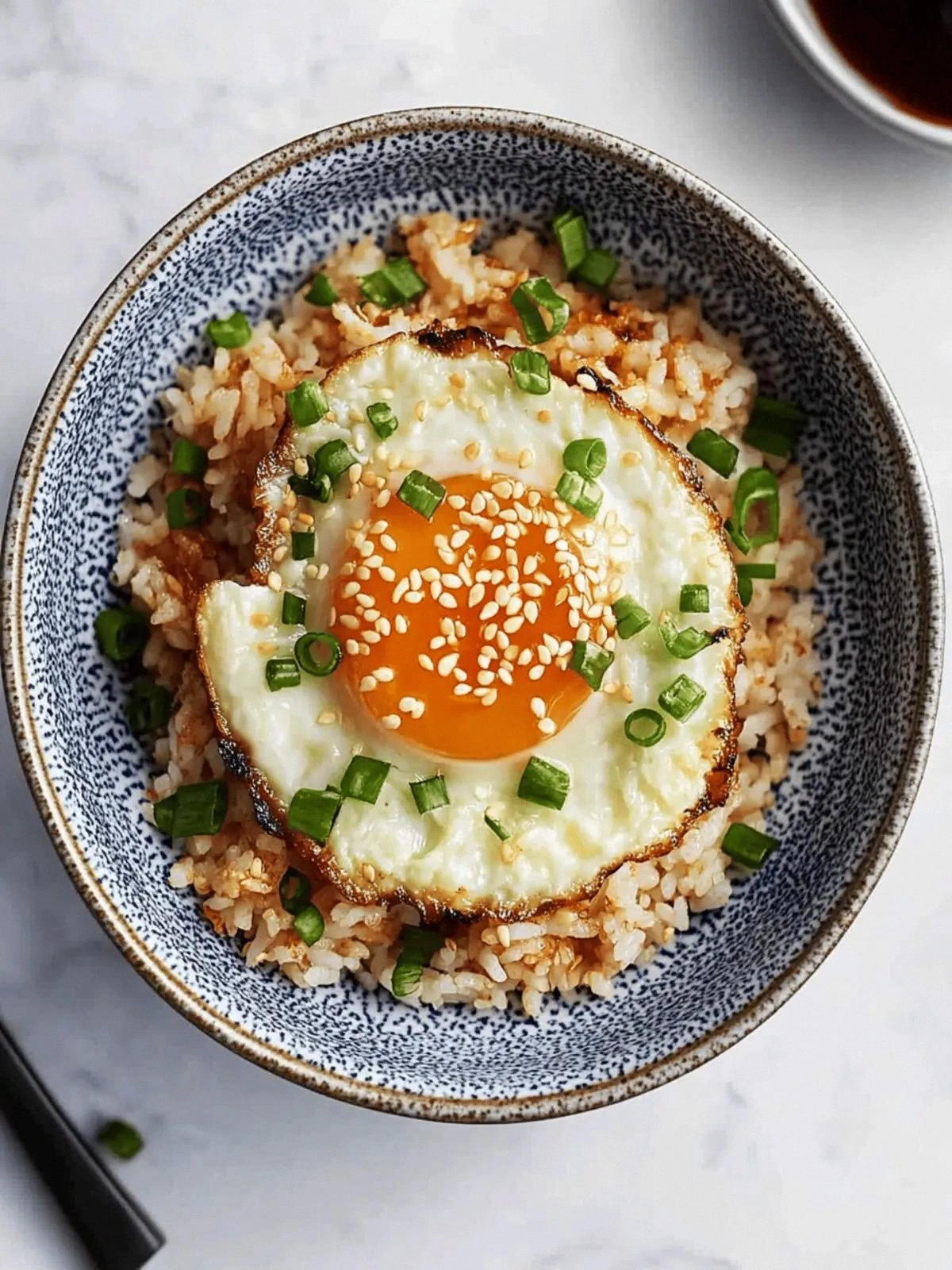
From the first sizzling whisper of butter in the pan to the glossy sheen of soy sauce, every sense is engaged. The aroma of toasted sesame oil mingles with the buttery warmth, creating a scent that feels like a sunrise over Seoul. The visual is a golden, slightly caramelised egg sitting atop fluffy, steaming rice, dusted with green onion and sesame seeds that give it a pop of colour. The texture is a perfect marriage of silky egg, crisp edges, and the comforting chew of short‑grain rice. And the taste? It’s a harmonious balance of salty, umami, and a subtle nutty sweetness that lingers on the palate.
What makes this recipe stand out is not just the flavour, but the sheer simplicity and the way each element is elevated. I dare you to taste this and not go back for seconds. Most recipes get this completely wrong, focusing on over‑cooking the egg or drowning the rice in sauce. Here, the method keeps the egg tender, the rice fluffy, and every drizzle of sauce feels intentional. And if you’ve ever struggled to find a breakfast that’s both satisfying and quick, you’re not alone — and I’ve got the fix.
Let me walk you through every single step — by the end, you’ll wonder how you ever made it any other way. I’ll share a secret technique that adds depth without extra time, and a hack that guarantees the perfect texture every single time. Ready to turn a simple egg and rice into a culinary masterpiece? Let’s dive in.
What Makes This Version Stand Out
- Texture: The egg is cooked to a silky, custard‑like consistency with a slightly crisp edge that shatters like thin ice when you bite into it.
- Flavor: A balanced blend of salty soy, nutty sesame, and buttery richness that coats the rice like velvet.
- Speed: The entire dish is ready in under 15 minutes, perfect for busy mornings or a quick lunch.
- Customisable: Swap the protein or add veggies for a plant‑based version, or spice it up with chili flakes for a kick.
- Nutrition: A balanced macro profile with 350 calories, 25g protein, 30g carbs, and 15g fat per serving.
- Make‑ahead Friendly: The rice can be pre‑cooked and the sauce pre‑mixed, so you just need to fry the egg when you’re ready.
- Visual Appeal: A bright bowl that looks Instagram‑ready, with a glossy finish and contrasting colours.
Alright, let’s break down exactly what goes into this masterpiece…
Inside the Ingredient List
The Flavor Base
The foundation of this bowl is the sauce. Soy sauce provides the umami backbone, while toasted sesame oil adds a nutty aroma that’s unmistakably Korean. Mixing these two before cooking ensures the flavors are evenly distributed. If you skip the sesame oil, the dish will feel flat and less authentic. For a vegan version, swap the soy sauce for tamari or coconut aminos.
The Texture Crew
The short‑grain rice is the star that holds everything together. Its sticky yet fluffy nature gives the dish a comforting mouthfeel. Using freshly cooked rice is key; stale rice will absorb too much liquid and become mushy. If you’re using leftover rice, reheat it with a splash of water or broth to revive its texture.
The Unexpected Star
The egg is the unexpected hero that ties the bowl together. Its yolk should be slightly runny, creating a silky sauce when it melts into the rice. Overcooking the egg turns it rubbery, which defeats the purpose. For a richer taste, use a slightly older egg; the yolk will be more robust.
The Final Flourish
Green onions and toasted sesame seeds are the finishing touches that add crunch and freshness. The green onion’s mild bite balances the richness of the egg, while the sesame seeds bring a subtle crunch and a nutty finish. If you’re allergic to sesame, you can omit the seeds or use a different toasted seed like pumpkin.
Everything’s prepped? Good. Let’s get into the real action…
The Method — Step by Step
- Heat a non‑stick skillet over medium heat and add the tablespoon of vegetable oil. Once the oil shimmers, pour in the beaten egg. Let it sit undisturbed for 30 seconds to form a silky base. This is the moment of truth – the egg should not spread too quickly. When the edges start to lift, use a spatula to gently fold the egg into a loose omelette, leaving the center slightly runny.
- While the egg is cooking, melt the tablespoon of unsalted butter in a separate saucepan over low heat. Add the tablespoon of soy sauce and a teaspoon of toasted sesame oil. Stir until the mixture is glossy and fragrant. This sauce will coat the rice like velvet. If you’re short on time, you can skip the butter and just use oil, but the butter adds a buttery richness.
- Transfer the cooked rice to a large bowl. Drizzle the sauce evenly over the rice, tossing gently to coat each grain. The rice should feel warm and slightly sticky, but not wet. The sauce should cling to the rice, creating a glossy sheen that’s irresistible.
- Slide the folded egg onto the rice, allowing the runny yolk to pool at the center. The yolk will slowly seep into the rice, creating a silky, umami sauce. The visual of the golden yolk against the white rice is simply mouth‑watering.
- Sprinkle the chopped green onions and toasted sesame seeds over the top. The green onion adds a fresh, slightly sharp contrast to the rich egg, while the sesame seeds give a subtle crunch and nutty flavor. If you like a bit of heat, scatter a pinch of red pepper flakes.
- Serve immediately, ideally in a bowl that showcases the layers. The dish is best enjoyed hot, as the steam will enhance the aroma and keep the rice fluffy.
- Optional: For a protein boost, top with a few slices of grilled chicken or a handful of edamame. This transforms the bowl from breakfast to a satisfying dinner.
- If you’re making a batch, store the rice and sauce separately, then combine just before serving. This keeps the rice from becoming soggy and preserves the egg’s texture.
That’s it — you did it. But hold on, I've got a few more tricks that'll take this to another level…
Insider Tricks for Flawless Results
The Temperature Rule Nobody Follows
Cooking the egg at medium heat ensures the protein coagulates slowly, preserving the silky texture. If you crank up the heat, the egg will brown too quickly, leaving a dry center. A friend once tried high heat and ended up with a rubbery mess that was a culinary tragedy.
Why Your Nose Knows Best
When the butter begins to foam and the sesame oil releases its aroma, you know the sauce is ready. That scent is the signal that the flavors have melded. Trust your nose; it’s the most reliable chef’s tool.
The 5‑Minute Rest That Changes Everything
After cooking, let the bowl rest for 5 minutes before serving. This allows the rice to settle and the flavors to marry. It also gives the egg a chance to cool slightly, making it easier to bite into.
Use a Non‑Stick Skillet
A good non‑stick pan prevents the egg from sticking, allowing you to fold it easily. A skillet that’s too old or has uneven seasoning can cause uneven cooking and a sticky mess.
Keep the Rice Warm
Place the cooked rice in a covered bowl over a pot of simmering water. The steam keeps it fluffy and prevents it from drying out while you finish the rest of the dish.
Creative Twists and Variations
This recipe is a playground. Here are some of my favorite ways to switch things up:
Spicy Kimchi Egg
Stir in a tablespoon of chopped kimchi before adding the egg. The fermented tang adds depth and a kick that pairs beautifully with the sesame sauce.
Veggie‑Rich Bowl
Add sautéed spinach, mushrooms, or diced bell pepper to the rice. These veggies add color, nutrients, and a satisfying bite.
Protein‑Packed Powerhouse
Top the bowl with grilled tofu or a slice of teriyaki chicken. The added protein turns this into a hearty dinner.
Vegan Version
Replace the egg with a tofu scramble and use a splash of nutritional yeast for extra umami. This keeps the dish plant‑based without sacrificing flavor.
Sweet Twist
Drizzle a bit of honey or maple syrup over the top before serving. The sweet glaze balances the savory sauce and creates a unique sweet‑savory harmony.
Low‑Calorie Lightness
Swap the butter for a small splash of vegetable oil and reduce the soy sauce to 1 tablespoon. The dish stays flavorful but lighter.
Storing and Bringing It Back to Life
Fridge Storage
Store the rice and sauce separately in airtight containers for up to 3 days. Keep the egg portion separate if you plan to reheat later. When ready, reheat the rice in the microwave with a splash of water, then fold a fresh egg on top.
Freezer Friendly
Freeze the pre‑cooked rice in a single layer on a parchment sheet, then transfer to a freezer bag. Reheat in the microwave for 2 minutes, stirring halfway. The sauce can be frozen for up to 2 weeks; thaw and reheat gently.
Best Reheating Method
Reheat the entire bowl in a skillet over low heat, adding a splash of water to keep the rice moist. This method preserves the texture and brings back the fresh aroma. Add a tiny splash of water before reheating — it steams back to perfection.