Picture this: I was standing in a cramped kitchen, the counter cluttered with flour bags, a half‑empty bottle of wine, and a stubborn dough that refused to rise. I had just opened a bag of dried rosemary, a dash of curiosity, and a dare from my friend to whip up a batch of pretzels that would make our midnight snack game‑changer. The moment the dough hit the pan, the kitchen filled with a buttery, yeasty aroma that felt like a warm hug. My eyes widened as the first pretzel emerged, golden and crisp, the edges curling like tiny, savory ribbons. That instant, I knew I’d stumbled upon something special—a pretzel that could stand beside any classic recipe in the culinary hall of fame.
I’ve spent years chasing the perfect balance of crunch and chew in snack foods, and this recipe feels like a revelation. The rosemary isn’t just a garnish; it’s a fragrant backbone that lifts the whole flavor profile, while the Parmesan provides that sharp, savory bite that lingers on the tongue. The mozzarella filling adds a molten, gooey center that contrasts delightfully with the crisp exterior. Together, these ingredients create a bite that feels both comforting and adventurous. If you’ve ever felt that pretzel was just pretzel, this version will shatter that illusion and rewrite your expectations.
What makes this version stand out isn’t just the ingredients—it’s the technique. The dough is leavened with an exact ratio of yeast to sugar, ensuring a light, airy crumb that still holds the buttery coating. The pretzels are boiled in a soda‑water bath, a classic trick that locks in moisture and gives the crust that signature chew. The baking step is carefully timed, preventing the cheese from burning while allowing the Parmesan to develop a slightly caramelized crust. The result is a pretzel that feels like a mini, artisanal sandwich, with a salty, herby crunch that invites a second bite.
And let’s talk about the secret weapon: the mozzarella sticks. I’ve always used mozzarella sticks as a quick way to add gooeyness to dishes, but here they’re the heart of the pretzel. They’re wrapped in dough, giving them a protected, uniform shape that melts evenly. The result? A pretzel that’s almost impossible to stop eating. I dare you to taste this and not go back for seconds. I’ll be honest—once I started, I ate half the batch before anyone else got to try it.
Most recipes get this completely wrong by either over‑baking the cheese or under‑seasoning the dough. The balance here is delicate: too much butter and the dough becomes greasy; too little and it loses that buttery sheen. The rosemary, when chopped finely, distributes evenly, preventing clumps and ensuring each bite is aromatic. The Parmesan is grated finely, so it melts into a silky crust without leaving gritty bits. This version is hands down the best you’ll ever make at home.
Picture yourself pulling this out of the oven, the whole kitchen smelling incredible, the pretzels glistening with a golden sheen. The steam rises, carrying the scent of fresh rosemary and melted cheese. The sound of the first bite is a satisfying crack, followed by a burst of savory, cheesy goodness. The experience is not just a snack—it’s a moment of culinary joy that turns any gathering into a celebration.
Let me walk you through every single step—by the end, you’ll wonder how you ever made it any other way. I’ll share the tricks that keep the dough from sticking, the timing that ensures a perfect crust, and the hacks that save time and reduce mess. I’ll also sprinkle in a few playful jokes and real kitchen mishaps to keep the mood light. Ready? Let’s dive into the world of rosemary parmesan pretzels.
What Makes This Version Stand Out
- Flavor: The rosemary infuses the dough with a bright, herbal note that elevates the classic pretzel taste, while the Parmesan adds a sharp, savory finish that cuts through the buttery richness.
- Texture: The soda‑water bath creates a chewier crust that holds the molten mozzarella inside, resulting in a delightful contrast between crisp exterior and gooey interior.
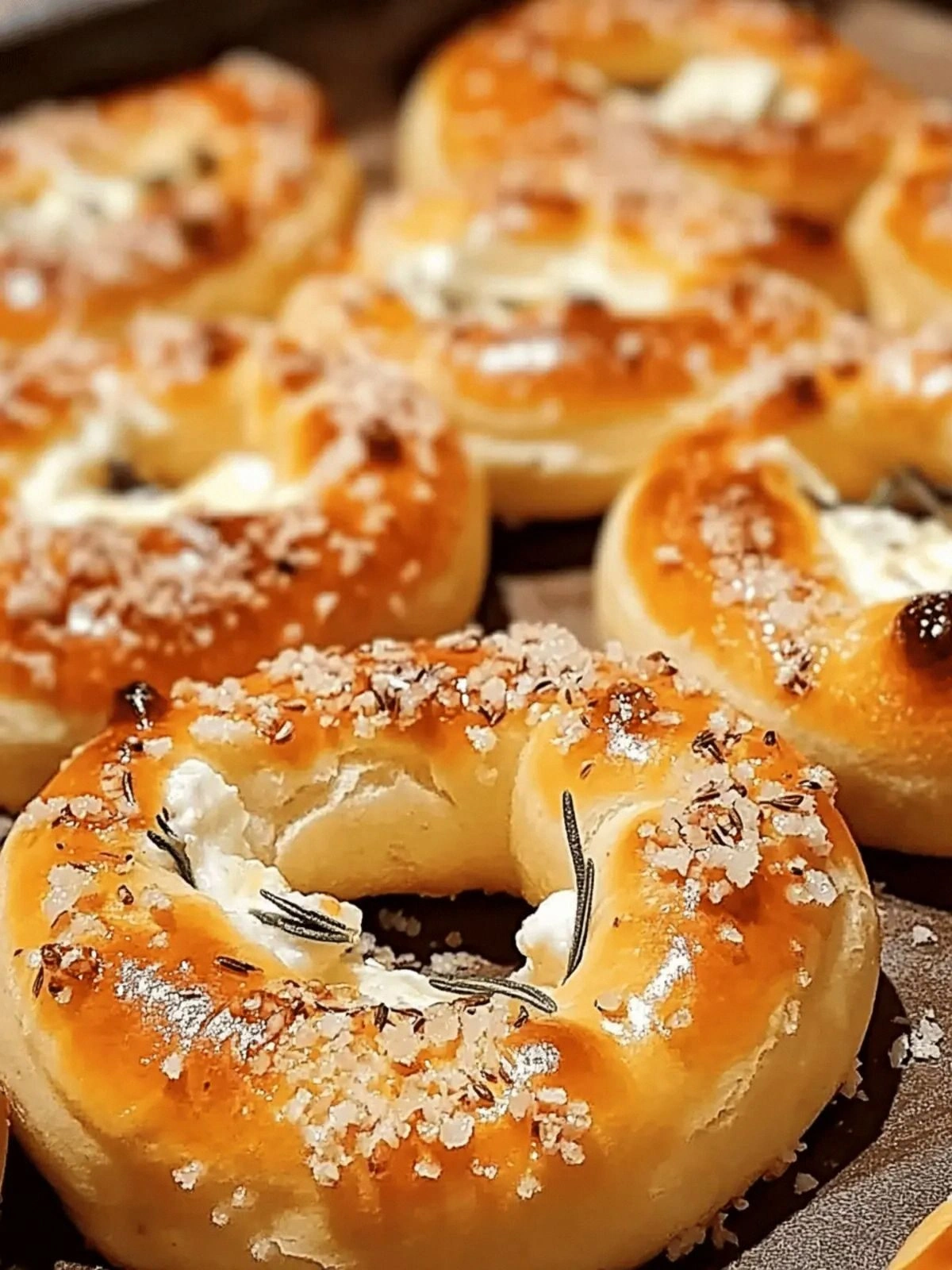
- Visual Appeal: The golden crust, speckled with rosemary leaves, gives the pretzels an artisan look that’s almost too pretty to eat—until you taste them.
- Ease of Prep: Despite the layers of flavor, the recipe requires only a few basic kitchen tools and a straightforward method that even novice bakers can master.
- Make‑Ahead Potential: The dough can be prepared a day in advance, proofed, and frozen, allowing you to pop them in the oven at a moment’s notice for a fresh batch.
- Crowd‑Pleaser: Whether served at a potluck, a movie night, or a holiday gathering, these pretzels command attention and receive rave reviews.
- Ingredient Quality: Using high‑quality butter, fresh rosemary, and real mozzarella sticks ensures that each bite is rich, authentic, and unforgettable.
Inside the Ingredient List
The Flavor Base
The foundation of any great dough starts with the yeast, sugar, and warm water. The 2 teaspoons of active dry yeast, when dissolved in the 1.5 cups of warm water, kickstarts the fermentation process, creating tiny bubbles that give the pretzels their airy interior. Sugar feeds the yeast, ensuring a robust rise, but be careful not to over‑sweeten; a tablespoon is just enough to get the yeast working. If you skip this step, the dough will be dense and flat, lacking that signature pretzel lift.
Adding a tablespoon of salt at this stage is crucial for flavor balance. Salt not only enhances the savory notes but also regulates yeast activity, preventing the dough from rising too quickly. Think of salt as a conductor in an orchestra—without it, the flavors would be dissonant. When selecting salt, opt for a fine sea salt; it dissolves evenly and doesn’t leave a gritty texture.
Fresh rosemary is the star of the show. Two tablespoons of finely chopped rosemary release essential oils that permeate the dough, giving each bite a fragrant, earthy undertone. If you can’t find fresh rosemary, dried rosemary is a fine substitute, but use half the amount because the flavor is more concentrated. Rosemary also adds a subtle bitterness that balances the richness of the butter and cheese.
The Texture Crew
Four and a half cups of all‑purpose flour are the backbone of the dough’s structure. The flour’s protein content provides gluten, which gives the pretzels their chewy texture. It’s important to measure the flour accurately—too much and the dough becomes dry; too little and it becomes sticky. A quick tip: use the spoon‑and‑level method for precision.
The butter, measured in four tablespoons, introduces a silky, buttery flavor and a glossy finish. When melted and folded into the dough, butter coats the flour, inhibiting gluten formation to a degree, which keeps the pretzels tender. If you’re vegan or lactose intolerant, a tablespoon of olive oil can substitute, but the flavor profile will shift slightly.
The mozzarella sticks, 12 in total, act as the molten center. They’re pre‑wrapped in the dough, ensuring even melting and preventing cheese from oozing out before baking. If you prefer a dairy‑free version, try using a plant‑based mozzarella or a cheese alternative that melts well. The sticks also create a fun, interactive element—kids love watching the cheese pull.
The Unexpected Star
Ten cups of water are used for the boiling bath, a classic pretzel technique that gelatinizes the starch on the surface, producing a chewy crust. The water is boiled with 2/3 cup of baking soda, which raises the pH and encourages the Maillard reaction during baking, giving the pretzels that deep, caramelized flavor. If you skip the soda, the pretzels will be pale and less flavorful.
The 1 large egg, beaten and brushed over the pretzels before baking, adds shine, a subtle richness, and helps the Parmesan adhere to the surface. This step is optional but highly recommended for a professional finish. If you’re avoiding eggs, a light spray of olive oil works as a substitute.
The Final Flourish
Grated Parmesan cheese, one cup, is folded into the dough, giving the pretzels a nutty, umami kick that’s both aromatic and savory. The cheese also contributes to the golden crust, as the fats in the Parmesan melt and brown during baking. If you prefer a sharper flavor, try using a blend of Parmesan and Pecorino.
Coarse sea salt, to taste, is sprinkled on top after baking. This final touch adds a burst of crunch and elevates the overall flavor. Be generous, but don’t over‑salt; the pretzels are already seasoned. A pinch of pepper can also add a subtle heat that complements the rosemary.
Everything’s prepped? Good. Let’s get into the real action...
The Method — Step by Step
- Activate the Yeast: In a large mixing bowl, combine the warm water, sugar, and active dry yeast. Stir gently until the yeast dissolves and a foamy layer forms on top, indicating activation. Let the mixture sit for 5 minutes; it should develop a light froth. If it doesn’t froth, the yeast may be dead, and you’ll need to start over. This step is the foundation of the dough’s rise.
- Mix Dry Ingredients: In a separate bowl, whisk together the flour, salt, and chopped rosemary. The rosemary should be evenly distributed to avoid clumps. This dry blend ensures that every bite has a hint of herbaceous flavor. Keep the mixture aside while the yeast activates.
- Combine Wet and Dry: Pour the activated yeast mixture into the dry ingredients. Stir with a wooden spoon until a shaggy dough forms. The dough will be slightly sticky; that’s normal. Knead in the melted butter and the grated Parmesan, folding them into the dough until fully incorporated. The dough should start to pull away from the bowl’s sides.
- Knead the Dough: Transfer the dough to a lightly floured surface and knead for 8–10 minutes, or until it becomes smooth and elastic. You’ll notice a subtle sheen and a springy texture. This process develops gluten, giving the pretzels their chewy bite. If the dough feels too sticky, dust with a small amount of flour, but avoid over‑flouring.
- First Rise: Place the dough in a greased bowl, cover with a damp cloth, and let it rise in a warm spot for 1 hour, or until doubled in size. The dough should feel airy and slightly puffy. If the room is cool, you can place the bowl near a radiator or in a slightly warmed oven.
- Shape the Pretzels: Punch down the dough to release excess air. Divide it into 12 equal portions. Roll each portion into a long rope, about 12 inches long. Wrap a mozzarella stick in the center of each rope, then fold the dough over to enclose the cheese completely. Pinch the ends to seal, forming a classic pretzel shape. This step requires a steady hand to ensure even wrapping.
- Second Rise: Place the shaped pretzels on a parchment‑lined tray, leaving space between them. Cover loosely with a kitchen towel and let them rise for 30 minutes. The dough will puff slightly, creating a lighter interior.
- Prepare the Boiling Bath: While the pretzels rise, bring 10 cups of water to a rolling boil in a large pot. Add 2/3 cup of baking soda carefully, as it will fizz. Stir to dissolve the soda fully. The soda raises the pH of the water, promoting browning during baking.
- Boil the Pretzels: Gently slide each pretzel into the boiling bath, 2–3 at a time, for 30 seconds. Use a slotted spoon to turn them halfway through the boil. The brief boil gelatinizes the surface starch, giving the pretzels a chewy crust. After boiling, remove the pretzels with a slotted spoon and place them back on the tray.
- Brush with Egg Wash: Beat the large egg with a splash of water to create an egg wash. Brush the surface of each pretzel lightly, ensuring an even coating. This step adds shine and helps the Parmesan adhere during baking.
- Bake to Perfection: Preheat the oven to 425°F (220°C). Place the tray in the oven and bake for 15–18 minutes, or until the pretzels are golden brown and the cheese is bubbling. The surface should be slightly crisp, while the interior remains soft and chewy. Remove from the oven and let cool for 5 minutes before sprinkling coarse sea salt. Serve warm for the best experience.
That's it — you did it. But hold on, I've got a few more tricks that'll take this to another level...
Insider Tricks for Flawless Results
The Temperature Rule Nobody Follows
Many bakers assume room temperature is enough for dough to rise, but a warm environment accelerates yeast activity dramatically. Aim for a 75°F (24°C) room; if your kitchen is cooler, place the dough near a warm appliance or use a low oven setting (around 200°F) to create a gentle heat source. This subtle temperature tweak ensures a consistent rise and a lighter crumb.
Why Your Nose Knows Best
Before baking, give the dough a quick sniff. A sweet, yeasty aroma indicates proper fermentation. If the scent is flat or sour, the dough may need more time to rise or a fresh batch of yeast. Trusting your nose can save you from under‑baked pretzels.
The 5-Minute Rest That Changes Everything
After boiling, let the pretzels rest for 5 minutes before brushing with egg wash. This pause allows the surface to cool slightly, preventing the egg wash from scrambling and ensuring a crisp, even crust. It also gives the cheese a moment to settle, reducing the risk of leaks.
Keep It Moist, Not Dry
When you’re shaping the pretzels, lightly dust the surface with flour to prevent sticking, but avoid over‑flouring. A flour‑heavy surface will absorb the moisture from the dough, leading to a dry crumb. A light dusting keeps the dough tacky enough to hold shape without compromising texture.
Seal the Edges, Seal the Flavor
The final pinch of the pretzel ends should be firm but not tight. A loose seal allows steam to escape, creating a chewy interior, while a tight seal traps moisture, making the pretzel soggy. Practice a gentle pinch to achieve the ideal balance.
Use a Baking Sheet with a Wire Rack
Placing the pretzels on a wire rack set over a baking sheet allows air to circulate around the dough, ensuring even browning. If you don’t have a rack, a parchment‑lined sheet works, but the bottom may brown unevenly.
Creative Twists and Variations
This recipe is a playground. Here are some of my favorite ways to switch things up:
Garlic Parmesan Pretzels
Swap the rosemary for minced garlic and add a pinch of dried oregano. The garlic gives a robust, savory kick, while oregano adds a subtle herbal note. These pretzels pair wonderfully with a creamy garlic dip.
Spicy Jalapeño Pretzels
Incorporate finely chopped jalapeños into the dough and sprinkle crushed red pepper flakes on top before baking. The heat complements the richness of the cheese, creating a fiery snack that’s perfect for game nights.
Vegan Cheese Pretzels
Use a vegan mozzarella alternative and a plant‑based Parmesan substitute. The texture remains gooey, and the flavor profile stays authentic. This version is great for guests with dietary restrictions.
Sun-Dried Tomato Pretzels
Fold finely chopped sun‑dried tomatoes into the dough and add a dash of basil. The tomatoes lend a sweet, umami burst that pairs beautifully with the buttery crust.
Chocolate Pretzels
Replace the mozzarella with a block of dark chocolate and add a sprinkle of sea salt on top. The contrast between salty crust and rich chocolate makes for a decadent treat.
Herb Blend Pretzels
Mix rosemary with thyme, oregano, and basil to create a complex herb bouquet. This blend adds depth and sophistication, turning the pretzels into a gourmet snack.
Storing and Bringing It Back to Life
Fridge Storage
Store cooled pretzels in an airtight container at room temperature for up to 3 days. The airtight seal prevents the crust from drying out. If you notice the pretzels becoming soggy, reheat them in a 350°F oven for 5 minutes to restore crispness.
Freezer Friendly
Wrap each pretzel individually in plastic wrap, then place them in a freezer bag. They stay fresh for up to 3 months. When ready to eat, thaw at room temperature for 30 minutes, then bake at 425°F for 10 minutes to revive the texture.
Best Reheating Method
To reheat, preheat your oven to 425°F. Place the pretzels on a baking sheet and bake for 8–10 minutes, or until the cheese is bubbling and the crust is golden. Add a tiny splash of water to the baking sheet before reheating; the steam keeps the pretzels from drying out, delivering the same melt‑in‑your-mouth experience.