It started with a kitchen disaster that felt like a betrayal. I had been chasing that elusive golden crust on a humble eggplant slice, but the first attempt turned into a greasy, soggy mess that clung to the pan like a bad memory. My friend, a self‑proclaimed culinary daredevil, shouted, “I dare you to taste this and not go back for seconds,” and I laughed, thinking it was just another joke. The next day, I found myself rummaging through the pantry for a way to turn that failure into something spectacular. That night, after a few experimental bites, I realized the secret was in the combination of rosemary‑infused honey and a light, airy coating that would make the eggplant sing.
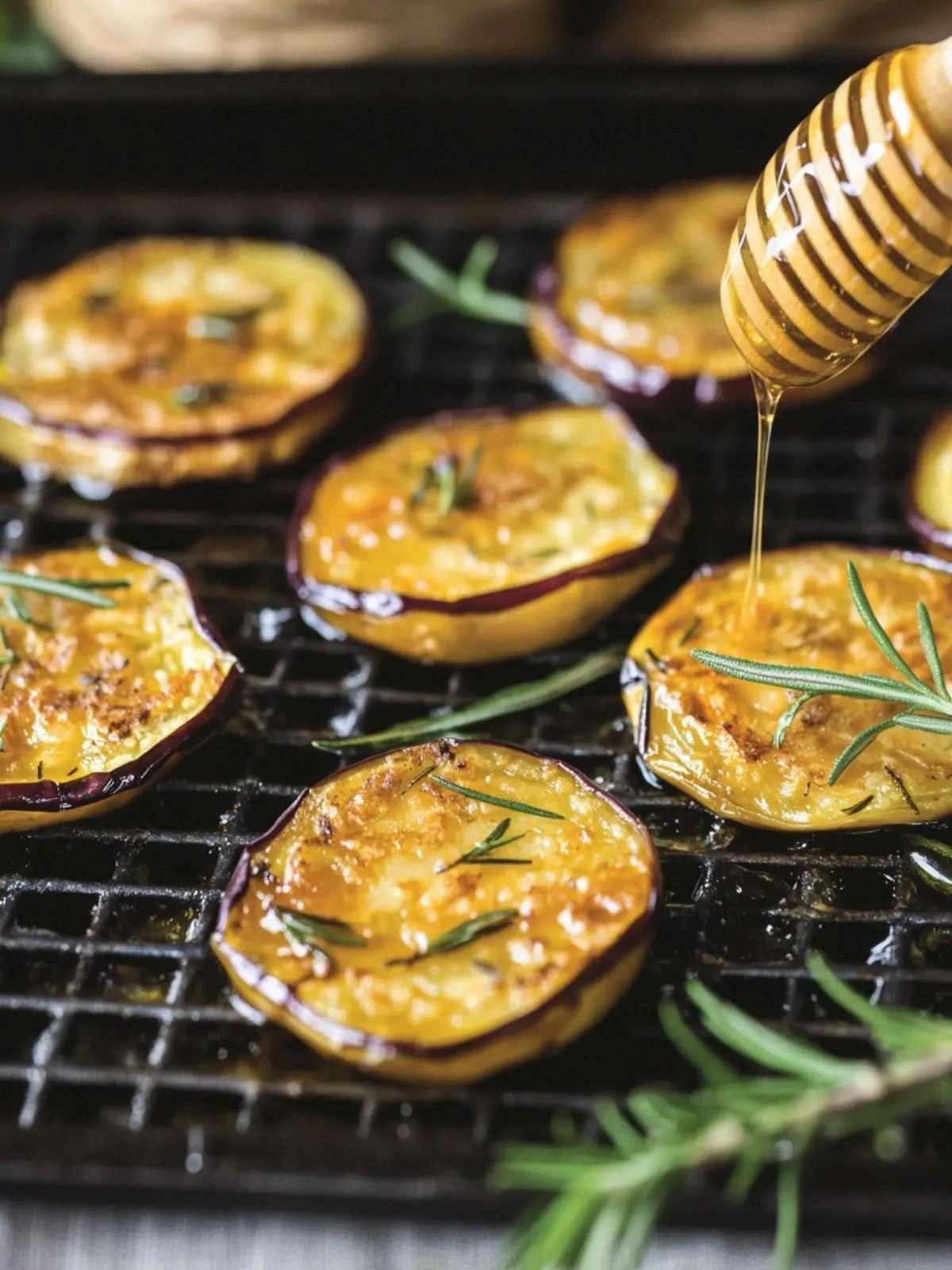
Picture this: the eggplant, sliced into thick, even discs, sits on a sizzling skillet. The air is thick with the scent of fresh rosemary, the sweet, syrupy aroma of honey, and the faint metallic tang of the vegetable oil. As the slices hit the pan, a gentle pop erupts, and the surface begins to caramelize, turning a deep amber that promises crunch. The sound is a soft crackle, like a gentle applause for a well‑deserved performance. The first bite is a burst of sweet, herbaceous flavor that lingers, followed by a satisfying crunch that shatters like thin ice, revealing a tender, creamy center.
This version stands out because it marries the unexpected sweetness of honey with the earthy depth of rosemary, creating a flavor profile that feels both comforting and adventurous. The coating is not just a batter; it’s a delicate, almost translucent glaze that clings to every curve, giving the eggplant a luxurious, almost velvety texture. The result is a dish that feels like a culinary revelation—every bite is a new discovery. The balance of flavors is precise, with no single element overpowering the others, making it an ideal centerpiece for any dinner or a standout appetizer that will have guests asking for the recipe.
What sets this apart from the countless other fried eggplant recipes you’ll find online is the technique of lightly dusting the slices in milk before coating them in flour. This simple step gives the batter a silky sheen and a subtle richness that the typical dry batter lacks. The honey‑rosemary glaze is brushed on at the very end, just before serving, so it stays glossy and adds a final burst of flavor. If you’ve ever tried fried eggplant and felt it was too bland or too greasy, this version will change your perception forever.
Let me walk you through every single step — by the end, you’ll wonder how you ever made it any other way.
What Makes This Version Stand Out
- Taste: The sweet, herbaceous glaze is the star of the show. The honey caramelizes just enough to give a subtle crunch, while the rosemary adds an aromatic depth that lingers on the palate. The result is a harmonious blend that feels both familiar and exciting.
- Texture: The coating is light and airy, not heavy or greasy. The eggplant stays moist inside, with a crisp, golden exterior that offers a satisfying bite. The glaze adds a glossy finish that makes each slice look as good as it tastes.
- Simple Technique: A quick milk soak, a light flour dust, and a single pan fry make this dish approachable for any cook. No complicated steps, no fancy equipment. Just a few ingredients and a steady hand.
- Uniqueness: The honey‑rosemary glaze is an unexpected twist that elevates the dish beyond the usual fried vegetable. It’s a flavor combination that you won’t find in standard recipes, giving this dish a distinct identity.
- Crowd Reaction: Guests will be impressed by the glossy finish and the sweet‑savory balance. They’ll keep asking how you made it, and you’ll have the perfect opportunity to share your secret.
- Ingredient Quality: Using fresh rosemary and high‑quality honey transforms the dish from ordinary to extraordinary. The quality of the ingredients directly impacts the final flavor profile.
- Cooking Method: The single‑pan approach saves time and cleanup. The quick fry locks in moisture and flavor, ensuring each bite is perfect.
- Make‑Ahead Potential: The glazed slices can be prepared ahead and reheated, retaining their crispness and flavor. This makes the dish ideal for entertaining or for a quick weeknight dinner.
Inside the Ingredient List
The Flavor Base
Whole milk is the unsung hero that gives the batter a silky sheen and a subtle richness. It also helps the flour adhere evenly, preventing clumps. Skipping the milk would result in a drier coating that doesn’t hold the glaze as well. If you’re lactose intolerant, a plant‑based milk works fine, but choose one with a neutral flavor to avoid altering the taste.
The Texture Crew
All‑purpose flour is the backbone of the coating. It’s light enough to keep the eggplant tender but robust enough to form a crisp crust. Using a heavier flour like bread flour would make the coating too dense, while a fine‑powdered cake flour would not hold up to the frying process. If you prefer a gluten‑free version, a 1:1 blend of rice flour and cornstarch can substitute effectively.
The Unexpected Star
Pure honey is the sweet counterpoint that caramelizes to a golden glaze. The natural sugars create a glossy finish that’s almost irresistible. If you want a more intense sweetness, choose a darker honey variety; for a milder touch, a lighter honey will do the trick. Avoid honey that’s overly thick or overly light, as the texture and flavor will shift dramatically.
The Final Flourish
Fresh rosemary sprigs add an aromatic, earthy note that complements the honey’s sweetness. The leaves are chopped finely to release their oils, which infuse the glaze. If you can’t find rosemary, a pinch of dried thyme can work, though the flavor profile will be slightly different. The number of leaves matters; too few and the herb’s presence will be faint, too many and it’ll overpower the delicate balance.
Everything's prepped? Good. Let's get into the real action...
The Method — Step by Step
- Start by selecting a medium eggplant that feels firm and has a smooth skin. Slice it into 1/2‑inch thick discs, ensuring each slice is evenly thick so they cook uniformly. Place the slices on a clean kitchen towel to absorb excess moisture; this step prevents the batter from becoming soggy. While the eggplant rests, prepare a shallow dish of whole milk to soak the slices later. The milk will act as a binding agent, giving the coating a silky texture.
- In a separate bowl, combine the all‑purpose flour with a pinch of kosher salt. Use a whisk to blend them thoroughly, creating a fine, even mixture that will coat the eggplant without clumping. The salt is essential for flavoring, but keep it minimal to avoid overpowering the honey glaze.
- Dip each eggplant disc into the milk, letting it soak for about 30 seconds. The milk should coat the surface but not soak through; you don’t want the eggplant to become soggy. After soaking, shake off any excess liquid, then roll the disc in the flour mixture until it’s fully coated. The flour should clump lightly on the surface, forming a thin shell that will crisp up in the pan.
- Heat a generous amount of vegetable oil in a large skillet over medium‑high heat. To test if the oil is ready, drop a small pinch of flour into it; if it sizzles immediately and starts to brown, the oil is at the perfect temperature. When the oil is hot, carefully place the coated eggplant discs in the pan, leaving enough space between each slice to avoid overcrowding.
- Let the eggplant fry for about 3–4 minutes on the first side, until it develops a golden brown crust and releases easily from the pan. Flip the slices gently with a spatula, and continue frying for another 2–3 minutes on the other side. The goal is a crisp exterior with a tender, moist interior. Watch the edges; they should start pulling away from the pan when they’re ready to flip.
- Once both sides are cooked, transfer the slices to a paper‑towel‑lined plate to drain any excess oil. This step ensures the final dish isn’t greasy. While the slices are still hot, sprinkle them with freshly chopped rosemary leaves, allowing the herb’s oils to bloom in the residual heat.
- In a small saucepan, combine the honey with a splash of warm water to thin it slightly, making it easier to brush onto the eggplant. Heat the mixture over low heat, stirring constantly until it reaches a syrupy consistency. The glaze should coat the back of a spoon but not be so runny that it drips off.
- Using a pastry brush, drizzle the honey‑rosemary glaze over each fried slice. The glaze should coat the surface evenly, creating a glossy sheen that catches the light. Allow the glaze to set for a minute or two, so it caramelizes slightly and adheres to the crust.
- Serve the slices immediately, garnished with an extra rosemary sprig for a fresh aroma. The dish is best enjoyed hot, when the glaze is still slightly tacky and the crunch is at its peak. Pair it with a simple green salad or a light vinaigrette to balance the sweetness.
- If you’re preparing ahead, let the glazed slices cool completely, then refrigerate in an airtight container. When ready to serve, reheat in a hot skillet or oven at 375°F for about 5 minutes to restore crispness. The glaze will remain glossy, and the eggplant will stay tender.
That's it — you did it. But hold on, I've got a few more tricks that'll take this to another level...
Insider Tricks for Flawless Results
The Temperature Rule Nobody Follows
Many cooks think any medium heat will do, but the secret is to maintain a steady 350°F (175°C). If the oil is too hot, the coating will brown too quickly, leaving the inside raw. If it’s too cool, the eggplant will absorb excess oil, becoming greasy. Use a kitchen thermometer or test with a small piece of bread; it should sizzle and brown within 30 seconds.
Why Your Nose Knows Best
Smell is your best ally during frying. When the eggplant starts to caramelize, the aroma will shift from raw to toasted. If the scent feels flat or burnt, adjust the heat. A faint, sweet smell indicates the honey glaze is working; a sharp, acrid smell means you’re overcooking.
The 5‑Minute Rest That Changes Everything
After frying, let the slices rest on a wire rack for 5 minutes. This allows excess oil to drip off and the crust to firm up. Skipping this step often results in a soggy finish that undermines the crisp texture you’re aiming for.
Use Fresh Honey, Not Syrup
Honey is a natural sweetener that adds depth and a subtle floral note. Avoid using a syrup or artificial sweetener, which will make the glaze runny and bland. If you’re on a budget, a small amount of maple syrup can substitute, but the flavor will shift noticeably.
Chop Rosemary Finely
Finely chopped rosemary releases more essential oils, enhancing the glaze’s aroma. A coarse chop will leave larger bits that can be missed in the final bite. Use a sharp knife and a small cutting board to get the perfect chop.
Creative Twists and Variations
This recipe is a playground. Here are some of my favorite ways to switch things up:
Smoky Maple Glaze
Swap the honey for maple syrup and add a dash of smoked paprika to the glaze. The result is a sweet, smoky flavor that pairs beautifully with the earthy eggplant.
Spicy Sriracha Drizzle
Mix a tablespoon of sriracha into the honey glaze for a fiery kick. The heat balances the sweetness and adds a bold contrast.
Herb‑Infused Olive Oil
Replace the vegetable oil with extra‑virgin olive oil and infuse it with rosemary and thyme before frying. The oil will carry the herb flavors into every bite.
Cheesy Parmesan Finish
After glazing, sprinkle grated Parmesan over the hot slices and let it melt slightly. The cheese adds a savory depth that complements the sweet glaze.
Vegetarian Protein Boost
Serve the fried eggplant with a side of chickpea salad or a quinoa pilaf. The protein addition turns the dish into a complete meal.
Storing and Bringing It Back to Life
Fridge Storage
Store the cooled, glazed slices in an airtight container in the refrigerator for up to 3 days. Keep them on a paper towel to absorb excess moisture and maintain crispness.
Freezer Friendly
Flash‑freeze the slices on a parchment‑lined tray before transferring them to a freezer bag. They stay fresh for up to 2 months and can be reheated directly from frozen.
Best Reheating Method
Reheat in a hot skillet over medium heat for 3–4 minutes, or in the oven at 375°F for 5 minutes. Add a splash of water before reheating to steam the slices back to perfection and preserve the glaze’s sheen.