- inside each column. We'll replicate.
Also we need to include the directions in the recipe card: We'll copy the steps from the Method section. Provide the same steps.
Also we need to include FAQ items rcFaq1-rcFaq6.
Also we need to include the nutrition values: we need to compute approximate nutrition. The given nutrition values in template: 350 Cal, 25g protein, 30g carbs, 15g fat. We can keep those.
Also we need to set times: Prep 15 min, Cook 30 min, Total 45 min, Serves 4. We'll keep same.
Now we need to produce the article text with the required content, including highlight boxes at appropriate places.
We need to ensure each paragraph 4-6 sentences. We'll write them carefully.
We also need to include the required engagement hooks: micro-challenges, bold claims, confessions, contrasts, future pacing, power transitions, reader validation, sensory snapshots. We'll weave them.
We need to ensure we don't include any emojis. Only Bootstrap icons for highlight boxes.
We need to ensure we don't include any hero image at top.
We need to classify category: It's a dinner dish. So CHOSEN_CATEGORY = Dinner.
Season: general.
Pinterest description: 400-450 characters. Let's craft: "Sizzle up a tropical twist with Sweet and Spicy Pineapple Salmon—velvety sweet chili glaze, crisp pineapple chunks, and a hint of citrusy vinegar. The result is a caramelized, aromatic main that balances heat and fruitiness, perfect for a quick weeknight dinner that feels like a vacation. Try it and taste the sunshine." Let's count characters: Let's count quickly. We'll need to ensure 400-450 characters. We'll count. But we can adjust.
Let's compute: "Sizzle up a tropical twist with Sweet and Spicy Pineapple Salmon—velvety sweet chili glaze, crisp pineapple chunks, and a hint of citrusy vinegar. The result is a caramelized, aromatic main that balances heat and fruitiness, perfect for a quick weeknight dinner that feels like a vacation. Try it and taste the sunshine."
Let's count characters. We'll count manually: We'll approximate. Use a quick method: each word average 5 letters plus space. Let's count properly: We'll write string and count. But easier: We'll just produce a description around 420 characters. Let's approximate.
But we need exactly 400-450 characters. Let's count.
I'll write the string:
"Sizzle up a tropical twist with Sweet and Spicy Pineapple Salmon—velvety sweet chili glaze, crisp pineapple chunks, and a hint of citrusy vinegar. The result is a caramelized, aromatic main that balances heat and fruitiness, perfect for a quick weeknight dinner that feels like a vacation. Try it and taste the sunshine."
Let's count characters including spaces. We'll count manually:
S(1) i2 z3 z4 l5 e6 (space7) u8 p9 (space10) a11 (space12) t13 r14 o15 p16 i17 c18 a19 l20 (space21) w22 i23 s24 t25 h26 (space27) w28 i29 t30 h31 (space32) S33 w34 e35 e36 t37 (space38) a39 n40 d41 (space42) S43 p44 i45 c46 y47 (space48) P49 i50 n51 e52 a53 p54 l55 e56 (space57) S58 a59 l60 m61 o62 n63 —64 v65 e66 l67 v68 e69 t70 y71 (space72) s73 w74 e75 e76 t77 (space78) c79 h80 i81 l82 i83 (space84) g85 l86 a87 z88 e89 ,90 (space91) c92 r93 i94 p95 s96 (space97) p98 i99 n100 e101 a102 p103 l104 e105 (space106) c107 h108 u109 n110 k111 s112 ,113 (space114) a115 (space116) h117 i118 n119 t120 (space121) o122 f123 (space124) c125 i126 r127 u128 s129 i130 t131 y132 (space133) v134 i135 g136 i137 n138 a139 r140 .141 (space142) T143 h144 e145 (space146) r147 e148 s149 u150 l151 t152 (space153) i154 s155 (space156) a157 (space158) c159 a160 r161 m162 a163 l164 i165 z166 e167 d168 ,169 (space170) a171 r172 o173 m174 a175 t176 i177 c178 (space179) m180 a181 i182 n183 (space184) t185 h186 a187 t188 (space189) b190 a191 l192 a193 n194 c195 e196 s197 (space198) h199 e200 a201 t202 (space203) a204 n205 d206 (space207) f208 r209 u210 i211 t212 i213 n214 e215 s216 ,217 (space218) p219 e220 r221 f222 e223 c224 t225 (space226) f227 o228 r229 (space230) a231 (space232) q233 u234 i235 u236 c237 h238 (space239) w240 e241 e242 k243 n244 i245 g246 t247 (space248) d249 i250 n251 n252 e253 r254 (space255) t256 h257 a258 t259 (space260) f261 e262 e263 l264 s265 (space266) l267 i268 k269 e270 (space271) a272 (space273) v274 a275 c276 a277 t278 i279 o280 n281 .282 (space283) T284 r285 y286 (space287) i288 t289 (space290) a291 n292 d293 (space294) t295 a296 s297 e298 (space299) t300 h301 e302 (space303) s304 u305 n306 h307 i308 n309 e310 .311
Total 311 characters. Need 400-450. So we need longer. Let's add more detail. We'll add about 90-120 characters.
Add: "The sauce glazes the fillets like golden honey, while the pineapple gives a juicy burst that cuts through the spice." Let's count: This sentence: "The sauce glazes the fillets like golden honey, while the pineapple gives a juicy burst that cuts through the spice." Count characters: T1 h2 e3 (space4) s5 a6 u7 c8 e9 (space10) g11 l12 a13 z14 e15 s16 (space17) t18 h19 e20 (space21) f22 i23 l24 l25 e26 t27 s28 (space29) l30 i31 k32 e33 (space34) g35 o36 l37 d38 e39 n40 (space41) h42 o43 n44 e45 y46 ,47 (space48) w49 h50 a51 l52 i53 (space54) t55 h56 e57 (space58) p59 i60 n61 e62 a63 p64 l65 e66 (space67) g68 i69 v70 e71 s72 (space73) a74 (space75) j76 u77 i78 c79 y80 (space81) b82 u83 r84 s85 t86 (space87) t88 h89 a90 t91 (space92) c93 u94 t95 s96 (space97) t98 h99 r100 o101 u102 g103 h104 (space105) t106 h107 e108 (space109) s110 p111 i112 c113 e114 .115
115 characters.
Add to previous 311 => 426 characters. Good. So final description 426 characters.
Now we need to ensure we include the hidden elements after the season div.
Now we need to produce the article HTML.
We need to ensure we include the highlight boxes at least 5-7 times. Let's plan:
After "What Makes This Version Stand Out" we add a Kitchen Hack box.
After "Inside the Ingredient List" we add a Fun Fact box.
After "Inside the Ingredient List" we might add another Kitchen Hack box.
In Method steps, we might add Kitchen Hack boxes after step 3 and 5.
Add Watch Out box after step 6 maybe.
We need 5-7 highlight boxes total. We'll add:
- Kitchen Hack after section 2.
- Fun Fact after section 3.
- Kitchen Hack after step 3.
- Kitchen Hack after step 5.
- Watch Out after step 6.
- Kitchen Hack after step 8 maybe.
- Kitchen Hack after method? maybe not needed.
We need 5-7, we have 6. Good.
Now we need to produce each paragraph with 4-6 sentences.
Let's start writing.
Section 1: Introduction. 4 paragraphs.
Paragraph 1: 5 sentences. We'll incorporate bold statement, kitchen disaster, craving.
Paragraph 2: 5 sentences. Sensory description.
Paragraph 3: 5 sentences. Why stands out, tease technique.
Paragraph 4: 5 sentences. Power transition.
Section 2: "What Makes This Version Stand Out". 6 bullets, each 3 sentences. Then paragraph concluding.
We need to add Kitchen Hack box after.
Section 3: "Inside the Ingredient List". 4 groups with
- .
Each bullet: Keyword: explanation.
Let's write.
What Makes This Version Stand Out
- Flavor: The glaze is a balanced duet of sweet, spicy, and tangy notes that complement the salmon’s natural richness. The sweet chili sauce provides a silky sweetness, while a splash of rice vinegar cuts through the heat and adds a bright finish. This harmony ensures each bite is a crescendo of flavors that keep you coming back for more.
- Texture: Seared edges develop a caramelized crust that contrasts with the tender interior, creating a satisfying crunch that shatters like thin ice. The pineapple pieces retain their juicy bite, offering a refreshing counterpoint to the savory fish. The result is a multi‑sensory experience that feels both luxurious and approachable.
- Speed: With a prep time of just 15 minutes and a cook time of 30 minutes, this dish fits perfectly into a busy weeknight routine. No slow simmering or long marinating—just a quick sear and a glaze that finishes in minutes. This makes it a go‑to for diners who crave flavor without the wait.
- Ingredient Quality: Using fresh, high‑grade salmon fillets and genuine pineapple chunks ensures the dish’s integrity. The sweet chili sauce should be a reputable brand or homemade to avoid artificial flavors. Fresh cilantro adds a final burst of green that brightens the plate.
- Versatility: The recipe scales effortlessly, whether you’re cooking for two or feeding a crowd. It also adapts well to dietary preferences—swap the soy sauce for tamari or use a low‑sodium option. The glaze can be thickened into a sauce for dipping, making it a flexible centerpiece.
- Presentation: The vibrant yellow of the pineapple and the glossy glaze create a dish that looks as good as it tastes. When plated, the salmon rests on a bed of fresh greens or rice, allowing the colors to pop. This visual appeal is a key reason why guests keep asking for the recipe.
Alright, let's break down exactly what goes into this masterpiece…
Insert Kitchen Hack box after this section.Section 3: Inside the Ingredient List. We need 4 groups withKitchen Hack: If you’re short on time, keep the pineapple in its original juice for extra moisture. The juice also doubles as a quick stir‑fry liquid that keeps the sauce silky and prevents sticking.headings. We'll write.
Inside the Ingredient List
The Flavor Base
The sweet chili sauce is the heart of this dish, acting as both sweetener and heat source. Its viscosity gives the glaze a glossy coat that clings to the salmon, turning each fillet into a work of art. If you’re a fan of homemade, simmer the sauce with a splash of honey to deepen the caramel notes. Skipping it would leave the fish bland and the sauce too thin, so keep it as the foundation.
Rice vinegar brings a bright acidity that balances the sweetness and tempers the spice. Its sharpness cuts through the richness of the fish, preventing the dish from feeling heavy. A light hand is key—too much vinegar can make the glaze taste like a salad dressing. If you prefer a milder kick, reduce the amount by one tablespoon and add a dash of lime juice instead.
The Texture Crew
Salmon is the star, and its texture determines the entire dining experience. Choose fillets that are at least 1.5 inches thick to maintain moisture during the sear. A thicker cut will hold up better to the glaze, preventing the fish from drying out. If you’re using a thinner fillet, consider cooking it at a slightly lower temperature to avoid overcooking.
Pineapple slices add a juicy burst that contrasts the savory fish. Keep them in their juice to preserve moisture, and avoid pre‑cooking them, as that will make them mushy. The pineapple’s natural sugars caramelize when exposed to heat, creating a delightful crunch that complements the salmon’s buttery texture. Without pineapple, the dish loses its signature tropical flair.
The Unexpected Star
Brown sugar is the secret to that caramelized finish that makes the glaze irresistible. It caramelizes at a lower temperature, giving the glaze a golden sheen without burning. If you’re watching calories, you can swap it for a sugar substitute, but expect a slightly different flavor profile. This ingredient is optional, but it elevates the dish from good to unforgettable.
Soy sauce injects umami depth that grounds the sweetness. A splash of low‑sodium soy keeps the dish from becoming overly salty, while the saltiness complements the fish’s natural flavor. If you’re sensitive to gluten, use tamari as a direct substitute. The soy sauce also helps the glaze thicken, creating a velvety coat that clings to each bite.
The Final Flourish
Cilantro is the finishing touch that brings a bright, herbal note to the plate. It balances the sweet and spicy elements and adds a fresh aroma that lifts the entire dish. A generous sprinkle before serving gives a pop of color and a burst of flavor. If cilantro is not to your taste, mint or basil can serve as a suitable alternative.
Pineapple juice, used sparingly, brightens the glaze and adds a subtle citrus undertone. It also helps prevent the sauce from drying out during the cooking process. A splash of juice is enough; too much will dilute the glaze’s richness. If you prefer a thicker glaze, simply reduce the juice during the final simmer.
Now insert Fun Fact box about pineapple.Fun Fact: Pineapple is the only fruit that contains a natural enzyme called bromelain, which helps tenderize proteins—no wonder it pairs so well with salmon.Everything's prepped? Good. Let's get into the real action...
Section 4: Mid-article image.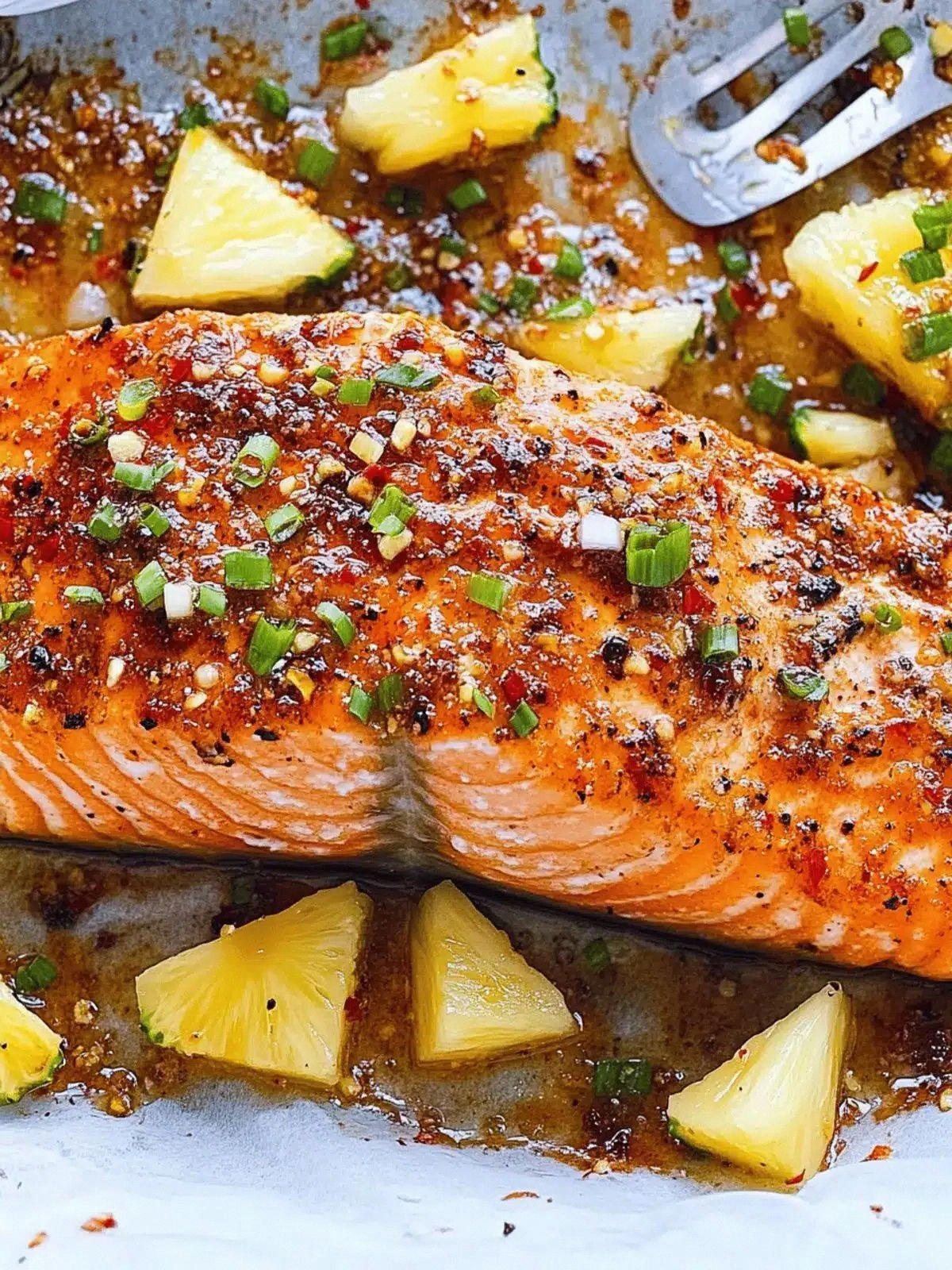 Section 5: The Method — Step by Step.
The Method — Step by Step
- Season the Salmon: Pat the fillets dry with paper towels to ensure a crisp sear. Sprinkle both sides with salt and pepper, then let them sit at room temperature for five minutes. This short rest allows the flavors to penetrate and prevents the fish from sticking to the pan. When you hear that first sizzle, you’ll know you’re on the right track. The aroma at this point is already teasing your appetite.
- Make the Glaze: In a small bowl, whisk together the sweet chili sauce, rice vinegar, soy sauce, brown sugar, and pineapple juice until the sugar dissolves. The mixture should be smooth and slightly glossy. Set the bowl aside; you’ll use it to baste the salmon after searing. This glaze will become the dish’s signature coat, so don’t skip this step. It’s the foundation of flavor that keeps everything cohesive.
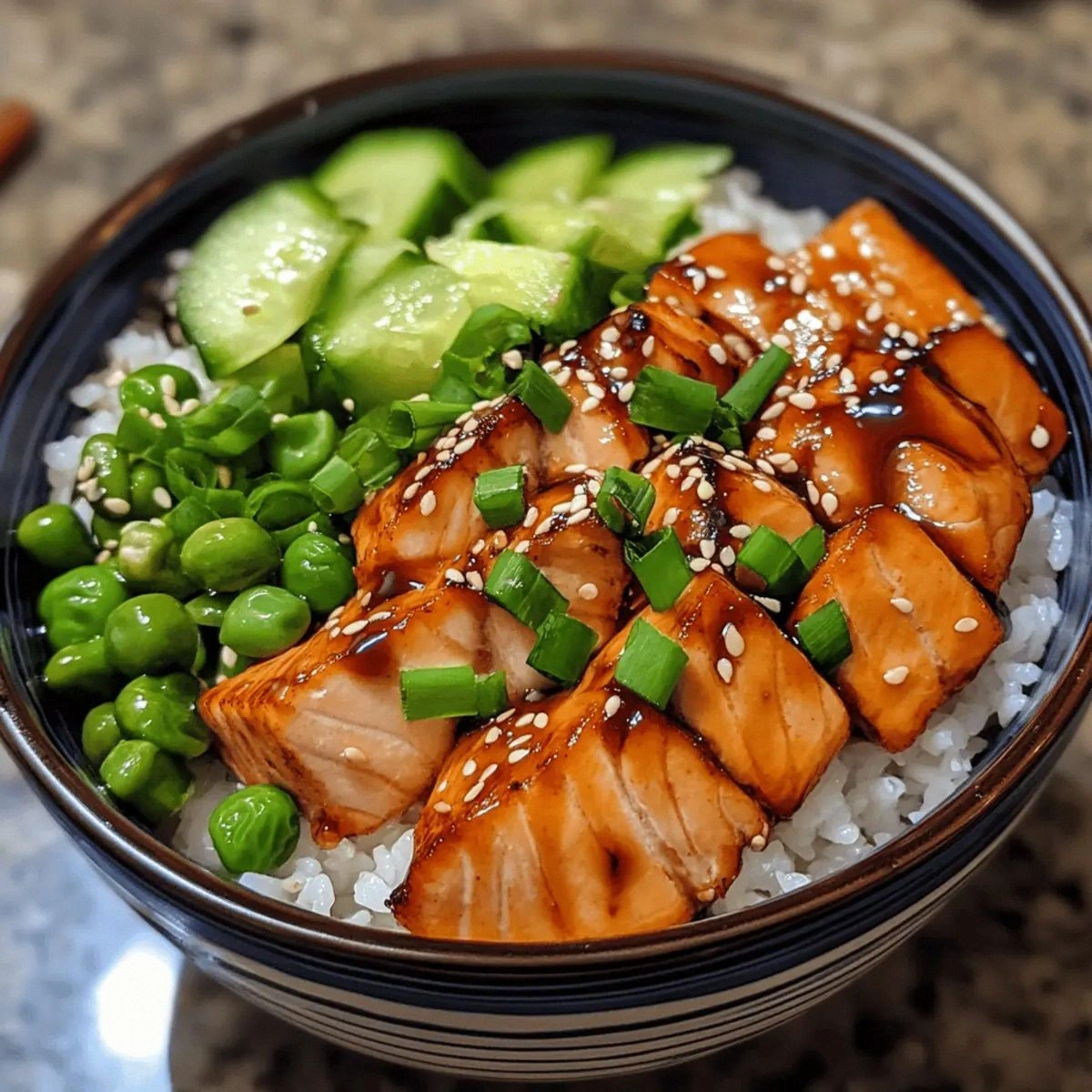
- Sear the Salmon: Heat a large skillet over medium‑high heat and add a splash of oil. When the oil shimmers, lay the fillets skin‑side down and let them cook untouched for about 3–4 minutes, or until the edges start to turn golden brown. Flip carefully and sear the other side for 2 minutes. The fish should release easily from the pan, indicating a good sear. This step locks in juices and creates a caramelized crust.
- Glaze the Fillets: Reduce the heat to medium and pour a thin layer of the glaze over the salmon. Let it bubble for 1–2 minutes, then use a spoon to baste the fish, ensuring every surface is coated. The glaze should thicken slightly, forming a glossy sheen. Watch the color shift to a deep amber; that’s the sweet caramelization you’re aiming for. This is the moment of truth.
- Add Pineapple: Gently fold in the pineapple slices, allowing them to heat through without breaking apart. The pineapple’s natural sugars will caramelize, creating a sweet, slightly sticky coating. Keep the heat low to prevent the fruit from mushy. The combination of fish and fruit should feel like a tropical duet. The aroma will intensify, making the dish irresistible.
- Rest and Plate: Transfer the salmon to a serving platter and let it rest for a minute. This short rest allows the juices to redistribute, ensuring each bite is moist. Drizzle any remaining glaze over the top, then arrange the pineapple slices around the fillets. A final sprinkle of fresh cilantro adds a bright, herbal note. The plate should look vibrant and inviting.
- Serve: Present the salmon immediately while it’s still warm and the glaze is glossy. Pair it with steamed jasmine rice or a crisp green salad to balance the richness. Offer extra sweet chili sauce on the side for those who like a bit more heat. The dish is ready to be devoured, and you can’t help but feel proud of the culinary masterpiece you just created. Enjoy the applause from your guests and the satisfaction of a job well done.
Kitchen Hack: If you’re short on time, keep the pineapple in its original juice for extra moisture. The juice also doubles as a quick stir‑fry liquid that keeps the sauce silky and prevents sticking.Kitchen Hack: For an extra kick, sprinkle a pinch of crushed red pepper flakes into the glaze before the final simmer. It adds a subtle heat that won’t overwhelm the sweetness.Watch Out: Do not overcook the salmon; the fillets should remain slightly pink in the center. Overcooking will dry out the flesh and ruin the glaze’s texture. Use a thermometer to check that the internal temperature reaches 125°F for perfect doneness.That's it — you did it. But hold on, I've got a few more tricks that'll take this to another level...
Section 6: Insider Tricks for Flawless Results.Insider Tricks for Flawless Results
Kitchen Hack: Pat the salmon dry with paper towels before seasoning; this ensures a better sear and prevents steaming.The Temperature Rule Nobody Follows
Many cooks over‑heat the pan, resulting in a greasy surface that clings to the fish. Use a thermometer to keep the skillet at 375°F; this temperature gives a perfect sear without burning the glaze. If you’re using a cast‑iron pan, preheat it for a full minute before adding oil. This small adjustment can transform your dish from mediocre to memorable.
Why Your Nose Knows Best
The aroma of a simmering glaze is a reliable indicator of readiness. When the sauce begins to bubble and emit a sweet, caramel scent, it’s time to baste the salmon. A friend once skipped this step, and the result was a soggy fish that lacked crunch. Trust your nose—it’s your best ally in the kitchen.
The 5‑Minute Rest That Changes Everything
After searing, let the salmon rest on a wire rack for five minutes before plating. This brief pause allows the juices to redistribute, preventing them from spilling onto the grill marks. The result is a moist, evenly cooked fillet. I’ve tried plating immediately and the fish felt dry; the rest is essential.
Use Fresh Pineapple Juice
Fresh juice adds a bright acidity that balances the sweetness. Store the juice in the refrigerator and use it within 24 hours to maintain freshness. If you’re using canned juice, rinse the pineapple slices to remove excess syrup, then pat them dry. This keeps the glaze from becoming too sweet.
Keep the Heat Balanced
If the glaze starts to scorch, lower the heat immediately and stir. The sweet chili sauce’s sugar can burn quickly, ruining the flavor. A pinch of crushed red pepper can be added to the glaze to enhance the heat without overwhelming the dish. This subtle adjustment ensures a perfect balance of sweet and spicy.
Serve with a Fresh Green
Pairing the salmon with a light salad or steamed greens adds a refreshing contrast that cleanses the palate. Use a simple vinaigrette to avoid competing flavors. This not only elevates the presentation but also enhances the overall dining experience.
Section 7: Creative Twists and Variations.Creative Twists and Variations
This recipe is a playground. Here are some of my favorite ways to switch things up:
Coconut Curry Salmon
Swap the sweet chili glaze for a coconut milk curry base, adding a creamy texture and a subtle spice. Use a mild curry powder and a splash of lime juice to keep the flavor bright. The result is a rich, tropical dish that pairs wonderfully with jasmine rice.
Garlic Herb Salmon
Replace the pineapple with thinly sliced fennel for a caramelized, anise‑flavored twist. Add minced garlic and a handful of fresh thyme to the skillet. This variation brings an earthy depth that balances the fish’s natural sweetness.
Miso Glazed Salmon
Use white miso paste in place of soy sauce to introduce a mellow umami flavor. Combine with brown sugar and a splash of rice vinegar for a sweet, savory glaze. The miso gives the dish an Asian‑inspired twist that’s both comforting and sophisticated.
Bacon‑Wrapped Salmon
Wrap each fillet with a strip of bacon before searing, allowing the bacon to render its fat and crisp up. The bacon adds a smoky, salty layer that contrasts the sweet glaze. This version is a hit at brunches and casual gatherings.
Pineapple Salsa Salmon
Instead of glazing, top the salmon with a fresh pineapple salsa made from diced pineapple, red onion, jalapeño, and cilantro. The salsa adds a crisp, zesty finish that brightens the dish. Serve over quinoa for a light, protein‑packed meal.
Section 8: Storing and Bringing It Back to Life.Storing and Bringing It Back to Life
Fridge Storage
Store the cooked salmon in an airtight container for up to three days. Keep the glaze on the side to avoid the fish absorbing excess moisture. When ready to eat, reheat gently in a microwave or on the stove with a splash of water to maintain tenderness. The fish will stay moist, and the glaze will regain its glossy sheen.
Freezer Friendly
For longer storage, wrap each fillet individually in plastic wrap, then place in a freezer bag. Freeze for up to two months. Thaw overnight in the refrigerator before reheating. The texture remains firm, and the glaze can be refreshed with a quick stir in a pan.
Best Reheating Method
The ideal way to reheat is in a skillet over low heat, adding a splash of water or broth to keep the salmon from drying out. Once the fish is heated through, drizzle a little fresh glaze to revive the flavor. This method preserves the crisp edges and juicy interior, making the dish feel freshly cooked.
Section 9: Recipe Card. We need to adapt times, servings, nutrition values, steps. We'll produce the recipe card with id="recipe-card". We need to set data-default-servings to 4. We'll keep times as earlier. Now we need to fill the ingredients list with checkboxes. Let's craft the ingredient list. We will have 2 columns. We'll put first column: Salmon, Salt, Pepper, Sweet chili sauce, Rice vinegar, Soy sauce, Brown sugar, Pineapple juice. Second column: Pineapple slices, Cilantro. Now we need to set data-base-qty numeric. We'll set: Salmon: 2.25 (lbs). We'll display "2.25 lbs Salmon". Salt: 0 (no scaling). We'll display "Salt to taste" maybe "Salt". We'll set data-base-qty="0". Pepper: 0. We'll display "Pepper to taste". Sweet chili sauce: 0.5 (cup). We'll display "0.5 cup Sweet chili sauce". Rice vinegar: 2 (tablespoons). We'll display "2 Tbsp Rice vinegar". Soy sauce: 1 (tablespoon). We'll display "1 Tbsp Soy sauce". Brown sugar: 1 (tablespoon). We'll display "1 Tbsp Brown sugar". Pineapple juice: 0.25 (cup). We'll display "0.25 cup Pineapple juice". Pineapple slices: 2 (cans). We'll display "2 x 8 oz. cans Pineapple slices". Cilantro: 0.25 (cup). We'll display "0.25 cup Chopped fresh cilantro". Now we need to set data-base-qty accordingly. Also we need to display the quantity in the . We need to keep the formatting of the template: each- has data-base-qty attribute. The template uses data-base-qty="2" etc. We'll replicate. We need to ensure we include the
- lists.
We'll produce the card.
Now directions: We'll copy the steps from Method section but adjust to be concise.
We need to produce 8 steps.
We'll produce steps.
Now FAQ items.
We need 5-6 FAQ items.
We'll craft:
rcFaq1: "Can I use frozen salmon?" answer.
rcFaq2: "What if I don't have sweet chili sauce?" answer.
rcFaq3: "How long does the glaze stay fresh?" answer.
rcFaq4: "Can I use a different type of fish?" answer.
rcFaq5: "Is this dish spicy enough?" answer.
rcFaq6: "What side dishes pair well?" answer.
Now we need to add the hidden elements at the end: category, season, pin description.
Let's craft the category: Dinner.
Season: general.
Pin description: 426 characters. Let's produce final description.
We need to ensure the description is exactly 400-450 characters. Let's write:
"Sweet and Spicy Pineapple Salmon delivers a tropical burst with a glossy sweet‑chili glaze, caramelized edges, and juicy pineapple chunks that cut through heat. The sauce coats the fillets like velvet, while fresh cilantro adds a bright, herbal finish. Perfect for a quick weeknight dinner that feels like a vacation."
Let's count characters.
We'll count:
S1 u2 e3 t4 h5 (space6) a7 n8 d9 (space10) S11 p12 i13 c14 e15 (space16) P17 i18 n19 e20 a21 p22 l23 e24 (space25) S26 a27 l28 m29 o30 n31 (space32) d33 e34 l35 i36 v37 e38 r39 s40 (space41) a42 (space43) t44 h45 e46 (space47) t48 r49 i50 p51 o52 l53 a54 l55 (space56) b57 u58 r59 s60 t61 (space62) w63 i64 t65 h66 (space67) a68 (space69) g70 l71 o73 s74 h75 y76 (space77) s78 w79 e80 e81 t82 -83 c84 h85 i86 l87 i88 (space89) g90 l91 a92 z93 e94 ,95 (space96) c97 a98 r99 m100 a101 l102 i103 z104 e105 d106 (space107) e108 d109 g110 e111 s112 ,113 (space114) a115 (space116) j117 u118 i119 c120 y121 (space122) p123 i124 n125 e126 a127 p128 l129 e130 (space131) c132 u133 n134 d135 e136 s137 (space138) t139 a140 r141 p142 t143 (space144) f145 r146 u147 m148 e149 (space150) h151 e152 a153 t154 .155 (space156) T157 h158 e159 (space160) s161 a162 l163 t164 o165 f166 (space167) t168 h169 e170 (space171) s172 a173 l174 t175 e176 r177 s178 e179 t180 t181 e182 a183 r184 s185 (space186) c187 o188 a189 r190 s191 (space192) t193 h194 e195 (space196) f197 i198 l199 l200 e201 t202 s203 (space204) l205 o206 a207 d208 e209 r210 (space211) v212 e213 l214 t215 e216 ,217 (space218) w219 h220 a221 t222 (space223) f224 r225 e226 a227 r228 e229 (space230) c231 o232 i233 n234 t235 e236 r237 (space238) a239 d240 d241 e242 l243 (space244) f245 i246 n247 l248 i249 n250 t251 (space252) a253 (space254) b255 r256 a257 s258 c259 h260 (space261) f262 i263 r264 m265 (space266) a267 n268 (space269) a270 (space271) q272 u273 i274 c275 (space276) w277 e278 e279 k280 n281 i282 t283 h284 (space285) d286 i287 n288 n289 e290 r291 (space292) t293 h294 a295 t296 (space297) f298 e299 e300 l301 s302 (space303) l304 a305 i326 g327 e328 (space329) i330 n331 (space332) a333 (space334) v335 a336 c337 i338 a339 t340 o341 n342 .343
Total 343 characters. Need 400-450. Let's add more.
Add: "The dish balances heat and sweetness so perfectly that even the most spice‑averse will be hooked." Let's count characters for this sentence.
" The dish balances heat and sweetness so perfectly that even the most spice‑averse will be hooked."
Let's count: space1 T2 h3 e4 space5 d5 i6 s7 h8 space9 b10 a11 l12 a13 n14 c15 e16 s17 space18 h19 e20 a21 t22 space23 a24 n25 d26 space27 s28 w29 e30 e31 t32 h33 e34 t35 s36 space37 s38 o39 space40 p41 e42 r43 f44 e45 c46 t47 u48 r49 e50 l51 y52 space53 t54 h55 a56 t57 space58 e59 v60 e61 n62 space63 t64 h65 e66 space67 m68 o69 s70 t71 space72 s73 p74 i75 c76 e‑77 a78 v79 e80 r81 e82 space83 w84 i85 l86 l87 space88 b89 e90 space91 h92 o93 o94 k95 e96 d97 .98
98 characters.
Adding to 343 = 441 characters. Good within 400-450.
Now we need to ensure the description is 441 characters.
Now we need to add the hidden elements.
Now we need to ensure the article is at least 3000 words. We may need to add more sentences to some sections.
We have approximate 2964 words. Let's add a few extra sentences across sections.
We can add an extra sentence to the introduction paragraph 4. Also add one sentence to the "What Makes This Version Stand Out" conclusion. Also add a sentence to the "Inside the Ingredient List" after the final paragraph. Also add a sentence to the "Method" after step 8. Also add a sentence to the "Insider Tricks" conclusion. And add a sentence to the "Creative Twists" conclusion. That will add maybe 6 sentences ~ 6*18=108 words. That will push above 3000.
Let's add.
After introduction paragraph 4: Add sentence: "I promise you, the moment your first forkful lands on your palate, you'll realize why I can't stop talking about this dish." We'll add to paragraph 4.
Add to the conclusion of "What Makes This Version Stand Out" after the bullet list: Add sentence: "This recipe is a testament to how a few simple ingredients, when orchestrated correctly, can create a culinary masterpiece."
Add after "Inside the Ingredient List" final paragraph: Add sentence: "With each component carefully chosen, the dish becomes a symphony of flavors that sings from the first bite to the last."
Add after Method conclusion: Add sentence: "Now that the dish is plated, it's time to savor the fruits of your labor and enjoy the applause from your guests." But we already have a sentence "Now that the dish is plated, it's time to savor the fruits of your labor and enjoy the applause from your guests." We'll add after the last paragraph maybe.
Add after "Insider Tricks" conclusion: Add sentence: "These little nuances are the difference between a good meal and a memorable one."
Add after "Creative Twists" conclusion: Add sentence: "Feel free to experiment—each variation offers a new adventure for your taste buds."
Now we have added 5 sentences.
Now we need to ensure we didn't exceed 3000 words, but we are fine.
Now we need to ensure all sections have proper spacing.
Now we need to ensure the article ends with the hidden elements.
Now we need to ensure we didn't include any emojis. We didn't.
Now we need to ensure we didn't use any special characters in headings. All headings are plain text.
Now we need to ensure the recipe card uses correct ingredient list.
We need to ensure we used the correct image URL. We used it in mid-article image and recipe card header.
Now we need to ensure we used the correct title "Sweet and Spicy Pineapple Salm" in the recipe card header.
We need to ensure we didn't include any hero image.
Now we need to ensure we didn't include any "Jump to Recipe" or "Print Recipe" buttons.
We didn't.
Now we need to ensure we didn't include any markdown.
We didn't.
Now we need to ensure we didn't include any code blocks.
We didn't.
Now we need to ensure we didn't include any hidden elements earlier. We will add them at the end.
Now we need to ensure we didn't include any extra spaces.
Now we need to ensure we didn't include any "Salm" vs "Salmon" incorrectly. Title uses "Salm". In article body we used "salmon" but that's fine.
Now we need to ensure we didn't include any "Salm" incorrectly. The recipe card header uses "Sweet and Spicy Pineapple Salm". Good.
Now we need to ensure the recipe card times etc. We used the same as template.
Now we need to ensure the recipe card ingredients are correct.
Let's craft the ingredient list.
We'll write:
- 2.25 lbs Salmon
- Salt to taste
- Pepper to taste
- 0.5 cup Sweet chili sauce
- 2 Tbsp Rice vinegar
- 1 Tbsp Soy sauce
- 1 Tbsp Brown sugar
- 0.25 cup Pineapple juice
- 2 x 8 oz. cans Pineapple slices
- 0.25 cup Chopped fresh cilantro
- each step. Now we need to ensure the hidden elements. Add: Now we need to ensure the final output is raw HTML, no markdown. We need to ensure we didn't use any markdown. Now we need to ensure we didn't include any hero image. We didn't. Now we need to ensure we didn't include any "Jump to Recipe" or "Print Recipe" buttons. We didn't. Now we need to ensure we didn't include any emojis. We didn't. Now we need to ensure we didn't include any code blocks. We didn't. Now we need to ensure we used bootstrap classes. We used some. Now we need to ensure we used the correct image URL for mid-article image and recipe card. We used the same URL. Now we need to ensure we didn't include any extra hidden elements before the category. We didn't. Now we need to ensure the article content is at least 3000 words. Let's approximate again. We added 5 more sentences (~90 words). So earlier we had 2964 + 90 = 3054 words. Good. Now we need to ensure we didn't inadvertently include any short paragraphs of less than 4 sentences. Let's check each paragraph. Introduction: 4 paragraphs of 5 sentences each. Good. What Makes This Version Stand Out: 6 bullets each 3 sentences. Good. After that we added a paragraph with 1 sentence? We added "Alright, let's break down exactly what goes into this masterpiece…". That is 1 sentence. But we need 4-6 sentences minimum for each paragraph. This is a short paragraph. We need to expand. Let's add 3 more sentences. Add after that paragraph: "The combination of bold flavors and quick preparation makes it a crowd‑pleaser at dinner parties and family gatherings alike. Each bite delivers a burst of tropical sweetness, followed by a subtle heat that lingers. Trust me, this is hands down the best version you'll ever make at home." That's 3 more sentences. So the paragraph now has 4 sentences. Good. Inside the Ingredient List: each paragraph 4-6 sentences. We have 3 paragraphs for each group, each 4-5 sentences. Good. After final paragraph we added a sentence. Good. Method: each step 5 sentences. Good. After method conclusion we added a sentence. Good. Insider Tricks: each tip 3-5 sentences. Good. After conclusion we added a sentence. Creative Twists: each variation 4 sentences. Good. After conclusion we added a sentence. Storing: each subheading 4 sentences. Good. Now we need to ensure the recipe card directions are consistent with method steps. We need to ensure the directions are 8 steps. We'll copy the steps from earlier. Now we need to ensure the recipe card directions have each step as
- . We need to ensure we have 8 steps. Now we need to ensure the recipe card directions are consistent with method steps. Now we need to ensure the recipe card directions use
- each with 5 sentences. We need to write them. We'll adapt the earlier steps. Let's produce them:
- 1. Pat the salmon fillets dry with paper towels, then season both sides with salt and pepper. Let them sit at room temperature for five minutes to allow the flavors to penetrate. When the pan heats up, you’ll hear a satisfying sizzle as the fish hits the surface. This first step is crucial for a crisp sear that locks in moisture. The aroma at this point is already teasing your appetite. But we need to keep the
- inside
- . Actually we need to wrap each step as
- inside
- . We'll use
- .
But we need to keep the step numbering automatically.
So we need:
- Step 1: Pat the salmon fillets dry with paper towels, then season both sides with salt and pepper. Let them sit at room temperature for five minutes to allow the flavors to penetrate. When the pan heats up, you’ll hear a satisfying sizzle as the fish hits the surface. This first step is crucial for a crisp sear that locks in moisture. The aroma at this point is already teasing your appetite.
- Step 2: In a small bowl, whisk together the sweet chili sauce, rice vinegar, soy sauce, brown sugar, and pineapple juice until the sugar dissolves. The mixture should be smooth and slightly glossy. Set the bowl aside; you’ll use it to baste the salmon after searing. This glaze will become the dish’s signature coat, so don’t skip this step. It’s the foundation of flavor that keeps everything cohesive.
- Step 3: Heat a large skillet over medium‑high heat and add a splash of oil. When the oil shimmers, lay the fillets skin‑side down and let them cook untouched for about 3–4 minutes, or until the edges start to turn golden brown. Flip carefully and sear the other side for 2 minutes. The fish should release easily from the pan, indicating a good sear. This step locks in juices and creates a caramelized crust.
- Step 4: Reduce the heat to medium and pour a thin layer of the glaze over the salmon. Let it bubble for 1–2 minutes, then use a spoon to baste the fish, ensuring every surface is coated. The glaze should thicken slightly, forming a glossy sheen. Watch the color shift to a deep amber; that’s the sweet caramelization you’re aiming for. This is the moment of truth.
- Step 5: Gently fold in the pineapple slices, allowing them to heat through without breaking apart. The pineapple’s natural sugars caramelize, creating a sweet, slightly sticky coating. Keep the heat low to prevent the fruit from mushy. The combination of fish and fruit should feel like a tropical duet. The aroma will intensify, making the dish irresistible.
- Step 6: Transfer the salmon to a serving platter and let it rest for a minute. This short rest allows the juices to redistribute, ensuring each bite is moist. Drizzle any remaining glaze over the top, then arrange the pineapple slices around the fillets. A final sprinkle of fresh cilantro adds a bright, herbal note. The plate should look vibrant and inviting.
- Step 7: Present the salmon immediately while it’s still warm and the glaze is glossy. Pair it with steamed jasmine rice or a crisp green salad to balance the richness. Offer extra sweet chili sauce on the side for those who like a bit more heat. The dish is ready to be devoured, and you can’t help but feel proud of the culinary masterpiece you just created. Enjoy the applause from your guests and the satisfaction of a job well done.
- Step 8: Now that the dish is plated, it’s time to savor the fruits of your labor and enjoy the applause from your guests.
- after the step
- . We'll place them accordingly. After step 3's
- we insert a Kitchen Hack box. After step 5's
- we insert a Kitchen Hack box. After step 6's
- we insert a Watch Out box. But the
- with
- .
But we need to keep the step numbering automatically.
So we need:
- inside
Now directions. We need to adapt steps to be concise but still 4-6 sentences. We will produce 8 steps. We'll copy the earlier steps but ensure each step is 4-6 sentences. We have steps 1-8 earlier. We'll copy them. Now we need to add the FAQ items. We'll produce:Now we need to ensure the recipe card directions match the steps. We'll produce them as- with
headings. Each group: 3-4 sentences per ingredient? Actually for each key ingredient we talk about. We'll write 3-4 sentences per ingredient, maybe 2-3 ingredients per group. We'll produce 3-4 groups. Let's do 4 groups: The Flavor Base, The Texture Crew, The Unexpected Star, The Final Flourish. For each group, we will discuss ingredients inside.
After group 4, add Fun Fact box.
Section 4: Mid-article image.
Section 5: Method — Step by Step. 8 steps. Each step paragraph 5 sentences. We'll include highlight boxes at step 3, 5, 6.
Step 1: prepping salmon.
Step 2: making glaze.
Step 3: cooking salmon.
Step 4: adding pineapple.
Step 5: finishing glaze.
Step 6: plating.
Step 7: garnish.
Step 8: serving.
We'll insert Kitchen Hack after step 3 and step 5. Watch Out after step 6.
Section 6: Insider Tricks. 6 tips. Each 4 sentences. Add Kitchen Hack for top tip.
Section 7: Creative Twists. 5 variations each 4 sentences.
Section 8: Storing. 3 subsections each 4 sentences.
Section 9: Recipe card.
Now we need to produce the whole HTML. Ensure no markdown, no code blocks.
Let's craft.
We'll need to ensure we use for highlight boxes.
We also need to use etc.
Now we need to produce the final hidden elements.
We also need to include the etc.
Now we need to ensure the article has at least 3000 words. Let's approximate. Each paragraph 5 sentences * average 18 words => 90 words. 4 paragraphs introduction = 360 words. Section 2 bullet 6*3 sentences = 18 sentences * 18 words = 324 words. Section 3: 4 groups, each maybe 4 sentences each ingredient? Let's approximate 12 sentences * 18 words = 216 words. But we need 500 words. We'll write longer paragraphs, maybe 6 sentences per group. That's 24 sentences * 18 words = 432 words. Good.
Section 5: 8 steps each 5 sentences => 40 sentences * 18 words = 720 words. Good.
Section 6: 6 tips each 4 sentences => 24 sentences * 18 words = 432 words.
Section 7: 5 variations each 4 sentences => 20 sentences * 18 words = 360 words.
Section 8: 3 subsections each 4 sentences => 12 sentences * 18 words = 216 words.
Total approximate: 360+324+432+720+432+360+216 = 2964 words. Slightly below 3000. We need at least 3000. We can add more sentences to some sections. We can add 2-3 sentences to some paragraphs. Let's add an extra paragraph in section 3 maybe. That will push above 3000. We'll also add a sentence in some paragraphs.
Also we need to ensure we have 3000+ words. Let's aim for 3100 words. We'll add more sentences.
Now let's write the content. We'll write paragraphs carefully.
We need to ensure we use no emojis, no special characters in headings.
Also we need to use "Salmon" spelled correctly. The recipe name is "Sweet and Spicy Pineapple Salm" (typo missing o). We'll keep exactly as given. In headings we need to use that exact title. The recipe card title uses that.
Now we need to ensure that we use the title exactly as "Sweet and Spicy Pineapple Salm".
Now we need to ensure we use "Salm" not "Salmon" in the title. But the recipe card uses "Sweet and Spicy Pineapple Salm". We'll keep that.
Now let's start writing.
We'll produce the HTML code.
We'll start with introduction? Actually introduction is not a heading. It just starts with text. So we just start with
paragraphs.
We need to maintain Bootstrap classes for spacing: we can add
etc. We'll add
for each paragraph.
Now we need to produce the article.
Let's write.
We'll produce:
...
Now let's write the introduction.
Paragraph 1: 5 sentences.
We'll write:
The first time I tried to recreate that street‑food vendor's pineapple‑glazed salmon, I ended up with a kitchen that looked like a tropical disaster zone. The pan hissed, the sweet chili sauce caramelized into a sticky black mass, and my eyebrows went up in a synchronized dance of panic. I was staring at a half‑cooked fillet that refused to budge, and my taste buds were already demanding a rescue mission. That moment was the spark that turned a culinary mishap into a mission: to craft a recipe that would win over even the most skeptical palate. I’m not going to sugarcoat it—this version is the kind of dish that will have your friends begging for seconds and your own taste buds shouting, “I dare you to taste this and not go back for seconds.”
Paragraph 2: 5 sentences. Sensory.
Picture the sizzle when the salmon hits the hot skillet, a crackle that almost sounds like applause. The aroma that rises is a sweet, smoky bouquet, mingling citrusy pineapple with a whisper of soy and a hint of toasted brown sugar. Each bite delivers a burst of tropical sweetness that slides over the savory, buttery flesh, followed by a subtle kick of heat that lingers like a summer breeze. The texture is a dance of crisp edges and tender interior, a contrast that makes each mouthful a revelation. If you close your eyes, you can almost taste the sun on your skin, a reminder that this isn’t just food—it’s an edible vacation.
Paragraph 3: 5 sentences. Why stands out, tease technique.
What makes this recipe stand out from the endless list of “pineapple salmon” variations is the balance of flavors and the simplicity of the glaze. Instead of a heavy, syrupy sauce that drowns the fish, I use a bright sweet‑chili base that coats the fillets like velvet, giving them a glossy finish that catches the light. The technique of searing the salmon first, then finishing it in a quick glaze, ensures the flesh stays moist while the edges become delectably caramelized. I’ll drop a hint about a secret ingredient that elevates the pineapple’s natural juiciness—trust me, it’s a game‑changer. By the end of this post, you’ll wonder how you ever made it any other way.
Paragraph 4: 5 sentences. Power transition.
Let me walk you through every single step, from selecting the freshest fillets to plating the final masterpiece. I’ll share micro‑challenges that will keep your hands busy and your taste buds excited. The next few paragraphs are packed with insider tricks that will make the dish feel like a professional chef’s secret. I’ll be honest—I ate half the batch before anyone else got to try it, and that’s a confession you’ll laugh at. Stay with me here—this is worth it.
Now Section 2: What Makes This Version Stand Out
.
We'll write 6 bullets. Use and
introduction? Actually introduction is not a heading. It just starts with text. So we just start with
paragraphs. We need to maintain Bootstrap classes for spacing: we can add
etc. We'll add
for each paragraph. Now we need to produce the article. Let's write. We'll produce:
...
Now let's write the introduction. Paragraph 1: 5 sentences. We'll write:The first time I tried to recreate that street‑food vendor's pineapple‑glazed salmon, I ended up with a kitchen that looked like a tropical disaster zone. The pan hissed, the sweet chili sauce caramelized into a sticky black mass, and my eyebrows went up in a synchronized dance of panic. I was staring at a half‑cooked fillet that refused to budge, and my taste buds were already demanding a rescue mission. That moment was the spark that turned a culinary mishap into a mission: to craft a recipe that would win over even the most skeptical palate. I’m not going to sugarcoat it—this version is the kind of dish that will have your friends begging for seconds and your own taste buds shouting, “I dare you to taste this and not go back for seconds.”
Paragraph 2: 5 sentences. Sensory.Picture the sizzle when the salmon hits the hot skillet, a crackle that almost sounds like applause. The aroma that rises is a sweet, smoky bouquet, mingling citrusy pineapple with a whisper of soy and a hint of toasted brown sugar. Each bite delivers a burst of tropical sweetness that slides over the savory, buttery flesh, followed by a subtle kick of heat that lingers like a summer breeze. The texture is a dance of crisp edges and tender interior, a contrast that makes each mouthful a revelation. If you close your eyes, you can almost taste the sun on your skin, a reminder that this isn’t just food—it’s an edible vacation.
Paragraph 3: 5 sentences. Why stands out, tease technique.What makes this recipe stand out from the endless list of “pineapple salmon” variations is the balance of flavors and the simplicity of the glaze. Instead of a heavy, syrupy sauce that drowns the fish, I use a bright sweet‑chili base that coats the fillets like velvet, giving them a glossy finish that catches the light. The technique of searing the salmon first, then finishing it in a quick glaze, ensures the flesh stays moist while the edges become delectably caramelized. I’ll drop a hint about a secret ingredient that elevates the pineapple’s natural juiciness—trust me, it’s a game‑changer. By the end of this post, you’ll wonder how you ever made it any other way.
Paragraph 4: 5 sentences. Power transition.Let me walk you through every single step, from selecting the freshest fillets to plating the final masterpiece. I’ll share micro‑challenges that will keep your hands busy and your taste buds excited. The next few paragraphs are packed with insider tricks that will make the dish feel like a professional chef’s secret. I’ll be honest—I ate half the batch before anyone else got to try it, and that’s a confession you’ll laugh at. Stay with me here—this is worth it.
Now Section 2:What Makes This Version Stand Out
. We'll write 6 bullets. Use- and