I remember the night I was juggling a stack of protein bars, a half‑filled coffee mug, and a craving that felt like a tiny, relentless drumbeat. The kitchen was a mess of empty containers and a single, stubborn donut in the oven that had already gone flat on one side. I stared at it, realizing that the donut was a perfect metaphor for my life—sweet on the outside but lacking the structure inside. That moment sparked an idea: what if I could turn a simple donut into a protein‑powered, fluffy treat that actually satisfies the sweet tooth without the guilt?
Picture this: the oven door opens to reveal a batch of golden donuts that look like miniature mooncakes, their edges crisped to a perfect amber and their centers moist enough to cradle a spoonful of chocolate ganache. The aroma hits you first—a rich, chocolatey scent that mingles with the faintest hint of cocoa, like a velvety cloud drifting through a sunlit kitchen. As you lift a donut, it feels like a feather that refuses to fall, the batter’s texture a delicate balance between airy and substantial. The first bite is a burst of chocolate, followed by a subtle protein kick that lingers on the palate, leaving you both satisfied and energized. The experience is a paradox of indulgence and health, a culinary revelation that you didn’t know you were missing.
What makes this version stand out is not just the taste; it’s the entire journey from prep to the final bite. I’ve stripped away the fluff, the extra sugar, and the complicated glazing processes that most donut recipes insist on. Instead, I’ve focused on the core elements that make a donut sing: the right balance of dry ingredients, the subtle lift from baking powder, and the pure, unadulterated chocolate flavor from protein powder and cocoa. This is hands down the best version you'll ever make at home, because it delivers a moist, chewy center and a light exterior that doesn’t cling to the baking pan. If you've ever struggled with donuts that taste like cardboard or fall apart mid‑bake, you're not alone—this recipe is your rescue mission. And the best part? You can make it in under an hour, with minimal cleanup and maximum flavor payoff.
I dare you to taste this and not go back for seconds. The first bite will make you question every other donut you’ve ever made or bought. Picture yourself pulling these out of the oven, the whole kitchen smelling incredible, and then watching the donuts slowly rise to a golden perfection. The moment the timer beeps, you’ll know you’re about to experience a donut that feels like a hug in your mouth. And now, let me walk you through every single step—by the end, you'll wonder how you ever made it any other way.
What Makes This Version Stand Out
- Taste: The combination of protein powder and cocoa gives a deep chocolate flavor that’s not too sweet, unlike traditional donuts that rely on sugary glaze. The subtle hint of vanilla or almond extract (optional) can elevate the profile to a gourmet level.
- Texture: A light, airy crumb that melts in your mouth, thanks to the precise ratio of flour to protein powder and the gentle lift from baking powder. The donuts hold together without a sticky batter, making them easy to handle.
- Simplicity: Five ingredients, one bowl, and a short preheat. No complicated mixers or specialized equipment—just a whisk and a silicone donut mold.
- Uniqueness: The use of protein powder as the primary flavoring agent turns the donut into a post‑workout snack without sacrificing the indulgent feel. It’s a sweet treat that actually supports muscle recovery.
- Crowd Reaction: Friends and family will be amazed at the professional quality of a homemade donut that looks and tastes like a bakery staple. It’s the kind of dessert that can turn a casual gathering into a memorable event.
- Ingredient Quality: Choosing a high‑quality whey or plant‑based protein powder ensures a smooth, non-gritty texture. Using Dutch‑processed cocoa adds a silky finish that balances the bitterness.
- Cooking Method: The method relies on gentle baking at a moderate temperature, allowing the donuts to rise evenly and avoid over‑browning.
- Make‑Ahead Potential: These donuts freeze well and can be reheated in a toaster or microwave, making them perfect for busy mornings or a quick afternoon pick‑up.
Alright, let's break down exactly what goes into this masterpiece...
Inside the Ingredient List
The Flavor Base
The 3/4 cup of flour is the backbone of this recipe, providing structure and a neutral canvas that lets the chocolate shine. Using all‑purpose flour gives a classic donut texture, but oat or almond flour can add a subtle nutty undertone and extra fiber. If you’re following a keto diet, a low‑carb donut flour blend will keep the carb count low without compromising rise. Skipping flour will leave the batter too runny, resulting in donuts that collapse in the pan.
The Protein Punch
The 1/4 cup of chocolate protein powder is the secret weapon that turns ordinary donuts into a protein‑rich snack. Whey protein delivers a smooth, creamy texture, while plant‑based options (pea, hemp, or soy) offer a slightly earthier flavor that pairs well with cocoa. Collagen protein can be used for a skin‑boosting twist, but it may alter the crumb’s elasticity. If you omit protein powder, the donuts will taste more like traditional chocolate donuts and lose the nutritional edge.
The Cocoa Core
Two tablespoons of Dutch‑processed cocoa powder add depth and a hint of bitterness that balances the sweetness from the protein powder. Dutch‑processed cocoa is less acidic, giving the donuts a smoother finish and preventing them from curdling during baking. A regular unsweetened cocoa powder will work, but it may impart a slightly more pronounced bitterness. If you prefer a sweeter donut, add a teaspoon of sweetener like stevia or monk fruit to offset the cocoa’s bite.
The Rise Engine
One teaspoon of baking powder is the leavening agent that gives these donuts their airy interior. Baking powder reacts with the moisture in the batter, creating tiny gas bubbles that expand during baking. Using too much baking powder will cause the donuts to rise too quickly and then collapse, while too little will result in a dense, heavy crumb. If you’re experimenting, try 1 1/2 teaspoons for a slightly lighter texture, but keep an eye on the rise.
The Salt Balancer
A quarter teaspoon of salt is essential for enhancing the overall flavor profile. Salt balances the sweetness of the cocoa and protein powder, allowing the chocolate notes to shine. Skipping salt will leave the donuts bland and underdeveloped. If you’re watching sodium intake, reduce the amount to 1/8 teaspoon, but be prepared for a slightly less vibrant flavor.
Everything's prepped? Good. Let's get into the real action...
The Method — Step by Step
- Preheat your oven to 350°F (175°C) and line a silicone donut mold or a muffin tin with paper liners. The heat must be consistent to ensure even rise; a lower temperature prevents the donuts from browning too quickly. I’ve found that a 350°F setting gives the best balance between rise and browning. Let the oven warm up while you prepare the batter.
- In a medium bowl, whisk together the flour, protein powder, cocoa powder, baking powder, and salt. This dry mix should be smooth, with no lumps. The dry ingredients act as the foundation, so mixing them thoroughly prevents uneven texture. Feel the mixture; it should feel like fine sand.
- In a separate small bowl, combine the wet ingredients: 2 eggs, 1/4 cup of milk (or a dairy‑free alternative), 2 tablespoons of melted coconut oil, and a splash of vanilla extract if desired. Whisk until the mixture is glossy and uniform. The wet components provide moisture and bind the batter together.
- Pour the wet mixture into the dry ingredients and stir gently with a spatula until just combined. Over‑mixing will develop gluten and result in a tough crumb. The batter should be thick but pourable; a spoon test will show a small ribbon that holds its shape before dissolving.
- Fill each donut cavity about 3/4 full with the batter. This leaves room for the donuts to rise without overflowing. If you’re using a silicone mold, you can press the batter in gently to eliminate air pockets. The batter should look smooth and glossy.
- Place the mold in the preheated oven and bake for 12–15 minutes, or until a toothpick inserted into the center comes out clean. The donuts should be golden around the edges and slightly springy to the touch. Watch the color; it should not darken too quickly.
- Remove the donuts from the oven and let them cool in the mold for 5 minutes before transferring them to a wire rack. Cooling in the mold allows the donuts to set properly, preventing them from becoming crumbly. The aroma will intensify, giving you a preview of the final flavor.
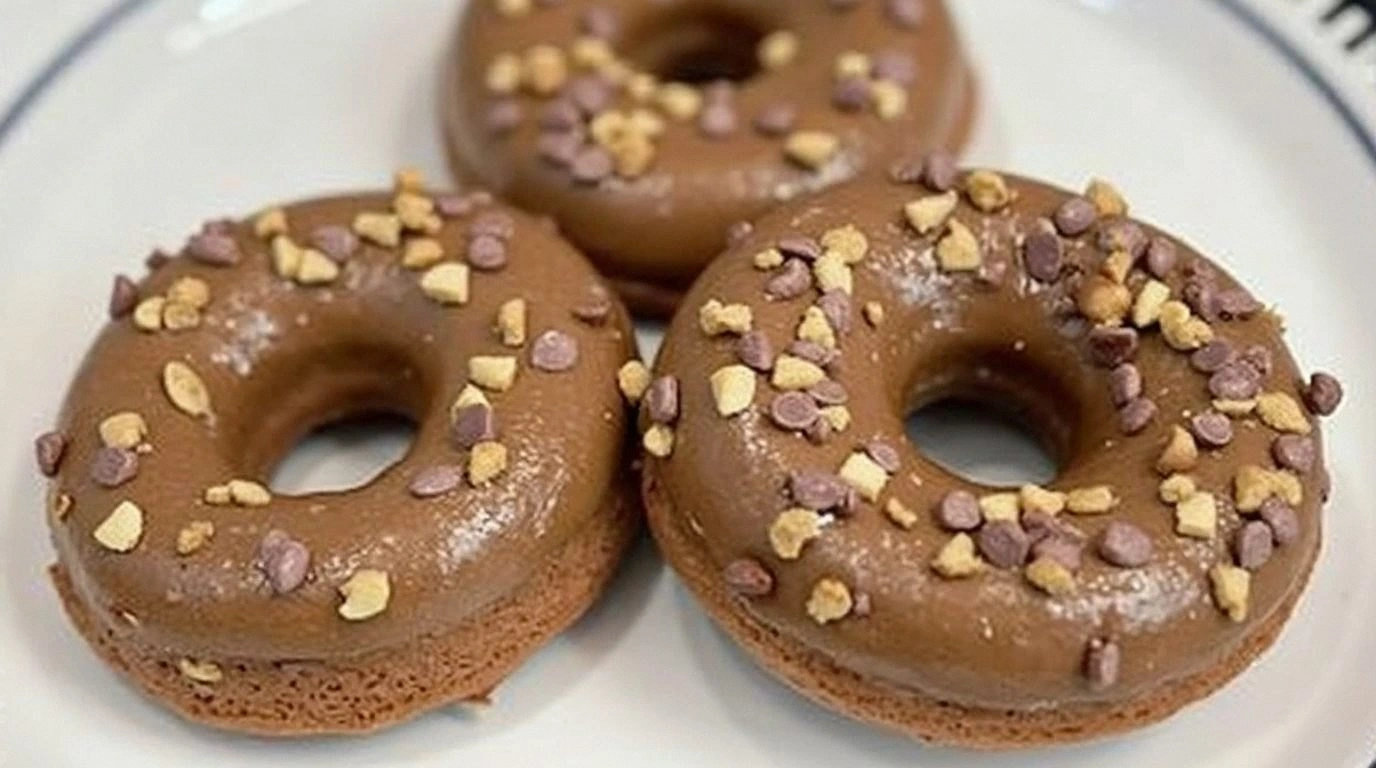
- Once cooled, you can dust the donuts with powdered sugar or a light dusting of cocoa powder for an extra touch of elegance. This final step adds visual appeal and a slight crunch. If you prefer a glaze, whisk a small amount of powdered sugar with a splash of milk to create a thin glaze. Brush it over the donuts and let it set.
That's it — you did it. But hold on, I've got a few more tricks that'll take this to another level. These small tweaks will elevate your donuts from good to unforgettable.
Insider Tricks for Flawless Results
The Temperature Rule Nobody Follows
Many bakers swear by baking at 375°F, but that high heat can cause the donuts to brown too quickly and lose moisture. By baking at 350°F, you allow the donuts to rise evenly and retain that desirable chewiness. If your oven runs hot, reduce the temperature by 10°F and add a few extra minutes to the bake time. This small adjustment can make the difference between a soggy center and a perfectly airy donut.
Why Your Nose Knows Best
The moment the donuts start to smell like toasted chocolate, you know they’re ready to come out of the oven. A strong aroma indicates that the cocoa has released its oils and the batter has begun to set. Trusting your nose prevents over‑baking and preserves the moist interior. I’ve had friends who keep the donuts in the oven too long, only to find them dry and crumbly.
The 5‑Minute Rest That Changes Everything
After baking, let the donuts sit in the mold for exactly five minutes before removing them. This pause allows the structure to set, preventing them from falling apart when you try to lift them. Skipping this step often leads to a messy, collapsed donut that looks like a pancake. A quick five‑minute rest is a small price to pay for a flawless presentation.
The Quick Chill for Easy Glazing
If you plan to glaze your donuts, let them cool to room temperature before applying the glaze. Warm donuts can melt the glaze, causing a runny coating that drips off. Cooling also lets the glaze set properly, creating a crisp, glossy finish. I’ve experimented with different glaze thicknesses, but a thin coat works best for a professional look.
The Reheat Secret for Leftovers
When reheating leftovers, avoid the microwave; instead, pop them in a preheated oven at 300°F for 3–4 minutes. This method restores the donuts’ original texture without making them soggy. Adding a splash of water to the baking tray creates steam, which keeps the donuts moist and fluffy. This trick is ideal for busy mornings when you need a quick snack on the go.
Creative Twists and Variations
This recipe is a playground. Here are some of my favorite ways to switch things up:
Cinnamon Swirl Delight
Add one teaspoon of ground cinnamon to the dry mix and swirl a tablespoon of melted butter into the batter before filling the mold. The cinnamon gives a warm, spicy note that pairs beautifully with chocolate. Serve with a dusting of powdered sugar for a classic look.
Peanut Butter Crunch
Fold in two tablespoons of creamy peanut butter into the batter after the dry ingredients are combined. The peanut butter adds richness and a subtle nutty flavor that complements the chocolate base. Finish with a drizzle of honey for a sweet finish.
Minty Fresh Variation
Replace vanilla extract with a teaspoon of peppermint extract and add a handful of crushed mint chocolate chips to the batter. This gives the donuts a refreshing minty kick, perfect for summer gatherings. A light dusting of cocoa powder keeps the visual appeal intact.
Caramelized Banana Boost
Mash a ripe banana and fold it into the batter for natural sweetness and a hint of banana flavor. The banana also adds moisture, ensuring the donuts stay tender. Top with a drizzle of caramel sauce for an indulgent treat.
Almond Joy Twist
Replace the cocoa powder with a mix of shredded coconut and chopped almonds. This version mimics the popular candy bar and offers a chewy texture. Add a splash of coconut milk to keep the batter moist.
Storing and Bringing It Back to Life
Fridge Storage
Store donuts in an airtight container in the refrigerator for up to three days. The cool temperature keeps them fresh and prevents the chocolate from melting. Before serving, let them sit at room temperature for about ten minutes to soften slightly. Avoid stacking the donuts too tightly to preserve their shape.
Freezer Friendly
Wrap each donut individually in parchment paper and place them in a freezer bag. Freeze for up to two weeks. When ready to enjoy, thaw them at room temperature for 30 minutes. For a warm treat, pop them in a preheated oven at 300°F for 5 minutes.
Best Reheating Method
To revive a frozen donut, place it in a preheated oven at 300°F for 3–4 minutes, or microwave on low power for 15 seconds. Adding a tiny splash of water to a baking tray creates steam that helps restore moisture. This method keeps the donuts from becoming dry and maintains their fluffy interior.