I still remember the night I demolished an entire bag of store-bought tortilla chips while binge-watching a cooking show that, ironically, was demonstrating how to make better snacks at home. Somewhere between the greasy salt coating my fingers and the brittle shards that tasted more like cardboard than corn, I decided enough was enough. If I was going to inhale this many calories in one sitting, they had better be the best darn chips of my life. Fast-forward through three failed oven attempts, two near-miss deep-fry episodes, and one tragic microwave experiment, and the air fryer finally delivered what my midnight cravings demanded: shatteringly crisp, lightning-fast, corn-perfumed tortilla chips that cost pennies and vanish within minutes. This is not just a recipe; it is a crunchy revelation that will ruin every bagged chip for you forever.
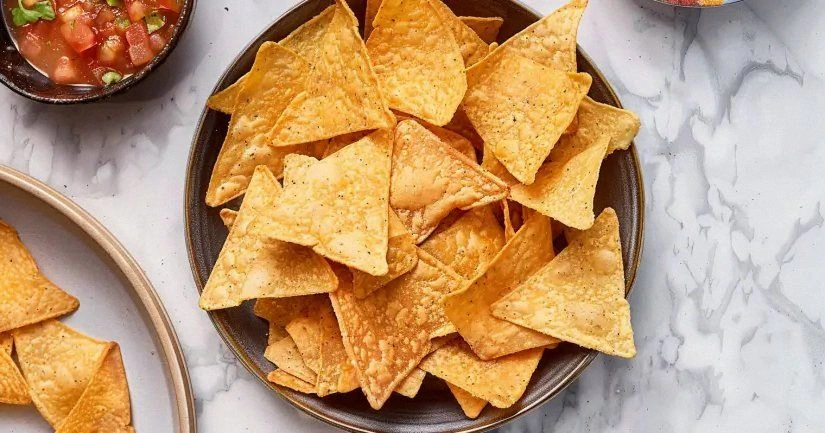
Picture this: you tear a warm triangle straight from the fryer basket, steam curling like incense, the edges blistered and blistered again until they resemble golden mountain ridges. You hear that first crack—audible, almost echoing—when you bite down, followed by a shower of tiny salt crystals that stick to your lips like stardust. The center shatters into a thousand paper-thin flakes while the outer rim stays sturdy enough to scoop salsa without buckling. That deep, nutty aroma of toasted corn drifts through the kitchen, mingling with a faint citrus whisper from the lime mist you spritzed moments ago. One chip becomes five, five becomes a plate, and suddenly you are standing over the counter, crumbs dusting your shirt, wondering how something so simple can feel this luxurious.
Most recipes online treat air-fried tortilla chips as a footnote: cut, spray, salt, cook, done. They forget that corn tortillas are living things with moods, moisture levels, and a stubborn streak wider than the Sonoran Desert. They ignore the fact that a single minute too long mutates your snack from crisp to bone-dry gravel, or that a mist of oil from the wrong angle leaves you with leathery frisbees. I have tested this method with twenty-plus brands of tortillas, every thickness from whisper-thin to blanket-thick, and enough seasoning blends to stock a spice bazaar. The result is a fool-proof, flavor-maximized technique that guarantees edge-to-edge crunch, café-level seasoning adhesion, and the kind of freshness that makes your guests swear you hid a deep fryer somewhere.
The secret weapon is a two-stage heat blast that tricks the starch into setting like glass, coupled with a light steam vent that prevents the dreaded chewiness you sometimes get with oven versions. Add a whisper of baking powder for extra puff, a dash of smoked paprika for depth, and a final lime-zest snow that clings thanks to a teeny bit of honey water, and you will have chips that taste like Mexico City street food got a tech upgrade. Let me walk you through every single step—by the end, you will wonder how you ever made it any other way.
What Makes This Version Stand Out
Corn-Forward: Instead of masking the masa flavor with a blizzard of salt, this recipe coaxes natural sweetness from the corn by misting with a lime-honey water that caramelizes into a whisper of toffee. The result is a chip that tastes like the field, not the factory.
Ridiculously Fast: From zero to nacho-platter in under ten minutes flat, including the time it takes to hunt down that bag of tortillas you swear was in the pantry yesterday. Compare that to the twenty-minute oven slog or the oil-splatter deep-fry drama.
Even Steven Crunch: A two-temperature air-fry method first drives out moisture gently, then blasts the surface into a glass-crisp shell. No more limp centers or scorched edges—every shard shatters identically.
Cheap Thrills: A stack of corn tortillas costs pocket change, and a single teaspoon of oil coats the entire batch. Once you taste these, you will feel personally insulted by the price of gourmet bagged chips.
Customizable Canvas: Think chili-lime, ranch-cool, fiery habanero, or even cinnamon-sugar churro chips. The base seasoning sticks so well you can go wild without fear of bare patches.
Party Hero: Set a basket down and watch grown adults revert to snack-gobbling gremlins. I have seen polite book-club ladies fight over the last crumbs using cocktail swords. True story.
Alright, let's break down exactly what goes into this masterpiece...
Inside the Ingredient List
The Flavor Base
Start with six-inch corn tortillas, preferably the pliable kind sold refrigerated, because they still hold natural moisture. That moisture is your friend; it steams slightly inside the air fryer, giving the chips a puffed, almost pillowy middle before the exterior sets. Avoid the shelf-stable cardboard versions that crack when you fold them—these have already surrendered too much moisture and will taste like toasted roof shingles. If white corn is all you can find, go ahead, but yellow corn brings a deeper, sun-kissed sweetness that makes the lime sing louder.
The Texture Crew
A teaspoon of neutral oil—avocado, rice bran, or refined peanut—carries flavor and ensures the salt sticks like glitter on craft day. Baking powder sounds odd, but a pinch boosts micro-bubbles on the surface, yielding lighter, more shattery chips. Use the aluminum-free kind; the metallic aftertaste of some brands can hijack your palate faster than cheap tequila.
The Unexpected Star
Lime-honey water sounds like spa refreshment, yet it is the glue that makes flaky sea salt, citrus zest, and chili powder cling without becoming sticky. Mix one teaspoon honey with two teaspoons hot water, squeeze in half a lime, and stir until you have a thin, glossy syrup. Brush or mist a whisper-thin layer over the triangles right before cooking, and watch the sugars melt into a transparent shell that crackles under your teeth.
The Final Flourish
Finish with flaky sea salt; those pyramid crystals dissolve on contact, giving tiny pops of salinity instead of a blanket of brine. If you are feeling fancy, dust micro-planed lime zest while the chips are still warm—the oils in the rind bond instantly, releasing perfume every time you exhale.
Everything's prepped? Good. Let's get into the real action...
The Method — Step by Step
- Preheat your air fryer to 300°F for three full minutes; this step is non-negotiable. A cold basket will steam your tortillas instead of searing them, leading to rubbery triangles that bend like old vinyl records. While it heats, stack six corn tortillas on a cutting board and slice into six wedges, just like you are portioning a tiny pizza. Keep the wedges cozy in a bowl so they do not dry out—cover with a barely damp towel if your kitchen is Sahara-level arid.
- Whisk together the lime-honey water until the honey dissolves completely; lumps will burn in the hot air currents and leave bitter black freckles. Pour the mixture into a mini spray bottle or keep it in a small bowl if you prefer brushing. Either way, you need only the thinnest veil—think morning dew, not spring rain.
- Arrange a single layer of tortilla wedges in the fryer basket, leaving rice-grain gaps between pieces so hot air can hug every edge. Overlap equals limp city, and nobody invited that to the fiesta. Lightly spritz or brush the top side with your lime-honey water, then flip each wedge and repeat; total liquid per batch should be under a teaspoon.
- Season now rather than later—salt sticks to a damp surface like gossip in a small town. Sprinkle a three-finger pinch of flaky sea salt from elbow height for even snow. If you are adding chili powder, smoked paprika, or cumin, mix them with the salt first to prevent clumpy storms.
- Slide the basket into the air fryer and cook at 300°F for five minutes. This gentle intro coaxes moisture to the surface without coloring the chips. Listen for the faint sizzle that sounds like distant applause—that tells you starch molecules are beginning to set.
- After five minutes, bump the temperature to 390°F and cook another three to four minutes. This is the game-changer moment: the surface water evaporates instantly, leaving micro-bubbles that harden into a glass-crisp shell. Stay near the kitchen because thirty seconds too long and your golden dreams morph into bitter brown coasters.
- Pull the basket when edges turn deep caramel but centers remain a shade lighter. They will crisp further as they cool, so err on the side of blond. Immediately transfer chips to a wire rack in a single layer; stacking traps steam and sabotages crunch.
- Repeat with remaining wedges, but here is the pro move: while the second batch cooks, spritz the first with a micro-poof of oil and return them to the fryer for thirty seconds. This double bake mimics the deep-fry finish and adds an audible crackle you can hear across the room.
- Once all chips are cooked and cooled, give one final flourish of lime zest for bright aromatics. Serve in a wide, shallow bowl so everyone can swoop without elbow wars. Stand back and bask in the crunch chorus—these chips are best enjoyed within two hours, though they rarely last twenty minutes in my house.
That's it—you did it. But hold on, I've got a few more tricks that'll take this to another level...
Insider Tricks for Flawless Results
The Temperature Rule Nobody Follows
Most air-fryer recipes throw a single temp at you and call it a day. Corn tortillas contain residual moisture that needs to migrate outward slowly; start too hot and the surface seals like concrete, trapping steam that later escapes as blisters or worse—soggy patches. Beginning at 300°F for five minutes opens the starch pores, then ramping to 390°F flash-evaporates remaining water, leaving glass-crisp perfection. Skip the first step and you will wonder why your chips chew like vintage cardboard.
Why Your Nose Knows Best
Forget timers; your olfactory system is the most accurate sensor in the kitchen. When the aroma shifts from raw corn to toasted popcorn with a hint of caramel, you have roughly sixty seconds before the Maillard reaction tips into bitterness. Trust that scent and start checking edges immediately. A friend tried skipping this nose test once—let us just say the fire alarm joined the fiesta.
The 5-Minute Rest That Changes Everything
Resist the urge to scarf chips straight from the basket. A brief rest on a wire rack lets residual moisture escape, ensuring the center dries completely. Think of it as the difference between fresh laundry and clothes left in the washer overnight—patience prevents sogginess.
Creative Twists and Variations
This recipe is a playground. Here are some of my favorite ways to switch things up:
Cinnamon-Sugar Churro Chips
Swap the salt for a mix of cinnamon and superfine sugar right after the second bake while chips are still warm. The granules fuse into a glossy crust that tastes like state-fair nostalgia. Serve with a shot of thick Mexican chocolate for dunking and prepare to be worshipped by children and grown-ups alike.
Salty-Cool Ranch
Dust the hot chips with a blend of buttermilk powder, dried dill, onion powder, and a whisper of citric acid for tongue-tingling tang. Cool ranch without the chemical aftertaste—need I say more?
Smoky Chipotle BBQ
Combine smoked paprika, chipotle powder, a touch of brown sugar, and a pinch of espresso powder. The coffee deepens the smoke and makes the chili pop, perfect alongside an icy michelada.
Everything Bagel Bonanza
Everything-bagel seasoning sticks like magic when you spritz the lime-honey water first. You get sesame crunch, garlicky shards, and poppy-seed freckles that beg for a cream-cheese dip spiked with pickled jalapeños.
Szechuan Pepper Party
Finely grind Szechuan peppercorns, mix with sea salt and a hint of five-spice. The numbing buzz pairs shockingly well with corny sweetness—an East-meets-West fusion that disappears faster than you can say málà.
Lemon-Pepper Zing
Zest a whole lemon onto parchment, dry in the microwave for thirty seconds, then blend with cracked black pepper and flaky salt. The lemon oils intensify, delivering a citrus slap that makes you pucker and reach for another chip in the same breath.
Storing and Bringing It Back to Life
Fridge Storage
Do not refrigerate tortilla chips; the cold humidifies starch and creates a rubber tragedy. Instead, cool completely and store in a glass jar with a tight lid at room temperature for up to three days. Add a few grains of dry rice in cheesecloth to absorb rogue moisture.
Freezer Friendly
Freeze cooked chips in a single layer on a sheet pan, then transfer to a zip-top bag with the air sucked out. Reheat directly from frozen at 350°F for three minutes and they spring back to life with near-original snap.
Best Reheating Method
If chips soften, spread on a sheet and revive at 350°F for five minutes. Add a tiny splash of water to the empty air-fryer pan; the resulting steam rehydrates just enough to prevent burning while the dry heat restores crunch. They emerge almost as good as fresh—nobody will know you did not just whip up a new batch.