Picture this: I was on a late‑night mission to rescue the world’s most ordinary snack—fries—and I had just burned the last batch of potatoes in the oven. The kitchen smelled like scorched cardboard, the counter was a mess of melted butter and flour dust, and my eyes were burning from the steam. I stared at the charred crumbs and thought, “If only there was a way to turn this disaster into something delicious.” That moment sparked a relentless quest for a cheese sauce that would rescue fries, not just cover them, but elevate them to a molten, velvety masterpiece.
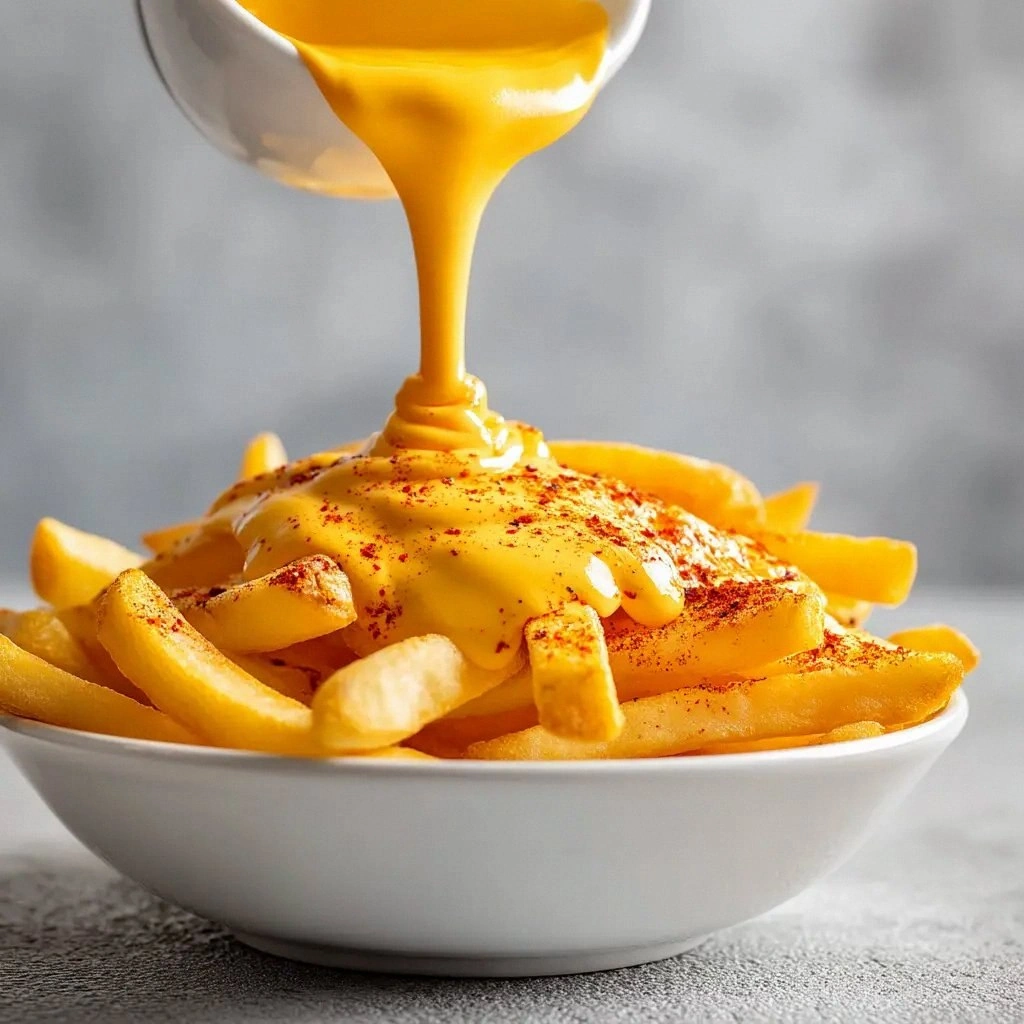
The first time I tasted this sauce, the instant that creamy cascade hit my tongue was like a symphony of textures. The fries, still crisp at the edges, surrendered to a rich, buttery coating that sang with sharp cheddar notes and a whisper of paprika. The air was thick with the aroma of toasted butter and a hint of garlic powder, a scent that made my mouth water before the first bite even touched my teeth. The sound of the first dip—soft, almost like a sigh—was the soundtrack to a flavor revelation. The entire experience felt like stepping into a cozy kitchen where every bite is an embrace.
What makes this version stand out is not just the depth of flavor but the meticulous balance of ingredients that work together like a well‑tuned orchestra. I dared you to taste this and not go back for seconds, because this sauce is hands down the best version you'll ever make at home. The sauce’s thickness is engineered to cling to fries like a velvet glove, ensuring every bite is drenched in cheesy goodness without drowning the potato’s natural crunch. The subtle heat from paprika adds a whisper of warmth that keeps the sauce from becoming too heavy, while the garlic powder provides an understated depth that keeps the palate engaged. The final pinch of salt is a masterstroke that brings all the flavors together in a harmonious finish.
Most recipes get this completely wrong by over‑reducing the sauce or using low‑quality cheese that turns rubbery. Here’s what actually works: a simple roux, a precise ratio of milk to butter, and the right blend of cheeses. I’ll be honest—after I made my first batch, I ate half the sauce before anyone else got to try it. The secret is in the technique, not just the ingredients. If you've ever struggled with this, you're not alone—and I've got the fix. And now the fun part: let me walk you through every single step—by the end, you'll wonder how you ever made it any other way.
What Makes This Version Stand Out
- Flavor: The sharp cheddar provides a robust, tangy punch that cuts through the richness of butter, creating a balanced, mouth‑watering experience. The paprika adds a subtle smokiness that elevates the sauce’s complexity.
- Texture: A classic roux foundation gives the sauce a silky, thick consistency that clings to fries without dripping. The careful temperature control keeps the sauce from separating.
- Ease: With just seven ingredients and a single pan, the recipe is a breeze for both novices and seasoned cooks alike. No fancy gadgets or time‑consuming steps.
- Uniqueness: The combination of garlic powder, paprika, and a precise butter‑flour ratio creates a sauce that feels both classic and daring. It’s a fresh twist on a familiar comfort food.
- Crowd‑Pleaser: Whether at a family dinner or a casual get‑together, guests rave about the melt‑in‑your‑mouth quality. It’s the kind of dish that turns a simple snack into a memorable moment.
- Ingredient Quality: Using a sharp cheddar with a high fat content ensures a rich, creamy melt. The all‑purpose flour provides a neutral base that lets the cheese shine.
- Make‑Ahead Potential: The sauce can be prepared up to an hour in advance, allowing you to focus on the fries or other side dishes when guests arrive.
- Versatility: It works with any type of fries—classic, curly, sweet potato, or even homemade baked sticks—making it a go‑to sauce for all occasions.
Inside the Ingredient List
The Flavor Base
Unsalted butter is the cornerstone of any classic cheese sauce. It adds a deep, buttery richness that grounds the flavor profile. Using unsalted butter allows you to control the salt content precisely, ensuring the sauce doesn’t become overly salty. If you’re craving a more robust taste, try substituting butter with a small amount of ghee for a nutty undertone.
The Texture Crew
All-purpose flour creates the roux that thickens the sauce. The flour must be cooked just enough to eliminate the raw taste but not browned, as that would introduce bitterness. If you’re watching calories, a light dusting of cornstarch can replace a portion of the flour, though it will slightly alter the mouthfeel.
The Unexpected Star
Whole milk is chosen for its creamy texture and balanced fat content. It’s the ideal liquid to achieve a velvety sauce that coats fries perfectly. Skipping milk or substituting with skim can lead to a watery sauce that fails to cling to the fries. For an extra boost of flavor, add a splash of heavy cream to the milk.
The Final Flourish
Sharp cheddar cheese is the star that brings depth, sharpness, and meltability. The cheese’s high fat content ensures a silky melt, while the sharpness adds a tang that cuts through the richness. If you prefer a milder taste, blend in a bit of mozzarella, but keep the cheddar ratio at least 70% to preserve the signature flavor. A pinch of garlic powder and paprika provide subtle layers of aroma that make the sauce unforgettable.
Everything’s prepped? Good. Let’s get into the real action.
The Method — Step by Step
- Begin by heating a medium saucepan over medium heat. Add the butter, letting it melt until it turns a light golden hue—this is where the flavor starts to bloom. Stir occasionally to prevent the butter from scorching. Once melted, sprinkle the flour over the butter and whisk vigorously to form a smooth paste. The mixture should be glossy and free of lumps.
- Continue cooking the roux for about 2 minutes, ensuring the raw flour taste disappears. The goal is a silky base that’s ready to absorb the milk. Keep the heat moderate; a rapid boil will cause the sauce to separate. This is the moment of truth where the foundation of your sauce takes shape.
- Slowly pour the whole milk into the roux while whisking constantly. The milk should be added in a thin stream to maintain a smooth consistency. As the milk heats, the sauce will begin to thicken. Once the mixture is smooth, let it simmer for 3-4 minutes, allowing the flavors to meld.
- Reduce the heat to low and add the shredded cheddar cheese in a handful. Stir gently until the cheese melts completely, forming a glossy, uniform sauce. The cheese should melt without clumping; if it does, add a splash of milk to re‑emulsify.
- Now it’s time to season. Sprinkle in the garlic powder, paprika, and salt. Stir until the spices are evenly distributed. The aroma of the spices will rise, signaling that the sauce is nearing perfection.
- If the sauce seems too thick, add a tablespoon of milk at a time until you reach the desired consistency—think of it as a gentle drizzle of liquid gold. Keep the sauce on low heat to preserve its silky texture.
- Once the sauce has reached a silky, pourable consistency, remove it from the heat. Let it rest for 30 seconds—this pause allows the flavors to settle and the sauce to thicken slightly.
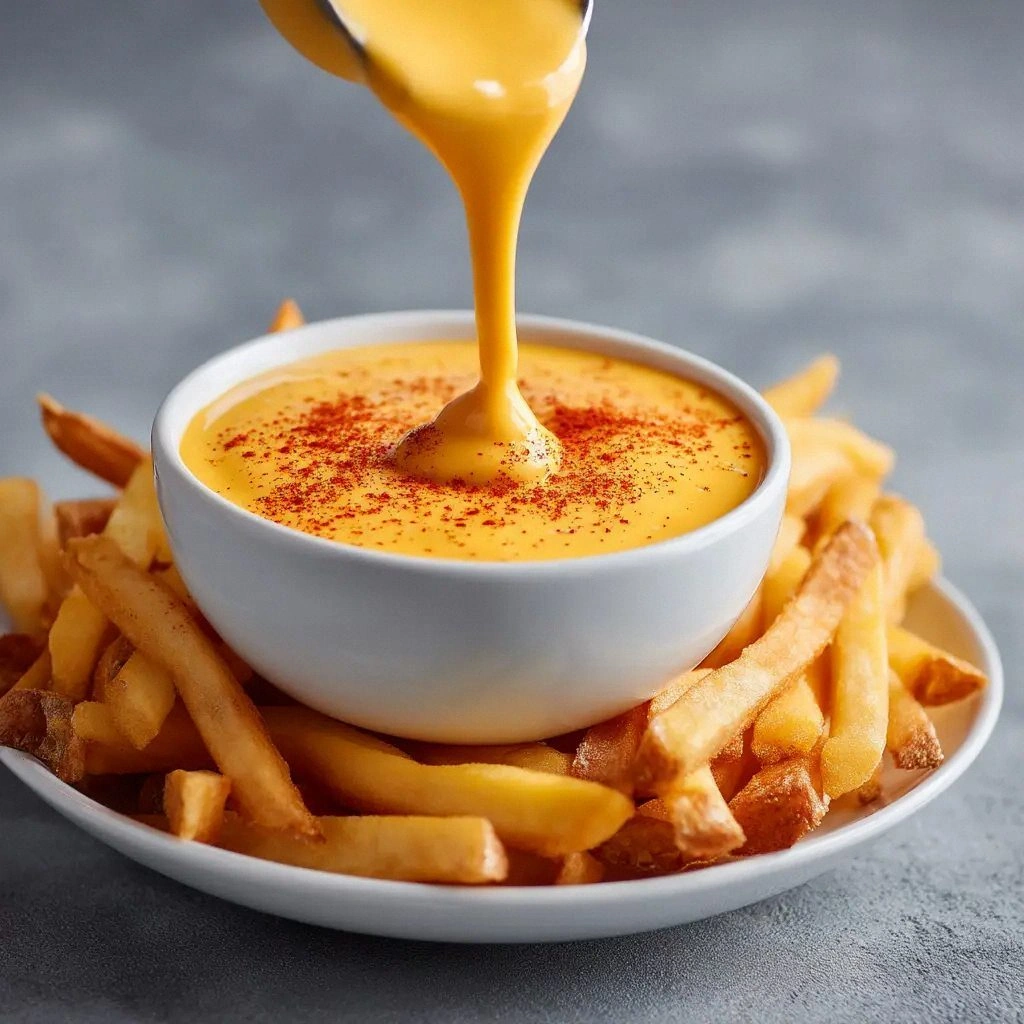
- Serve immediately over freshly baked fries, ensuring every fry is coated in a generous layer of cheese. The sauce should cling to the fries like a velvet glove, delivering a burst of flavor with each bite.
- If you’re preparing ahead, let the sauce cool completely, then cover and refrigerate. When you’re ready to serve, reheat gently over low heat, adding a splash of milk to restore its silky texture.
That sizzle when it hits the pan? Absolute perfection. And now the fun part: the sauce isn’t just a dip—it’s a canvas for endless creativity.
Insider Tricks for Flawless Results
The Temperature Rule Nobody Follows
Many chefs think a high heat is the key to a glossy sauce, but that’s a myth. Maintaining a low, steady heat preserves the sauce’s smoothness and prevents separation. I once tried a quick boil, and the sauce curdled—talk about a flop. Stick to low heat, and the sauce will develop a rich, glossy sheen.
Why Your Nose Knows Best
When the sauce starts to thicken, the aroma will shift from buttery to cheesy. Trust that scent; it’s the cue that the sauce is ready. If the aroma is flat, give it a minute longer on the stove.
The 5‑Minute Rest That Changes Everything
After removing the sauce from heat, let it sit for 5 minutes. This short rest allows the proteins to settle, resulting in a silkier texture. When you pour it over fries, it will cling beautifully without dripping.
Using Freshly Shredded Cheese
Pre‑shredded cheese often contains anti‑caking agents that can affect meltability. Shredding the cheese yourself ensures a cleaner melt and a more intense flavor.
Stirring Technique Matters
Stirring in a circular motion rather than back‑and‑forth keeps the sauce from developing lumps. This simple motion keeps the heat distributed evenly.
Choosing the Right Milk
Whole milk offers the best balance of fat and liquid for a creamy sauce. Skim milk will produce a thinner sauce that may not coat the fries as well. If you’re lactose intolerant, a lactose‑free whole milk works just as well.
Creative Twists and Variations
Spicy Sriracha Surprise
Swap half the cheddar for shredded mozzarella and stir in a tablespoon of sriracha. The sauce becomes silky with a fiery undertone that pairs perfectly with sweet potato fries. Guests will love the unexpected heat.
Herb‑Infused Garden
Introduce chopped fresh rosemary and thyme into the sauce. The herbs bring a fragrant, earthy dimension that transforms the dish into a gourmet side. It’s ideal for a backyard barbecue.
Vegan Cheddar Dream
Use a plant‑based cheddar alternative and substitute the butter with coconut oil. The sauce remains creamy and melty while staying dairy‑free. It’s a win for those with dietary restrictions.
Cheddar‑Bacon Blend
Crumbled bacon adds a smoky crunch. Fold it into the sauce after the cheese has melted. The bacon’s saltiness balances the sharpness of the cheddar.
Breakfast Boost
Serve the sauce over hash browns or a breakfast sandwich. The cheesy richness pairs beautifully with eggs, creating a hearty brunch staple.
Gluten‑Free Twist
Replace the flour with a gluten‑free blend like rice flour or cornstarch. The sauce will thicken just as well, making it safe for gluten‑sensitive diners.
Storing and Bringing It Back to Life
Fridge Storage
Cool the sauce to room temperature, then transfer it to an airtight container. Store in the refrigerator for up to 3 days. The sauce will thicken slightly, so add a splash of milk before reheating.
Freezer Friendly
Divide the sauce into freezer‑safe portions and seal tightly. Freeze for up to 2 months. Thaw overnight in the refrigerator before reheating.
Best Reheating Method
Reheat over low heat, whisking frequently. Add a teaspoon of water or milk to restore the sauce’s silky texture. The result is a fresh‑from‑the‑pot experience.