When I first cracked open the pantry after a chaotic week of take‑out and microwaved meals, I was craving something that felt like a hug in a bowl. I stared at the dusty rice, the stale milk, and a jar of cinnamon that had seen better days, and I thought, “If only this were a dessert, not a side dish.” That moment of culinary desperation sparked a quest to turn ordinary pantry staples into the most luscious, cloud‑soft rice pudding ever made. The result is a velvety, fragrant dish that tastes like a warm blanket on a rainy afternoon, with a subtle caramelized edge that whispers of toasted sugar. I dare you to taste this and not go back for seconds.
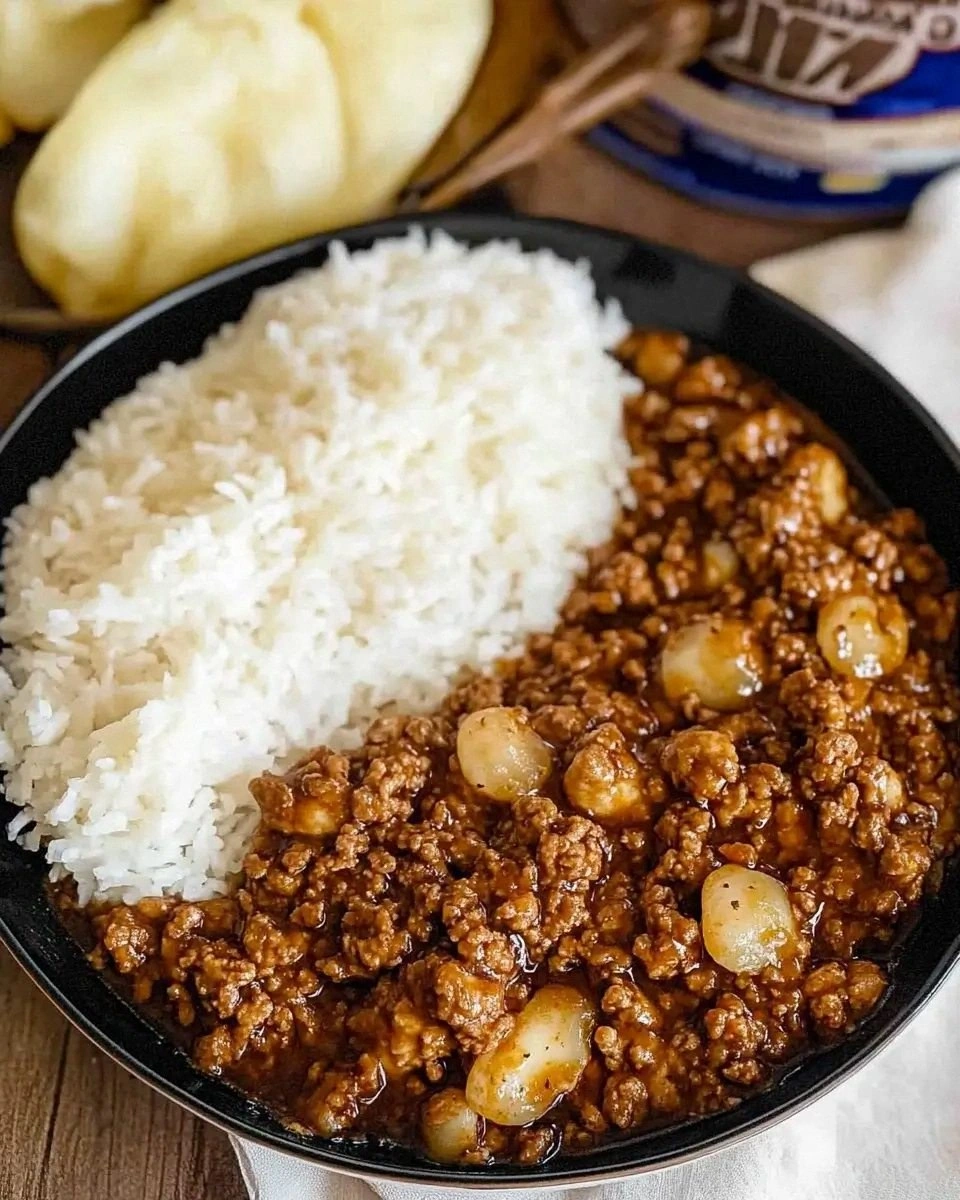
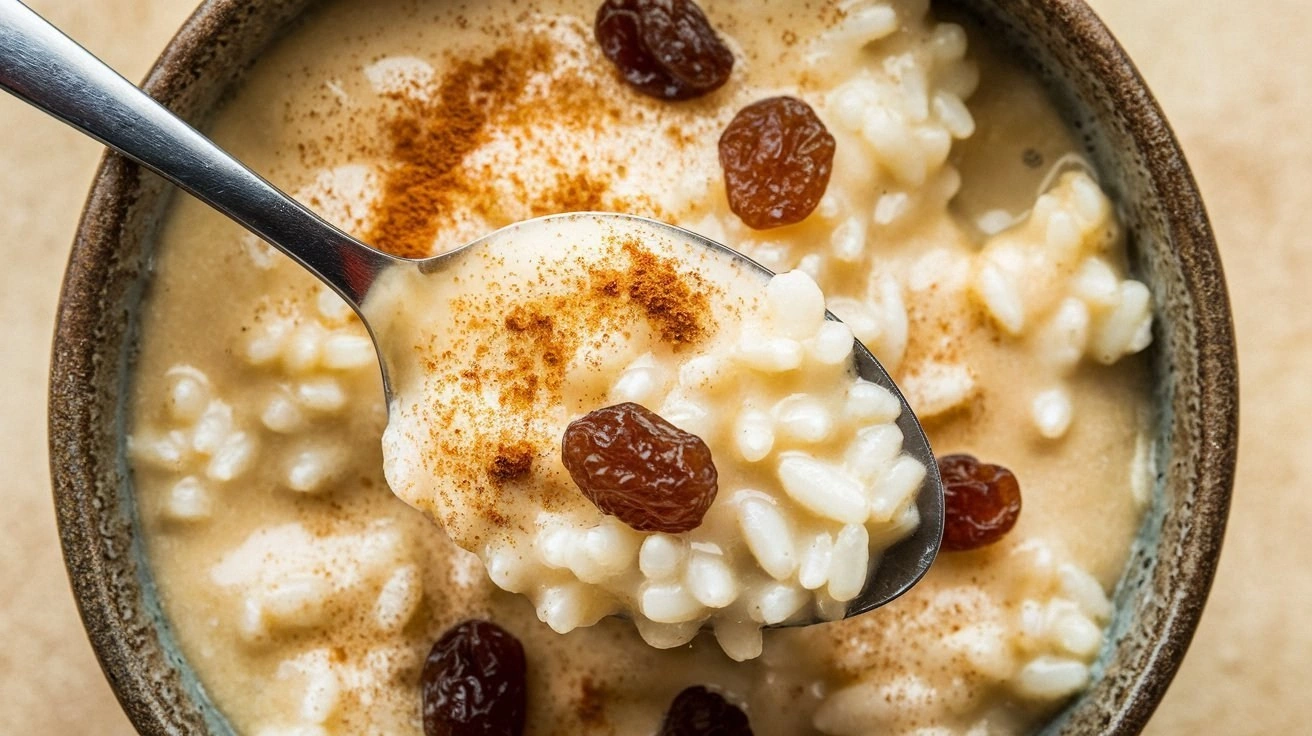
Picture this: a steaming bowl of rice pudding glistening with a golden sheen, a dusting of ground cinnamon that curls like a delicate snowflake, and a drizzle of caramel that glides over the surface. The aroma rises like a comforting lullaby, the texture is a perfect balance between silky custard and chewy grains, and the taste lingers with a whisper of vanilla and a hint of nutmeg. It’s the kind of dish that makes you question whether you’ve been making rice pudding wrong all your life. Most recipes get this completely wrong, but here, the technique and ingredients come together in a flawless symphony. If you’ve ever struggled with a pudding that turns out mushy or undercooked, you’re not alone — and I’ve got the fix.
What makes this version stand out is not just the ingredients, but the way each element is treated. I’ve refined the classic recipe by adding a subtle caramelization step, a splash of lemon zest for brightness, and a pinch of sea salt to deepen the flavor profile. The result is a pudding that’s both comforting and sophisticated, a dessert that can be served at a dinner party or enjoyed with a cup of tea. The texture is airy yet dense, with a creamy mouthfeel that coats the palate like velvet. The flavor is complex, with layers of sweetness, spice, and a faint citrus note that keeps the dish from feeling flat. This is hands down the best version you'll ever make at home.
Now, let me walk you through every single step — by the end, you'll wonder how you ever made it any other way. The secret lies in the preparation of the rice, the careful reduction of the milk, and the precise timing of the caramelization. I’ll share a technique you won’t expect: using a small amount of butter to create a glossy finish that gives the pudding a luxurious sheen. And the cherry on top? A dusting of toasted coconut flakes that adds a nutty crunch, turning a simple dessert into a multi‑sensory experience. Stay with me here — this is worth it.
Before we dive into the recipe, let’s talk about the core ingredients that make this pudding a show‑stopper. The rice is the foundation; it must be rinsed until the water runs clear to remove excess starch and achieve a silky texture. The milk is the liquid that turns the rice into a custard; whole milk gives a richer mouthfeel, while a mix of milk and heavy cream adds depth. Sugar is the sweetener, but I recommend using a mix of white and brown sugar for a subtle molasses undertone. Vanilla extract and a pinch of sea salt are the flavor enhancers that bring everything together. Finally, the caramelized sugar topping adds a delightful crunch and a caramel flavor that balances the sweetness. If you’re curious about swapping ingredients, you can use coconut milk for a tropical twist or almond milk for a dairy‑free version.
What Makes This Version Stand Out
- Flavor: A complex profile that balances sweetness, spice, and citrus, creating layers that evolve with each bite.
- Texture: A creamy custard that is airy yet dense, with perfectly cooked grains that hold their shape.
- Visual Appeal: A glossy, caramelized top that glistens and a dusting of cinnamon that looks like a fine dusting of snow.
- Ease: A straightforward process that requires minimal active cooking time and no fancy equipment.
- Versatility: Works as a dessert, breakfast, or a comforting snack at any time of day.
- Make‑Ahead: Can be prepared in advance and reheated without losing its silky texture.
Alright, let's break down exactly what goes into this masterpiece...
Inside the Ingredient List
The Flavor Base
At the heart of this pudding is the rice, which must be rinsed until the water runs clear to remove excess starch and ensure a silky finish. The rice absorbs the milk and sugar, becoming tender and creamy. If you skip rinsing, the pudding will be gummy and less luxurious. A good quality long‑grain or medium‑grain rice works best; avoid short‑grain rice that clumps too much. For an extra touch, add a splash of lemon zest to brighten the flavor profile and counterbalance the sweetness.
The Texture Crew
Milk is the liquid that transforms rice into a custard. Whole milk gives a richer mouthfeel, while a combination of milk and heavy cream adds depth and silkiness. The ratio of milk to rice is crucial; too much milk will result in a soupy consistency, while too little will make it thick and dry. A pinch of sea salt enhances the sweetness and brings out the subtle flavors of vanilla and cinnamon. If you prefer a dairy‑free version, coconut milk or almond milk can be used, but expect a slightly different texture.
The Unexpected Star
Sugar is the sweetener that balances the savory elements. Using a blend of white and brown sugar adds a subtle molasses undertone that complements the caramelization. The caramelized sugar topping is a game‑changer; it adds a delightful crunch and a caramel flavor that balances the sweetness. If you’re watching sugar, consider using a natural sweetener like maple syrup or honey, but adjust the quantity to taste. The caramelization step also creates a glossy finish that makes the pudding look as good as it tastes.
The Final Flourish
Vanilla extract is the flavor enhancer that ties everything together, giving the pudding a warm, aromatic note. A pinch of nutmeg or cinnamon adds depth and spice, while toasted coconut flakes provide a nutty crunch and tropical aroma. The finishing touch of a drizzle of caramel or a dusting of powdered sugar elevates the dish from simple to spectacular. If you want to play with textures, sprinkle toasted almonds or chopped pistachios on top for an extra layer of crunch. Finally, let the pudding rest for a few minutes before serving; this allows the flavors to meld and the surface to set.
Everything's prepped? Good. Let's get into the real action...
The Method — Step by Step
- In a medium saucepan, bring 4 cups of milk and 1 cup of water to a gentle simmer over medium heat. Stir occasionally to prevent scorching. The goal is to create a fragrant steam that signals the milk is ready. When the milk begins to form tiny bubbles around the edges, it’s time to add the rice. This is the moment of truth.
- Add 2 cups of rinsed rice to the saucepan, reduce the heat to low, and stir to combine. Cover partially with a lid and let it cook for 15 minutes, stirring every 5 minutes. The rice will absorb the liquid and swell, creating a thick, creamy base. Watch the edges; they should start to pull away from the pan.
- Stir in 1 cup of sugar (split 1/2 white, 1/2 brown) and 1 teaspoon of vanilla extract. The sugar dissolves, and the mixture thickens into a custard. If the mixture looks too thick, add a splash of milk to loosen it. This step is crucial for flavor balance.
- Add 1/2 teaspoon of sea salt and 1/2 teaspoon of ground cinnamon. Stir well to distribute the spices evenly. The salt will enhance the sweetness, while the cinnamon adds warmth. The aroma should now be intoxicating.
- Let the pudding simmer on low heat for 20 minutes, stirring frequently. The rice should be fully cooked and the mixture thickened to a creamy consistency. The texture should be like a thick, velvety sauce.
- While the pudding is cooking, prepare the caramel topping: In a small saucepan, melt 1/2 cup of butter over medium heat. Add 1 cup of sugar and stir until the mixture turns golden brown. This step requires vigilance; the sugar can burn quickly.
- Add a pinch of sea salt to the caramel and stir until smooth. Then, pour the caramel over the cooked pudding, swirling to create a marbled effect. The caramel should coat the top, giving it a glossy finish.
- Sprinkle toasted coconut flakes and chopped pistachios over the pudding for a nutty crunch. Let the pudding sit for 5 minutes to allow the flavors to meld. The coconut adds a tropical aroma, while the pistachios add texture.
- Serve warm or at room temperature. Garnish with a dusting of ground cinnamon or a drizzle of honey if desired. The pudding should be creamy, fragrant, and slightly caramelized on top.
- Enjoy immediately, or store in an airtight container in the refrigerator for up to 3 days. Reheat gently on the stove or in the microwave, adding a splash of milk to restore creaminess. The pudding remains silky and delicious.
That's it — you did it. But hold on, I've got a few more tricks that'll take this to another level.
Insider Tricks for Flawless Results
The Temperature Rule Nobody Follows
Maintaining a low, steady heat is essential for a creamy texture. A sudden temperature spike can cause the milk to curdle or the rice to stick. Keep the heat at medium‑low and stir frequently to distribute heat evenly. If you’re using a gas stove, adjust the flame to the lowest setting to avoid scorching.
Why Your Nose Knows Best
The aroma of caramelized sugar is a reliable indicator of readiness. When the sugar turns a deep amber color and emits a nutty scent, it’s ready to pour. Trust your nose; if it smells burnt, it’s too dark. This step ensures the topping will not overpower the pudding.
The 5‑Minute Rest That Changes Everything
Letting the pudding rest for 5 minutes before serving allows the flavors to meld and the surface to set. The rest also helps the caramel to thicken slightly, creating a glossy finish. During this time, you can prepare your garnish or set the table. It’s a small pause that makes a big difference.
Use a Silicone Spatula for Even Mixing
A silicone spatula can glide under the grains without breaking them, ensuring a smooth custard. It also resists sticking, making it easier to scrape the bottom of the pan. This simple tool saves time and reduces mess.
Reheat with a Splash of Milk
When reheating, add a splash of milk to restore the pudding’s creaminess. This prevents the mixture from drying out and keeps the texture silky. Warm gently on low heat or in the microwave, stirring halfway through.
Creative Twists and Variations
Spiced Cardamom Delight
Swap cinnamon for a pinch of ground cardamom and add a splash of rose water for a fragrant twist. This variation adds a subtle floral note that pairs beautifully with the creamy base. Perfect for a special brunch or a tea party.
Chocolate‑Infused Heaven
Incorporate 1/4 cup of cocoa powder into the milk mixture for a chocolatey version. Top with chocolate shavings and a drizzle of caramel for a decadent treat. This variation is a crowd‑pleaser at dessert tables.
Almond‑Lemon Surprise
Replace the vanilla with almond extract and add a squeeze of fresh lemon juice. Garnish with toasted almond slivers for crunch. The bright lemon cuts through the sweetness, creating a refreshing balance.
Tropical Coconut Fusion
Use coconut milk instead of dairy milk and add shredded coconut to the rice. Finish with a sprinkle of toasted coconut flakes and a drizzle of honey. This tropical twist is perfect for summer evenings.
Salted Caramel Crunch
In the caramel topping, add a pinch of flaky sea salt before pouring over the pudding. This creates a sweet‑salty contrast that elevates the flavor profile. The crunch of toasted nuts adds texture.
Storing and Bringing It Back to Life
Fridge Storage
Store the pudding in an airtight container for up to 3 days. Keep it at room temperature for 2 hours before refrigerating to avoid condensation. When ready to serve, let it sit at room temperature for 10 minutes to soften.
Freezer Friendly
Freeze the pudding in a freezer‑safe container for up to 1 month. Thaw overnight in the refrigerator before reheating. The texture may slightly change, but the flavor remains intact.
Best Reheating Method
Reheat on the stove over low heat, adding a splash of milk to restore creaminess. Stir gently until warmed through. Alternatively, microwave on medium for 30‑second intervals, stirring between each, until hot.