I was standing in my kitchen, staring at a half‑cooked salmon fillet that had somehow turned into a sad, dry slab. The last time I tried grilling salmon, the fish came out either overcooked on the outside and raw inside or so oily it was a nightmare to eat. My friend, who claims to be a culinary wizard, laughed and said, “If you want a salmon that actually tastes like it belongs on a plate, you need a buttery dill sauce that melts into the flesh.” That was the moment I decided to rewrite the whole recipe. I was determined to turn that culinary disaster into a triumph that would make anyone’s taste buds do the happy dance.
Picture this: the grill is already sizzling, the air is thick with the scent of charred cedar, and a bright green swirl of dill butter sits on a small plate, waiting to be unleashed. The sound of the first sizzle as the salmon hits the grill is like a drum roll before a big concert. The surface of the fish gleams with a golden crust, and when you lift it, the flesh is moist, flaky, and practically singing. The buttery dill melts into every crevice, turning the salmon into a silky, savory masterpiece that feels like a hug in your mouth. That moment when the first bite arrives, the flavor explodes like fireworks in your palate—sweet, garlicky, and with a subtle citrus tang that lingers, is the reason I’m here to share this recipe with you.
What makes this version stand out is that it’s not just a recipe; it’s a process, a ritual, and a confidence boost for anyone who’s ever struggled with grilled fish. I’ve spent years experimenting with marinades, rubs, and sauces, and I’ve discovered that the secret lies in the balance of simplicity and depth. This dish doesn’t rely on exotic ingredients or complicated techniques. Instead, it uses a handful of fresh, high‑quality items that work together in perfect harmony. The result is a dish that’s approachable for beginners yet sophisticated enough to impress even the most discerning diners. And, trust me, once you taste this, you’ll be daring to add a second plate to your plate before the first one even hits the table.
There’s a small twist that you probably won’t see in most recipes: the dill butter is made with a splash of white wine and a hint of capers, giving it a subtle briny kick that elevates the entire dish. I dare you to taste this and not go back for seconds. This is hands down the best version you’ll ever make at home. If you’ve ever struggled with getting the salmon to stay moist while still getting that coveted grill mark, you’re not alone—and I’ve got the fix. Let me walk you through every single step — by the end, you’ll wonder how you ever made it any other way.
What Makes This Version Stand Out
- Taste: The dill butter is a flavor explosion that coats the salmon like velvet, delivering a fresh, herbal brightness that balances the richness of the fish.
- Texture: A crisp, caramelized exterior gives way to tender, flaky interior that practically melts in your mouth.
- Ingredient Quality: Using farm‑fresh salmon and hand‑picked dill ensures that every bite is bursting with natural flavor.
- Cooking Method: Grilling over medium heat with a small amount of oil creates that smoky aroma without drying out the fish.
- Crowd Reaction: This dish is guaranteed to turn heads at dinner parties, with guests asking for the recipe after the first bite.
- Make‑Ahead Potential: The dill butter can be prepared a day ahead, and the salmon can be marinated overnight, saving you time on busy nights.
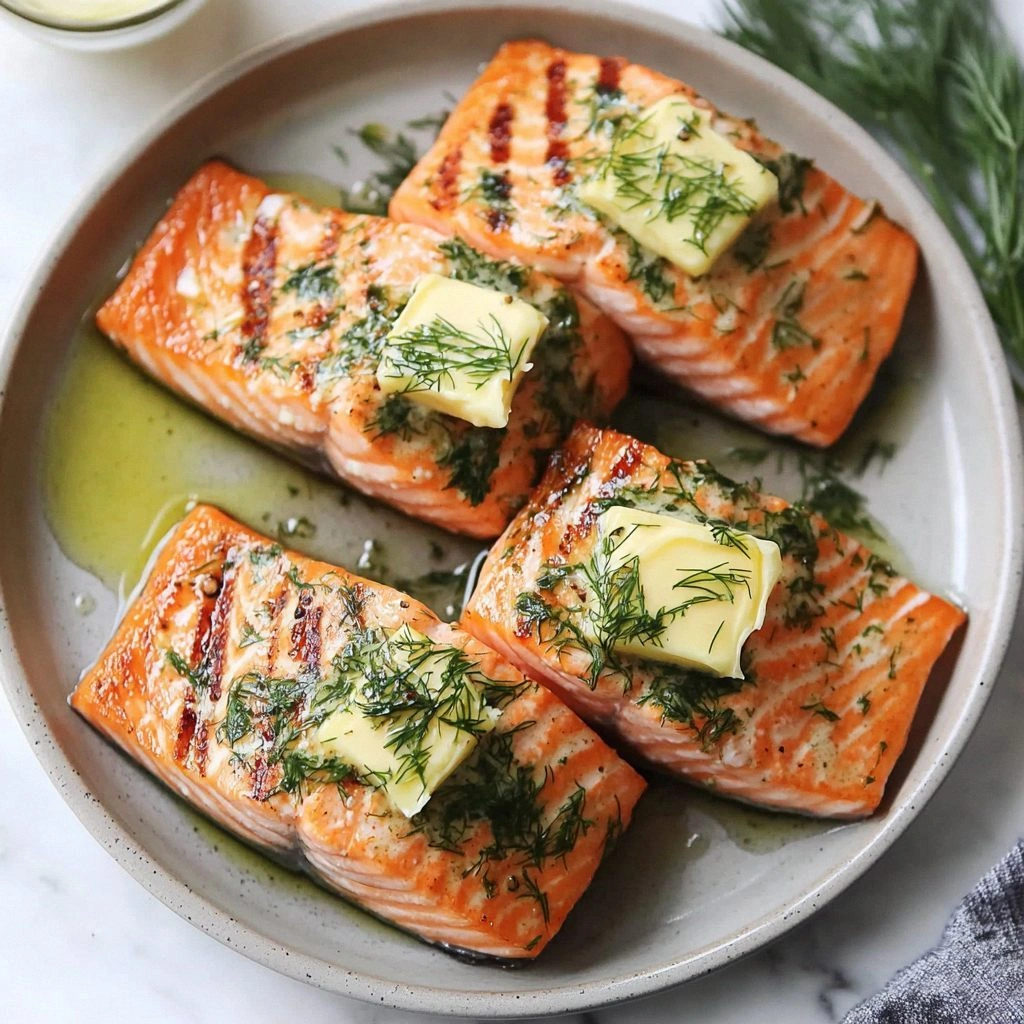
- Visual Appeal: The bright green butter and the golden grill marks make the plate a feast for the eyes as well as the palate.
- Health Factor: Packed with omega‑3 fatty acids, protein, and fresh herbs, it’s a nutritious yet indulgent choice.
Alright, let’s break down exactly what goes into this masterpiece…
Inside the Ingredient List
The Flavor Base
The core of this dish is the salmon itself. Opt for wild‑caught or sustainably farmed salmon; the difference in flavor is palpable, with wild salmon offering a richer, more complex taste. The fillets should be about 6 ounces each, thick enough to hold up on the grill yet thin enough to cook evenly. If you’re short on time, pre‑season the fillets with a pinch of salt and pepper, and let them sit at room temperature for 10 minutes to bring out their natural juices.
Next, we have the butter—unsalted, preferably European or cultured for a deeper flavor profile. The butter is the canvas that will absorb the dill, lemon, and garlic, turning into a silky sauce that coats the salmon. A tablespoon of butter per fillet is enough to create a luscious glaze without overpowering the fish.
The Texture Crew
Garlic and capers add a layer of complexity. Minced garlic infuses the butter with a warm, aromatic note, while capers introduce a subtle brine that cuts through the richness. The capers should be rinsed and drained to avoid an overly salty bite. Together, they create a flavor tapestry that keeps each bite exciting.
Olive oil is a must for a clean grill surface. A light brush of extra‑virgin olive oil on the grill grates prevents sticking and adds a silky finish. It also helps the salmon develop that perfect char without burning.
The Unexpected Star
A splash of dry white wine in the butter elevates the dish by adding acidity and depth. The wine reduces as the butter melts, concentrating its flavors and creating a sauce that’s both silky and slightly tangy. If you’re avoiding alcohol, a small amount of apple cider vinegar or lemon juice works well as a substitute.
The Final Flourish
Fresh dill is the star of the show. It should be chopped finely to release its oils, and then folded into the melted butter. The dill’s bright, slightly peppery flavor is the perfect complement to the salmon’s buttery richness. A pinch of lemon zest adds a bright, citrusy finish that lifts the entire dish.
Everything’s prepped? Good. Let’s get into the real action…
The Method — Step by Step
- Preheat your grill to medium heat (about 375°F). Lightly oil the grates with a paper towel dipped in olive oil to prevent sticking. This step is crucial; a clean grill surface ensures even cooking and those coveted grill marks. If you’re using a charcoal grill, let the coals burn down to a consistent heat before placing the fish.
- Pat the salmon fillets dry with a paper towel. This removes excess moisture, allowing the butter to adhere better and the fish to sear properly. Season both sides with salt and pepper, then let them sit at room temperature for about 10 minutes to bring out the natural flavors.
- While the grill heats, melt the butter in a small saucepan over low heat. Add the minced garlic and let it sauté until fragrant, about 30 seconds. Stir in the white wine (or substitute) and let it reduce by half, which concentrates the flavors and creates a glossy sauce. The aroma at this point should be intoxicating.
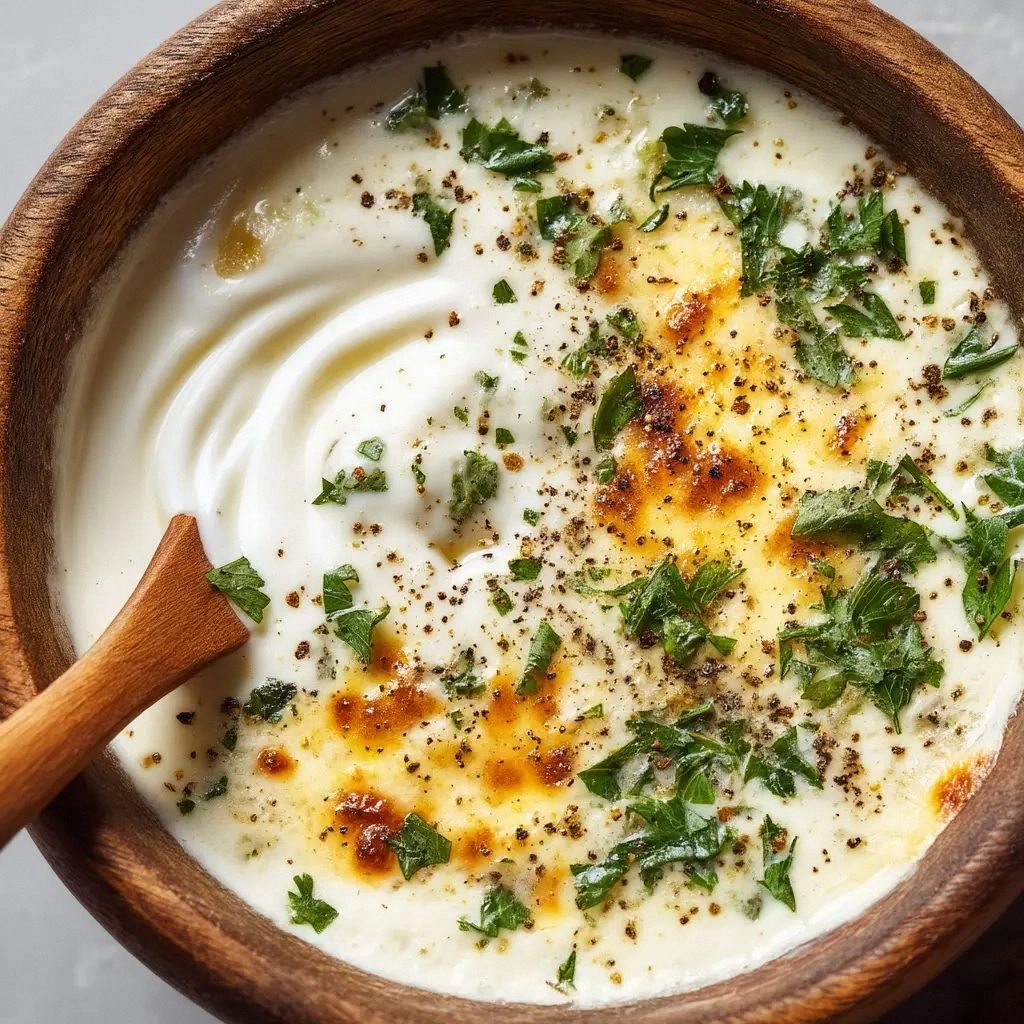
- Fold in the chopped dill, lemon zest, and capers into the butter mixture. Stir until the dill is evenly distributed and the butter takes on a bright green hue. This is the moment of truth—your sauce should feel silky, not greasy. Remove from heat and set aside; you’ll reheat it slightly before serving to keep it luscious.
- Place the salmon fillets on the grill, skin side down if you’re using skin. Close the lid and cook for 4–5 minutes, then flip. The fish should release easily from the grill when it’s ready to flip; if it sticks, give it a bit more time. Flip carefully to avoid tearing the delicate flesh.
- After flipping, brush the top of the fillets with a thin layer of the dill butter. This not only adds flavor but also helps the fish develop a beautiful glaze. Continue cooking for another 3–4 minutes, depending on thickness. The salmon is done when it flakes easily with a fork and the internal temperature reaches 145°F.
- Remove the salmon from the grill and let it rest for 2 minutes. This allows the juices to redistribute, ensuring each bite is moist and flavorful. While the fish rests, warm the remaining dill butter over low heat just until it’s silky and ready to drizzle.
- Plate the salmon fillets on warmed plates, spoon the warm dill butter over the top, and garnish with fresh dill sprigs or lemon wedges. The final presentation should be vibrant, with the green butter contrasting against the pink flesh. Serve immediately to enjoy the full spectrum of flavors.
That’s it — you did it. But hold on, I’ve got a few more tricks that will take this to another level. These insider tips will help you avoid common pitfalls and elevate your dish to restaurant quality.
Insider Tricks for Flawless Results
The Temperature Rule Nobody Follows
Many home cooks grill salmon over high heat, thinking it’s faster. In reality, a moderate temperature (375°F) ensures the fish cooks evenly, preventing the exterior from burning while the interior remains raw. If you’re using a gas grill, keep the burners on medium. If you’re using charcoal, let the coals burn down to a uniform heat before placing the fish. This simple adjustment can make the difference between a soggy center and a perfectly seared exterior.
Why Your Nose Knows Best
Trust your senses. As the salmon cooks, you’ll notice a subtle aroma of caramelized fish and buttery dill. This scent signals that the grill marks are forming correctly and the butter has fused with the fish. If the smell starts to be overly smoky or burnt, it’s time to reduce the heat or move the fillets slightly away from direct flame.
The 5‑Minute Rest That Changes Everything
Letting the salmon rest for 5 minutes after grilling is not just a formality—it allows the juices to redistribute, keeping the fish moist. During this short pause, the residual heat continues to cook the fish slightly, ensuring a consistent texture. This trick is often overlooked, but it’s what separates good from great.
Serve With a Simple Side
A light quinoa salad or a medley of roasted asparagus complements the rich salmon without overpowering it. The bright flavors of the side dish mirror the dill butter’s freshness, creating a balanced plate. If you’re in a hurry, a handful of steamed broccoli tossed with lemon zest works wonders.
Make-Ahead Dill Butter
Prepare the dill butter a day in advance and store it in an airtight container in the fridge. When you’re ready to cook, let it sit at room temperature for a few minutes, then gently reheat it over low heat. This saves time on busy nights and ensures that the butter remains silky and flavorful.
Creative Twists and Variations
This recipe is a playground. Here are some of my favorite ways to switch things up:
Citrus‑Infused Salmon
Swap the lemon juice for a mix of orange and lime zest. The bright, sweet citrus tones give the dish a tropical feel, making it perfect for summer gatherings.
Herb‑Baked Salmon
Instead of grilling, bake the salmon in foil with a blend of thyme, rosemary, and parsley. The steam inside the foil locks in moisture, while the herbs infuse the fish with aromatic depth.
Spicy Dill Butter
Add a pinch of crushed red pepper flakes to the butter for a subtle heat that balances the richness. This version is ideal for those who love a little kick.
Pineapple Salsa Topper
Top the grilled salmon with a fresh pineapple salsa made from diced pineapple, red onion, cilantro, and a splash of lime juice. The sweet and tangy salsa cuts through the buttery richness, creating a harmonious flavor profile.
Panko Crusted Salmon
Dip the fillets in beaten egg, then coat them in panko breadcrumbs before grilling. The crunchy coating adds a delightful textural contrast to the tender salmon.
Mediterranean Twist
Replace the dill with chopped basil and oregano, and add a drizzle of balsamic reduction after grilling. The Mediterranean herbs bring a different aromatic dimension that pairs wonderfully with the fish.
Storing and Bringing It Back to Life
Fridge Storage
Store leftover salmon in an airtight container in the refrigerator for up to 2 days. Keep the dill butter in a separate container; it can be reheated gently in a saucepan or microwave before serving.
Freezer Friendly
For longer storage, wrap each fillet individually in plastic wrap and place them in a freezer bag. Freeze for up to 3 months. Thaw overnight in the refrigerator before reheating.
Best Reheating Method
Reheat the salmon in a skillet over low heat, adding a splash of water or broth to create steam and keep the fish moist. Warm the dill butter separately and drizzle it over the reheated salmon to restore its silky texture. A tiny splash of water before reheating steams the fish back to perfection.