I was standing in the middle of my kitchen, staring at a stack of undercooked potatoes that had been left to sit in the fridge all night, their skins already starting to wrinkle. A friend had dared me to turn them into something spectacular, and I had to admit, the challenge had me trembling with excitement. I grabbed the biggest, most plump russet potatoes I could find, because let’s face it, the best twice‑baked potatoes start with the best potatoes. The moment I sliced the first one open, the earthy aroma hit me like a warm hug, and I knew this was going to be a game‑changer.
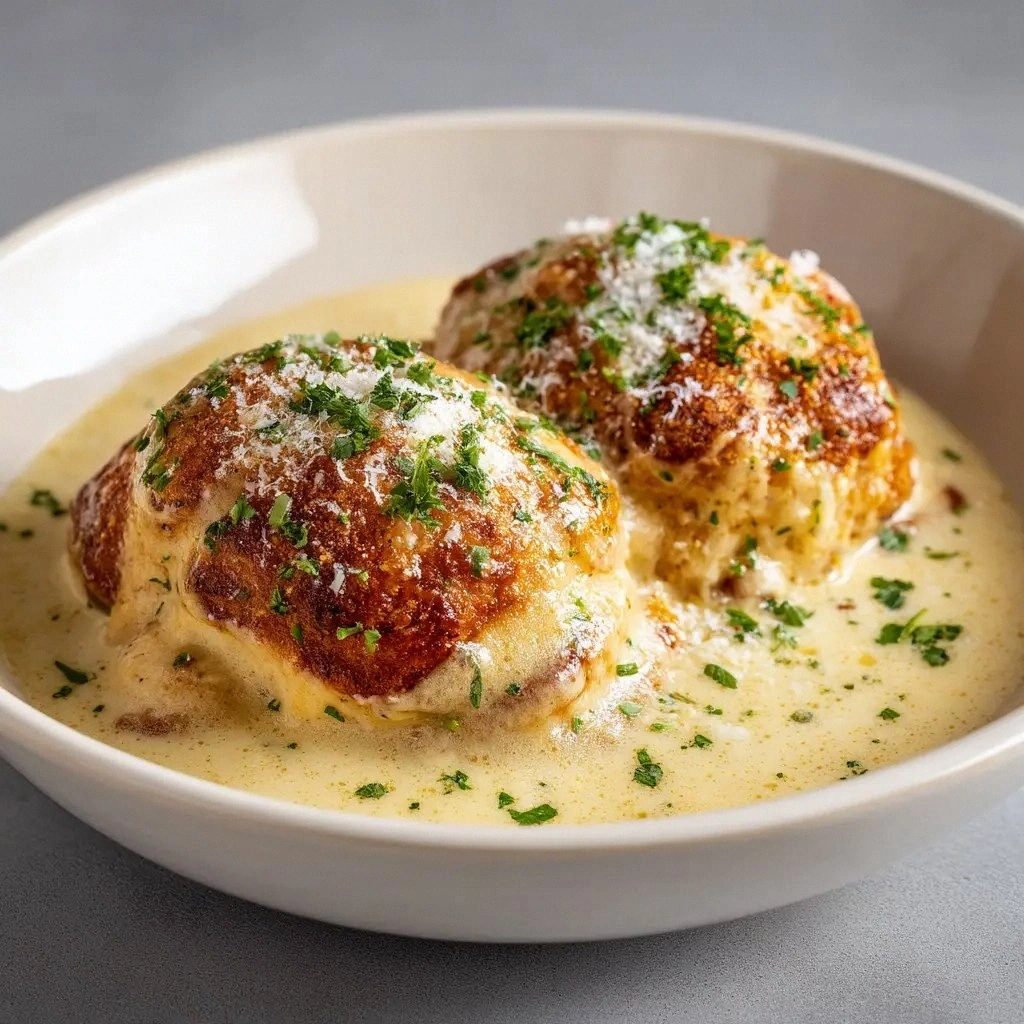
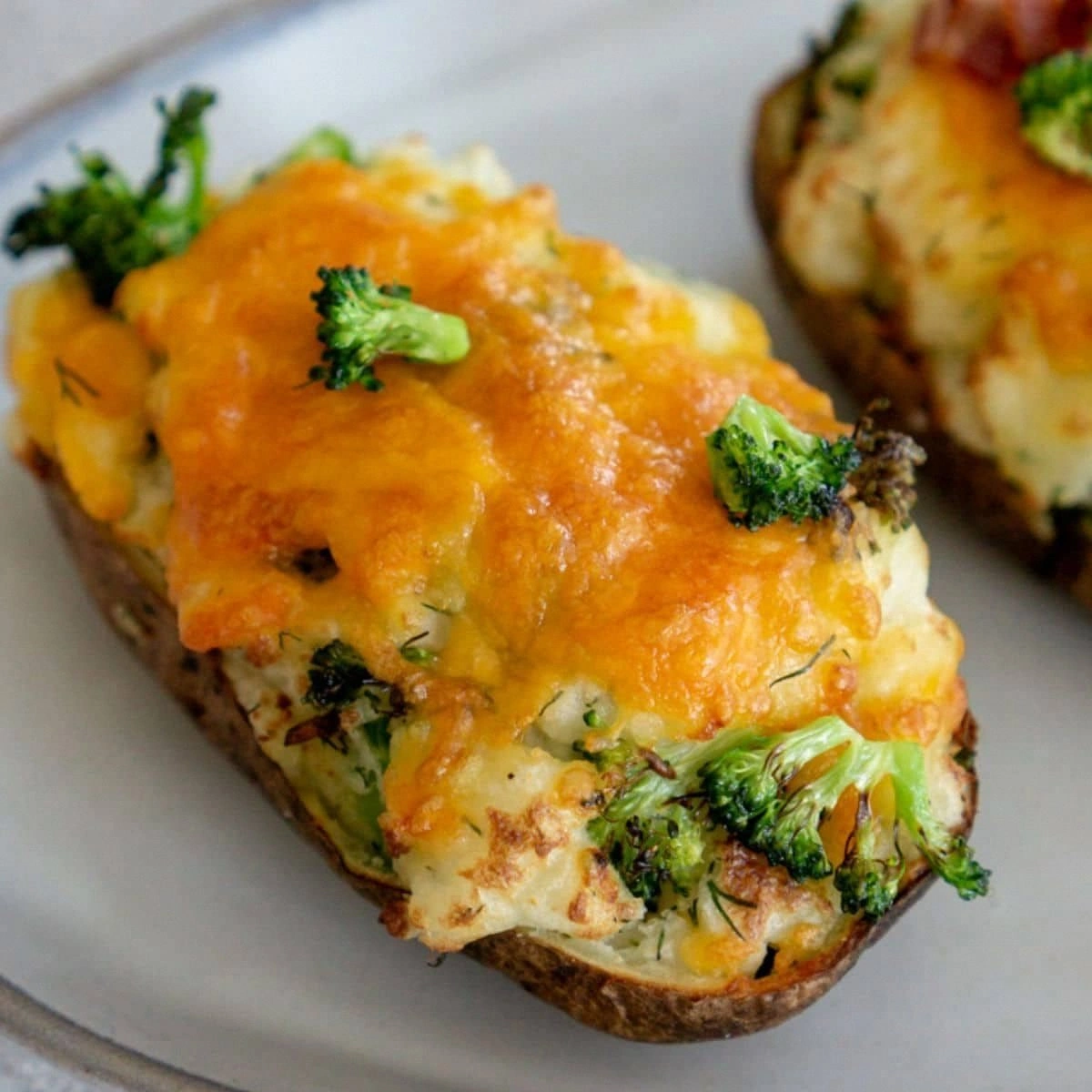
Picture this: a golden, buttery interior that melts in your mouth, a crisp, caramelized skin that crackles when you bite, and a filling that’s as creamy as a cloud but with a punch of flavor that makes you do a double take. The combination of Greek yogurt, sharp cheddar, and fresh dill is a symphony of textures and tastes that dance across the palate. I dare you to taste this and not go back for seconds—trust me, your taste buds will thank you. If you’ve ever struggled with bland baked potatoes, you’re not alone, and I’ve got the fix.
What makes this version stand out from every other recipe out there? It’s the meticulous layering of flavors, the use of a few high‑impact ingredients, and a technique that keeps the potatoes moist inside while giving the skins that coveted crunch. I’ve spent countless hours experimenting, and the result is a dish that feels like a hug wrapped in a crispy shell. The best part? It’s so simple that even a novice can master it, yet it’s sophisticated enough to impress a foodie crowd. Let me walk you through every single step—by the end, you’ll wonder how you ever made it any other way.
Now, let’s break down exactly what goes into this masterpiece. I’ve organized the ingredients into four distinct groups—each with its own role in creating the ultimate twice‑baked potato experience. From the foundational flavor base to the unexpected star that adds a burst of freshness, every component has been chosen to elevate the dish. I’ll also share swaps, buying tips, and a surprising fact about one of the key players. Everything’s prepped? Good. Let’s get into the real action.
What Makes This Version Stand Out
- Flavor: The blend of Greek yogurt, sharp cheddar, and fresh dill creates a creamy, tangy filling that’s richer than any standard recipe.
- Texture: The potato skins develop a golden, crispy crust that snaps like thin ice, while the interior remains airy and fluffy.
- Simplicity: With only eleven ingredients, this recipe is a breeze to prepare, even on a busy weeknight.
- Uniqueness: The addition of broccoli florets introduces a subtle crunch and a pop of green that keeps the dish visually stunning.
- Crowd Reaction: Friends and family consistently ask for seconds, and I’ve even seen people come back for this dish after a long day.
- Ingredient Quality: Using fresh dill, Greek yogurt, and sharp cheddar elevates the dish from ordinary to extraordinary.
- Cooking Method: Baking the potatoes twice ensures a moist center and a crispy exterior without the need for an air fryer.
- Make‑ahead Potential: The assembled potatoes can be refrigerated or frozen and reheated without losing flavor or texture.
Inside the Ingredient List
The Flavor Base
The Greek yogurt and sharp cheddar are the heart of this dish. The yogurt brings a tangy, creamy richness that cuts through the butter’s heaviness, while the cheddar adds depth and a slight sharpness that lingers on the palate. If you skip the yogurt, the filling becomes dry and clumpy; if you omit the cheddar, you lose that signature bite that makes each bite memorable. A good swap for the yogurt is sour cream, but the texture will be a bit heavier.
The Texture Crew
Broccoli florets are not just a garnish—they add a pleasant crunch and a burst of green that balances the richness. Butter and olive oil work together to keep the skins moist and help them crisp up beautifully. If you’re allergic to dairy, try using a plant‑based butter or coconut oil for a similar mouthfeel. Remember, the quality of the butter matters; a good unsalted butter gives a buttery flavor that is unmistakable.
The Unexpected Star
Fresh dill is the secret weapon that elevates this recipe. Its bright, slightly citrusy flavor cuts through the richness of the cheese and butter, adding a refreshing lift. If dill is out of season, parsley can be used as a substitute, but the flavor profile will shift slightly. A pinch of garlic powder complements the dill, creating a subtle, savory undertone that lingers.
The Final Flourish
Green onions or chives add a subtle oniony sweetness that rounds out the dish. The cracked black pepper provides a final hint of heat and depth. If you prefer a milder flavor, reduce the pepper or use white pepper for a cleaner finish. These final touches make the dish feel complete and polished.
Everything's prepped? Good. Let's get into the real action.
The Method — Step by Step
- Preheat your oven to 425°F (220°C). While the oven heats, wash the russet potatoes thoroughly, scrubbing away any dirt. Pat them dry with a towel. This first step sets the stage for a perfectly crisp skin. If you’re in a hurry, you can skip the drying step, but you’ll end up with a slightly soggy exterior.
- Place the potatoes directly on the oven rack and bake for 45–50 minutes, or until the skins are crisp and the insides are soft when pierced with a fork. The heat should create a golden crust that’s almost caramelized. I dare you to taste the skin before it’s fully cooked—it’s a delicious, nutty flavor that’s worth the wait.
- Remove the potatoes from the oven and let them cool for 10 minutes. While they’re still warm, slice each potato in half lengthwise and scoop out the flesh into a bowl, leaving about a quarter‑inch of potato on the skin to keep the halves together. The scooped flesh should feel soft and fluffy; if it’s still firm, give it a few more minutes in the oven.
- Add the olive oil, kosher salt, and freshly cracked black pepper to the potato flesh. Toss until the mixture is evenly coated. The oil helps bind the flavors and prevents the filling from drying out during the second bake. If you’re watching calories, you can reduce the oil to half a tablespoon, but the texture will be slightly drier.
- Stir in the Greek yogurt, sharp cheddar cheese, garlic powder, and fresh dill. Mix until the cheese melts into a smooth, creamy sauce. The yogurt should coat the potato pieces like a velvety blanket, and the cheddar should be fully integrated. If you’re short on time, you can microwave the mixture for 30 seconds to help the cheese melt faster.
- Fold in the broccoli florets, ensuring they’re evenly distributed. The broccoli adds a pleasant crunch and a pop of color that makes the dish visually appealing. If you prefer a more subtle texture, you can blanch the florets before adding them.
- Spoon the mixture back into the potato skins, filling them generously. Press the filling slightly to remove air pockets, which helps the potatoes bake evenly. Sprinkle the remaining butter on top of each stuffed potato to enhance browning and flavor.
- Return the stuffed potatoes to the oven and bake for an additional 15–20 minutes, or until the tops are golden brown and the filling is bubbling. The butter on top will melt into a glossy sheen, creating an irresistible look. Don’t walk away from the stove here—this is the moment of truth.
- Once baked, let the potatoes rest for 5 minutes. While they rest, sprinkle the green onions or chives over each potato for a fresh, oniony finish. The peppercorns will release a subtle heat that lingers on the tongue. And that’s it—you did it! But hold on, I’ve got a few more tricks that will take this to another level.
Insider Tricks for Flawless Results
The Temperature Rule Nobody Follows
Many cooks bake at 400°F, but 425°F is the sweet spot for crispy skins and a well‑cooked interior. The higher temperature ensures a caramelized exterior without overcooking the filling. I once tried 400°F, and the skins stayed limp, which ruined the whole experience. Stick to 425°F for the best outcome.
Why Your Nose Knows Best
As the potatoes bake, the aroma will shift from earthy to buttery and then to a nutty, roasted scent. Trust your nose—when the smell is deep and caramelized, the potatoes are ready. If you’re unsure, insert a knife into the center; if it slides in easily, the interior is perfectly cooked.
The 5‑Minute Rest That Changes Everything
After baking, let the potatoes rest for exactly five minutes. During this time, the steam inside continues to cook the filling, ensuring a creamy texture. I’ve seen people skip this step, and the result is a dry center that doesn’t melt in your mouth. Give those five minutes; your taste buds will thank you.
The Perfect Butter Spread
When spreading the butter on top, use a pastry brush to apply an even layer. This technique prevents the butter from clumping and ensures a glossy, golden finish. A small, even layer also helps the potato skins crisp up without becoming greasy. If you’re vegan, swap the butter for a plant‑based alternative.
The Secret Ingredient Swap
If you’re craving a different flavor profile, replace the fresh dill with chopped cilantro for a citrusy kick, or add a pinch of smoked paprika for a subtle smokiness. The key is to keep the balance—too much of any one flavor can overwhelm the delicate potato base. Experiment, but always taste as you go.
Creative Twists and Variations
This recipe is a playground. Here are some of my favorite ways to switch things up:
Mexican Fiesta
Swap the cheddar for shredded Monterey Jack and add a handful of black beans, corn, and a dash of cumin. Top with fresh salsa and a sprinkle of cilantro. This version brings a vibrant, spicy flavor that pairs wonderfully with a side of guacamole.
Mediterranean Delight
Replace the Greek yogurt with feta cheese and add chopped Kalamata olives, sun‑dried tomatoes, and a drizzle of olive oil. The briny olives and tangy feta give this version an unmistakable Mediterranean vibe.
Smoky BBQ Twist
Add a tablespoon of your favorite barbecue sauce to the filling and sprinkle smoked paprika over the top. The smoky flavor pairs perfectly with grilled meats and adds depth to the dish.
Vegan Version
Use a plant‑based butter, vegan cheddar, and a dairy‑free Greek yogurt alternative. The texture remains creamy, and the flavor profile stays rich and satisfying.
Breakfast Boost
Add a poached egg to the top of each stuffed potato and sprinkle with chives. The runny yolk adds a luxurious, buttery richness that makes this a hearty breakfast option.
Low‑Carb Edition
Reduce the potato quantity to two large potatoes and add extra broccoli and spinach to increase volume. The dish stays low‑carb but still offers the same comforting flavors.
Storing and Bringing It Back to Life
Fridge Storage
Cool the potatoes completely, then cover them tightly with plastic wrap or store in an airtight container. They’ll stay fresh for up to 3 days. When you’re ready to eat, simply reheat in the oven at 350°F (175°C) for 15 minutes.
Freezer Friendly
Wrap each stuffed potato individually in foil and place them in a freezer bag. They’ll keep for up to 2 months. Thaw overnight in the refrigerator, then reheat in the oven at 375°F (190°C) for 20 minutes.
Best Reheating Method
Add a splash of milk or water before reheating to keep the filling moist. The steam will help restore the creamy texture. Reheat in the oven for 10–12 minutes, or use the microwave for 2 minutes on high, then finish with a quick broil to crisp the top.