I was in the middle of a midnight snack crisis when I discovered the most glorious kitchen disaster: a bowl of hummus that had somehow turned into a sticky, flavor-packed paste that clung to my spoon like a stubborn glue. The kitchen lights flickered, the timer buzzed, and I stared at the hummus with a mixture of dread and excitement. I was determined to salvage the situation, but the result was something I could not ignore. That night, I learned that a simple blend of rice, hummus, and a handful of secret spices could transform a kitchen mishap into a culinary masterpiece.
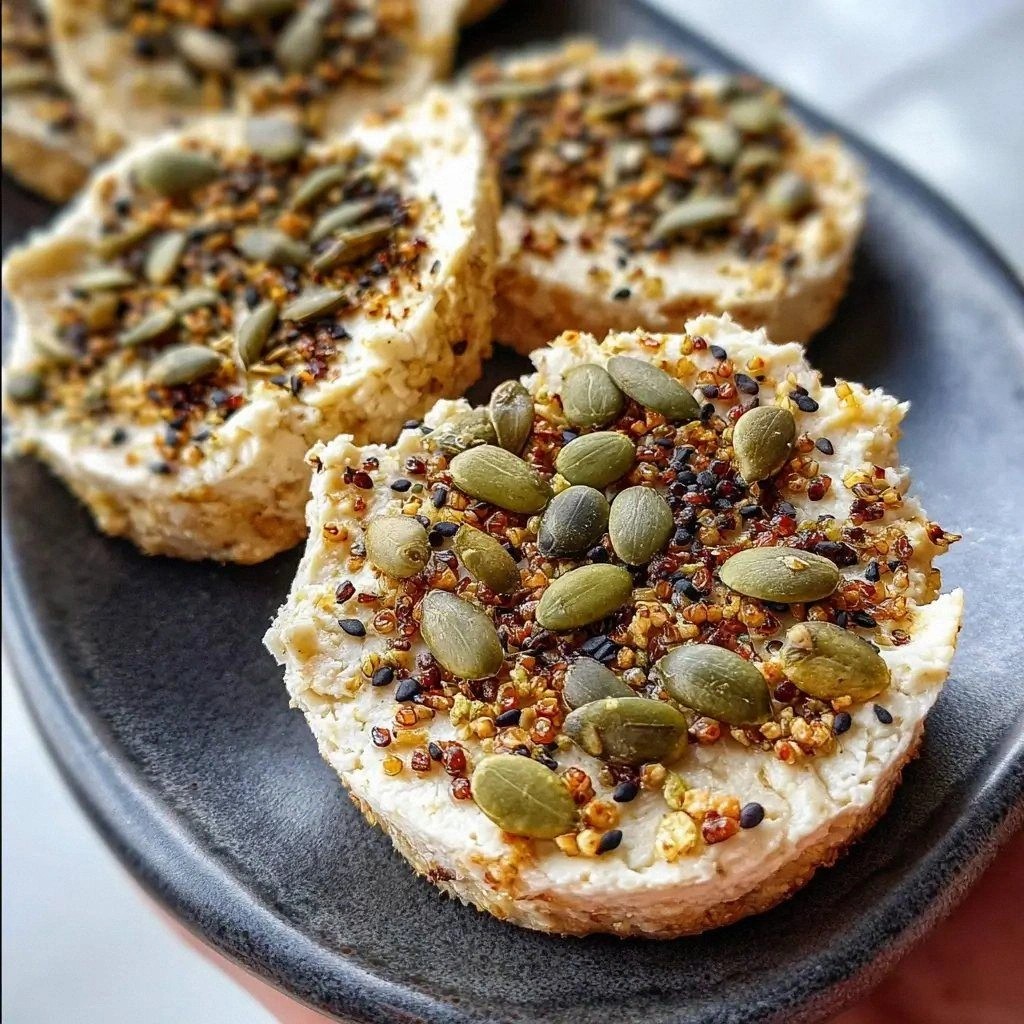
Picture this: the air is thick with the nutty aroma of toasted chickpeas, the surface of the dough glistens with a glossy sheen of olive oil, and the sound of the skillet sizzles like a tiny drumbeat. The texture is a paradox—soft, almost custard-like on the inside, while the edges crisp up to a golden crunch that shatters like thin ice. The taste is a harmonious marriage of creamy, tangy, and slightly smoky, with a whisper of cumin that lingers on the palate. You can almost hear the crunch in your mind, feel the heat of the skillet, and taste the subtle sweetness of roasted garlic. The moment you bite into one of these cakes, the world pauses and the kitchen fills with a chorus of satisfied sighs.
What sets this version apart is not just the combination of ingredients but the way I orchestrate them. I use a blend of cooked rice and hummus to create a dough that holds together without the need for flour. The result is a cake that is airy inside but firm enough to hold a spoonful of extra hummus on top. I also introduce a dash of tahini that adds a silky, nutty undertone, and a splash of lemon that cuts through the richness with a bright, citrusy lift. This is hands down the best version you'll ever make at home, because every bite feels like a revelation.
I dare you to taste this and not go back for seconds. The first bite will leave you craving more, the second will have you savoring every crumb, and the third will make you question why you ever settled for ordinary snacks. The secret lies in the balance of moisture, seasoning, and the slight char that forms on the surface. If you've ever struggled with hummus cakes that turn out too dry or too mushy, you're not alone— and I've got the fix. I’ll be honest — I ate half the batch before anyone else got to try it, and that’s a confession I’ll keep to myself.
Most recipes get this completely wrong, treating hummus as a simple dip rather than a structural component. Here’s what actually works: use freshly cooked rice, blend it with hummus until it’s smooth, add a binding agent like a beaten egg, and season it with cumin, paprika, and a pinch of salt. Then, press the mixture into a pan and cook over medium heat until the edges are crisp and the center is set. The result is a cake that is both visually stunning and delightfully textured. Picture yourself pulling this out of the oven, the whole kitchen smelling incredible, and watching the steam rise like a fragrant cloud. And now the fun part — let me walk you through every single step — by the end, you'll wonder how you ever made it any other way.
What Makes This Version Stand Out
- Texture: The combination of rice and hummus creates a dough that is moist yet firm, allowing for a perfectly crisp exterior while maintaining a tender interior.
- Flavor: A balanced mix of cumin, paprika, and tahini delivers depth, while a splash of lemon brightens the dish and keeps it from feeling heavy.
- Convenience: No need for flour or excessive wet ingredients; the rice itself acts as the binder, reducing prep time and cleanup.
- Versatility: The base can be adapted for vegan, gluten‑free, or low‑carb versions simply by adjusting the rice type or adding protein.
- Presentation: The golden crust and glossy finish make it a showstopper for brunch tables, potlucks, or casual gatherings.
- Make‑ahead potential: These cakes freeze well and reheat with minimal loss of texture, making them perfect for meal prep.
Inside the Ingredient List
The Flavor Base
The heart of this cake is the hummus, which provides both flavor and moisture. Using a creamy, well-seasoned hummus ensures that every bite carries that unmistakable garlicky, nutty undertone. If you skip the hummus, the cake loses its signature richness and becomes a bland rice patty. For those who prefer a milder taste, a light tahini drizzle can replace half of the hummus, but the result will be noticeably lighter.
When selecting hummus, opt for one that’s smooth and free of lumps; a homemade version often delivers the best texture, but store‑bought varieties with a high olive oil content work wonderfully. Freshly made hummus contains no preservatives, which keeps the cake from developing off flavors during storage. If you’re on a low‑fat diet, choose a hummus with reduced oil, but be prepared to add an extra tablespoon of olive oil to the dough to compensate.
A pinch of smoked paprika adds a subtle smokiness that elevates the overall flavor profile. The paprika also contributes a warm, earthy depth that balances the acidity of the lemon. If you’re adventurous, swap smoked paprika for regular paprika and add a dash of cayenne pepper for heat. This small tweak transforms the dish from comforting to slightly fiery, catering to spice lovers.
The Texture Crew
Cooked rice is the key binding agent in this recipe. It absorbs the hummus and creates a cohesive dough that can be pressed into shape. Use short‑grain rice for a stickier texture, while long‑grain rice yields a lighter, fluffier cake. If you’re using pre‑cooked rice, ensure it’s cooled to room temperature to avoid a soggy mixture.
A beaten egg is the secret to a firm structure, preventing the cake from falling apart. If you’re vegan, substitute the egg with a flaxseed meal slurry or a commercial egg replacer. The egg also adds a subtle richness that balances the tanginess of the hummus. Remember to whisk the egg thoroughly before mixing to avoid clumps.
Olive oil is more than a cooking medium; it lubricates the pan, prevents sticking, and adds a silky mouthfeel to the final product. Use extra‑virgin olive oil for the best flavor, but any good quality oil will do. The oil also helps the crust develop a golden, slightly charred edge that is a hallmark of this cake’s texture.
The Unexpected Star
Tahini, a sesame seed paste, is the unexpected star that brings a nutty undertone and smooth consistency. It also serves as a subtle binder, complementing the egg and rice. A tablespoon of tahini is enough to elevate the dish, but you can add more if you prefer a stronger sesame flavor. If you’re allergic to sesame, you can replace it with a tablespoon of almond butter or sunflower seed butter for a similar texture.
Lemon juice adds a bright, citrusy note that cuts through the richness of the hummus and tahini. The acidity balances the dish and prevents it from feeling too heavy. A tablespoon of fresh lemon juice is ideal, but you can use a splash of vinegar if you’re looking for a tangier profile. The citrus also helps to brighten the overall color of the cake, making it visually appealing.
The Final Flourish
Fresh parsley or cilantro adds a pop of color and a fresh herbal note that brightens the dish. It also provides a slight crunch that contrasts with the soft interior. Chop the herbs finely to avoid large chunks that could dominate the flavor. If you prefer a milder taste, use a handful of finely chopped dill instead.
Salt and pepper are the unsung heroes that bring all the flavors together. A teaspoon of salt is enough to enhance the hummus and rice, while a half teaspoon of black pepper adds a subtle heat. If you’re watching sodium, reduce the salt by half and compensate with more herbs or lemon. The pepper’s bite is essential for a well‑rounded taste.
Everything's prepped? Good. Let's get into the real action.
The Method — Step by Step
- First, heat a non‑stick skillet over medium heat and lightly coat it with olive oil. The pan should be hot enough that a drop of water sizzles upon contact but not so hot that it burns. This step is crucial for achieving a golden crust. Once the oil shimmers, set the skillet aside and keep it warm; you don’t want to start the cooking process until the dough is ready.
- While the skillet warms, combine the cooked rice, hummus, tahini, and beaten egg in a large mixing bowl. Use a spoon or a hand mixer to blend until the mixture is uniform. The dough should be thick but pliable; if it’s too dry, add a splash of warm water or a tablespoon of olive oil. This is the moment of truth—watch the dough’s consistency like a potter shaping clay.
- Season the dough with cumin, paprika, salt, and pepper. Stir until the spices are evenly distributed, then fold in the chopped parsley and a tablespoon of lemon juice. The aromatic spices should coat every crumb, creating a fragrant base. Taste a small spoonful; if it needs more brightness, add a dash more lemon.
- Press the dough into the preheated skillet, forming a circle about 3 inches thick. Use a spatula to smooth the top and press down firmly to ensure even contact with the pan. The edges should start to set within a minute, while the center remains slightly wet. This step ensures the cake holds together when you flip it.
- Cook the first side for 5–6 minutes, or until the bottom is a deep golden brown and the edges pull away from the skillet. The sound of sizzling should be steady, not frantic. Flip the cake carefully with a wide spatula, and press down gently to keep it flat. The second side will cook slightly faster due to the heat retained in the pan.
- After flipping, cook for another 4–5 minutes until the second side is also golden and the center is set. The cake should no longer feel wet in the middle. If you notice any excess oil, wipe it off with a paper towel; this will prevent the cake from becoming greasy.
- Once cooked, remove the cake from the skillet and let it rest on a wire rack for 2 minutes. Resting allows the steam to redistribute, preventing sogginess. During this time, you can drizzle a thin layer of tahini over the top for an extra burst of flavor.
- Slice the cake into wedges while still warm, and serve immediately with a side of extra hummus or a fresh salad. The contrast of the warm, crispy edges with the cool, creamy dip creates a sensory delight. If you’re serving a crowd, keep the remaining wedges warm in a low oven (200°F) until ready to serve.
- If you prefer a slightly crispier texture, place the finished cakes under a broiler for 1–2 minutes, watching closely to avoid burning. The broiler will caramelize the surface, giving it a subtle char that enhances the flavor profile. Keep the cakes on a wire rack to cool; this prevents them from steaming and losing their crispness.
- Serve the cakes hot, accompanied by a drizzle of extra virgin olive oil and a sprinkle of paprika for an elegant finish. The aroma of fresh herbs and toasted spices will fill the room, making the dish irresistible. Enjoy the moment of triumph—you’ve just created a masterpiece from a midnight snack crisis.
Insider Tricks for Flawless Results
The Temperature Rule Nobody Follows
Many cooks assume that a higher heat will cook faster, but this recipe thrives at medium heat. A steady 350°F ensures even browning and a tender center. If you crank the heat too high, the exterior will burn while the interior remains undercooked. I once tried a high‑heat approach, and the cake was a charred disappointment. Keep the skillet at a consistent medium temperature and you’ll achieve the perfect balance.
Why Your Nose Knows Best
The aroma of the hummus and spices is your best indicator of doneness. A subtle nutty scent signals that the rice has absorbed enough moisture. When the smell shifts to a toasted, caramelized aroma, the cake is ready to flip. Trust your senses; they’ve been trained by years of cooking and will guide you to perfection.
The 5‑Minute Rest That Changes Everything
After cooking, let the cake rest for exactly five minutes before slicing. This rest period allows the steam to redistribute, preventing the edges from becoming soggy. It also lets the flavors meld, creating a harmonious taste. Skipping this step may result in a cake that feels dry on the outside and watery inside.
The Right Pan Matters
A heavy‑bottomed skillet retains heat better, ensuring even cooking. Non‑stick pans are convenient, but a cast‑iron skillet delivers superior crust development. If you’re using a non‑stick pan, be sure to preheat it thoroughly; otherwise, the dough will stick and tear when you flip it. I’ve seen beginners struggle with sticking; a well‑heated skillet is a game‑changer.
The Quick Chill Trick
If you need to prepare the dough ahead of time, refrigerate the mixture for up to 24 hours. The cold temperature firm up the dough, making it easier to shape and cook. Just bring it back to room temperature before cooking to avoid a cold center. This trick is especially useful for busy weeknights.
Creative Twists and Variations
This recipe is a playground. Here are some of my favorite ways to switch things up:
Mediterranean Melt
Swap the parsley for chopped sun‑dried tomatoes and add a handful of crumbled feta. The salty feta and sweet tomatoes create a Mediterranean vibe that pairs beautifully with the hummus base. Serve with a side of tzatziki for a full flavor experience.
Spicy Southwestern
Add a teaspoon of chipotle powder and a pinch of cumin to the dough for a smoky, spicy kick. Top the cake with a dollop of avocado crema and sprinkle with chopped cilantro. This version is perfect for a bold, adventurous palate.
Vegan Powerhouse
Replace the egg with a flaxseed meal slurry (1 tablespoon flaxseed + 3 tablespoons water, let sit for 5 minutes). Use a dairy‑free hummus and a splash of apple cider vinegar for extra tang. This version is protein‑rich and entirely plant‑based.
Low‑Carb Delight
Swap the rice for cauliflower rice, and use a low‑carb hummus made from avocado. The cauliflower adds a subtle earthiness while keeping carbs low. This version is perfect for keto or paleo enthusiasts.
Breakfast Boost
Add a tablespoon of chia seeds and a pinch of cinnamon to the dough for a breakfast twist. Serve with a drizzle of honey and fresh berries. The chia seeds add a pleasant crunch, while the cinnamon provides warmth.
Storing and Bringing It Back to Life
Fridge Storage
Cool the cakes completely, then wrap them tightly in plastic wrap and store in the refrigerator for up to 3 days. The airtight wrap prevents the cakes from drying out and preserves the moisture inside. When ready to serve, let them sit at room temperature for 10 minutes before reheating.
Freezer Friendly
Place individual cakes on a parchment‑lined tray and freeze until solid. Transfer the frozen cakes to a resealable bag and store for up to 2 months. When you’re ready to enjoy, thaw overnight in the refrigerator or microwave on low for 2 minutes.
Best Reheating Method
Preheat the oven to 350°F and place the cakes on a baking sheet. Warm for 8–10 minutes until hot throughout. Add a tiny splash of water before reheating; the steam will restore the cake’s soft interior while keeping the crust crisp. Avoid microwaving, as it can make the cake soggy.