One Pot Shrimp and Sausage Jam
Picture this: a quiet Saturday afternoon, the kitchen lights humming, and the scent of something extraordinary drifting from the stove. I was on a culinary mission to turn a pantry of leftovers into a dish that would make my friends ask, “Where did you get that?” The result? A one‑pot jambalaya that feels like a hug from a Southern kitchen, but with a twist that makes every bite a revelation. I’m not kidding—this is hands down the best version you'll ever make at home.
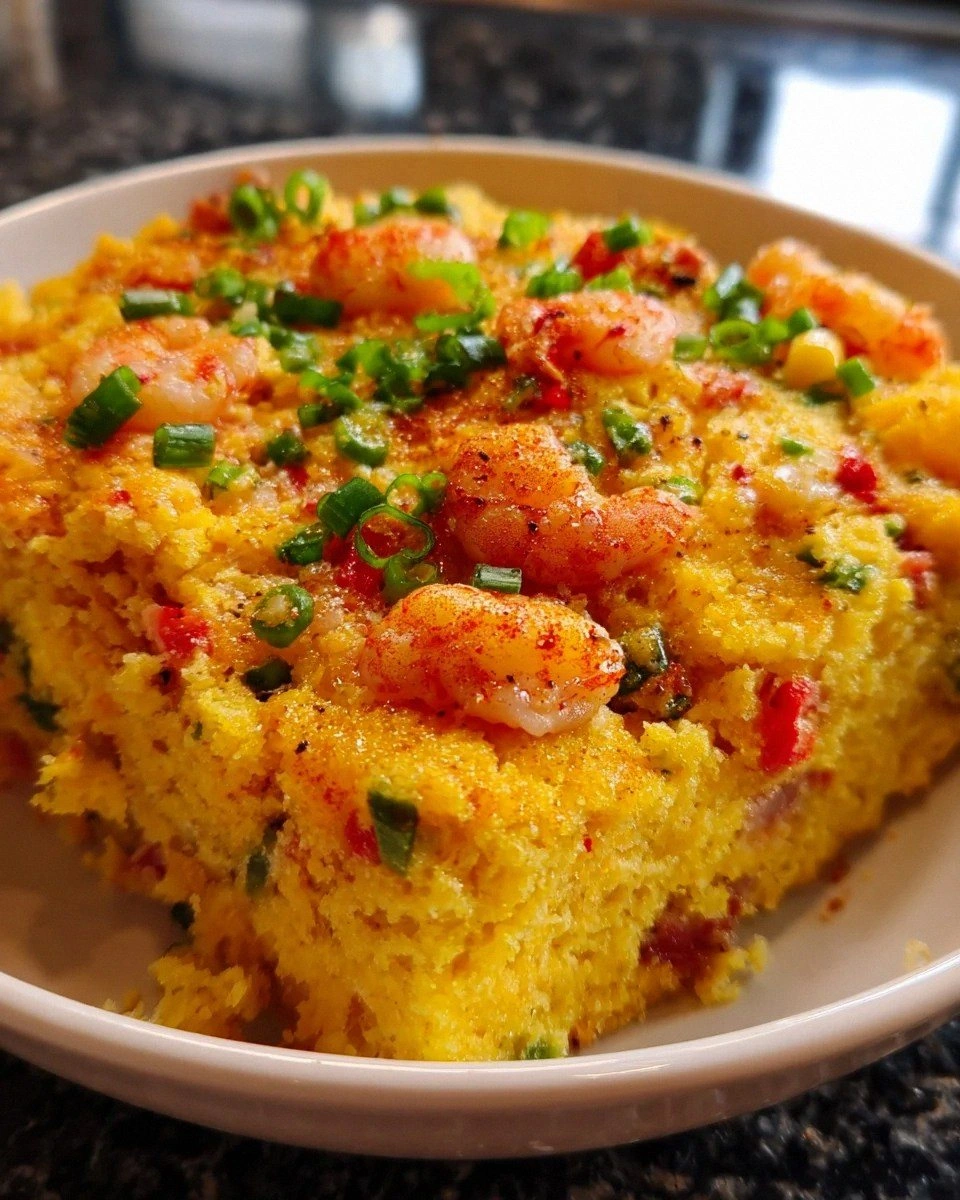
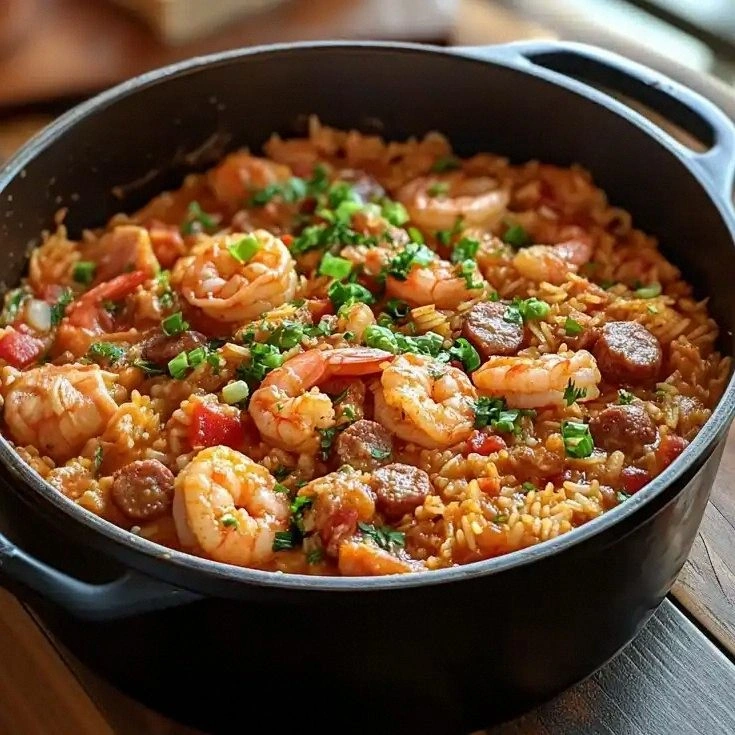
First, the visual. A deep, amber broth glistening with slices of smoked sausage, speckled with bright green and red peppers. The shrimp blush pink, the rice looks like it’s been kissed by a sunrise. The aroma is a symphony of smoky paprika, sharp thyme, and a whisper of cayenne that lingers like a secret. When you lift the pot, steam swirls in a cloud that smells of comfort and adventure. I dare you to taste this and not go back for seconds.
There’s a reason this recipe feels like a revelation. It’s not just the combination of flavors; it’s the technique that locks everything into place. The sausage is browned first, releasing its oils and creating a base that’s rich without being greasy. The vegetables are sautéed until they’re just caramelized, preserving their crunch and adding depth. The rice is toasted before the liquids are added, giving it a nutty undertone that stands up to the bold spices. Finally, the shrimp are added at the last moment, ensuring they stay tender and never over‑cooked into rubbery mush.
And there’s a twist you won’t see on the other side of the internet—using diced tomatoes as a natural sweetener that balances the heat, plus a splash of fresh parsley that brightens the dish with a citrusy lift. That subtle brightness is what makes this jambalaya feel fresh and alive. Stay with me here—this is worth it. Let me walk you through every single step, and by the end, you’ll wonder how you ever made it any other way.
What Makes This Version Stand Out
- Bold Flavor: The smoky andouille sausage pairs with a Cajun seasoning blend that punches through every bite, creating a depth that’s both comforting and daring.
- Texture Harmony: The rice is toasted to a golden hue, giving it a satisfying bite that contrasts with the tender shrimp and crisp veggies.
- One‑Pot Simplicity: No more pots, pans, or dishes to wash—everything cooks together in a single, forgiving vessel.
- Time‑Saving Technique: By browning the sausage first and sautéing the aromatics early, the cooking time is cut by nearly 10 minutes.
- Crowd‑Pleaser: The dish scales easily, making it perfect for a family dinner or a weekend gathering with friends.
- Fresh Finish: A final splash of parsley and green onions brings brightness that lifts the entire flavor profile.
Inside the Ingredient List
The Flavor Base
Olive oil and andouille sausage form the foundation. The oil allows the sausage to render its fat, creating a savory base that carries the spices. If you skip the oil, the sausage will stick and the dish will lose its glossy sheen. You can swap andouille for smoked kielbasa, but the smoky profile will be slightly different—think less peppery, more earthy.
The Texture Crew
Onions, bell peppers, celery, and garlic bring the classic “holy trinity” of Cajun cooking. Each vegetable contributes a distinct mouthfeel: the onions offer a soft sweetness, the peppers a juicy crunch, the celery a subtle snap, and the garlic a lingering warmth. Skipping any of these will flatten the dish’s complexity. Fresh, firm vegetables are best; avoid pre‑cut bags that can be watery.
The Unexpected Star
Long‑grain rice is the unsung hero. Its slender grains absorb the broth without becoming mushy, maintaining a satisfying bite. If you’re craving a healthier twist, swap in cauliflower rice—but you’ll need to reduce the liquid by about ¾ cup to keep the texture right.
The Final Flourish
Fresh parsley, green onions, and a dash of cayenne pepper finish the dish with a bright, peppery note that cuts through the richness. If you’re sensitive to heat, reduce the cayenne to ⅛ teaspoon. The parsley’s chlorophyll gives a fresh, green aroma that’s almost musical.
Everything’s prepped? Good. Let’s get into the real action...
The Method — Step by Step
-
Heat a large, heavy‑bottom pot over medium heat. Add the tablespoon of olive oil and swirl to coat. Drop in the sausage, breaking it into bite‑sized pieces. Let it brown for 5–6 minutes, stirring occasionally, until it releases a fragrant aroma and turns a deep golden brown. This step builds a flavorful base that will carry the rest of the dish. Watch the edges of the sausage caramelize; that’s the sign you’re on the right track.
-
Introduce the diced onion, green and red peppers, and celery stalks. Sauté for 3–4 minutes, until the vegetables soften but still hold a slight crunch. Add the minced garlic and cook for an additional minute, just until fragrant. The garlic’s scent should mingle with the smoky sausage, creating a heady perfume that fills the kitchen. Don’t rush this step; a gentle sauté preserves the veggies’ textures.
-
Sprinkle in the Cajun seasoning, smoked paprika, dried thyme, and cayenne pepper. Stir vigorously, coating every piece of vegetable and sausage. The spices should toast for about 30 seconds, releasing their oils and deepening their flavor. The mixture should look slightly darker, almost caramelized, which signals that the spices are fully activated.
-
Pour in the long‑grain rice, stirring to toast it lightly for 2 minutes. The rice should take on a subtle nutty aroma and a golden hue. Then add the diced tomatoes (with their juice) and chicken broth. Bring the mixture to a gentle boil, then reduce the heat to low. Cover the pot and let it simmer for 15 minutes, allowing the rice to absorb the liquid while the flavors meld.
-
After 15 minutes, give the pot a gentle stir to break up any sticking rice. Add the shrimp, arranging them on top so they sit in the simmering liquid. Cover and continue to cook for another 5–6 minutes, or until the shrimp turn opaque and pink. The shrimp should be juicy and tender—no rubbery texture. This is the moment of truth; the shrimp’s color and texture will dictate the dish’s final appeal.
-
Stir in the chopped green onions and parsley, reserving a small handful of parsley for garnish. Season with salt and pepper to taste. The fresh herbs add a bright, green counterpoint to the smoky base, while the seasoning ensures balance. Let the pot sit, covered, for 2 minutes off the heat to allow the flavors to settle.
-
Fluff the rice with a fork, then ladle the jambalaya into bowls. Garnish each serving with the reserved parsley, a drizzle of olive oil, and a squeeze of fresh lime if you’re feeling adventurous. The dish should look vibrant, the colors vivid, and the aroma intoxicating. Your guests will be wowed by the depth of flavor and the ease of preparation.
-
Serve immediately, perhaps with a side of crusty bread or a crisp green salad. If you’re planning to serve later, keep the jambalaya warm on a low flame or in a slow cooker set to “warm.” The rice will stay fluffy, and the shrimp will remain tender. That’s it—you did it. But hold on, I’ve got a few more tricks that’ll take this to another level...
Insider Tricks for Flawless Results
The Temperature Rule Nobody Follows
Many people start cooking jambalaya on high heat, which can cause the rice to scorch at the bottom while the rest remains undercooked. I’ve discovered that a steady low simmer is the secret to even cooking. Keep the pot covered and let the liquid gently bubble. If you’re using a cast‑iron skillet, the heat distribution is even, preventing hot spots.
Why Your Nose Knows Best
As the dish simmers, you’ll notice a subtle shift in aroma. When the spices start to “pop” and the rice begins to absorb liquid, the smell will turn from raw to toasted. Trust that scent; it’s the cue that the flavors are aligning. If you smell a burnt note, reduce the heat immediately.
The 5‑Minute Rest That Changes Everything
After cooking, let the jambalaya sit, covered, for 5 minutes before serving. This short rest allows the rice to finish absorbing any remaining liquid, resulting in a fluffier texture. It also lets the flavors meld further, creating a richer taste profile.
Keep It Simple with the Right Pot
A wide, shallow pot is ideal because it gives the rice more surface area to toast and prevents sticking. If you’re limited to a deep skillet, add a splash of water to the bottom before adding the rice to prevent scorching.
Fresh vs. Frozen Shrimp
Fresh shrimp are preferred for their texture, but frozen shrimp can work if you thaw them properly. Pat them dry and season before adding to the pot; this prevents excess water from diluting the broth.
Creative Twists and Variations
This recipe is a playground. Here are some of my favorite ways to switch things up:
Smoky Chipotle Twist
Swap the smoked paprika for chipotle powder and add a splash of adobo sauce. The result is a smoky, slightly sweet heat that pairs wonderfully with the shrimp.
Vegan Version
Omit the sausage and shrimp; instead, add crumbled tofu and a can of chickpeas. Keep the Cajun seasoning and tomatoes to preserve the flavor profile.
Brown Rice Upgrade
Replace the long‑grain rice with brown rice for a nuttier texture. Increase the liquid by ½ cup and extend the cooking time by 10 minutes to accommodate the longer absorption.
Seafood Medley
Add mussels or clams along with the shrimp. They’ll cook in the broth, adding a briny depth that complements the sausage’s smokiness.
Low‑Carb Kick
Swap the rice for cauliflower rice and reduce the broth to 2 cups. The dish will still be hearty, but with fewer carbs and a lighter feel.
Spicy Coconut Finale
Finish the jambalaya with a splash of coconut milk and a sprinkle of curry powder. The creamy coconut balances the heat and adds a tropical twist.
Storing and Bringing It Back to Life
Fridge Storage
Cool the jambalaya to room temperature, then transfer it to an airtight container. Store in the refrigerator for up to 3 days. The rice may settle slightly; a quick stir before reheating will re‑distribute the flavors.
Freezer Friendly
Place the cooled jambalaya in a freezer‑safe container, leaving a small gap at the top for expansion. Freeze for up to 3 months. Thaw overnight in the fridge before reheating.
Best Reheating Method
Reheat on the stovetop over low heat, adding a splash of water or broth to loosen the rice. Heat until steaming, stirring occasionally. A tiny splash of water before reheating steams back to perfection, preventing the rice from drying out.