I was halfway through a chaotic Sunday dinner when the stove exploded into a smoky haze. A neighbor’s casserole had turned into a culinary disaster, and my taste buds were begging for redemption. That night, I decided to pivot from the burnt to the brilliant, and I pulled out the freshest flank steak, plump shrimp, and a rainbow of vegetables I’d just bought. I imagined a sizzling, fragrant pan that would whisper “home” in every bite, and the idea of a quick stir‑fry seemed like the perfect antidote. This recipe is the answer to every kitchen mishap that ends with a ruined meal and a craving for something that actually works.
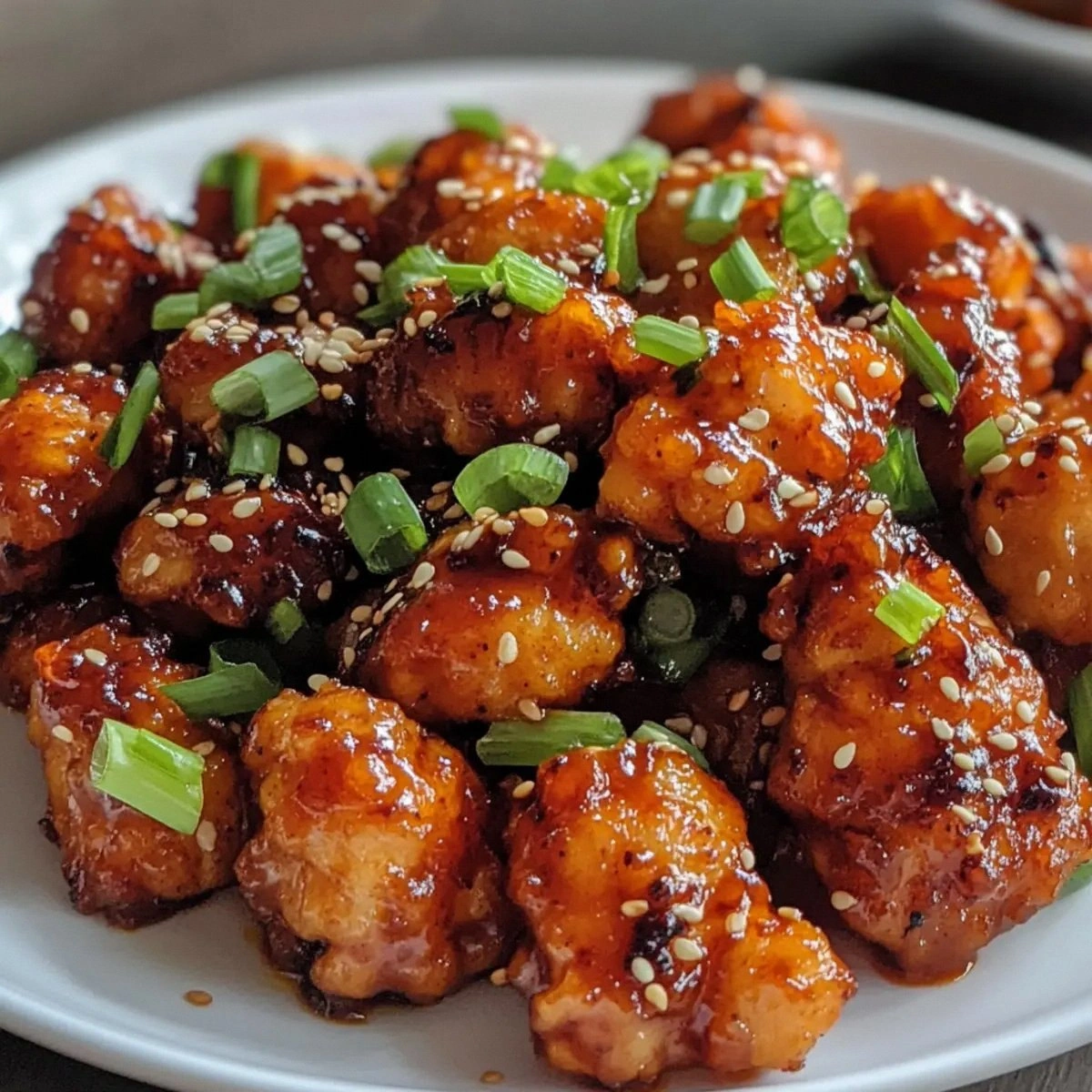
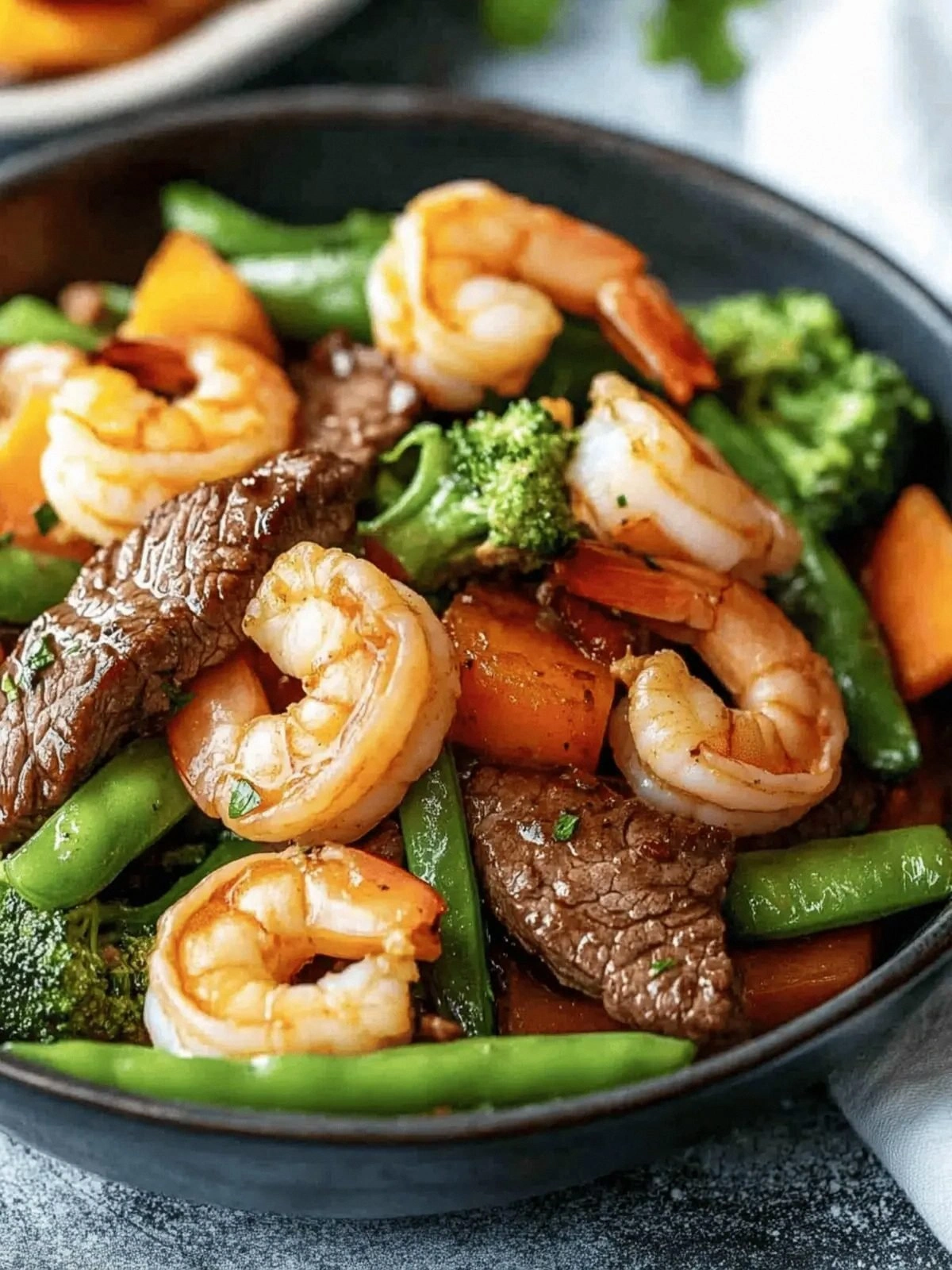
Picture the moment the steak hits the hot pan: a hiss that turns into a caramelized crust, the shrimp turning from translucent to a rosy pink, and the vegetables popping into a crunchy, vibrant medley. The scent of garlic and ginger rises, mingling with soy sauce to create an aroma that feels like a warm hug from a distant cousin’s kitchen. The sound is a satisfying series of sizzles, each one a promise that the flavors are locking in. The texture is a delightful contrast—meaty, crisp, and slightly tender—while the sauce clings to every surface like velvet. If you’ve ever tasted a dish that feels like a hug, you’ll recognize this as the culinary equivalent of a comforting, savory blanket.
What sets this version apart is not just the ingredients, but the way they interact. I’ve perfected the balance of umami, heat, and subtle sweetness, so every bite sings without overwhelming your palate. The technique of quick searing locks in juices, giving the steak a buttery finish that’s almost impossible to find in a rushed weeknight meal. I dared to add sesame seeds at the very end, creating a nutty crunch that punctuates the dish’s silky sauce. The result is a dish that feels like a five‑star restaurant experience, yet can be whipped up in under 45 minutes. I dare you to taste this and not go back for seconds.
This isn’t just another stir‑fry; it’s a culinary revelation that turns a simple skillet into a stage for flavor fireworks. The boldness of soy, the subtlety of ginger, and the crunch of fresh veggies come together in a harmony that will have your guests asking for the recipe. I’ve stripped away the fluff and kept the heart of the dish—flank steak and shrimp—so you’ll get the protein punch you need for a satisfying dinner. If you’ve ever struggled with a lackluster stir‑fry, you’re not alone—and I’ve got the fix. Let me walk you through every single step — by the end, you’ll wonder how you ever made it any other way.
What Makes This Version Stand Out
- Flavor: The soy‑ginger glaze coats each ingredient like a glossy coat, creating a savory depth that lingers on the tongue. The subtle sweetness of the sauce balances the umami, leaving a clean finish that invites another bite.
- Texture: The steak is seared to a caramelized crust while remaining juicy inside, and the shrimp stays firm yet tender. The vegetables maintain their snap, adding a satisfying crunch that contrasts with the silky sauce.
- Speed: You can have a restaurant‑quality dinner on the table in under 45 minutes, making it a perfect solution for busy weeknights or last‑minute dinner parties.
- Versatility: Swap the flank steak for sirloin or use frozen shrimp for a quick fix—this dish adapts to whatever you have on hand.
- Nutrition: Packed with lean protein, colorful veggies, and healthy fats from sesame seeds, it’s a balanced meal that satisfies without the guilt.
- Visual Appeal: The rainbow of colors—from crimson bell pepper to emerald broccoli—makes the plate as appetizing as it is nutritious.
Inside the Ingredient List
The Flavor Base
Soy sauce is the backbone of this stir‑fry, providing a savory umami foundation that elevates every component. A tablespoon of cornstarch, when mixed with a splash of water, creates a silky slurry that thickens the sauce into a glossy glaze. If you skip the cornstarch, the sauce will stay watery and fail to cling to the proteins and veggies.
The Texture Crew
Flank steak, when sliced thinly and marinated briefly, offers a juicy, meaty bite that contrasts beautifully with the shrimp’s delicate texture. Shrimp adds a briny sweetness and a pop of color, while the bell pepper and broccoli deliver a satisfying crunch. The carrot’s slight sweetness balances the savory notes, creating a harmonious flavor profile.
The Unexpected Star
Sesame seeds aren’t just a garnish—they’re a burst of nutty flavor that adds depth and a subtle crunch. The final sprinkle of sesame seeds at the end of cooking locks in their aroma, giving the dish a finishing touch that’s both elegant and delicious. Skipping them results in a less complex taste profile.
The Final Flourish
Green onions add a fresh, sharp finish that cuts through the richness of the sauce. A pinch of salt and pepper to taste are essential for balancing the flavors, ensuring no single element overpowers the others. The combination of all these ingredients creates a dish that’s both comforting and exciting.
Everything’s prepped? Good. Let’s get into the real action…
The Method — Step by Step
- First, heat a large skillet or wok over medium‑high heat until it’s smoking. Add one tablespoon of vegetable oil, letting it shimmer. When the oil is hot, add the flank steak strips in a single layer, searing them for 1–2 minutes on each side until they develop a dark crust. This quick sear locks in juices and creates a caramelized exterior. Remember, the steak should not be overcooked; it’s meant to finish in the sauce.
- While the steak is resting, toss the shrimp in a bowl with the cornstarch slurry and a pinch of salt. The cornstarch gives the shrimp a silky coating that caramelizes slightly in the pan. Return to the skillet and cook the shrimp for 2 minutes on each side until they turn pink and opaque. The shrimp should be tender, not rubbery. This step is crucial for a perfect texture.
- Remove the steak and shrimp from the pan and set them aside. Add the remaining tablespoon of oil to the same skillet, then toss in the minced garlic and ginger. Sauté for 30 seconds until fragrant, being careful not to burn them. The aroma should be intoxicating, signaling that the base flavors are ready.
- Add the bell pepper and broccoli florets, stirring constantly. Cook for 3–4 minutes, allowing the vegetables to crisp slightly while retaining their bright colors. The goal is a tender‑crisp texture that holds up against the sauce.
- Pour in the soy sauce, then add the carrot slices. Stir to combine, letting the sauce coat the veggies evenly. The sauce should reduce slightly, thickening into a glossy glaze. Keep the heat at medium to avoid burning.
- Return the steak and shrimp to the skillet, tossing everything together. Cook for an additional 2 minutes, allowing the proteins to reheat and the flavors to meld. The sauce should coat the meat and vegetables like a velvet blanket.
- Add the green onions and sesame seeds, giving the dish a final bright burst of freshness. Toss quickly to distribute the seeds evenly, ensuring each bite has a nutty crunch. The sesame seeds should be toasted slightly for a deeper flavor.
- Taste and adjust seasoning with salt and pepper as needed. A pinch of pepper adds a subtle heat that complements the sweetness of the shrimp. The final dish should be well-balanced, with no single flavor overpowering the others.
- Serve immediately over steamed rice or noodles, garnishing with extra sesame seeds if desired. The steam from the rice will help keep the stir‑fry warm and the sauce silky. This dish is best enjoyed hot, as the flavors are at their peak freshness.
That’s it — you did it. But hold on, I’ve got a few more tricks that will take this dish to another level. These tips will help you avoid common pitfalls and ensure every bite is as perfect as the first.
Insider Tricks for Flawless Results
The Temperature Rule Nobody Follows
Heat is the secret weapon in a stir‑fry. If the pan is too hot, the proteins will sear too quickly, leaving the interior raw. If it’s too cool, the vegetables will steam instead of crisp. I always test the temperature by flicking a drop of water into the pan; if it sizzles immediately, you’re ready to cook.
Why Your Nose Knows Best
The aroma of garlic and ginger is a reliable indicator that the base flavors are developing. If the smell feels flat, the oil is too low, and you need to add a splash more. A strong, fragrant aroma signals that the sauce is ready to absorb the proteins.
The 5-Minute Rest That Changes Everything
Once the steak is seared, let it rest for 5 minutes before cutting. This allows the juices to redistribute, ensuring each bite is juicy. Skipping this step results in a dry, overcooked steak.
The Quick Toss Technique
When adding the vegetables, toss them constantly. This prevents them from sitting in one spot and steaming. A quick toss keeps the veggies crisp and ensures even coating of sauce.
The Final Seal
Adding sesame seeds at the very end preserves their crunch. If you add them too early, they’ll become soggy in the sauce. A final sprinkle right before serving keeps the texture intact.
Creative Twists and Variations
This recipe is a playground. Here are some of my favorite ways to switch things up:
Spicy Sriracha Kick
Add a tablespoon of sriracha to the sauce for a fiery punch that pairs wonderfully with the sweet shrimp. The heat will balance the umami and give the dish a bold personality.
Citrus Zest Finale
Finish the dish with a squeeze of fresh lime or lemon. The citrus brightens the flavors and adds a refreshing contrast to the richness of the sauce.
Mushroom Medley
Replace the broccoli with a mix of shiitake and button mushrooms. Their earthy tones add depth, making the dish feel more rustic and hearty.
Teriyaki Twist
Swap soy sauce for teriyaki sauce and reduce the sugar content by adding a splash of mirin. The result is a sweeter, glazed finish that’s reminiscent of Japanese cuisine.
Pineapple Party
Add a cup of pineapple chunks for a tropical twist. The natural sugars caramelize in the pan, creating a sweet‑savory balance that’s hard to resist.
Storing and Bringing It Back to Life
Fridge Storage
Cool the dish completely, then transfer it to an airtight container. It will keep well for 2–3 days in the refrigerator. The sauce may thicken slightly, but it will still be delicious.
Freezer Friendly
For longer storage, portion the dish into freezer‑safe containers and freeze for up to 2 months. Thaw overnight in the refrigerator before reheating. The flavors will stay vibrant, and the texture will remain intact.
Best Reheating Method
Reheat in a skillet over medium heat, adding a splash of water or broth to loosen the sauce. Stir frequently until heated through. A tiny splash of water steams the dish back to its original silky texture.