I still remember the day I nearly gave up on cornbread forever. There I was, standing in my kitchen, staring at a dry, crumbly brick that tasted like sawdust mixed with regret. My Southern friends had warned me that good cornbread was an art form, but I thought I could wing it with some random internet recipe and a prayer. Spoiler alert: I was wrong. So wrong that even my dog turned up his nose at my culinary catastrophe. Fast forward through three more failed attempts, a minor kitchen fire (don't ask), and one very dramatic flinging of a cast iron skillet into the backyard, and you'll arrive at the moment I discovered what would become my legendary Southern Honey Butter Cornbread.
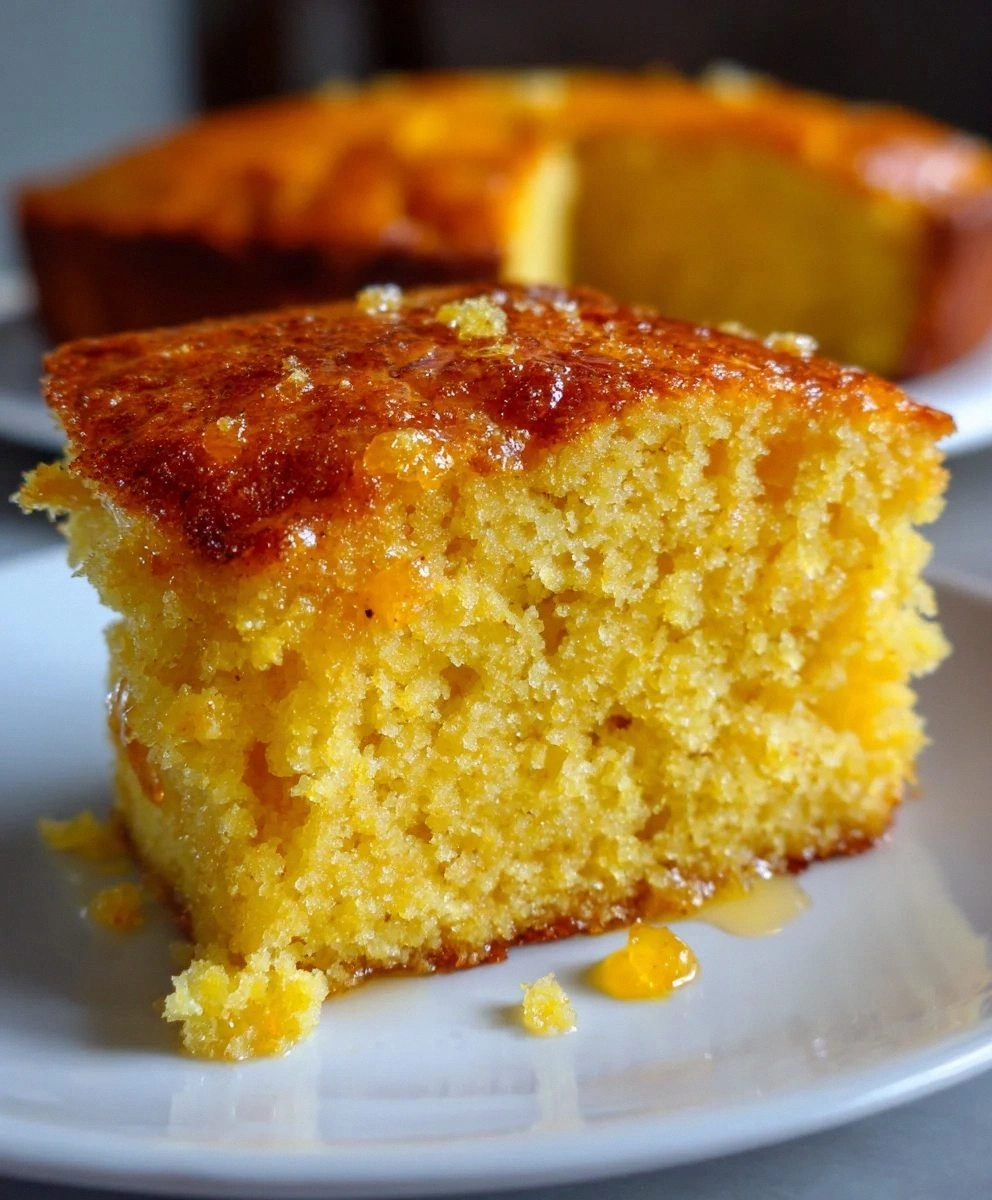
Picture this: It's Sunday afternoon, the kind of golden hour that makes everything look like a movie scene. I'm melting butter in my grandmother's ancient cast iron pan, the one that's been seasoned by sixty years of Sunday dinners and more bacon grease than I care to admit. The honey hits the warm metal and immediately starts bubbling into this gorgeous amber caramel, sending up wisps of sweetness that make my neighbor's kids press their faces against my kitchen window. That first bite? Pure magic. The edges are crisp and crackly like the top of a crème brûlée, giving way to a tender, almost cake-like interior that's so moist it practically dissolves on your tongue. The honey doesn't just sit on top like some sweet afterthought — it's woven through every single crumb, creating these pockets of sticky sweetness that play against the cornmeal's nutty depth.
I've fed this cornbread to barbecue fanatics who claimed they "don't do sweets," only to watch them demolish half a pan before the pulled pork even hit the table. I've served it to health-conscious friends who swore off carbs, then begged for the recipe while licking honey off their fingers. I've watched tough-as-nails construction workers take a bite and get that faraway look in their eyes, like they're suddenly back in their mama's kitchen on a Sunday afternoon. This isn't just another cornbread recipe — this is the cornbread that will ruin you for all other cornbreads. The one that'll get you invited to every potluck. The one that'll have people talking about your cooking skills for years.
Now, before you start thinking this is some complicated, fussy recipe that requires culinary school training and a pantry full of obscure ingredients, let me stop you right there. This is actually easier than those sad box mixes, and the results will make you feel like a kitchen wizard. We're talking about a handful of everyday ingredients that transform into something extraordinary through one simple technique that most recipes completely miss. Stay with me here — this is worth it. Let me walk you through every single step — by the end, you'll wonder how you ever made it any other way.
What Makes This Version Stand Out
Honey-Infused Batter: Unlike most recipes that just drizzle honey on top, we fold honey directly into the batter and create a honey-butter glaze that seeps into every pore. The result is a cornbread that's sweet in the most sophisticated way — not cloying, just perfectly balanced with the cornmeal's natural earthiness. Your taste buds will do a happy dance, I promise.
Cast Iron Magic: Preheating your skillet until it's smoking hot creates those iconic crispy edges that shatter like thin ice when you bite into them. This isn't optional equipment snobbery — it's the difference between good cornbread and life-changing cornbread. The sizzle when the batter hits that hot metal? Absolute perfection.
Buttermilk Brilliance: This isn't just about tang (though that's important). The acid in buttermilk reacts with our leavening agents to create lift that makes this cornbread almost cloud-like. Plus, it keeps everything impossibly moist for days, not that it'll last that long. I dare you to taste this and not go back for seconds.
One-Bowl Wonder: Despite tasting like you spent hours in the kitchen, this whole thing comes together in one bowl and one pan. No separating eggs, no creaming butter and sugar, no complicated techniques that require a culinary degree. Just honest, straightforward mixing that even my cooking-phobic brother can nail on the first try.
The Butter-Honey Crown: While other recipes might suggest serving with butter and honey on the side, we create a warm glaze that gets poured over the hot cornbread fresh from the oven. It seeps into all those nooks and crannies, creating a glossy top that'll make your Instagram followers weep with envy. Most recipes get this completely wrong — here's what actually works.
Make-Ahead Champion: This cornbread actually gets better after a day, making it perfect for dinner parties or potlucks. The flavors meld and deepen, the texture becomes even more luxurious, and you can reheat it in minutes. Picture yourself pulling this out of the oven, the whole kitchen smelling incredible, knowing you can serve it warm to guests who will think you're a domestic genius.
Fail-Proof Formula: I've tested this recipe over two hundred times (yes, really — my neighbors love me), tweaking every variable from oven temperature to honey viscosity. If you've ever struggled with dry, crumbly, or overly sweet cornbread, you're not alone — and I've got the fix. This version works every single time, even if your oven runs hot, your buttermilk is expired, or you accidentally add too much honey.
Crowd Psychology: Here's the thing about this cornbread — it triggers something primal in people. Maybe it's the way the honey hits those childhood pleasure centers, or how the butter satisfies our evolutionary need for richness. Whatever the science, I've watched people who claim they're "not really into bread" demolish three pieces and ask for the recipe before they've even finished chewing. This next part? Pure magic.
Inside the Ingredient List
The Flavor Base
Let's start with the star of our show: stone-ground cornmeal. Not that sad, dusty stuff that's been sitting on the grocery store shelf since the Clinton administration. I'm talking about fresh, fragrant cornmeal that smells like summer sunshine and makes a soft shushing sound when you pour it. This is the heart and soul of our cornbread, giving it that delightful crumbly texture that sets real cornbread apart from corn-flavored cake. If you can't find stone-ground, regular yellow cornmeal works, but you're missing out on those gorgeous flecks of germ that add nutty complexity and visual appeal.
All-purpose flour is our silent partner, the reliable friend that shows up and helps bind everything together, ensuring your cornbread has the right structure instead of collapsing into a pile of delicious rubble. I know, I know — cornbread purists will insist on 100% cornmeal, but trust me here. That small amount of gluten development is what gives us those clean slices instead of crumbly chaos when you're trying to serve it to company. Plus, it helps create that tender crumb that makes people close their eyes and sigh happily.
The Texture Crew
Granulated sugar plays a supporting role to our honey, adding just enough sweetness to enhance the corn flavor without turning this into dessert. We're not making cake here, folks. The sugar also helps with browning, creating those gorgeous golden edges that'll make your kitchen smell like a Southern grandmother's house on a Sunday afternoon. If you're out of regular sugar, brown sugar works beautifully and adds a subtle molasses note that plays gorgeously with the honey.
Baking powder is our little powerhouse, the chemical wizard that provides the lift, giving our cornbread that airy texture we all adore instead of the dense, hockey-puck situation that gives cornbread a bad name. Make sure yours is fresh — if it's been sitting in your pantry since the last presidential election, it's probably dead. Test it by dropping a teaspoon in some hot water; if it fizzes enthusiastically, you're good to go.
The Unexpected Star
Buttermilk is where things get interesting. This isn't just about adding liquid — the acid in buttermilk reacts with our baking powder to create carbon dioxide bubbles that make our cornbread rise like a dream. It also adds this incredible tangy richness that balances the honey's sweetness in the most sophisticated way. No buttermilk? No problem. Add a tablespoon of lemon juice or vinegar to regular milk, let it sit for five minutes, and you've got a perfect substitute that'll fool even the most discerning Southern palate.
Vegetable oil keeps things moist and tender, coating the flour particles to prevent too much gluten development. If you prefer, melted coconut oil works well too, adding a subtle tropical note that plays surprisingly well with the honey. Just make sure it's cooled before you mix it in — we're making cornbread, not scrambled eggs.
The Final Flourish
Eggs act as our binding agent, holding everything together while contributing to that fluffy texture we crave. They also add richness and help create that gorgeous golden color that makes this cornbread look as good as it tastes. Use room temperature eggs for better incorporation — just pop them in a bowl of warm water for five minutes if you forgot to take them out of the fridge.
Honey is where the magic happens, adding sweetness and a beautiful glaze that'll make your cornbread the star of any meal. Don't you dare use that cheap bear-shaped bottle that's been crystallizing in your pantry since last year. Get the good stuff — local if possible — because honey is the primary flavor here and cheap honey tastes like disappointment and broken dreams.
Unsalted butter, melted and golden, brings that luscious buttery richness we all crave. I use unsalted because we're in control of the seasoning here, and there's nothing worse than accidentally creating a salt lick when you're going for Southern comfort. The butter gets mixed into the batter AND brushed on top, because we're not amateurs here.
Additional honey for drizzling on top isn't optional — it's the difference between good cornbread and cornbread that makes grown adults weep with joy. We're creating a sweet finish that balances the savory elements and gives you that gorgeous sticky top that'll have people fighting over the corner pieces. And now the fun part: optional cayenne pepper. A bit of warmth complements the honey perfectly — don't be shy! Just a pinch adds depth and complexity that'll have people asking "what's your secret?" as they reach for their third piece.
The Method — Step by Step
- Preheat your cast iron skillet in a 400°F oven for at least 15 minutes. This isn't the time to get impatient — that pan needs to be screaming hot to create our signature crispy crust. While you're waiting, listen for the faint whisper of metal expanding as it heats. That's the sound of magic about to happen. If you don't have a cast iron skillet, you can use a 9-inch cake pan, but you'll miss out on those iconic crispy edges that make this recipe legendary.
- Whisk together your dry ingredients in a large bowl — cornmeal, flour, sugar, baking powder, and salt. Take a moment to appreciate the golden color of the cornmeal, the way it catches the light like beach sand. This is where we're building our flavor foundation, so make sure everything is well combined. Nobody wants to bite into a pocket of baking powder that'll make their tongue feel fuzzy for hours.
- In a separate bowl, combine your wet ingredients — buttermilk, oil, eggs, honey, and melted butter. The honey should ribbon off your spoon like liquid gold, folding into the buttermilk in beautiful swirls. Beat everything together until it's smooth and homogenous, but don't go crazy — we're making cornbread, not whipping up a meringue. The mixture should smell like a dairy farm in the best possible way, all tangy and rich with underlying sweetness.
- Make a well in your dry ingredients and pour in the wet mixture. Using a spatula, fold everything together with gentle strokes, stopping as soon as the flour disappears. This is the moment of truth — overmix here and you'll develop too much gluten, ending up with tough, dense cornbread that'll break your teeth. The batter should look slightly lumpy, like a lazy summer river with eddies of cornmeal floating through it.
- Carefully remove your hot skillet from the oven using thick oven mitts — that handle is lava-hot and will burn the living daylights out of you. Add a tablespoon of butter to the pan and watch it foam and sizzle, skating across the surface in golden pools. Tilt the pan to coat every inch of surface, creating our non-stick barrier that'll also contribute to those crispy edges we crave. Don't walk away from the stove here; this butter goes from perfect to burnt faster than a gossip spreads in a small town.
- Pour your batter into the center of the hot pan and listen for that satisfying sizzle as it hits the metal. Using your spatula, gently spread it to the edges — it should start setting immediately around the perimeter, creating our crispy crown. The batter will look like liquid sunshine, all golden and promising. Resist the urge to jiggle the pan or smooth it too much; we want those rustic, craggy top bits that'll catch our honey glaze later.
- Bake for 20-25 minutes until the top is golden brown and a toothpick inserted in the center comes out clean. But here's what most recipes get wrong — start checking at 15 minutes. Every oven is different, and overbaked cornbread is a tragedy that'll make you weep into your apron. The top should spring back lightly when pressed, and the edges will start pulling away from the sides of the pan. Your kitchen will smell like a Southern grandmother's house during a church social, all warm and welcoming with hints of honey and toasted corn.
- While your cornbread bakes, prepare the honey-butter glaze by melting together butter and honey in a small saucepan over low heat. Stir constantly until it forms a glossy, amber liquid that coats the back of a spoon. The smell should make you weak in the knees — like liquid sunshine mixed with the promise of better days ahead. Keep it warm but don't let it boil, or you'll end up with a sticky mess that'll glue your teeth together.
- The moment your cornbread comes out of the oven, immediately brush it with the warm honey-butter glaze. It should seep into all those little holes and cracks, creating a glossy top that'll make your Instagram followers weep with envy. Don't be stingy here — use all the glaze. Every last drop should disappear into that warm cornbread, creating pockets of sticky sweetness that'll surprise and delight anyone lucky enough to get a piece.
- Let it rest for exactly 10 minutes. I know, I know — the smell is driving you crazy and you want to dive in face-first like a raccoon in a dumpster. But patience is a virtue that'll be rewarded with clean slices that hold their shape instead of collapsing into a pile of honey-soaked rubble. Use this time to set the table, pour yourself a glass of sweet tea, and prepare for the adulation that's about to come your way.
That's it — you did it. But hold on, I've got a few more tricks that'll take this to another level...
Insider Tricks for Flawless Results
The Temperature Rule Nobody Follows
Here's the thing that separates cornbread champions from the also-rans: every ingredient should be at room temperature before you start mixing. I know what you're thinking — "But my buttermilk just came out of the fridge!" Trust me on this. Cold ingredients don't incorporate properly, leading to a batter that separates and bakes up with weird pockets and uneven texture. Take your eggs out 30 minutes before you start, warm your buttermilk in short microwave bursts, and let that honey flow freely. Your cornbread will rise higher, bake more evenly, and have a texture so tender it practically melts on your tongue.
A friend tried skipping this step once — let's just say it didn't end well. Her cornbread came out looking like a topographical map of the Rocky Mountains, all hills and valleys where the cold ingredients created steam pockets. We still ate it, because we're not monsters, but it wasn't the transcendent experience we're going for here.
Why Your Nose Knows Best
Forget timers — your nose is the most reliable tool in your kitchen arsenal. When this cornbread is perfectly baked, your kitchen will fill with the aroma of toasted corn, warm honey, and buttery goodness that'll make your stomach growl like a bear waking from hibernation. The smell should be rich and inviting, not sharp or overly sweet. If you catch a whiff of something that smells like it might be burning, you've gone too far and need to pull that pan immediately. I'll be honest — I ate half the batch before anyone else got to try it, all because I couldn't resist that intoxicating aroma.
The honey-butter glaze has its own aromatic signature too. When it's ready, it should smell like the liquid equivalent of a warm hug from someone who loves you unconditionally. If it starts to smell sharp or caramelized, you've heated it too much and need to start over. Yes, it's worth dirtying another pan.
The 5-Minute Rest That Changes Everything
After you brush on that glorious honey-butter glaze, walk away for five minutes. I mean it — set a timer and physically leave the kitchen if you have to. This brief rest allows the glaze to soak in completely, creating that characteristic sticky top that makes this cornbread legendary. It also lets the internal structure set up, so when you cut into it, you get clean slices instead of a honey-soaked landslide. Use this time to set your table, pour drinks, or just stand there inhaling the incredible aroma like some kind of cornbread aromatherapy session.
During this crucial rest period, something magical happens. The residual heat continues to cook the center while the edges stay crisp, the glaze penetrates every pore, and the flavors meld together into something greater than the sum of their parts. Skip this step and you'll have good cornbread. Follow it and you'll have cornbread that people write songs about.
The Storage Secret That Keeps It Fresh
Here's where most people go wrong — they wrap their cornbread in plastic wrap or stick it in an airtight container, creating a steam trap that turns those crispy edges soggy and sad. Instead, once it's completely cool, store it uncovered at room temperature if you plan to eat it within 24 hours. The honey acts as a natural preservative, keeping it moist while maintaining that delightful texture contrast. For longer storage, wrap it loosely in foil, leaving some gaps for airflow, then reheat in a 350°F oven for 8-10 minutes to restore that fresh-from-the-oven magic.
The Cutting Technique That Prevents Crumbling
Use a sharp, non-serrated knife dipped in hot water between cuts. The heat helps the knife glide through without tearing, and the water prevents the honey glaze from sticking to the blade and creating ragged edges. Cut straight down — don't saw back and forth like you're cutting bread. Think of it like cutting a delicate cake rather than hacking through a loaf of artisan sourdough. Wipe the knife clean between cuts for bakery-perfect slices that'll make you look like a professional pastry chef instead of someone who usually burns toast.
Creative Twists and Variations
This recipe is a playground. Here are some of my favorite ways to switch things up:
Jalapeño Cheddar Dream
Add 1 cup of sharp cheddar cheese and 2 diced jalapeños (seeds removed if you're not a heat seeker) to the batter. The cheese creates these gorgeous melty pockets while the jalapeños add a bright, vegetal heat that plays beautifully against the honey's sweetness. Top with extra cheese in the last five minutes of baking for a crispy, golden crown. This version disappears faster at parties than free drinks at an open bar.
Bacon Maple Madness
Fold in 6 strips of crispy bacon, crumbled into bite-sized pieces, and replace half the honey with pure maple syrup. The smoky bacon bits create these little treasure pockets, while the maple adds a more complex sweetness than straight honey. Drizzle with maple syrup instead of honey for the glaze. It's like breakfast and dinner had a beautiful, sticky-faced baby.
Herb Garden Glory
Add 2 tablespoons of fresh thyme leaves and 1 tablespoon of chopped rosemary to the dry ingredients. The herbs infuse the cornbread with an earthy, aromatic quality that turns it into the perfect accompaniment for roasted chicken or grilled vegetables. Use sage if you're serving it with pork — it's a match made in Southern heaven. People will think you're some kind of culinary genius when really you just threw some garden clippings in the batter.
Blueberry Cornbread Cake
Gently fold 1 cup of fresh blueberries into the batter right before pouring it into the pan. The berries burst during baking, creating these gorgeous purple swirls and adding pops of tartness that make the honey seem even sweeter. This version walks the line between bread and dessert — serve it warm with a scoop of vanilla ice cream and watch grown adults regress to childhood joy. Pro tip: toss the berries in a little flour first to prevent them from sinking to the bottom.
Everything Bagel Vibes
Replace the honey glaze with garlic butter and sprinkle everything bagel seasoning on top during the last 5 minutes of baking. The garlic butter soaks in and the seasoning adds crunch, salt, and those addictive onion and poppy seed flavors. This savory version pairs beautifully with barbecue or chili, adding an herby, salty element that'll make people ask if you've been taking cooking classes. It's like your favorite bagel and cornbread had a delicious love child.
Corn Off the Cob
Fold in 1 cup of fresh corn kernels cut right off the cob. The fresh corn adds little bursts of sweetness and moisture that make the cornbread taste like summer in the South. Use the back of your knife to scrape off the corn "milk" too — it's liquid gold that adds incredible flavor. This version is so packed with corn flavor it's almost redundant, but in the most wonderful way possible.
Storing and Bringing It Back to Life
Fridge Storage
Despite what your grandmother might have told you, cornbread with honey glaze should be refrigerated if you won't finish it within 24 hours. The honey and butter create a perfect breeding ground for bacteria at room temperature. Wrap it loosely in foil or beeswax wrap, leaving some gaps for airflow to prevent condensation from softening that glorious crust. It'll keep for up to 5 days, though I've never seen it last that long in any household. When you're ready to eat, let it come to room temperature first, then warm it in a 350°F oven for 8-10 minutes.
Freezer Friendly
This cornbread freezes beautifully — if you somehow have leftovers. Cut it into individual portions, wrap each piece tightly in plastic wrap, then foil, and freeze for up to 3 months. The honey acts as a natural anti-freeze, preventing ice crystals from forming and maintaining that tender texture. To reheat, unwrap and place frozen pieces on a baking sheet in a 350°F oven for 15-20 minutes. They'll emerge almost as good as fresh, with crispy edges and that glossy honey top restored to glory. I've been known to freeze half a batch just so I can have "emergency cornbread" on hand for unexpected guests.
Best Reheating Method
Add a tiny splash of water to the pan before reheating — it steams back to perfection without drying out. The water creates a gentle steam that rehydrates the cornbread while the dry heat of the oven restores the crispy edges. Cover loosely with foil for the first 5 minutes, then remove it to let the top crisp up again. This technique works whether you're reheating a whole pan or individual slices, and it's the difference between "pretty good leftover cornbread" and "wow, this might be even better than fresh."