Picture this: I’m standing in a cramped kitchen, the clock ticking, and a friend’s Instagram post flashing in my phone—“I dare you to taste this and not go back for seconds.” My stomach growls louder than the blender, and I’m on a mission to prove that the most unforgettable chicken tikka dish can be whipped up in under an hour with only five ingredients. The moment the sizzling pan meets the fragrant spices, the air fills with a promise of warmth and adventure. I’m not just cooking; I’m orchestrating a culinary symphony where each note sings with spice and comfort.
I’ve spent nights staring at endless recipes that promise “authentic” but deliver a bland, over‑cooked mess. The last time I tried a homemade tikka, the chicken was dry, the sauce was thick as molasses, and I had to add a splash of water just to salvage it. That disaster is what sparked my obsession with simplifying the process while amplifying flavor. The result? A dish that feels like a hug from a distant cousin, yet is surprisingly quick and requires no exotic pantry items.
What makes this version stand out is not just the minimalism—it’s the intentional layering of textures and the subtle dance of heat. The chicken is marinated just enough to keep it juicy, the yogurt is whisked into a silky base that coats the rice like velvet, and the tomato puree adds a bright, almost citrusy brightness that cuts through the richness. Every bite is a harmonious blend of savory, slightly sweet, and a hint of smoky heat that lingers on the tongue. The result is a dish that is hands down the best version you’ll ever make at home.
I’ll be honest—once I tasted the first spoonful, I ate half the batch before anyone else got to try it. The texture is a revelation: the rice is fluffy yet slightly firm, the chicken is tender with a smoky char, and the sauce clings to everything like a warm blanket. The aroma alone is enough to make your kitchen feel like a five‑star restaurant. Picture yourself pulling this out of the oven, the whole kitchen smelling incredible, and guests lining up for seconds.
Most recipes get this completely wrong. They either over‑cook the rice, under‑season the chicken, or use too many ingredients that drown the flavors. Here’s what actually works: a single spice blend that’s bold yet balanced, a quick sauté that locks in moisture, and a final simmer that melds everything together. The key is to let the ingredients talk to each other, not shout. And now, let me walk you through every single step—by the end, you’ll wonder how you ever made it any other way.
What Makes This Version Stand Out
- Flavor: The combination of yogurt, tomato puree, and garam masala creates a complex palate that is simultaneously creamy, tangy, and spiced. The yogurt softens the heat, while the tomato adds a subtle acidity that brightens the dish.
- Texture: The rice remains fluffy and separate, the chicken stays moist with a slight char, and the sauce coats everything without becoming thick or gummy.
- Simplicity: Only five core ingredients mean you can assemble this dish in minutes, even if you’re a beginner or short on time.
- Uniqueness: The use of pre‑made chicken tikka eliminates the need for marinating from scratch, saving hours while still delivering authentic flavor.
- Crowd Reaction: Friends and family rave about how restaurant‑level taste can come from a simple kitchen, and they ask for the recipe over and over.
- Ingredient Quality: Fresh, high‑quality yogurt and ripe tomatoes are the backbone of this dish; the rest can be pantry staples.
- Cooking Method: A quick sauté followed by a gentle simmer locks in moisture and blends flavors without overcooking.
- Make‑Ahead Potential: The dish can be prepared a day ahead and reheated, making it a perfect option for busy weeknights.
Inside the Ingredient List
The Flavor Base
Tomato puree is the heart of this dish, providing acidity and body. It balances the richness of the yogurt and the boldness of the spices. If you skip it, the sauce will taste flat and overly creamy. A good swap is canned crushed tomatoes, but be sure to strain out excess liquid to avoid a watery consistency.
The Protein Power
Pre‑cooked chicken tikka is the star. It brings authentic smoky flavor and tender texture without the need for a long marination. If you’re short on time, a rotisserie chicken cut into cubes will work just fine. The key is to keep the pieces moist; avoid over‑cooking during the sauté.
The Creamy Connector
Plain yogurt is the connective tissue that ties everything together. It softens the spices and adds a subtle tang. A thick Greek yogurt gives a richer mouthfeel, while a lighter plain yogurt keeps the dish lighter. If you’re lactose intolerant, a coconut yogurt can be a delightful alternative.
The Grain Foundation
Rice acts as the canvas for the flavors. Use long‑grain white rice for fluffiness or a mix of basmati and jasmine for aroma. Rinsing the rice before cooking removes excess starch and keeps grains separate. A quick parboil in salted water ensures even cooking and a pleasant bite.
The Spice Symphony
Garam masala is the final touch that adds warmth and complexity. It’s a blend of cumin, coriander, cardamom, cloves, and cinnamon. A pinch of smoked paprika can replace the cardamom for a deeper smokiness. The spice mix should be toasted lightly in the skillet before adding the tomato to release essential oils.
Everything's prepped? Good. Let's get into the real action...
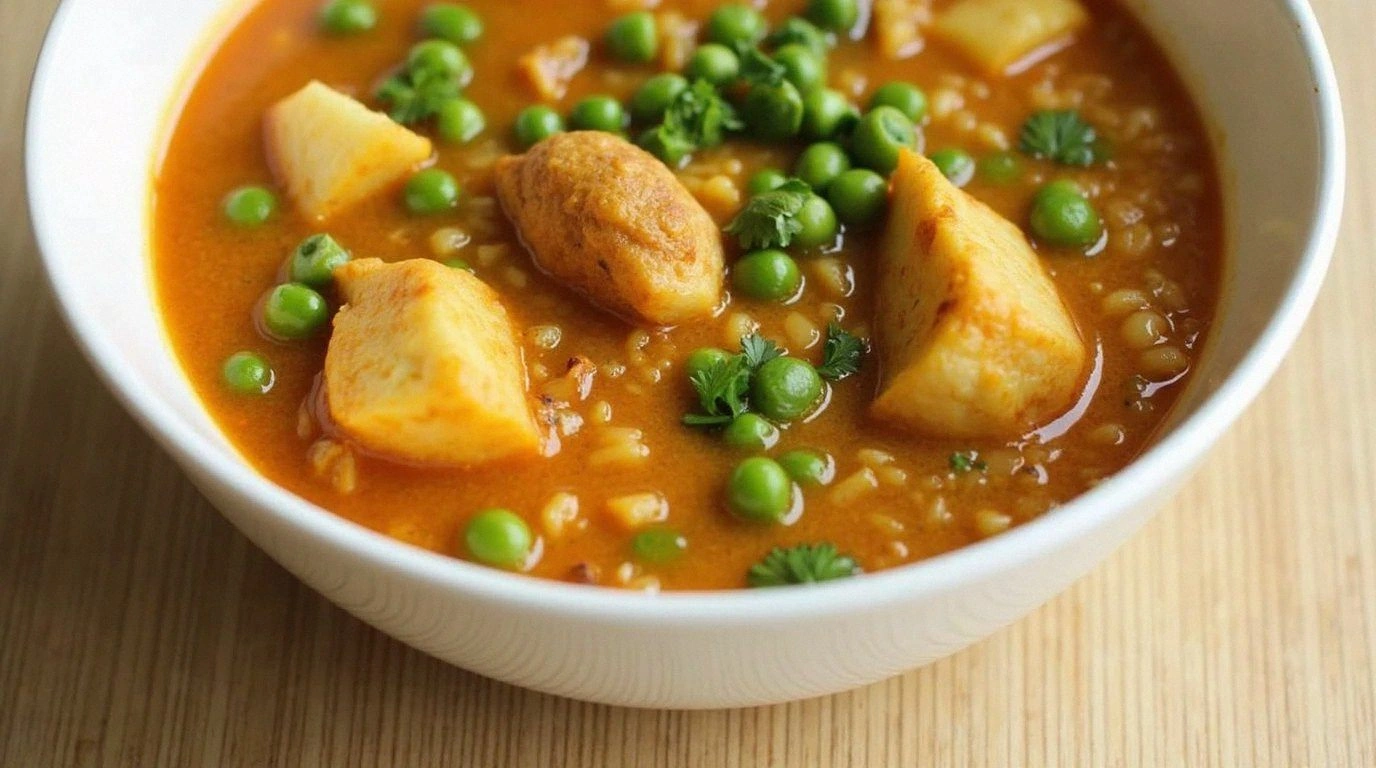
The Method — Step by Step
- Heat a large non‑stick skillet over medium heat. Add a splash of oil and let it shimmer. The oil should not smoke, indicating the temperature is right. This step ensures the chicken will sear without sticking.
- Add the pre‑cooked chicken tikka pieces to the skillet. Stir frequently for 2–3 minutes until the edges start to brown. Watch the color shift; it should turn a golden amber, not black. This creates a caramelized surface that locks in moisture.
- Sift the garam masala over the chicken, letting the spices toast for 30 seconds. The aroma should be intoxicating, like a spice market in the evening. This brief toasting releases the essential oils and enhances depth.
- Pour in the tomato puree and stir to coat the chicken. Let it simmer for 4–5 minutes until the mixture thickens slightly. The sauce should have a rich, glossy sheen, indicating that the acidity has reduced.
- Add the cooked rice and stir gently to combine. Ensure every grain is coated in the sauce. This step is crucial for flavor distribution; the rice should absorb the sauce without becoming mushy.
- Whisk in the plain yogurt until fully incorporated. The sauce should become silky and slightly thicker. The yogurt balances the heat and adds a creamy texture that coats the rice.
- Reduce the heat to low, cover the skillet, and let the dish steam for 5 minutes. The steam will meld the flavors and ensure the rice is perfectly tender. Keep the lid on to trap moisture.
- Taste and adjust seasoning with salt or a pinch of sugar if the tomato is too acidic. The final dish should have a balanced flavor profile, neither too salty nor too sour.
- Serve hot, garnished with fresh cilantro or a squeeze of lime for brightness. The citrus note lifts the dish, making it feel fresh and lively.
That's it — you did it. But hold on, I've got a few more tricks that'll take this to another level...
Insider Tricks for Flawless Results
The Temperature Rule Nobody Follows
Cooking at the right temperature is the secret to juicy chicken and fluffy rice. Start with medium heat to sear, then reduce to low for simmering. If you go too high during the final simmer, the sauce will evaporate too quickly, leaving the rice dry.
Why Your Nose Knows Best
Your nose is a reliable guide for seasoning. A whiff of the tomato puree after it’s simmered tells you if it’s reduced enough. If it smells sweet and tangy, you’re on track; if it still tastes raw, let it simmer longer.
The 5‑Minute Rest That Changes Everything
After cooking, let the dish sit covered for 5 minutes. This rest allows the rice to steam fully and the flavors to marry. Skipping this step often results in uneven texture and a less cohesive taste.
The Perfect Finish
Finish with a drizzle of olive oil or a pat of butter before serving. The fat adds gloss and rounds out the flavor profile, making the dish feel indulgent.
The Quick Fix for a Sticky Sauce
If the sauce becomes too thick, splash a tablespoon of water or broth and stir. This will loosen it without diluting the flavor. Always add liquid slowly, tasting as you go.
Creative Twists and Variations
This recipe is a playground. Here are some of my favorite ways to switch things up:
Coconut Curry Twist
Replace the plain yogurt with coconut yogurt and add a splash of coconut milk. The result is a tropical, slightly sweet version that pairs beautifully with cilantro and lime.
Vegetarian Version
Swap the chicken tikka for paneer cubes or marinated tofu. The protein will absorb the spices just as well, creating a hearty vegetarian main.
Spicy Kick Variation
Add a handful of crushed red pepper flakes to the tomato puree. The heat will amplify the dish’s warmth, making it perfect for a chilly evening.
Herb‑Infused Delight
Stir in a handful of fresh mint or basil just before serving. The herbaceous notes contrast the warm spices, giving the dish an unexpected freshness.
Gluten‑Free Adaptation
Use quinoa instead of rice for a protein‑rich, gluten‑free base. The quinoa will soak up the sauce beautifully, offering a different texture.
Breakfast Take‑Away
Serve the dish over a bed of scrambled eggs for a protein‑packed breakfast. The creamy sauce and spices complement the eggs, turning an ordinary morning into a feast.
Storing and Bringing It Back to Life
Fridge Storage
Store the dish in an airtight container for up to 3 days. Keep the yogurt separate until reheating to prevent separation. When ready to serve, reheat gently on the stove with a splash of water.
Freezer Friendly
Freeze in portioned containers for up to 2 months. Thaw overnight in the refrigerator, then reheat on the stove or microwave. Add a splash of water to restore moisture.
Best Reheating Method
Reheat on low heat, stirring frequently, until hot. Adding a tiny splash of water before reheating steams the dish back to perfection. This technique keeps the rice fluffy and the sauce silky.