I still remember the first time I attempted hot and sour soup at home. Picture this: a twenty-something me, armed with nothing but a vague memory of takeout bliss and a pantry that looked like a spice explosion had happened. The result? A murky, gluey mess that tasted like someone had dissolved a salt lick in vinegar and called it dinner. My roommate took one polite sip, then quietly ordered pizza while I stubbornly choked down three bowls, pretending it was edible. That culinary disaster haunted me for years, until one rainy Tuesday when cravings hit like a freight train and I decided it was time to crack the code properly.
What followed was months of obsessive testing, countless dumpling wrappers sacrificed to the cause, and a notebook filled with ratios that looked like mathematical proofs. I stalked every Chinatown auntie, cornered chefs at food festivals, and even bribed my neighbor with homemade cookies just to get her grandmother's secret touch. The breakthrough came at 2 AM on a Wednesday, when I finally understood that hot and sour isn't just about balancing two flavors — it's about creating a symphony where every ingredient sings in perfect harmony, where the dumplings aren't just floating passengers but integral characters in this delicious drama.
Now, I make this soup when the world feels too cold, too chaotic, too much. There's something meditative about folding dumplings while the broth simmers, the way the steam fogs up your glasses and the aroma wraps around you like your favorite sweater. The first spoonful hits you with that perfect punch — the heat that doesn't burn but warms, the sour that makes your cheeks tingle but doesn't pucker, and those dumplings that burst with savory goodness like little flavor bombs. I dare you to taste this and not go back for seconds, though I'll be honest — I ate half the batch before anyone else got to try it, standing right there at the stove, telling myself I was just "testing" the seasoning.
This version isn't just another recipe — it's the culmination of every failed attempt, every "almost there" batch, every tiny adjustment that finally made the magic happen. The broth has this incredible depth that tastes like it's been simmering for days, yet comes together in under an hour. The dumplings stay perfectly tender even after swimming in that tangy liquid, never falling apart or turning into sad, soggy blobs. And here's the kicker — I've discovered a technique that makes the flavors meld together so beautifully, you'll swear there's some sort of culinary wizardry involved. Picture yourself pulling this steaming bowl from the stove, the whole kitchen smelling like the best kind of takeout joint, but better because you made it with your own two hands. Let me walk you through every single step — by the end, you'll wonder how you ever made it any other way.
What Makes This Version Stand Out
Flavor Bomb Broth: Most recipes get this completely wrong, treating the broth like an afterthought. Here's what actually works — we build layers of umami starting with toasted aromatics, then deglaze with black vinegar at just the right moment. The result is this incredible depth that tastes like your favorite restaurant spent eight hours on it, but your stovetop timer knows the truth.
Cloud-Soft Dumplings: These aren't those dense, doughy hockey pucks you usually get. The secret lies in the ratio of wrapper to filling and a specific folding technique that traps just enough air. They float like tiny pillows and bite through with the most satisfying give, revealing juicy centers that'll make you close your eyes involuntarily.
Heat That Builds Beautifully: Forget the one-note burn of chili flakes. We're working with a combination of white pepper for that distinctive throat-warming heat and just enough chili oil to make your lips tingle. It's the kind of warmth that spreads slowly through your chest, like drinking liquid comfort.
Sour Without the Pucker: The vinegar gets added in stages — some reduced into the broth, some stirred in at the end. This creates these bright, tangy notes that dance around the richness rather than punching you in the face. Most recipes get this completely wrong, dumping it all in at once and calling it a day.
Texture Symphony: Every spoonful gives you something different — the silkiness of the broth, the tender bite of dumplings, the crunch of bamboo shoots, the chew of wood ear mushrooms. It's like a textural treasure hunt that keeps you coming back for just one more spoonful.
Make-Ahead Magic: Here's the game-changer — you can prep the dumplings weeks ahead and freeze them. The broth base can be made three days early and just gets better with time. When cravings hit, you're fifteen minutes away from restaurant-quality soup that'll make your neighbors jealous.
Crowd-Pleasing Flexibility: Whether you're feeding spice-wimps or heat-seekers, this recipe adapts like a charm. The base is perfectly balanced on its own, but set out extra chili oil and vinegar so everyone can customize their bowl. I've served this to grandmas who claimed they "don't like spicy food" and watched them lick their bowls clean.
Inside the Ingredient List
The Flavor Base
Ginger and garlic form the aromatic backbone, but here's the twist — we're using way more ginger than you'd expect. It gives this bright, almost citrusy note that cuts through the richness like a flavor lightsaber. Don't even think about using that pre-minced stuff from a jar; fresh ginger grated on a microplane releases oils that'll make your kitchen smell like heaven. Garlic gets smashed rather than minced, releasing different compounds that create this incredible depth when they hit the hot oil. If you've ever struggled with flat-tasting soup, you're not alone — and I've got the fix.
White pepper is the unsung hero here, providing that distinctive heat that blooms in the back of your throat. Black pepper just can't replicate the same warming sensation; it's like comparing a gentle fireplace to a blowtorch. The trick is toasting it briefly in oil to wake up the oils, but watch it like a hawk because burnt white pepper tastes like regret and disappointment. A friend tried skipping this step once — let's just say it didn't end well, and she ended up with soup that tasted like it came from a sad buffet.
The Texture Crew
Wood ear mushrooms aren't just there for show — they provide this incredible squeaky-crisp texture that makes eating this soup weirdly fun. Don't rehydrate them in hot water unless you want mushy rubber bands; room temperature water keeps them pleasantly chewy. Slice them into thin ribbons so they tangle around your spoon like edible confetti. If you can't find wood ears, cloud ears work too, but avoid those bland button mushrooms that just sit there like flavor sponges.
Bamboo shoots bring the crunch factor, but the canned ones need serious help. Rinse them three times, then squeeze out excess water like you're wringing out a washcloth. This removes that metallic taste that makes people think they hate bamboo shoots. Slice them into tiny matchsticks so they distribute evenly — nobody wants to wrestle with a giant bamboo chunk when they're trying to enjoy soup.
The Unexpected Star
Black vinegar is what separates good hot and sour soup from the stuff that makes you wonder why you bothered. Chinkiang vinegar has this incredible molasses-like depth with just enough bite to make things interesting. The supermarket stuff labeled "black vinegar" often tastes like watered-down balsamic with an identity crisis. If you can't find the real deal, rice vinegar with a teaspoon of balsamic gets you close, but it's like dating your ex's cousin — similar DNA, different chemistry.
Firm tofu isn't traditional, but it adds this luxurious silkiness that makes the soup feel more substantial. Press it between paper towels with something heavy on top for twenty minutes — this removes excess moisture so it doesn't water down your carefully crafted broth. Cut it into tiny cubes so they float like little clouds, soaking up all that incredible flavor. Silken tofu will just dissolve into sad, grainy bits that make your soup look like it has separation anxiety.
The Final Flourish
Chili oil should be the good stuff, not that rusty-colored disappointment from the dollar store. Look for ones with visible chili flakes and whole peppers floating around like spicy treasure. The oil should be fragrant and complex, not just hot for the sake of heat. A drizzle at the end does double duty — flavor and that gorgeous red sheen that makes everyone grab their phones for photos.
Sesame oil is your finishing touch, added off-heat so it keeps its fragrant personality rather than burning away into bitter nothingness. Toast sesame seeds in a dry pan until they smell nutty and golden, then grind half for the filling and sprinkle the rest on top. This creates layers of sesame flavor that make people close their eyes involuntarily when they taste it.
Okay, ready for the game-changer? The quality of your dumpling wrappers can make or break this entire experience. Fresh ones from the refrigerated section of Asian markets are worth the extra trip — they're more elastic, less prone to tearing, and have this beautiful translucency when cooked. Frozen ones work in a pinch, but let them thaw completely and keep them covered while you work. That sizzle when they hit the pan? Absolute perfection, but only if your wrappers aren't dried out like ancient parchment.
Everything's prepped? Good. Let's get into the real action...
The Method — Step by Step
- Start by making your dumpling filling because it needs time to chill and firm up. In a large bowl, combine ground pork (don't use lean — you need the fat for juicy dumplings), minced ginger, garlic, soy sauce, sesame oil, and a touch of cornstarch. Mix with your hands in one direction only — this develops the proteins and gives you that bouncy texture that makes good dumplings addictive. Cover and refrigerate for at least 30 minutes while you prep everything else; this step is non-negotiable unless you want filling that oozes out like a sad meat smoothie.
- Now for the broth base that'll make your kitchen smell like the best kind of restaurant. Heat oil in your soup pot until it shimmers, then add your aromatics — ginger, garlic, and white pepper. This is the moment of truth where you build the foundation of flavor. Stir constantly for about 90 seconds until your kitchen smells like you've been transported to a night market in Taipei. The ginger should look slightly translucent around the edges, and the garlic should be fragrant but not browned — burnt garlic turns bitter faster than your ex's new relationship.
- Add your chicken stock, but here's the insider trick — use half stock, half water. This might sound like cheating, but full-strength stock makes the soup taste muddy and over-reduced. Bring it to a gentle simmer, not a rolling boil unless you want cloudy broth that looks like dishwater. Add your rehydrated wood ears and bamboo shoots, letting them swim around and absorb all that incredible flavor. This is where patience pays off; let it simmer gently for 15 minutes while the flavors meld together like old friends.
- Time to fold dumplings, and this next part? Pure magic. Keep your wrappers covered with a barely-damp towel, working with 3-4 at a time. Place a teaspoon of filling in the center — resist the urge to overfill or they'll burst like overexcited balloons. Wet the edges with water, fold into a half-moon, and pinch the center first, then make 3-4 pleats on each side. They don't have to be perfect — rustic dumplings have more character, and anyone who judges your folding technique probably makes sad, store-bought cookies too.
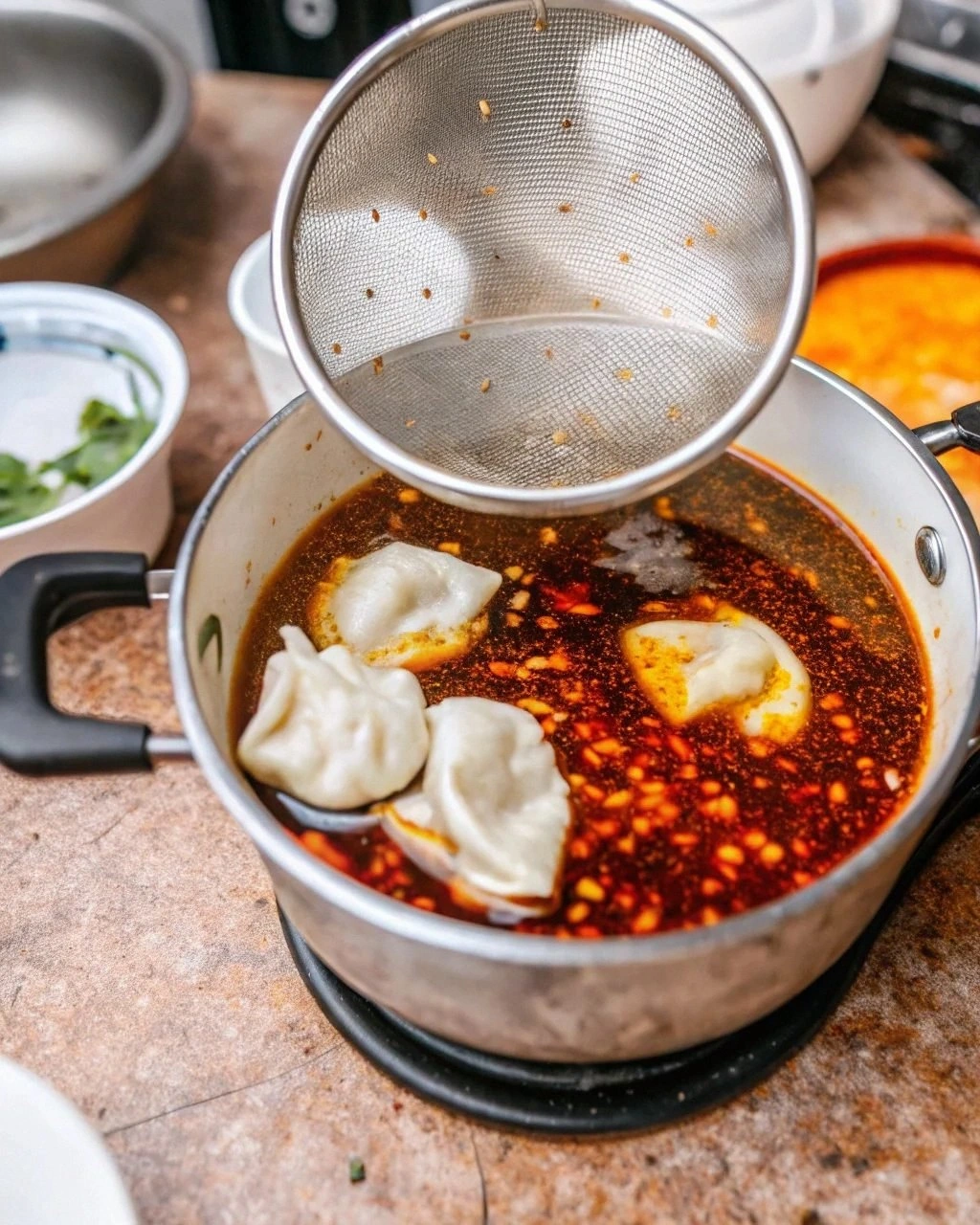
- Drop your dumplings into the simmering broth one by one, giving each one space to dance around. They'll sink at first, then float to the top when they're almost done — this is how you know they're cooked through. Don't walk away from the stove here; dumplings can go from perfectly tender to exploded disaster in the blink of an eye. Stir very gently, pushing them around like you're herding sleepy cats rather than mixing cement.
- Now for the vinegar dance that makes or breaks the whole operation. Add half your black vinegar to the simmering broth, letting it reduce for 2-3 minutes. This cooks off the harsh edges while keeping that bright tang. Save the other half for the end — this gives you layers of sourness that play different roles. The reduced vinegar integrates into the broth's foundation, while the fresh addition provides that lip-smacking brightness that makes people sit up straighter.
- Thicken the soup with your cornstarch slurry, but here's where most recipes lead you astray. Mix 2 tablespoons cornstarch with 3 tablespoons cold water until smooth, then drizzle it in while stirring gently. The soup should coat the back of a spoon but still flow like liquid silk — too thick and it's like eating savory pudding, too thin and your dumplings look lonely in a watery grave. If you've ever struggled with this step, you're not alone — and I've got the fix.
- Add your tofu cubes and let them warm through for just 2 minutes — any longer and they turn into sad, crumbly bits that make your soup look like it's having an identity crisis. The tofu should be heated through but still hold its shape, like little edible clouds that have absorbed all the incredible flavors. Gently does it here; think spa treatment, not wrestling match.
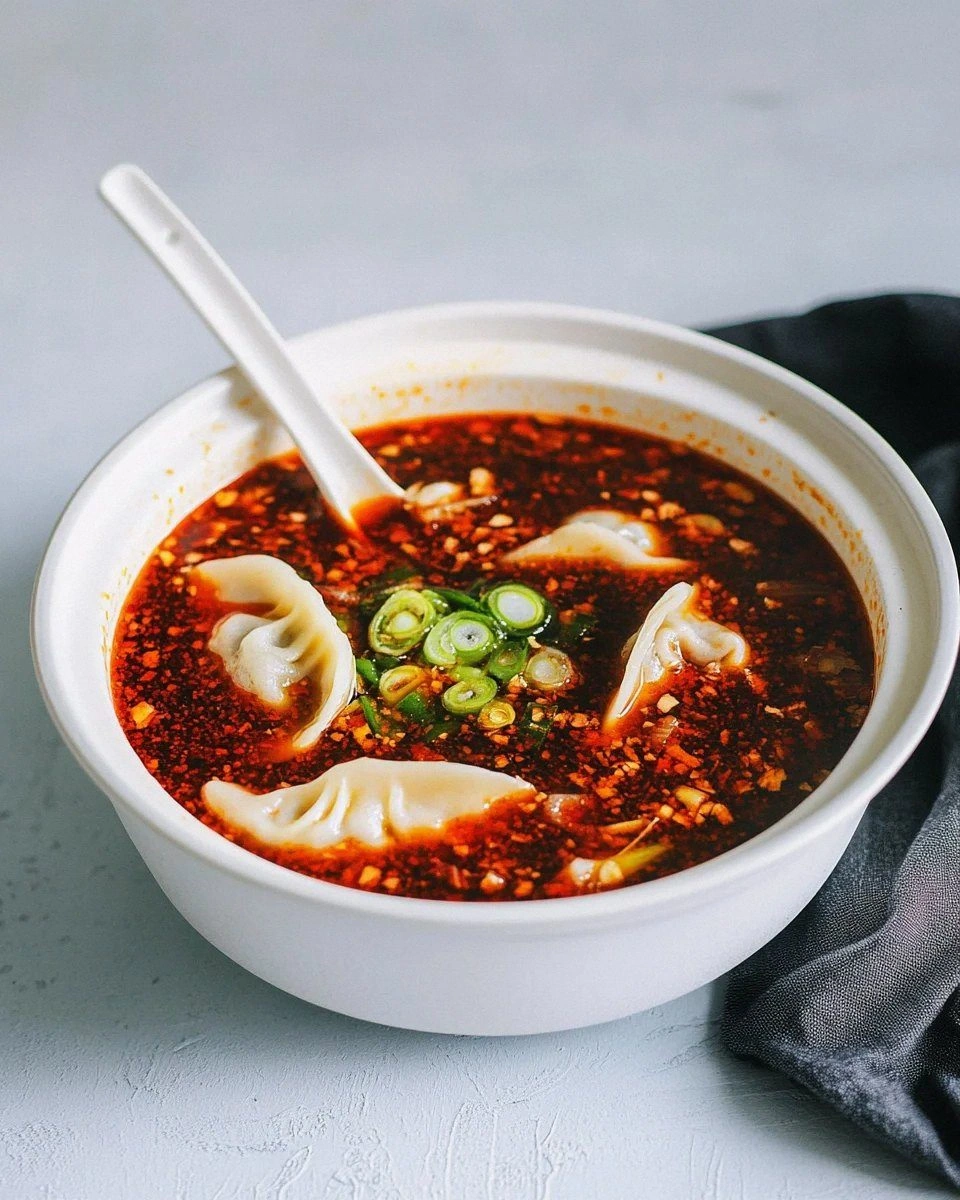
- Final seasoning time, and this is where you become the artist. Taste your broth — it should be singing with balanced flavors, not screaming any single note. Add your remaining vinegar, a touch more white pepper for heat, and a splash of soy sauce for depth. The soup should make your taste buds do a happy dance, with heat that builds slowly and sourness that makes you smack your lips in satisfaction. Ladle into bowls, drizzle with chili oil, sprinkle with green onions, and prepare for the inevitable sound effects people make when they taste something incredible.
That's it — you did it. But hold on, I've got a few more tricks that'll take this to another level...
Insider Tricks for Flawless Results
The Temperature Rule Nobody Follows
Your broth temperature is the difference between dumpling nirvana and a broken, sad mess. Keep it at a gentle simmer — tiny bubbles should barely break the surface, like a relaxed jacuzzi rather than an angry cauldron. If it reaches a rolling boil, your dumplings will bounce around like they're in a washing machine, tearing and releasing filling that turns your beautiful broth into cloudy disappointment. The perfect temperature is when you can see gentle movement but no violent bubbling — think of it as a spa day for your dumplings rather than a torture session.
Why Your Nose Knows Best
Don't trust timers — trust your nose. When the ginger and garlic hit the oil, they should smell bright and aromatic, not browned or toasty. When you add the vinegar, take a deep whiff — it should smell sharp but not eye-watering. The soup is done when it smells like the best kind of takeout joint but better, with layers of aroma that make people wander into the kitchen asking what smells so incredible. A friend once asked if I was running an underground restaurant because the smell traveled down the hallway of our apartment building.
The 5-Minute Rest That Changes Everything
After cooking, let the soup rest for exactly 5 minutes off heat. This isn't just chef nonsense — it allows the flavors to settle and meld, the temperature to drop to that perfect "I won't burn my tongue but it's still steaming" level, and the dumplings to absorb just enough broth to become even more flavorful. Cover the pot with a lid but crack it slightly so steam can escape. These five minutes feel like forever when you're hungry, but they're the difference between good soup and soup that makes people close their eyes involuntarily when they taste it.
The Dumpling Float Test That Actually Works
Forget everything you've heard about dumplings floating when they're done — that's only half the story. They float when the filling expands from heat, but they need another 2-3 minutes after floating to ensure the pork is fully cooked through. The real test? Gently press one with the back of a spoon — it should feel firm but still have some spring, like a well-inflated balloon rather than a rock or a marshmallow. Cut one open if you're unsure — the filling should be opaque throughout with no pink remaining, but still juicy rather than dry and crumbly.
Storage Strategy for Maximum Freshness
Here's what nobody tells you: store the dumplings separately from the broth if you're not eating everything immediately. The soup will continue to cook them even after you've turned off the heat, and by morning you'll have broken dumplings bleeding filling into cloudy broth sadness. Keep the soup in one container, dumplings in another, and combine only when reheating. The broth actually gets better overnight as flavors meld, but the dumplings are at their peak texture within the first few hours of cooking.
Creative Twists and Variations
This recipe is a playground. Here are some of my favorite ways to switch things up:
The Seafood Lover's Dream
Swap the pork filling for a mixture of shrimp and scallops, pulsed in a food processor until it holds together but still has some texture. Add minced water chestnuts for crunch and a touch of fish sauce for depth. The cooking time drops to just 3-4 minutes, and the result tastes like you've been transported to a seaside restaurant in Thailand. My spice-wimp sister claims this version converted her to team "soup can be a meal."
The Vegetarian That Satisfies Carnivores
Use crumbled firm tofu mixed with minced mushrooms and a tablespoon of white miso for umami depth. The trick is to really brown the mushrooms first until they're almost crispy — this concentrates their flavor and gives you that meaty satisfaction without any actual meat. Even my "I need meat at every meal" friend didn't realize these were vegetarian until I'd already watched him demolish three bowls.
The Extra-Hot Challenge
Add a tablespoon of Sichuan peppercorns toasted and ground, plus double the white pepper and a splash of chili crisp. The peppercorns give you that tingly-numbing sensation that makes your mouth feel like it's doing interpretive dance, while the chili crisp adds both heat and incredible texture. I dare you to taste this and not go back for seconds, though you might need a tissue nearby.
The Comfort Food Mashup
Add cooked ramen noodles to the bottom of each bowl before ladling in the soup. The noodles soak up the incredible broth while staying chewy, turning this into the most elaborate, sophisticated ramen you've ever slurped. Top with a soft-boiled egg that you marinate in soy sauce and mirin for two hours — when you cut into it, the yolk mingles with the broth and creates this incredible richness.
The Clear Broth Elegance
Skip the cornstarch thickener and strain the finished soup through cheesecloth for the most elegant, crystal-clear broth that wouldn't look out of place in a fine dining restaurant. Garnish with thinly sliced snow peas and edible flowers — it's the same incredible flavors but dressed up for company. This version impressed my future mother-in-law so much, she finally stopped asking if I knew how to cook "real food."
The Breakfast Remix
Add a beaten egg drizzled slowly into the hot broth to create egg ribbons, then serve with crispy bacon crumbled on top. The egg adds protein and richness, while the bacon gives you smoky depth that makes this completely breakfast-appropriate. My hungover friends swear this cures everything that ails you, though I've also served it at brunch and watched people ignore the pancakes in favor of second helpings.
Storing and Bringing It Back to Life
Fridge Storage
The broth keeps beautifully for up to 4 days in an airtight container, and honestly, it gets better as flavors meld. Store dumplings separately in their own container — they'll keep for 2 days but are best within 24 hours. When reheating, bring the broth to a gentle simmer first, then add dumplings just until heated through — about 2-3 minutes. Add a tiny splash of water before reheating — it steams back to perfection and prevents the broth from becoming over-reduced and salty.
Freezer Friendly
Both the broth and uncooked dumplings freeze beautifully for up to 3 months. Freeze dumplings on a baking sheet first, then transfer to bags so they don't stick together. The broth can be frozen in portions — I use muffin tins for perfect single-serving portions that thaw quickly. Thaw overnight in the fridge, never on the counter unless you enjoy playing bacterial roulette with your digestive system.
Best Reheating Method
Gentle is the name of the game. Reheat broth over medium-low heat until just steaming, then add dumplings for 2-3 minutes max. The microwave works in a pinch but heat at 70% power in 30-second bursts, stirring between each. Never let it reach a rolling boil again unless you enjoy dumpling disintegration. If the soup seems thin after reheating, whisk a tiny bit of cornstarch with cold water and stir it in — it'll come back to life like it never left.